
Designed in Dubai. Cash on delivery or bank transfer. Return requests within 7 days on unworn items.

Category: Fabric & Textile Education

  • Travel Abaya Guide: Wrinkle‑Resistant Fabrics & Packing Tips

    Travel Abaya Guide: Wrinkle‑Resistant Fabrics & Packing Tips

    Traveling in style while staying true to modest fashion can feel like a balancing act, especially when you want your abaya to look fresh after a long flight. A well‑chosen travel abaya saves you time, space and the hassle of ironing, allowing you to focus on the journey itself. Below is a practical guide that blends fashion insight with packing efficiency, perfect for the modern traveller in the UAE.

    Why Choose a Travel Abaya?

    A travel abaya is designed with the demands of mobility in mind, offering a blend of elegance and practicality that everyday pieces often lack. The cut typically features a slightly looser silhouette, which reduces creasing and accommodates layers such as a light jacket or scarf without feeling restrictive. Moreover, many travel‑focused designs incorporate discreet pockets, enabling you to keep essentials like a passport or phone close at hand without compromising modesty.

    Beyond comfort, a travel abaya serves as a versatile wardrobe staple. Its neutral colour palette and timeless silhouettes mean it can transition seamlessly from airport lounges to evening gatherings, reducing the need for multiple outfits. This versatility not only lightens your luggage but also aligns with sustainable fashion principles by encouraging wear‑again rather than single‑use garments.

    Finally, the psychological benefit of wearing a thoughtfully chosen abaya cannot be underestimated; it offers a sense of confidence and cultural continuity, allowing you to navigate new environments while feeling authentically yourself.

    Key Fabric Features for Wrinkle Resistance

    When selecting a travel abaya, the fabric’s reaction to compression and movement is paramount. Look for fibres that possess natural elasticity, as they tend to bounce back into shape after being folded. A high twist yarn count, for instance, creates a tighter weave that resists permanent creases while still feeling breathable.

    • Low‑lint finish: Fabrics treated to minimise surface fibres stay smoother and are less prone to catching on luggage handles.
    • Moisture‑wicking properties: Materials that manage sweat help maintain a crisp appearance, especially in warm climates or during long journeys.
    • Lightweight construction: Thin yet sturdy fabrics reduce bulk, meaning the abaya can be packed flat without excessive pressure that would otherwise cause deep folds.

    In addition, consider finishes such as a subtle anti‑static coating; this prevents the fabric from clinging to other items in your suitcase, further reducing the likelihood of stubborn wrinkles. A fabric that balances these attributes will emerge from the suitcase looking as polished as when it was first folded.

    Top Materials Used in Hoorain Abayas

    Material Wrinkle‑Resistance Breathability Typical Use
    Polyester‑Viscose Blend High – smooth recovery after compression Moderate – suitable for indoor and mild outdoor climates Everyday travel abayas, layered looks
    Modal Medium – soft drape, minor creasing High – excellent moisture management Elegant evening travel pieces
    Jersey Knit (cotton‑poly blend) High – natural stretch reduces folds High – comfortable in warm weather Casual travel abayas, weekend get‑aways
    Silk‑Linen Mix Low – prone to crisping if folded tightly Very high – ideal for hot climates Special occasions, destination weddings

    Hoorain Abayas prioritises fabrics that marry modest aesthetics with functional performance. The polyester‑viscose blend, for example, offers a sleek silhouette that resists permanent creases, making it a favourite for long‑haul flights. Modal, with its buttery feel, provides a touch of luxury while still handling light compression well. For travellers who value comfort above all, our jersey knit options deliver a relaxed fit that bounces back after being packed.

    While silk‑linen mixes are celebrated for their breathability, they require a gentler packing approach to avoid sharp folds. Understanding these material nuances helps you choose the right travel abaya for the specific climate and itinerary you have in mind.

    How to Pack a Travel Abaya Efficiently

    Effective packing begins with preparation. Before you fold, give the abaya a quick shake to smooth out any loose fibres, then lay it flat on a clean surface. Use the classic “rolling” method: start at the hem, roll tightly but not so tight that the fabric is strained. This technique distributes pressure evenly and reduces the formation of deep creases.

    • Place a thin tissue paper or a dry‑cleaning sleeve between the rolled sections to act as a barrier against friction.
    • Position the rolled abaya at the centre of your suitcase, surrounded by softer items such as scarves or lightweight sweaters, which act as a cushion.
    • If you prefer folding, employ the “fold‑and‑stack” approach: fold the sleeves inward, then fold the body in thirds, creating a compact rectangle that can be laid flat.

    Finally, upon arrival, unroll or unfold the abaya and hang it in a well‑ventilated area for a few minutes. The natural fibres will relax, and any minor wrinkles will smooth out without the need for an iron. This simple routine ensures your travel abaya looks runway‑ready, no matter how far you’ve journeyed.

    In‑Flight Care: Keeping Your Abaya Fresh

    Long‑haul flights can be a test of patience, especially when you’re travelling with a beautifully crafted abaya. The cabin environment tends to be dry, and the limited space in the overhead locker can cause fabrics to shift and crease. Start by choosing a travel‑friendly abaya made from wrinkle‑resistant fibres such as polyester‑viscose blends or lightweight gabardine; these materials recover quickly after compression.

    Before boarding, give your abaya a gentle steam or a quick spray of water‑based fabric refresher. Hang it on a portable, fold‑able garment rack that fits in the seat‑back pocket – this keeps the garment upright and reduces the risk of deep folds. If a rack isn’t available, lay the abaya flat on the seat, smoothing it with your hands to distribute any pressure points.

    • Carry a compact, travel‑size steamer (electric or battery‑operated).
    • Pack a breathable garment bag to protect the abaya from dust and sudden temperature changes.
    • Keep a small bottle of fabric‑friendly spray for on‑the‑go freshening.
    • Avoid placing heavy luggage on top of the abaya while it’s stored in the cabin.

    When the seat belt sign is off, stand up, let the abaya hang freely for a minute, and give it a light shake. This simple motion helps the fibres relax, minimising the appearance of creases before you reach your destination.

    Styling Your Travel Abaya at Your Destination

    Arriving at a new city is the perfect moment to showcase the versatility of a well‑chosen travel abaya. Pair it with local accessories to blend modesty with regional flair – think a lightweight silk scarf in a colour that echoes the destination’s palette, or a statement belt that cinches the waist for a more structured silhouette.

    For warm climates, opt for an abaya with breathable, moisture‑wicking properties; a subtle open‑front style allows you to layer a simple cotton tee underneath without sacrificing modesty. In cooler environments, drape a tailored, longline cardigan or a pashmina shawl over the abaya; the extra layer adds warmth while maintaining a sleek line.

    Footwear also plays a role in the overall look. Slip‑on loafers or elegant sandals with modest ankle coverage complement the flowing lines of the garment. When you need to transition from day to evening, swap the casual tee for a silk blouse and add a delicate jewellery piece – the abaya remains the focal point, while the accessories provide the finishing touch.

    Final Verdict: The Ideal Travel Abaya for Every Journey

    The perfect travel abaya balances elegance, practicality and comfort. Look for a cut that offers modest coverage without excessive volume – a slightly tapered silhouette reduces bulk in luggage and eases movement through crowded airports. Fabrics such as a polyester‑viscose blend, lightweight gabardine or a soft, stretch‑enhanced jersey provide the dual benefit of wrinkle resistance and a pleasant drape.

    Colour choice matters too. Neutral shades like ivory, soft beige or muted navy are forgiving when it comes to stains and pair effortlessly with a range of accessories. If you enjoy a pop of colour, consider a subtle tonal embroidery along the hem or cuffs; this adds personality without compromising the garment’s travel‑friendly nature.

    In summary, the ideal travel abaya is one that can be packed flat, emerges from the suitcase with minimal creasing, and adapts to diverse climates and social settings. By selecting a fabric that breathes, a cut that moves, and thoughtful detailing, you’ll arrive at any destination feeling confident, modest and impeccably styled.

    For more on this, see our guide on Travel Abayas for Long Flights: Wrinkle-Free Elegance.

    Explore the full range in our abaya collection to find your next piece.

    Frequently Asked Questions

    What makes a fabric wrinkle‑resistant for travel?

    Wrinkle‑resistant fabrics have a tight weave and often include synthetic blends like polyester or rayon, which recover quickly after compression.

    Can I wash a travel abaya on the plane?

    Most travel abayas are designed for spot‑cleaning; a gentle hand wash with cool water at home is recommended to preserve the finish.

    How should I fold a travel abaya to avoid creases?

    Fold the abaya in thirds lengthwise, then roll it loosely inside a breathable garment bag to minimise pressure points.

    Is a travel abaya suitable for both business and leisure trips?

    Yes, the versatile cuts and neutral colours of Hoorain travel abayas transition easily from airport lounges to evening events.

    Do I need a special suitcase for a travel abaya?

    A standard carry‑on works fine; just use a garment sleeve or a soft packing cube to protect the fabric from crushing.

    Shop the collection at Hoorain Abaya →
  • The Ultimate Bridal Abaya Guide: Styles, Fabrics & Details

    The Ultimate Bridal Abaya Guide: Styles, Fabrics & Details

    Planning the perfect bridal look in the UAE calls for a thoughtful blend of tradition and contemporary elegance. An abaya, when designed with the right silhouette, fabric and detailing, becomes a timeless statement piece that celebrates the bride’s personal style while honouring modesty.

    Choosing the Right Silhouette for a Bridal Abaya

    The silhouette sets the foundation of the bridal abaya, dictating how the garment drapes and moves throughout the ceremony. A classic A‑line cut offers a gentle flare from the waist, flattering a range of body types and providing a graceful flow that is particularly suited to outdoor weddings. For a more structured aesthetic, a fitted sheath silhouette creates clean lines and a sleek profile, ideal for modern venues and evening receptions.

    Princess‑style silhouettes, with a slightly cinched waist and a subtle flare, combine the best of both worlds – offering a romantic shape without excess fabric. Meanwhile, the empire waist, sitting just below the bust, elongates the figure and works beautifully with layered veils or intricate headpieces. When selecting a silhouette, consider the venue, the bride’s comfort, and how the design will complement the chosen accessories.

    Luxurious Fabrics: From Silk to Georgette

    The choice of fabric influences not only the visual appeal but also the comfort of the bride on her special day. Silk, with its natural sheen and smooth hand, creates an opulent backdrop for intricate embroidery. Satin, a weave of silk or polyester, offers a glossy finish that catches the light beautifully during evening celebrations.

    Fabric Feel Best For
    Silk Soft, fluid Elegant drape, high‑gloss finish
    Georgette Light, slightly crisp Layered looks, airy movement
    Chiffon Delicate, sheer Soft overlays, romantic silhouettes
    Velvet Rich, plush Winter weddings, regal ambience

    Georgette, a lightweight crepe fabric, offers a subtle texture that holds shape without feeling heavy, making it a favourite for flowing gowns. Chiffon provides an ethereal quality, perfect for layered veils or modest sleeves. Velvet, though more substantial, adds depth and warmth, especially suitable for cooler months or indoor venues.

    Embellishments and Details that Elevate the Look

    Embellishments transform a simple abaya into a bridal masterpiece. Hand‑crafted sequins, delicate beadwork and fine lace appliqués add sparkle without overwhelming the modest silhouette. When opting for sparkle, consider placement – a cascade of sequins along the hem or a subtle embroidered motif at the neckline can draw attention to the bride’s features while preserving elegance.

    • Embroidery: Intricate threadwork in gold or silver threads can echo traditional Arabic patterns, lending a cultural touch.
    • Beading: Small seed beads create a shimmering effect that catches daylight, ideal for outdoor ceremonies.
    • Crystal appliqués: Strategically placed crystals add a modern glamour, especially along the sleeves or back panel.

    Layered sleeves, whether sheer chiffon or modestly fitted, provide additional canvas for detailing. A modest yet striking back opening, finished with a row of concealed buttons or a delicate tie, offers a hint of drama without compromising coverage.

    Colour Palette and Seasonal Considerations

    While white remains the quintessential bridal hue, many brides in the UAE embrace soft pastels, muted golds or even deep jewel tones to reflect personal taste and seasonal ambience. For a summer wedding, airy fabrics in ivory, blush or pastel mint keep the bride cool and complement the bright sunshine. Autumnal celebrations lend themselves to richer shades such as champagne, dusty rose or muted teal, which pair beautifully with velvet or silk blends.

    When selecting colour, think about the venue’s lighting and the overall wedding theme. A light‑coloured abaya can be enhanced with subtle metallic embroidery, whereas a darker palette benefits from contrasting pearl or crystal detailing to add luminosity. Ultimately, the colour should resonate with the bride’s vision while ensuring the garment remains timeless and photograph‑friendly.

    Co‑ordinating the Bridal Abaya with the Wedding Theme

    When the wedding theme leans towards classic opulence, a bridal abaya in silk charmeuse or satin, embellished with hand‑sewn sequins, mirrors the richness of gold‑leaf table settings and crystal chandeliers. For a contemporary desert‑inspired celebration, think soft, flowing organza in muted sand tones, accented with subtle beading that catches the light like a sunrise over the dunes. The colour palette should echo the overall décor – ivory, blush, or a gentle champagne work beautifully alongside pastel floral arrangements, while deep emerald or midnight blue can complement a night‑time garden theme.

    Consider the venue’s ambience when selecting details. A beach ceremony benefits from lightweight fabrics that sway with the sea breeze, whereas a grand ballroom allows for heavier, structured silhouettes with intricate lace overlays. Matching the abaya’s neckline to the bridal party’s attire – for instance, a modest illusion‑neckline echoing the bridesmaids’ off‑shoulder gowns – creates visual harmony without overwhelming the bride.

    Finally, coordinate accessories such as a modest veil, embellished clutch, or a delicate pearl tiara. These pieces should enhance, not compete with, the abaya’s design, ensuring the bride remains the focal point of the celebration.

    Fit, Alterations and Comfort on the Big Day

    The perfect bridal abaya must feel as exquisite as it looks. Begin with a professional fitting at least six weeks before the wedding, allowing ample time for adjustments. The shoulder seams should sit comfortably without digging, and the armholes need enough room for graceful movement, especially if the bride plans to walk down a long aisle or dance later on.

    Pay close attention to the length of the train. A floor‑sweeping train adds drama, but it should be manageable on uneven surfaces. Many designers incorporate a discreet hidden zip or detachable panel, enabling the bride to shorten the train for the reception without compromising the ceremony’s elegance.

    Fabric choice directly impacts comfort. Natural fibres such as silk and cotton breath well, reducing the risk of overheating in the UAE’s warm climate. If the design includes heavy embellishments, ensure they are securely stitched to prevent shifting. A well‑placed lining of breathable mesh can provide additional support while maintaining the abaya’s silhouette.

    Lastly, schedule a final trial a week before the wedding. Walk, sit, and sit‑down to confirm that every seam, button, and embellishment stays in place, guaranteeing confidence and comfort throughout the day.

    Final Verdict: Your Ideal Bridal Abaya Checklist

    • Choose a fabric that balances luxury and breathability – silk charmeuse, satin, or lightweight organza are top choices.
    • Confirm the silhouette matches the wedding theme – flowing drape for beach settings, structured lace for ballroom affairs.
    • Ensure the neckline and sleeve style complement the overall modest aesthetic while allowing ease of movement.
    • Schedule fittings at least six weeks ahead; allow time for at least two rounds of alterations.
    • Test the train length and consider a detachable option for the reception.
    • Coordinate accessories (veil, jewellery, clutch) to echo the abaya’s detailing without overpowering it.
    • Plan a final trial run a week before the ceremony to check comfort, mobility, and secure embellishments.

    Explore the full range in our abaya collection to find your next piece.

    Frequently Asked Questions

    What fabrics are most popular for bridal abayas?

    Silk, chiffon, georgette and fine crepe are favoured for their drape, sheen and comfort, often combined with subtle lace or net inserts.

    How can I ensure my bridal abaya fits perfectly?

    Schedule a professional fitting at least two months before the wedding and allow time for any necessary alterations to achieve a flawless silhouette.

    Can I add personal embroidery to a bridal abaya?

    Yes, custom embroidery such as initials or delicate motifs can be incorporated, ideally placed on the sleeves, hem or back panel for a personal touch.

    What colour options work best for a modest wedding look?

    Classic ivory, soft champagne, pastel blush or muted gold are timeless choices that complement most wedding palettes while maintaining modesty.

    How should I accessorise a bridal abaya on the wedding day?

    Pair it with a modest veil or headpiece, understated jewellery and a coordinated clutch; ensure accessories enhance rather than overwhelm the garment.

    Shop the collection at Hoorain Abaya →
  • How to Wash an Abaya: Care Guide for Every Fabric

    How to Wash an Abaya: Care Guide for Every Fabric

    An abaya looks its best when it is washed gently, dried properly and stored with care. Most damage comes from a handful of avoidable habits: ignoring the label, using heat, scrubbing beadwork or hanging wet fabric in the sun. This guide explains how to wash an abaya step by step, with advice for different fabrics and common problems.

    What should you check before you wash an abaya?

    Start with the care label, usually stitched inside the neckline, side seam or hem. It tells you the maker’s recommended washing method, water temperature, drying instructions and ironing limits. If it says dry clean only, follow it, especially for delicate or heavily embellished pieces. If the label is missing or faded, assume the gentlest method and test carefully.

    Next, identify the fabric. Crepe, nida, chiffon, linen and blends respond differently to water, heat and friction, which is why our abaya fabrics guide is a useful companion to this article. Then check the details: beads, stones, sequins, embroidery, lace, piping, metallic thread and printed areas all need extra gentleness.

    Finally, look for marks. Deodorant, makeup, oil, perfume and food stains are easier to treat before the full wash. Spot treat the stain with a small amount of mild detergent on a damp cloth, dab rather than rub, and test on a hidden area, such as an inside hem, to be sure the colour does not run.

    How do you wash an abaya by hand?

    Hand washing is the safest method for delicate, embellished or unfamiliar fabrics. It takes a few minutes and avoids the stress of a machine cycle.

    Prepare the water and detergent

    Fill a clean basin with cool or lukewarm water and add a small amount of mild liquid detergent, ideally one made for delicates. Avoid bleach and harsh stain removers. Mix the water gently until the detergent is dissolved.

    Wash gently

    Turn the abaya inside out so the outer surface is protected. Submerge it and press softly through the fabric for a few minutes, concentrating on collars, cuffs and underarms where dirt collects. Do not scrub, twist or wring, which stretches fibres and damages trims.

    Rinse thoroughly

    Drain the basin and rinse in clean cool water until no soap remains. Residue can leave a dull film and attract dirt. Press the water out gently with your palms, or roll the abaya in a clean towel to absorb moisture without twisting.

    Can you machine wash an abaya safely?

    Many abayas can be machine washed if the label allows it and the piece has no fragile decoration. Use these steps to reduce risk:

    • Turn the abaya inside out and fasten any hooks, zips and buttons.
    • Place it in a mesh laundry bag to limit friction and snagging.
    • Choose a delicate or hand-wash cycle with cool water and a low spin speed.
    • Use a mild detergent in the recommended amount and skip fabric softener unless the label allows it.
    • Wash with similar colours only, and avoid heavy items such as towels or jeans.
    • Remove it from the drum promptly to prevent deep creases.

    Never machine wash chiffon with beads, a structured piece with stiffening or any item labelled dry clean only. If you are unsure, hand wash. A few extra minutes can add many months to the life of the garment.

    What is the right way to dry and iron an abaya?

    Dry the abaya flat or on a padded hanger in a shaded, ventilated spot. Direct sun can fade colour and weaken fibres, and tumble drying can shrink fabric or damage trims unless the label says it is safe. Shape the sleeves and hem while the fabric is damp to help it dry smoothly.

    For ironing, check the label first. Turn the abaya inside out, use a low heat suitable for the fabric, and place a thin pressing cloth between the iron and the cloth to prevent shine. Avoid ironing directly over beads, stones, prints and lace. A garment steamer is often the gentlest option for crepe, nida and chiffon, because it relaxes creases without pressing the fabric flat. Linen creases easily and may need a slightly damp press at the temperature indicated on the label.

    How do you protect embellishments and delicate details?

    Beadwork, embroidery, lace and metallic thread are the first things to suffer from poor care. Turn the abaya inside out before washing, avoid scrubbing, and never wring decorated areas. Lay the piece flat to dry so the weight of wet fabric does not pull on stitching.

    For heavily decorated abayas, consider professional cleaning from a specialist who understands delicate garments. Tell them about any special trims and ask how they will protect them. Between cleans, air the abaya, spot treat small marks and brush away dust with a soft cloth.

    Perfume and body spray can stain or weaken some fabrics, so apply them before dressing and let them dry. Sit or move carefully when wearing rough surfaces, jewellery or bags against delicate cloth, and fasten hooks and zips so they do not catch on threads.

    How should you store an abaya, and how do you fix common problems?

    Store clean, fully dry abayas on padded or wide hangers so the shoulders keep their shape. Use breathable garment covers rather than plastic, and leave space between pieces so the fabric is not crushed. Fold heavily embellished or very delicate pieces with tissue paper between layers. Keep them away from direct sunlight, damp areas and strong heat.

    Problem Likely cause What to try
    Faded colour Sun, heat or harsh detergent Wash cool, dry in shade, use mild detergent
    Shrinking Hot water or tumble drying Follow the label; wash cool and dry flat
    Pilling or fuzz Friction and rough washing Use a mesh bag; remove pills with a fabric shaver
    Shiny marks Ironing directly on the fabric Use a pressing cloth or a steamer
    Musty smell Storing while damp or without airflow Air thoroughly, re-wash if needed, store dry

    Small habits keep an abaya fresh between washes: hang it to air after wearing, rotate pieces so none wears out first, and treat marks quickly. Our guide on how to care for your abaya at home follows the same routine, while the pieces in the Hoorain Abaya collection come with fabric and care notes to help you plan.

    What is the simplest routine to follow?

    Read the label, match the method to the fabric, wash cool and gently, dry in the shade, press with a cloth or a steamer and store on a padded hanger. If a piece has heavy embellishment, choose a specialist cleaner. Washing less often, but with care, extends the life of an abaya more than any special product, so treat the routine as part of owning a well-made piece.

    Explore the full range in our abaya collection to find your next piece.

    Frequently Asked Questions

    Can I machine wash an abaya?

    Often yes, if the care label allows it. Use a gentle cycle, cool water, a mesh laundry bag and mild detergent, and keep embellished or very delicate pieces for hand washing or professional cleaning. When the label says dry clean only, follow it.

    How do I wash an abaya with beads, stones or embroidery?

    Hand wash gently, turned inside out, in cool water with mild detergent, and avoid scrubbing or wringing the decorated areas. Heavily embellished abayas are often best left to a specialist cleaner. Check the label before you start.

    How should I dry an abaya?

    Lay it flat or hang it on a padded hanger in the shade, away from direct sun and heat. Avoid tumble drying unless the label says it is safe, as heat can shrink fabric, damage trims and fade colour.

    How do I get creases out of an abaya?

    Check the label for the right iron setting, turn the abaya inside out, and use a low heat with a pressing cloth on delicate fabrics. A garment steamer is often gentler for crepe, nida and chiffon, and it avoids shine marks.

    How often should I wash my abaya?

    It depends on how often you wear it and the weather. Air it after each wear, spot clean small marks, and wash when it looks or smells worn. Washing less often but correctly usually helps the fabric last longer.

    Shop the collection at Hoorain Abaya →
  • Abaya Fabrics Guide: Crepe, Nida, Chiffon and Linen

    Abaya Fabrics Guide: Crepe, Nida, Chiffon and Linen

    The fabric decides how an abaya hangs, how it feels at midday in August and how it looks after its tenth wash. Silhouette and embellishment get the attention, but cloth is what you live with. This abaya fabrics guide compares crepe, nida, chiffon and linen in plain terms, so you can choose a piece that suits your day, your climate and the way you like to wear it.

    Why does fabric matter more than most shoppers expect?

    Two abayas with the same cut can behave completely differently depending on the cloth. One falls in clean vertical lines and moves with you; another clings, creases or turns see-through under strong light. In the UAE, where you may step from air-conditioned offices into heat and humidity within minutes, breathability, weight and opacity matter as much as colour.

    Fabric also affects care. Some cloths can be machine washed on a gentle cycle and hung to dry; others need careful hand washing or a trip to a specialist cleaner. If you wear an abaya several days a week, easy care becomes a form of value that no photograph can show.

    When you shop online, you cannot touch the cloth, so learning the vocabulary helps. Terms such as composition, weight, drape, opacity and lining are the main clues. A trustworthy product page will tell you what the abaya is made from, whether it is lined, how it should be cared for and how the fabric behaves. If those details are missing, treat it as a reason to ask questions before you buy.

    What is crepe, and when is it the right abaya fabric?

    Crepe is a fabric with a slightly textured, pebbled surface created by the way the yarns are twisted and woven. In abayas it is valued for its structured drape: it holds a clean line without stiffness and falls well from the shoulder. The texture also helps hide small creases, which makes it a dependable choice for travel and long days.

    Many crepe abayas are made from polyester or blends, which keeps them durable and easy to care for. The trade-off is that synthetic crepe can feel warmer in strong heat than natural fibres. Weight varies a great deal, so a lighter crepe with a loose cut can be perfectly comfortable, while a heavy, fitted one may feel closed in.

    Choose crepe if you want a polished look for the office, meetings and formal daytime occasions. It takes embroidery, piping and bead detail well because it gives them a stable base. It is also a good canvas for simple, structured styles such as an open front or a clean closed abaya with minimal trims.

    Why is nida so popular, and what should you know before buying?

    Nida is a soft, lightweight fabric with a matte finish and a gentle fluid drape. It became popular in Gulf modest fashion because it is comfortable, opaque in most good-quality versions and easy to wear for long hours. It usually has a slight give, which makes sleeves and layered pieces feel less restrictive.

    The most important point is quality. Nida varies widely: a well-made version feels smooth and substantial, while a thin one may cling, show underlayers or pill after repeated washing. Look at the product description for notes on weight and opacity, and, where possible, check photographs taken in natural light.

    Nida suits everyday wear, school-run mornings, work and casual gatherings. It is generally friendly to care, though you should always follow the care label because dye and finish differ between makers. Darker colours look especially clean in nida, which is part of why black and neutral tones remain so popular.

    Is chiffon practical, or should it be reserved for occasions?

    Chiffon is a very light, sheer, flowing fabric that gives movement and softness. It is beautiful in sleeves, back panels, capes, overlays and wide layered silhouettes, and it brings an elegance that heavier fabrics cannot. In warm weather its lightness is an advantage, particularly as an outer layer over a more opaque base.

    The limits are practical. Chiffon is delicate and can snag on jewellery, bags and rough surfaces. It can be semi-sheer, so it often needs lining or a structured fabric beneath. It also creases and needs gentle handling when washed and ironed.

    That is why many people choose chiffon for weddings, Eid gatherings, dinners and photographs, and wear a nida or crepe abaya for work. If you love the look and want to wear it more often, consider a style where chiffon appears only in the sleeves or the back, with the main body in a sturdier fabric.

    Is linen the best abaya fabric for hot months?

    Linen is made from flax and is known for its breathability, crisp texture and natural look. In hot, humid weather it feels cooler against the skin than many synthetic cloths, which is why linen and linen blends are increasingly requested for summer abayas, travel and relaxed daytime wear.

    Linen creases easily. Many people see that as part of its charm, a lived-in elegance that softens through the day. If you prefer a perfectly smooth finish, look for a linen blend with some viscose or polyester, which reduces creasing though it changes how the fabric feels. Pure linen can also shrink if washed incorrectly, so follow the care instructions closely.

    Choose linen for relaxed open abayas, kimono-style pieces, weekend wear and holiday outfits. It pairs well with minimal embellishment because the texture is the feature. For formal occasions or very polished office wear, crepe or nida may be a better fit.

    How do the four fabrics compare side by side?

    The table gives a quick comparison. Individual fabrics vary by composition, weight and finish, so use it as a guide and check each product description.

    Fabric Feel and drape Best for Things to watch
    Crepe Textured surface, structured but fluid drape Office, formal daytime, travel Heavier versions can feel warm
    Nida Soft, light, matte and slightly stretchy Daily wear, long hours, school runs Quality varies; thin versions may cling or pill
    Chiffon Sheer, airy and flowing Occasions, sleeves, overlays, layered looks Delicate; often needs lining and gentle care
    Linen Crisp, natural, breathable Hot months, relaxed and weekend wear Creases easily; may shrink if washed wrongly

    Before you order, run through this simple checklist:

    • Read the fabric composition and weight notes in the description.
    • Check whether the abaya is lined and how opaque the fabric is in daylight.
    • Look for close-up photos of the weave, seams and sleeve finish.
    • Read the care label and decide whether the routine suits your week.
    • Think about when you will wear it: office, errands, travel or events.
    • Match the weight to the season and to how much air-conditioning you spend time in.

    Which abaya fabric should you choose, and how do you look after it?

    If you want one dependable abaya for daily life, a good nida or lightweight crepe is the safest place to start: neat, comfortable and easy to wear. For the hottest months or relaxed days, add a linen or linen-blend piece. Keep chiffon for events, or choose styles that use it as an accent. A small wardrobe of two or three well-chosen fabrics will cover almost every situation.

    Good care extends the life of every cloth. Always check the label first, wash gently, avoid harsh detergents, and dry away from direct sun that can fade colour. Store abayas on suitable hangers so they keep their shape. For a fuller routine, read our guide on how to wash and care for an abaya, which covers washing, ironing and storage in more detail.

    When you are ready to compare real pieces, browse the Hoorain Abaya collection and check each product’s fabric notes against the points above. If you are still deciding on a cut, our notes on how to choose the right abaya style can help you match the fabric to the silhouette. The best abaya is the one that suits your climate, your schedule and your taste, and fabric is where that begins.

    For more on this, see our guide on Best Abaya Fabrics for GCC Climate: Crepe, Silk & Linen Guide.

    Explore the full range in our abaya collection to find your next piece.

    Frequently Asked Questions

    Which abaya fabric is best for everyday wear in the UAE?

    Nida and good-quality crepe are popular for daily wear because they drape neatly, resist creasing and feel opaque without being heavy. Linen and linen blends are a strong choice for the hottest months if you are happy with a relaxed, softly creased look.

    Which abaya fabric is the coolest in summer?

    Linen and lightweight chiffon layers are generally the most breathable, though much depends on weave, lining and cut. A looser silhouette in a lighter fabric will usually feel cooler than a fitted abaya in a heavier one.

    Is nida the same as crepe?

    No. Both are smooth, fluid fabrics often used for abayas, but nida is typically softer and lighter with a matte, slightly stretchy feel, while crepe has a more textured surface and a little more body. Fibre content and finish also vary between suppliers.

    Does chiffon work for an everyday abaya?

    Chiffon is usually better as an overlay, sleeve or occasion layer than as the only fabric of a daily abaya. It is delicate, can be sheer and may snag, so it suits special events or is best lined or paired with a more structured base.

    How do I check abaya fabric quality when buying online?

    Read the fabric composition, look for notes on weight, lining and opacity, check close-up photos of the weave and seams, and review the care label. If the description is vague, ask the seller for details before ordering.

    Shop the collection at Hoorain Abaya →
  • Best Abaya Fabric UAE Summer: The Complete Guide

    Best Abaya Fabric UAE Summer: The Complete Guide

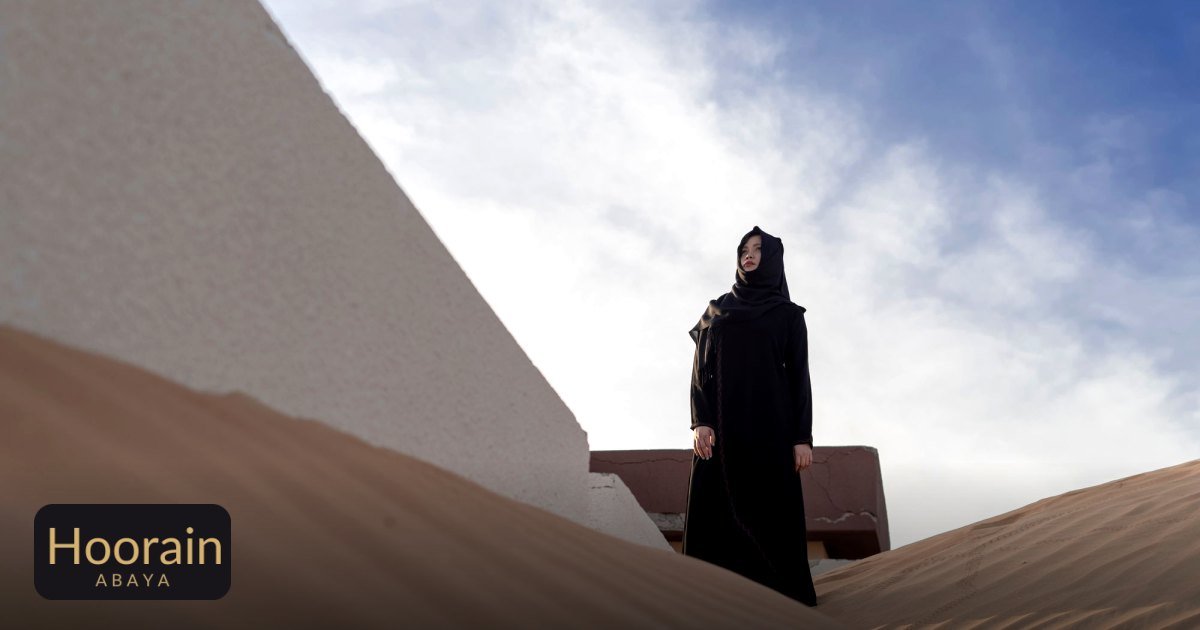
    When the UAE summer turns up the heat, the right abaya fabric becomes essential for staying comfortable while maintaining elegance. Understanding how the climate influences fabric performance helps you choose pieces that breathe, move, and look stunning throughout the scorching months.

    Understanding UAE Summer Climate and Its Impact on Fabric Choice

    The United Arab Emirates experiences a desert climate characterised by extremely high daytime temperatures, often exceeding 40 °C, coupled with intense solar radiation and low humidity in coastal areas. These conditions place a premium on fabrics that can manage heat without trapping moisture, allowing the skin to stay cool and dry.

    In addition to temperature, the strong sunlight can cause fabrics to fade or become stiff if they are not colourfast or breathable. Selecting materials with natural fibres or engineered moisture‑wicking properties mitigates these effects, preserving both the garment’s appearance and its comfort level.

    Another factor is the occasional sandstorm, which introduces fine particles that can cling to static‑prone fabrics. Choosing fibres that resist static buildup reduces the need for constant cleaning and helps the abaya retain its sleek silhouette.

    Overall, the UAE summer demands fabrics that combine breathability, lightness, and durability, ensuring that modest fashion remains effortless and refined even under the most relentless sun.

    Key Fabric Characteristics for Hot Weather

    When evaluating fabrics for summer abayas, focus on three core attributes: breathability, moisture management, and drape. Breathable fabrics feature a loose weave or natural fibre structure that permits air circulation, preventing heat from being trapped against the skin.

    Moisture‑wicking capability is equally vital; it draws sweat away from the body and spreads it across the surface of the material, where it can evaporate more quickly. This reduces the clammy feeling that often accompanies heavy, non‑absorbent textiles.

    The drape of a fabric influences how gracefully an abaya falls. A fluid drape ensures the garment moves with the wearer, avoiding clinginess that can amplify the perception of heat.

    Fabric Breathability Moisture Management Drape
    Cotton High Good Soft, natural
    Linen Blend Very High Excellent Elegant, slightly crisp
    Rayon Moderate Fair Sleek, fluid

    By prioritising these characteristics, you can select an abaya that feels light on the skin, stays fresh throughout the day, and maintains a polished, modest silhouette.

    Lightweight Cotton: Classic Comfort and Breathability

    Cotton remains a timeless favourite for summer abayas due to its natural fibre composition, which allows air to pass freely through its weave. This inherent breathability helps dissipate heat, making cotton abayas feel cool even when the temperature spikes.

    One of cotton’s strengths is its ability to absorb moisture without feeling damp. It draws sweat away from the body and releases it gradually, reducing the sticky sensation that can occur with synthetic fabrics. For those who prefer a soft, gentle touch against the skin, cotton offers a hypoallergenic option that rarely irritates.

    In terms of styling, lightweight cotton can be woven into a variety of textures—from smooth jersey to subtle twill—providing designers with flexibility to create both structured and flowing silhouettes. The fabric also holds colour well, ensuring that vibrant hues remain vivid throughout the summer season.

    When caring for cotton abayas, a gentle machine wash in cold water preserves the fibres and prevents shrinkage, while line‑drying maintains the garment’s shape and natural crispness.

    Linen Blends: Natural Coolness with Elegant Draping

    Linen, derived from the flax plant, is renowned for its exceptional cooling properties. Its loosely woven structure facilitates maximum airflow, creating a breezy effect that is particularly welcome during the UAE’s scorching afternoons.

    Blending linen with a small proportion of cotton or viscose enhances its durability and reduces the tendency to wrinkle, while still preserving the fabric’s signature lightness. These blends strike a balance between the crisp, slightly textured feel of pure linen and the smoother hand of cotton, resulting in a comfortable yet refined fabric.

    The drape of linen blends is uniquely elegant; the material falls gracefully, offering a sophisticated silhouette that moves fluidly with the wearer. This quality makes linen‑based abayas ideal for formal occasions where a polished appearance is essential, yet the wearer still desires breathability.

    Because linen is naturally moisture‑wicking and quick‑drying, it manages perspiration efficiently, keeping the wearer feeling fresh. Maintenance is straightforward—hand washing or a gentle cycle followed by air drying maintains the fabric’s integrity and prolongs its lifespan.

    Viscose and Modal: Soft Feel with Moisture Management

    Viscose and modal are semi‑synthetic fibres derived from sustainably sourced wood pulp, and they have become favourites for summer abayas across the UAE. Their smooth, drapey texture mimics the elegance of silk while remaining considerably more affordable and easier to care for. Because the fibres are naturally breathable, they allow air to circulate close to the skin, which helps to dissipate heat during the scorching midday sun.

    One of the key advantages of these fabrics is their moisture‑wicking capability. When the body sweats, viscose and modal draw the moisture away from the skin and spread it across the surface of the fabric, where it evaporates more quickly. This reduces the clammy feeling that can accompany heavier materials such as traditional cotton twill or polyester blends.

    In terms of durability, both fibres hold their colour well under the intense UV exposure typical of the Gulf climate, meaning that a well‑chosen abaya will retain its vibrant hue season after season. They also resist wrinkling, so a modest‑fashion enthusiast can maintain a polished look from the office to an evening gathering without constant ironing.

    When selecting a viscose or modal abaya, look for a medium weight (around 150‑180 gsm) that offers enough coverage without feeling overly heavy, and consider a subtle lining for added opacity during the hottest hours.

    Innovative Performance Fabrics: Tech‑Enhanced Comfort

    Recent advances in textile engineering have produced performance fabrics that combine the modest aesthetic of the abaya with cutting‑edge comfort features. These materials often incorporate micro‑fibres, nano‑coatings or blended yarns that actively manage heat, humidity and UV exposure.

    • Moisture‑transfer technology – pulls sweat away from the skin and releases it through the fabric’s surface.
    • UV‑blocking treatment – reduces harmful sun rays while preserving the fabric’s colour and softness.
    • Thermal regulation – lightweight weaves that create micro‑air pockets, keeping the wearer cool without sacrificing coverage.
    • Anti‑odor finish – inhibits bacterial growth, ensuring the abaya stays fresh throughout a long day.

    These fabrics are typically lightweight (often under 150 gsm) and have a slightly crisp hand feel that smooths out after the first wash. They are ideal for those who travel frequently or attend outdoor events, as the built‑in performance attributes minimise the need for frequent changes of clothing.

    When choosing a tech‑enhanced abaya, verify that the performance claims are clearly stated by the manufacturer and that the fabric has been tested for durability in high‑temperature environments. A subtle sheen or matte finish can indicate the presence of a specialised coating, which should be gentle on the skin and compatible with modest styling.

    Verdict: Choosing the Best Abaya Fabric for UAE Summer

    Ultimately, the “best” fabric depends on personal priorities, but a balanced approach works well for most women navigating the UAE summer heat. Viscose and modal offer a luxurious softness and reliable moisture management, making them a solid choice for everyday wear and formal occasions alike. For those who demand extra performance – such as frequent outdoor engagements or long travel days – fabrics with built‑in cooling, UV protection and anti‑odor technologies provide a practical edge.

    Consider the following checklist when making your decision:

    • Weight: aim for 150‑180 gsm for modest coverage without excess heat.
    • Breathability: natural fibres or engineered micro‑pores are essential.
    • Moisture handling: look for wicking or moisture‑transfer claims.
    • UV protection: a fabric with a verified UPF rating adds skin safety.
    • Care requirements: fabrics that are machine‑washable and wrinkle‑resistant simplify daily wear.

    By matching these criteria to your lifestyle, you can select an abaya that feels as light as a summer breeze while upholding the elegance and modesty that define Hoorain Abaya’s collections.

    For more on this, see our guide on Best Abaya Fabric for Summer: Nida, Crepe & Chiffon Showdown.

    Explore the full range in our abaya collection to find your next piece.

    Frequently Asked Questions

    What fabric should I avoid for abayas in the UAE summer?

    Heavy, non‑breathable fabrics such as thick polyester or wool can trap heat and cause discomfort in high temperatures.

    Is pure linen suitable for modest abayas?

    Yes, linen offers natural ventilation and a crisp look, and when blended it drapes well while maintaining modesty.

    How does a cotton‑viscose blend compare to pure cotton?

    A cotton‑viscose blend adds a silky sheen and improved moisture wicking while retaining cotton’s breathability, making it ideal for summer abayas.

    Can I wear performance fabrics without compromising style?

    Modern performance fabrics are designed to look elegant; they often mimic the drape of traditional materials while providing cooling technology.

    What colour choices help keep me cooler in the summer?

    Lighter shades such as pastel, ivory or soft neutrals reflect sunlight, helping the fabric stay cooler compared with dark colours.

    Shop the collection at Hoorain Abaya →
  • What Fabric Is Best for an Abaya in Hot Weather?

    What Fabric Is Best for an Abaya in Hot Weather?

    When the UAE summer turns relentless, choosing the right fabric for an abaya becomes essential not only for comfort but also for maintaining a graceful silhouette. Below we explore the key considerations that help you stay cool while honouring modesty.

    Understanding Hot Weather Modesty and Fabric Selection

    In scorching temperatures, the primary goal is to allow the skin to breathe without compromising the flowing coverage an abaya provides. Fabrics that trap heat can quickly become uncomfortable, leading to excessive sweating and a loss of the garment’s elegant drape. Look for materials that possess natural breathability, moisture‑wicking properties and a light weight that moves with the body. The weave density matters as well; a looser weave encourages air circulation, whereas a tight weave can act like a second skin. Colour also plays a subtle role – lighter shades reflect sunlight, reducing heat absorption. Finally, consider the garment’s construction – side slits, vented backs or layered panels can enhance airflow while preserving the modest silhouette that Hoorain Abaya is renowned for.

    Natural vs Synthetic Textiles for Summer Modest Wear

    Both natural and synthetic fibres have their merits, yet their performance diverges under intense heat. Natural fibres such as cotton, linen and bamboo excel at moisture absorption and release, keeping the wearer feeling dry. They also tend to be softer against the skin, which is a plus for long‑hour wear. Synthetic options like polyester blends and rayon often provide a smoother finish and resist wrinkling, but they can retain heat unless specifically engineered for breathability.

    Property Natural Fibre Synthetic Fibre
    Breathability High – allows air to pass freely Variable – depends on weave and finish
    Moisture Management Absorbs and evaporates quickly May trap moisture unless treated
    Durability Good, but can crease Excellent, resistant to creasing
    Feel Soft, natural touch Smooth, sometimes slick

    For a summer abaya, many designers favour a blend that captures the natural fibre’s cooling ability while borrowing the synthetic’s resilience. A lightweight cotton‑polyester mix, for instance, can offer a balanced solution, delivering comfort without sacrificing the crisp, polished look expected in modest fashion.

    Nida Fabric: The Lightweight Arabian Climate Standard

    Nida fabric has become a staple in the Gulf’s summer wardrobes, prized for its ultra‑light weight and subtle sheen. Woven from fine, loosely twisted yarns, it creates a breathable mesh that permits air to glide across the skin while maintaining a modest drape. The fabric’s inherent moisture‑wicking ability means sweat evaporates swiftly, leaving the wearer feeling fresh even during peak afternoon heat. Moreover, Nida’s smooth surface resists cling, allowing the abaya to flow gracefully without adhering to the body. Its versatility also extends to colour – the material accepts both pastel tones and deeper hues without losing its airy character. Designers at Hoorain Abaya often incorporate Nida in layered ensembles, pairing it with modest cuts that benefit from the fabric’s natural ventilation, making it an ideal choice for those seeking elegance without the burden of heat.

    Linen and Fine Cotton Blends for Maximum Airflow

    Linen, derived from the flax plant, is renowned for its unrivalled breathability and natural cooling effect. Its loosely woven structure encourages constant airflow, while its ability to absorb moisture without feeling damp makes it perfect for humid climates. When blended with fine cotton, the fabric gains added softness and a smoother finish, reducing the slight crispness some associate with pure linen. This combination also improves durability, allowing the abaya to retain its shape after repeated washes – a practical benefit for everyday wear. The blend’s lightweight nature ensures that even a full‑length, modest silhouette feels almost weightless on the skin. Additionally, linen‑cotton fabrics tend to develop a gentle, lived‑in texture over time, enhancing the garment’s character while preserving its cooling properties. For those who value both tradition and contemporary comfort, a linen‑cotton blend offers a timeless solution that keeps the wearer cool, stylish and modest throughout the hottest months.

    Georgette and Chiffon for Effortless Layering

    When the UAE summer turns the streets into a shimmering oasis, the choice of fabric can make the difference between feeling breezy and feeling sweltered. Georgette and chiffon sit at the top of the list for hot‑weather abayas because they combine a light, airy drape with a whisper‑thin texture that allows air to circulate freely. Both fabrics are woven from silk, polyester or a silk‑poly blend, giving them a subtle sheen that adds a touch of elegance without the weight of heavier textiles.

    Georgette, with its slightly crepe‑like surface, offers a gentle structure that holds shape while still moving with the body. This makes it ideal for layered looks – a sheer chiffon overlay can be slipped on for a modest yet fluid silhouette, while the underlying georgette provides modest coverage without clinging to the skin. The breathability of these fabrics is enhanced by their open weave, meaning sweat evaporates quickly, keeping the wearer comfortable throughout the day.

    Because both georgette and chiffon are naturally lightweight, they are also easy to pack for travel, making them a favourite among expatriates and frequent flyers who need a stylish, climate‑appropriate abaya that looks polished from sunrise to sunset.

    Key Weaves and Colours to Reflect Summer Heat

    Beyond the choice of material, the weave and colour of an abaya play a pivotal role in managing temperature. Loose, plain‑weave fabrics such as voile or lightweight linen allow maximum airflow, while tighter weaves can trap heat. When selecting a summer abaya, look for a weave that feels almost translucent to the touch – this indicates a lower thread count and greater ventilation.

    Colour is equally important. Light, pastel shades – think ivory, soft pink, muted mint or pale lavender – reflect sunlight rather than absorb it, keeping the garment cooler. Darker hues, while elegant, tend to draw in heat and are best saved for evenings or air‑conditioned interiors. Seasonal collections often feature gradient tones that transition from sunrise yellows to twilight blues, offering both visual interest and practical temperature control.

    • Choose a loose plain‑weave for maximum breathability.
    • Opt for pastel or neutral shades to reflect sunlight.
    • Avoid heavy embellishments that add unnecessary weight.
    • Prefer fabrics with a subtle sheen for a polished look without extra opacity.

    By pairing the right weave with a reflective colour palette, you create an abaya that not only looks fresh but also works with the climate, reducing the need for additional cooling accessories.

    Verdict: Choosing Your Ideal Hot Weather Abaya Fabric

    After weighing the merits of various textiles, the consensus among modest‑fashion experts in the UAE points to a blend of lightweight, breathable fabrics with a relaxed weave and light colour. Georgette and chiffon remain the frontrunners for their elegant drape and natural airflow, while voile and linen offer an even more relaxed, almost breezy feel for those who prefer a minimalist silhouette.

    The final decision should hinge on three practical considerations: personal comfort, intended use and style preference. If you need an abaya that transitions seamlessly from a daytime café to an evening gathering, a georgette base with a chiffon overlay provides structure without overheating. For a more casual, travel‑friendly option, a plain‑weave voile in a pastel hue delivers effortless coolness and easy packing.

    In summary, the best fabric for an abaya in hot weather is one that marries lightness with modest coverage – think sheer yet structured, breathable yet refined. By selecting the right weave, colour and fabric family, you can stay stylishly cool throughout the scorching UAE summer.

    Explore the full range in our abaya collection to find your next piece.

    Frequently Asked Questions

    Is Nida fabric suitable for high humidity and summer heat?

    Yes, high-quality Nida fabric is exceptionally soft, lightweight, and smooth against the skin, making it ideal for warm climates. It drapes gracefully without clinging, allowing optimal air circulation for everyday comfort.

    Are natural fabrics better than synthetic weaves for summer abayas?

    Natural fabrics like linen offer superior breathability, whilst premium synthetics like Nida provide unmatched drape and wrinkle resistance. A high-grade weave often achieves the perfect balance between heat relief and low-maintenance elegance.

    Which abaya colour keeps you coolest in direct sunlight?

    Lighter shades such as cream, beige, and soft pastels absorb significantly less thermal heat when exposed to direct sun. However, a loose-fitting black abaya in a breathable weave remains comfortable due to loose airflow around the body.

    How can I prevent a lightweight summer abaya from clinging?

    Select fluid, soft-draping textiles like georgette or premium Nida and choose a cut with ample ease. Wearing a lightweight, natural-fibre under-slip also prevents static buildup and ensures the garment floats comfortably.

    Is chiffon a good choice for hot weather abayas?

    Chiffon is delightfully sheer and airy, making it superb for lightweight layering during hot spells. Because it is sheer, pairing it with a breathable cotton undergarment ensures complete opacity alongside maximum ventilation.

    Shop the collection at Hoorain Abaya →
  • Best Abaya Fabrics for GCC Climate: Crepe, Silk & Linen Guide

    Best Abaya Fabrics for GCC Climate: Crepe, Silk & Linen Guide

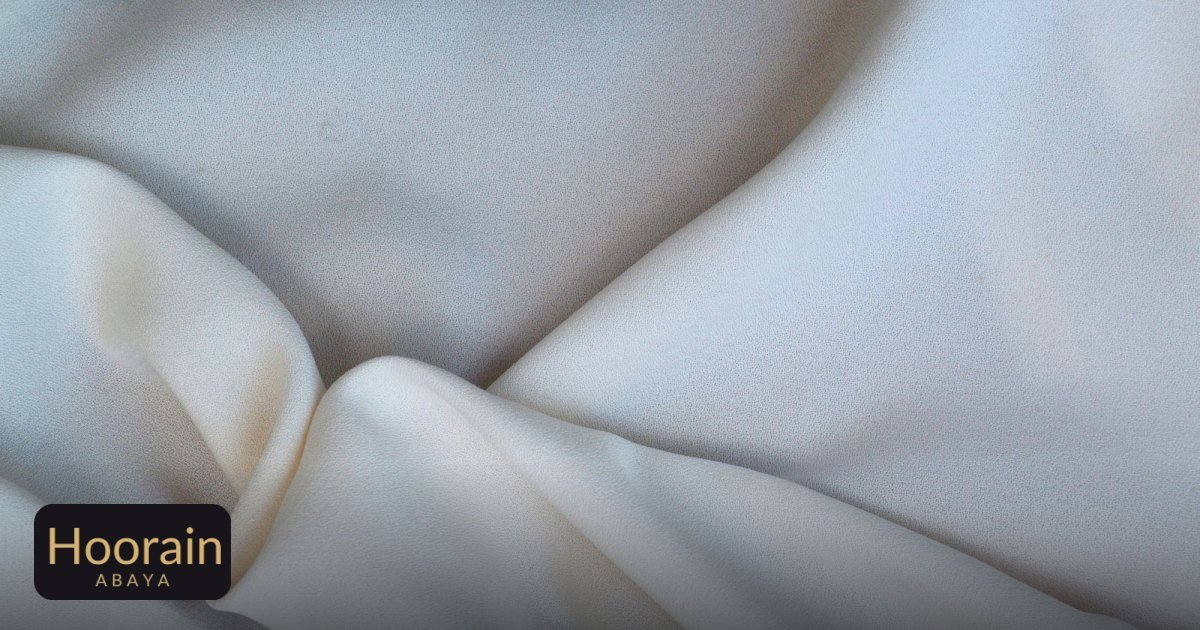
    Choosing the right fabric is essential for an abaya that feels as good as it looks, especially in the Gulf’s demanding climate. Below we explore how crepe, silk and linen perform against the heat, humidity and occasional breezy evenings, helping you select the best abaya fabrics for GCC climate.

    Understanding GCC Climate and Fabric Needs

    The Gulf Cooperation Council (GCC) region experiences long, scorching summers with daytime temperatures frequently soaring above thirty degrees Celsius, accompanied by low humidity in coastal cities such as Abu Dhabi and higher moisture levels in places like Dubai during the summer months. Winter evenings are milder, offering a pleasant drop in temperature that invites lighter layering. Consequently, an ideal abaya fabric must balance breathability, moisture‑wicking ability and a degree of drape that maintains modesty without clinging.

    Key fabric attributes to consider include:

    • Air permeability: Enables heat to escape, reducing the feeling of stickiness.
    • Moisture management: Fabrics that absorb sweat and dry quickly keep the wearer comfortable.
    • Weight and drape: Light to medium weight ensures ease of movement while preserving the graceful flow expected of an abaya.
    • UV resistance: Natural fibres often provide a modest level of protection against harsh sunlight.

    By aligning these characteristics with personal style preferences, you can enjoy both elegance and practicality throughout the year.

    Crepe: Lightweight Elegance for Hot Days

    Crepe is a popular choice for everyday abayas due to its soft, slightly crinkled texture that adds visual interest without adding bulk. The fabric is typically woven from polyester, viscose or a blend, resulting in a lightweight material that drapes beautifully over the body. Its inherent breathability makes it suitable for the GCC’s hot days, as air can circulate through the fine weave, helping to dissipate heat.

    One of crepe’s strengths lies in its moisture‑wicking capability; the fibres draw sweat away from the skin and evaporate it quickly, keeping the wearer feeling dry. Additionally, crepe resists wrinkling, meaning an abaya maintains a polished appearance even after a long day of travel or meetings. The fabric’s subtle sheen adds a touch of sophistication, allowing it to transition seamlessly from casual daytime outings to more formal evening events.

    When selecting crepe, consider the fibre composition: viscose‑rich blends tend to feel cooler, while polyester‑dominant versions offer greater durability and colour retention.

    Silk: Luxurious Comfort in Humid Conditions

    Silk, renowned for its natural luster and smooth hand feel, offers a unique blend of luxury and practicality for the GCC’s occasional humid spells. The protein‑based fibres are inherently breathable, allowing air to pass through while retaining a gentle warmth that prevents the fabric from clinging to the skin when humidity rises.

    Silk’s excellent moisture‑absorption properties enable it to manage perspiration effectively; it can hold up to a third of its weight in water without feeling damp, then releases the moisture gradually as it dries. This quality makes silk abayas comfortable during evenings when the sea breeze brings higher moisture levels, especially in coastal areas.

    Despite its delicate reputation, modern silk blends—often combined with a small percentage of polyester or nylon—enhance durability and reduce the risk of snagging, while preserving the fabric’s signature sheen. Careful handling, such as gentle hand washing or professional dry cleaning, ensures the longevity of the luxurious finish.

    Linen: Breathable Choice for Summer Heat

    Linen, derived from the flax plant, stands out as the most breathable natural fibre, making it an excellent candidate for the intense summer heat across the GCC. Its loosely woven structure creates ample channels for air flow, allowing heat to escape and keeping the wearer cool even when temperatures climb well above thirty degrees Celsius.

    Attribute Linen Crepe Silk
    Air permeability Very high Moderate Good
    Moisture absorption Excellent Good Very good
    Weight Light to medium Light Light
    Wrinkle tendency Prone to creasing Resistant Low

    While linen does wrinkle easily, this natural texture is often embraced as part of its relaxed aesthetic, especially for casual or semi‑formal abayas. The fabric also possesses natural antibacterial properties, which help maintain freshness during long, hot days. For added structure, designers may incorporate a light interfacing or blend linen with a small amount of cotton, ensuring the abaya retains its shape without sacrificing breathability.

    Comparing Care and Durability of Creape, Silk and Linen

    When selecting an abaya for the hot, humid climate of the GCC, the way a fabric responds to everyday wear and washing is as important as its visual appeal. Crepe, with its tightly twisted yarns, offers a resilient surface that resists wrinkling and holds colour well. It tolerates gentle machine cycles on a cold setting, and a brief hand‑wash in lukewarm water is sufficient for most stains. Over‑time, crepe maintains its drape without becoming brittle, making it a reliable choice for daily wear.

    Silk, by contrast, is a natural protein fibre that feels luxuriously smooth but demands more delicate handling. It should be hand‑washed or dry‑cleaned to preserve its sheen; harsh detergents or high temperatures can cause fibre loss and a dull finish. In the GCC heat, silk may feel warm against the skin, and repeated exposure to salt‑laden sea breezes can accelerate fading if not properly protected.

    Linen, derived from flax, is celebrated for its breathability and strength. It thrives on regular machine washes at moderate temperatures and becomes softer with each wash. While linen wrinkles easily, this is often embraced as part of its casual charm. In terms of longevity, a well‑maintained linen abaya can outlast both crepe and silk, especially when stored away from direct sunlight.

    Styling Tips for Each Fabric in Modest Fashion

    Understanding how each material behaves helps you pair it with the right accessories and silhouettes for modest ensembles.

    • Crepe: Its fluid drape works beautifully with layered looks – think a long‑sleeved, high‑neck top underneath and a wide‑leg abaya that glides gracefully. Pair with structured leather sandals and a slim belt to accentuate the waist without adding bulk.
    • Silk: Opt for sleek, minimalist cuts that let the fabric’s natural sheen speak for itself. A silk abaya in a muted pastel pairs well with delicate gold jewellery and soft, pointed toe flats. Avoid heavy embellishments that can weigh down the light fabric.
    • Linen: Embrace relaxed tailoring – a slightly oversized silhouette, subtle pleats, or a wrap‑style abaya enhances linen’s casual elegance. Complement with woven straw bags, wooden jewellery, and low‑heeled espadrilles for a breezy, daytime‑ready look.

    In all cases, consider the climate: lighter colours reflect heat, while modest layering with breathable fabrics ensures comfort without compromising style.

    Verdict: Choosing the Best Abaya Fabric for Your Lifestyle

    For professionals who need a polished appearance throughout long workdays, crepe offers the perfect blend of durability and low‑maintenance care. Its resistance to wrinkling means you can travel from Dubai’s office towers to Doha’s desert retreats without constant ironing, and the fabric’s modest drape works well with both fitted and flowing cuts.

    If you attend formal events or prefer an elevated, luxurious feel, silk remains the go‑to choice – provided you’re willing to invest time in gentle cleaning and storage. Its natural luster adds an instant touch of sophistication to evening gatherings in Abu Dhabi or Riyadh.

    Those who prioritise comfort, sustainability, and a relaxed aesthetic will find linen unrivalled. Its breathability keeps you cool during the scorching summer months, and its robust nature ensures the garment ages gracefully, making it ideal for weekend outings, family gatherings, or casual office environments.

    Ultimately, the “best” fabric aligns with how you balance maintenance, climate comfort, and the occasions you dress for. By matching the fabric’s inherent qualities to your daily routine, you’ll enjoy an abaya that looks elegant and feels appropriate for the GCC climate year after year.

    Explore the full range in our abaya collection to find your next piece.

    Frequently Asked Questions

    Which fabric is most breathable for daily wear in the UAE?

    Linen offers the highest breathability, making it ideal for everyday wear in hot, humid conditions.

    Can silk abayas be worn comfortably during the summer?

    Silk can be comfortable if it’s a lightweight, natural silk blend that allows airflow, but it may feel warmer than linen.

    How does crepe perform in terms of wrinkle resistance?

    Crepe tends to resist wrinkles better than linen, maintaining a smooth appearance with minimal ironing.

    What is the best way to care for a linen abaya?

    Gentle hand wash or a delicate machine cycle with cold water, followed by air‑drying, preserves linen’s softness and shape.

    Is it advisable to mix fabrics, like a silk‑lined crepe abaya, for the GCC climate?

    Combining a breathable outer fabric such as crepe with a silk lining can add comfort and a touch of luxury while still managing heat.

    Shop the collection at Hoorain Abaya →
  • Seasonal Abaya Fabrics UAE: Winter vs Summer Guide

    Seasonal Abaya Fabrics UAE: Winter vs Summer Guide

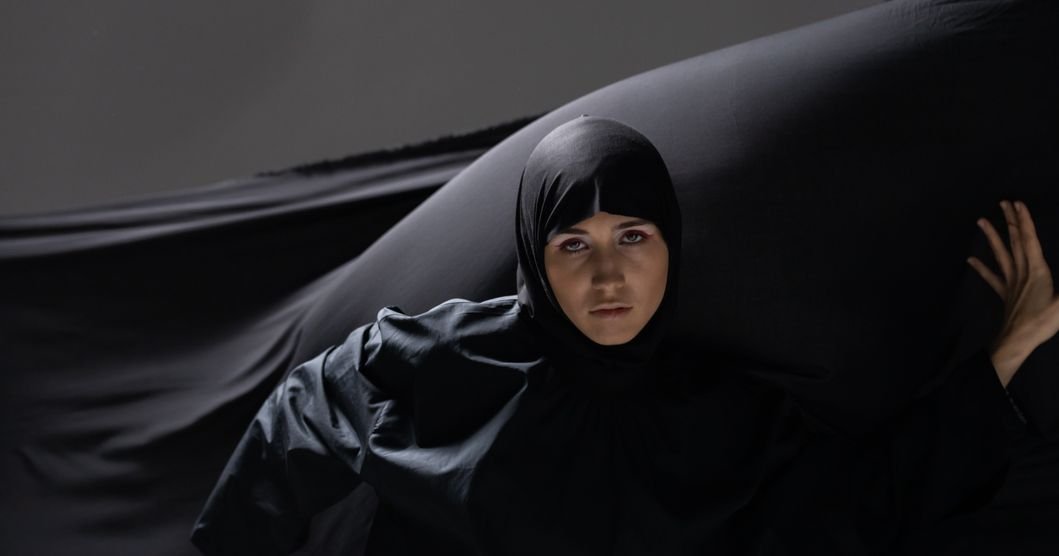
    Choosing the right abaya fabric is essential for staying comfortable and stylish throughout the year in the UAE. The country’s climate shifts dramatically between scorching summer days and surprisingly cool winter evenings, meaning your wardrobe must adapt accordingly. Below we explore how to match fabrics to each season, ensuring you look elegant while feeling at ease.

    Understanding UAE Climate and Its Impact on Fabric Choice

    The UAE experiences a desert climate characterised by hot, humid summers and mild, breezy winters. Summer temperatures often soar above thirty degrees Celsius, accompanied by high humidity along the coast, which can make heavy fabrics feel oppressive. Conversely, winter brings daytime temperatures in the low twenties, dropping to single digits after sunset, especially in inland areas. These fluctuations dictate the breathability, weight, and thermal properties required of an abaya.

    In summer, fabrics that allow air to circulate and wick moisture are paramount. Natural fibres such as cotton and linen excel at this, while synthetics like rayon can offer a lightweight drape without trapping heat. During winter, the goal shifts to retaining warmth without sacrificing modesty; this is where woven wools, blended knits, and heavier crepes become valuable.

    Beyond temperature, the UAE’s cultural emphasis on modesty means that fabric opacity and flow remain crucial year‑round. Selecting the appropriate material ensures that an abaya not only respects tradition but also responds intelligently to the climate’s demands.

    Lightweight Fabrics Ideal for UAE Summer

    When the sun blazes, the priority is breathability and moisture management. Cotton poplin, with its crisp texture, allows air to move freely and dries quickly after perspiration. Linen, renowned for its natural cooling effect, offers a slightly looser drape that encourages ventilation, making it a favourite for casual outings and weekend markets.

    Silk blends, particularly those mixed with viscose, provide a luxurious sheen without the weight of pure silk, allowing heat to escape while maintaining an elegant silhouette. Rayon, a semi‑synthetic fibre, mimics the softness of cotton but with a smoother finish, making it suitable for more formal summer events where a polished look is desired.

    For those seeking a modest yet contemporary aesthetic, chiffon overlays in pastel tones add a light, airy layer without adding bulk. These fabrics are often paired with hidden mesh linings to preserve modesty while enhancing comfort.

    Fabric Breathability Typical Use
    Cotton Poplin High Everyday casual
    Linen Very High Resort & daytime
    Rayon Blend Medium‑High Office & formal
    Silk‑Viscose Medium Evening occasions

    Choosing any of these lightweight options ensures that the abaya remains comfortable, modest, and stylish even during the most sweltering days.

    Warm and Breathable Fabrics for UAE Winter

    Winter in the UAE calls for fabrics that provide gentle insulation while still allowing the skin to breathe. Wool‑blended crepes combine the softness of crepe with the warmth of wool, creating a smooth surface that drapes beautifully without feeling heavy. These are ideal for office environments and evening gatherings where a refined appearance is essential.

    Knitted jersey, especially when mixed with modal or bamboo fibres, offers a cosy texture that traps body heat yet remains breathable, preventing the clammy feeling that can accompany overly thick materials. For a more structured look, heavyweight polyester twill provides durability and a subtle sheen, making it suitable for formal occasions and outdoor events.

    Another winter favourite is cashmere‑infused viscose. The cashmere adds a plush, insulating layer, while viscose ensures the fabric remains lightweight and fluid. This combination is perfect for layered abayas that transition from day to night without sacrificing elegance.

    When selecting winter fabrics, consider the garment’s lining as well; a soft cotton or bamboo inner layer can enhance comfort and add an extra barrier against the chill.

    Layering Techniques for Transitional Weather

    Transitional periods—late autumn and early spring—require a strategic approach to layering, allowing you to adapt quickly to temperature swings. Start with a base layer of a breathable, moisture‑wicking fabric such as lightweight jersey or bamboo cotton; this keeps the skin dry and adds a subtle warmth.

    Over the base, drape a mid‑weight cardigan or a tailored blazer made from a woven blend like polyester‑viscose. These pieces provide structure and moderate insulation without bulk. For added versatility, a detachable shawl or a sheer voile scarf can be wrapped around the shoulders, offering extra coverage during cooler evenings while being easy to remove when the sun returns.

    • Choose neutral colours for the base layer to mix and match effortlessly.
    • Opt for open‑front designs on the outer layer to facilitate airflow.
    • Incorporate subtle embellishments—such as mother‑of‑pearl buttons or delicate embroidery—to elevate the look without compromising comfort.

    By mastering these layering techniques, you can enjoy seamless transitions between the UAE’s fluctuating temperatures while maintaining the modest elegance that defines Hoorain Abaya’s collections.

    Colour and Print Trends Across Seasons

    When the desert sun blazes in summer, the palette drifts towards light, airy tones that reflect heat and maintain a sense of calm. Soft ivory, pastel sand, muted blush and cool aqua dominate the runways, often paired with subtle, nature‑inspired prints such as delicate palm fronds or abstract water‑colour motifs. These hues not only complement the bright sky but also help to keep the wearer feeling refreshed.

    Winter in the UAE, by contrast, invites richer, deeper shades that echo the cooler evenings and festive ambience. Emerald green, deep burgundy, midnight navy and warm caramel are currently favoured, frequently accentuated with intricate geometric or floral prints that add texture without overwhelming the silhouette. Metallic threadwork and tonal embroidery have also become popular, offering a touch of luxury that resonates with the season’s celebratory mood.

    Designers are increasingly playing with contrast, pairing a light‑base summer abaya with a bold, dark‑coloured lining that reveals itself only when the wearer moves. This dual‑tone approach provides versatility, allowing a single piece to transition smoothly from day to night, from summer heat to winter chill.

    Caring for Seasonal Fabrics to Preserve Longevity

    Summer fabrics such as chiffon, voile and lightweight cotton blends thrive on gentle handling. Hand‑wash in cool water with a mild, pH‑balanced detergent, then lay flat to dry away from direct sunlight to prevent colour fading. For printed designs, turn the abaya inside out before washing to protect the surface pattern.

    Winter fabrics—think wool blends, heavyweight crepe and silk‑rich satins—require a slightly different regimen. Use a wool‑safe detergent and wash on a delicate cycle, or better still, opt for professional dry‑cleaning to maintain the integrity of the fibres and any embellishments. Store these pieces on padded hangers in a breathable garment bag to avoid crushing the drape.

    • Check care label before any cleaning method.
    • Avoid excessive heat when ironing; use a low‑steam setting.
    • Spot‑test stains with a gentle solution before full treatment.
    • Rotate your wardrobe seasonally to give fabrics a rest period.

    Regularly brushing off dust with a soft garment brush will also keep the fabric surface smooth and ready for the next occasion.

    Verdict: Choosing the Perfect Seasonal Abaya

    Selecting an abaya that aligns with the UAE’s climatic rhythm begins with understanding the fabric’s breathability and weight. For the scorching summer months, prioritise natural fibres such as linen‑cotton blends or airy synthetics that allow air to circulate, keeping the wearer comfortable during long outdoor outings. Look for designs with subtle slits or open backs that enhance ventilation without compromising modesty.

    When winter arrives, shift focus to fabrics that provide warmth while retaining elegance. Heavier crepes, soft wools and silk blends offer a gentle insulation, and they drape beautifully over the body, creating a regal silhouette. Incorporating a lined interior or a detachable inner layer can add extra warmth without sacrificing style.

    Ultimately, the perfect seasonal abaya balances aesthetic trends with functional comfort. By choosing colours that echo the current palette, respecting the care instructions, and matching fabric weight to the temperature, you ensure a timeless piece that looks fresh season after season.

    For more on this, see our guide on Best Lightweight Fabrics for Summer Abayas in Dubai & UAE.

    Explore the full range in our abaya collection to find your next piece.

    Frequently Asked Questions

    What fabric is most comfortable for a summer abaya in the UAE?

    Lightweight, breathable fabrics such as cotton, linen and fine jersey allow air flow and keep you cool in the intense summer heat.

    Can I wear a wool abaya during UAE winter?

    Yes, lightweight wool blends provide warmth without excessive weight, making them suitable for the milder UAE winter evenings.

    How should I layer an abaya for the cooler evenings in winter?

    Pair a thin, long‑sleeve top or a fitted cardigan under the abaya, and add a light shawl or pashmina for extra warmth when needed.

    Are printed fabrics appropriate for both seasons?

    Printed fabrics work well year‑round; choose lighter prints on breathable material for summer and richer hues on thicker weaves for winter.

    What is the best way to care for summer fabrics like linen?

    Gentle hand wash or a delicate machine cycle with cool water, followed by air‑drying, helps maintain the fabric’s softness and shape.

    Shop the collection at Hoorain Abaya →
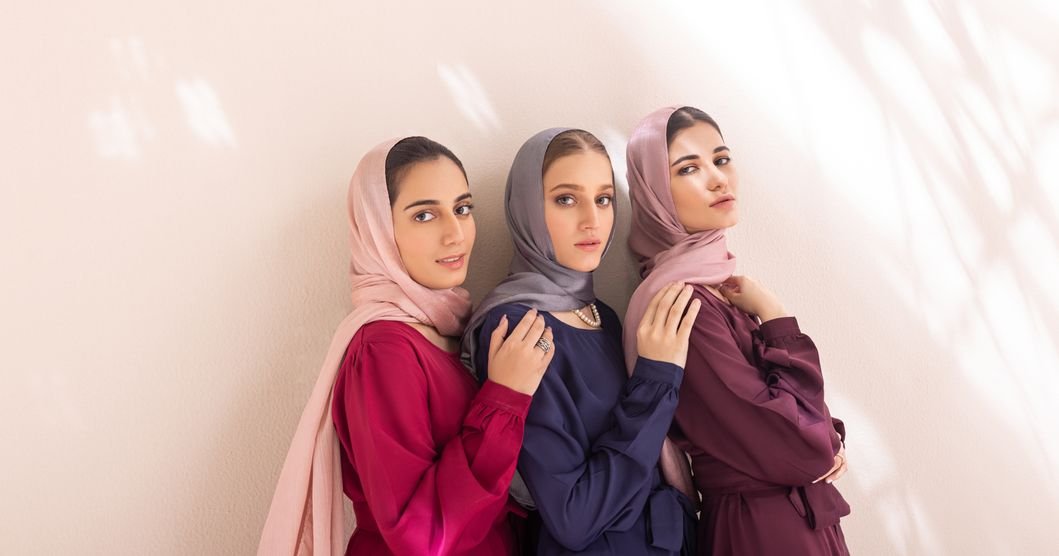
  • Best Lightweight Fabrics for Summer Abayas in Dubai & UAE

    Best Lightweight Fabrics for Summer Abayas in Dubai & UAE

    Best Lightweight Fabrics for Summer Abayas in Dubai & UAE

    As the mercury rises in the United Arab Emirates, often soaring past 45°C, the challenge for the modern Emirati woman and expatriate residents alike is maintaining the grace of modest attire while managing the intense heat. The abaya is a symbol of elegance and cultural identity, but during the peak of the Gulf summer, the choice of material becomes a matter of physical comfort and health. Selecting the right summer abaya fabrics Dubai requires an understanding of textile science, breathability, and the specific climate conditions of the region, which include both dry desert heat and high coastal humidity.

    In this comprehensive guide, we explore the premier breathable abaya materials UAE fashionistas swear by. We will delve into why certain weaves outperform others and how you can stay cool without compromising on the opacity or flow of your garment.

    The Science of Staying Cool in Modest Wear

    Before selecting a fabric, it is essential to understand why some materials feel like a second skin while others feel like a sauna. In the UAE, heat management in clothing relies on two primary factors: breathability (air permeability) and moisture-wicking capabilities. Breathable fabrics allow air to move through the fibres, facilitating the evaporation of sweat from the skin. This evaporative cooling is the body’s natural way of regulating temperature.

    Furthermore, the weight of the fabric, measured in GSM (Grams per Square Metre), is a critical indicator of summer suitability. For the UAE summer, fabrics with a low GSM are preferred, provided they maintain enough density to remain opaque. A well-constructed abaya should offer a loose fit, creating a chimney effect where hot air rises and escapes through the neck and sleeve openings, replaced by cooler air drawn in from the bottom.

    1. Linen: The Gold Standard for Desert Heat

    The linen abaya Dubai trend is not merely a fashion statement; it is a practical response to the environment. Linen is derived from the flax plant and is one of the oldest textiles in the world. Its unique molecular structure allows it to absorb up to 20% of its weight in moisture before even feeling damp. This makes it an exceptional choice for the humid months of July and August in the UAE.

    Why Linen Works for UAE Summers

    • High Conductivity: Linen has natural heat-conducting properties, meaning it allows heat to escape the body faster than most other fabrics.
    • Durability: Despite being lightweight, linen is incredibly strong and becomes softer with every wash.
    • Anti-Bacterial: It is naturally resistant to bacteria, which helps in preventing odours during long days outdoors.

    When shopping for a linen abaya, look for “pure linen” or “Irish linen” for the best quality. While linen is prone to wrinkling, many designers in Dubai now offer linen-viscose blends that retain the cooling properties while offering a more polished, crease-resistant finish.

    2. Nada (Nida) Fabric: The Classic Reimagined

    Nada fabric remains the most popular choice for traditional abayas due to its luxurious sheen and buttery texture. However, not all Nada is created equal. For the hotter months, it is vital to source a specific nada fabric abaya summer variant. High-quality Japanese Nada is significantly more breathable than cheaper polyester alternatives often found in mass-market outlets.

    Identifying Summer-Weight Nada

    Summer-weight Nada is exceptionally fine and lightweight. It drapes beautifully, moving with the wind, which aids in air circulation. It is a synthetic fibre, but the high-end Japanese versions are engineered with microscopic pores to allow for better airflow. It is the preferred choice for formal occasions where the matte-yet-silky finish of Nada provides a more sophisticated look than cotton or linen.

    3. Cotton Lawn and Poplin: Essential Breathability

    Cotton is a staple, but for an abaya, the weave must be carefully chosen. Standard heavy cotton can become sodden with sweat and feel heavy. Instead, look for Cotton Lawn or Cotton Poplin. Cotton Lawn is a plain weave textile made from fine, high-thread-count yarns, resulting in a silky, untextured surface that is incredibly light.

    In the context of breathable abaya materials UAE, cotton lawn is highly prized for its ability to stay cool even in direct sunlight. Because it is a natural fibre, it does not trap heat against the skin. Many everyday “workwear” abayas in the UAE utilize cotton blends to provide the structure needed for a professional look while ensuring the wearer does not overheat during the commute.

    4. Bamboo Fabric: The Eco-Friendly Cooling Alternative

    Bamboo is a relatively new entrant to the Dubai abaya scene but is rapidly gaining traction. Bamboo viscose is exceptionally soft—often compared to silk—and possesses natural thermoregulating properties. It can keep the wearer significantly cooler than cotton in high temperatures.

    Bamboo is also highly absorbent and wicks moisture away from the skin three to four times faster than cotton. For women with sensitive skin, bamboo is hypoallergenic and provides a soothing feel, which is essential when the skin is prone to heat rashes or irritation from the sun.

    5. Chiffon and Georgette: The Art of Layering

    While chiffon is sheer, it is a vital component of summer modest fashion when used as an outer layer or in a multi-layered design. High-quality silk chiffon or fine synthetic Georgette is extremely light and allows for maximum air movement. In the UAE, chiffon is often used for “Butterfly” or “Bisht” style abayas, where the sheer volume of fabric creates a cooling breeze as you walk.

    When choosing a chiffon abaya for summer, ensure the inner lining is made of a breathable material like cotton voile or a light rayon. Using a polyester lining under a chiffon abaya defeats the purpose of the lightweight outer layer.

    Fabric Comparison for UAE Summers

    To help you decide which material suits your lifestyle best, refer to the comparison table below:

    Fabric Type Breathability Rating Durability Best Occasion Maintenance
    Linen Excellent High Casual / Daily Wear Needs frequent ironing
    Japanese Nada Moderate-High Very High Formal / Evening Easy wash and wear
    Cotton Lawn Excellent Medium Work / Errands Gentle machine wash
    Bamboo Viscose Superior Medium Travel / Loungewear Delicate wash required
    Silk Georgette High Low Occasions / Events Dry clean only

    The Importance of Colour in Heat Management

    While black is the traditional and most common colour for abayas in the UAE, physics dictates that dark colours absorb more thermal energy from sunlight. However, there is a nuance: while black absorbs more heat from the sun, it also absorbs heat from the body, and if there is even a slight breeze, a loose black garment can actually be cooler than a tight white one.

    For those spending significant time outdoors, many summer abaya fabrics Dubai collections now feature light neutrals, pastels, and “cool” tones like sage green, dusty blue, and stone grey. These colours reflect a larger portion of the solar spectrum, keeping the fabric surface cooler to the touch.

    Design Features That Enhance Cooling

    The fabric is only half the battle; the cut of the abaya plays a significant role in how it handles the heat. In the UAE, certain silhouettes are naturally better for summer:

    The Butterfly (Farasha) Cut

    The Farasha style uses a significant amount of fabric but is stitched only at the sides, leaving a wide, open space for air to circulate around the torso. This design is perfect for lightweight fabrics like chiffon or thin Nada.

    The Open Abaya

    The open-front abaya, worn over a lightweight slip dress, allows for better ventilation than a closed kaftan style. By choosing a sleeveless or short-sleeved inner dress made of cotton, and a lightweight linen abaya Dubai style overcoat, you create a layered system that manages heat effectively.

    Wide Sleeves

    Narrow, fitted sleeves trap heat at the pulse points of the wrists. Opt for bell sleeves or wide kimono-style sleeves to allow air to flow up the arms, which significantly aids in cooling the entire body.

    Maintaining Your Summer Abayas

    The harsh UAE sun and the fine desert dust can take a toll on delicate fabrics. To ensure your breathable abaya materials UAE last through the season, follow these maintenance tips:

    • Wash in Cold Water: Hot water can break down the fibres of linen and cotton, and can damage the finish of high-end Nada fabric.
    • Avoid Direct Sunlight when Drying: While it may be tempting to dry clothes quickly outside, the intense UV rays can bleach the colour out of your abaya in hours. Dry your garments indoors or in a shaded, well-ventilated area.
    • Use Mesh Laundry Bags: For delicate materials like bamboo or chiffon, use a mesh bag to prevent snagging during the wash cycle.
    • Steam instead of Iron: A steamer is gentler on lightweight fabrics and is particularly effective for linen, which can be difficult to iron perfectly flat.

    Where to Find the Best Summer Abayas in Dubai

    Dubai is the global hub for modest fashion, offering everything from high-street options to bespoke couture. For the best summer abaya fabrics Dubai has to offer, consider exploring the following areas:

    1. Naif Souq and Murshid Bazaar: Excellent for sourcing raw fabrics if you prefer to have your abayas custom-tailored. You can find high-quality Japanese Nida and various weights of linen here.
    2. Jumeirah and Al Wasl Road: Home to many independent boutiques that specialise in modern, experimental fabrics like bamboo and tencel.
    3. Dubai Mall and Mall of the Emirates: For high-end, designer abayas that use the finest luxury summer fabrics.

    Conclusion: Choosing Your Perfect Summer Shield

    Surviving the UAE summer in style is entirely possible with a strategic approach to your wardrobe. By prioritizing summer abaya fabrics Dubai like linen, high-grade Nada, and cotton lawn, you can ensure that your clothing works with the environment rather than against it. Remember to look for loose silhouettes, lighter colours where appropriate, and always check the fabric composition before purchasing.

    Investing in high-quality, breathable abaya materials UAE is an investment in your daily comfort and well-being. Whether you are heading to a business meeting in DIFC or a casual lunch in JBR, the right fabric will keep you feeling fresh, confident, and elegantly modest throughout the hottest months of the year.

    What is the coolest fabric for an abaya in 50-degree heat?

    Pure linen is widely considered the coolest fabric for extreme heat due to its high breathability and ability to wick moisture away from the skin. For more formal needs, a very high-quality, lightweight Japanese Nada fabric also performs well by allowing air circulation.

    Does black fabric make you hotter in the Dubai sun?

    While black absorbs more heat from the sun, it also helps move body heat away from the skin. In a loose-fitting abaya, the difference is minimal. However, many find that light-coloured fabrics like beige, cream, or light grey feel cooler when spending long periods directly under the sun.

    How can I tell if a Nada fabric abaya is suitable for summer?

    Summer-weight Nada is exceptionally thin and has a cool-to-the-touch feel. Hold the fabric up to the light; it should be opaque but fine. It should also feel very light in your hand compared to standard winter-weight abayas. Genuine Japanese Nada is usually superior for summer compared to other varieties.

    Can I wear a linen abaya for formal occasions?

    Yes, linen has become very trendy for formal wear in Dubai. To make a linen abaya look more formal, choose one with delicate embroidery, lace trimmings, or a tailored cut. Darker dyed linen can also appear more formal than natural flax-coloured linen.

    Why is my cotton abaya making me feel sweaty?

    If the cotton is a heavy weave or a thick twill, it may trap heat. Additionally, many “cotton” abayas are actually cotton-polyester blends. If the polyester content is high, it will trap heat. Look for 100% cotton lawn or poplin for the best summer experience.

    For more on this, see our guide on Best Lightweight Fabrics for Summer Abayas in the UAE Heat.

    Explore the full range in our abaya collection to find your next piece.

    Shop the collection at Hoorain Abaya →
  • Top Sustainable Abaya Fabrics GCC: The 2026 Style Guide

    Top Sustainable Abaya Fabrics GCC: The 2026 Style Guide

    As the GCC fashion landscape shifts towards a more mindful future, the demand for eco-friendly materials has transformed the traditional wardrobe. At Hoorain Abaya, we are witnessing a significant transition where elegance and environmental responsibility coexist seamlessly. This guide explores the premium textiles defining the next era of modest luxury.

    The Evolution of Conscious Modesty in the GCC

    The GCC region has long been a global hub for luxury fashion, but the current era marks a profound shift towards what we define as conscious modesty. Modern Khaleeji women are increasingly seeking garments that reflect their personal values, moving away from mass-produced synthetic blends towards sustainable abaya fabrics GCC that respect the planet. This evolution is not merely a passing trend; it is a sophisticated return to the appreciation of craftsmanship and quality that defines the heritage of the region.

    Sustainability in the Middle East is now synonymous with durability and timelessness. A high-quality abaya is viewed as a significant investment piece, designed to last for years rather than a single season. This mindset shift has encouraged designers to explore innovative textiles that offer the same regal drape as traditional silks but with a significantly lower environmental footprint. By choosing longevity over fast fashion, the modern consumer is actively reducing textile waste.

    Furthermore, the unique desert climate necessitates fabrics that offer superior thermal regulation. By prioritising natural and recycled fibres, the industry is addressing both the functional needs of the wearer and the global urgency for environmental preservation. This synergy between tradition and innovation is defining the new standard for the GCC’s modest fashion sector, ensuring that cultural identity and ecological stewardship go hand in hand.

    Organic Cotton: Breathable Comfort for Desert Climates

    When navigating the intense heat of the UAE and surrounding Gulf states, organic cotton has emerged as a premier choice for daily wear. Unlike conventional cotton, which relies heavily on synthetic fertilisers and vast amounts of water, organic varieties are cultivated using methods that maintain soil fertility and reduce toxic runoff. This makes it a kinder choice for the Earth and a significantly healthier option for the skin, especially in high temperatures.

    The tactile experience of organic cotton is unparalleled for the modest woman. It offers a soft, hypoallergenic finish that prevents irritation during the peak summer months when humidity levels can be challenging. Its natural breathability allows for optimal airflow, ensuring that even multi-layered abaya designs remain cool and comfortable throughout the day. This functional superiority is a key reason for its rising popularity in the regional market.

    In terms of aesthetics, organic cotton provides a crisp, structured silhouette that is perfect for contemporary, minimalist abaya styles. Whether it is a casual morning ensemble or a sophisticated office look, this fabric maintains its integrity and colour vibrancy over time. By choosing organic cotton, wearers contribute to a cleaner ecosystem while enjoying a fabric that truly understands the demands of a desert lifestyle. It represents a perfect balance of practicality and ethical fashion.

    Tencel and Lyocell: The Silky Sustainable Alternative

    Tencel and Lyocell have revolutionised the luxury abaya market by providing a botanical alternative to traditional silk. Derived from sustainably sourced wood pulp, these fibres are processed in a closed-loop system that recycles water and solvents at an exceptionally high rate. The result is a fabric that possesses a sophisticated sheen and a fluid drape, mimicking the high-end feel of silk without the ethical complexities often associated with traditional sericulture.

    These fabrics are particularly celebrated in the GCC for their moisture-wicking properties. They are significantly more absorbent than cotton, making them ideal for maintaining freshness in humid coastal cities like Dubai or Abu Dhabi. The smooth surface of the fibre also ensures that the fabric glides over the skin, offering a sensation of effortless luxury that is essential for formal evening abayas and special occasions.

    Fabric Type Breathability Texture Environmental Impact
    Tencel / Lyocell Excellent Silky and Fluid Minimal (Closed-loop)
    Traditional Polyester Low Synthetic and Stiff High (Petroleum-based)
    Organic Cotton High Soft and Crisp Low (Pesticide-free)

    The versatility of Tencel allows for intricate detailing, from delicate embroidery to sharp pleating. It holds dyes exceptionally well, resulting in deep, rich tones that do not fade easily under the strong Gulf sun. This longevity ensures that each garment remains a staple in a woman’s wardrobe for many years, reinforcing the principles of circular fashion and reducing the need for frequent replacements.

    Recycled Crepe: Circular Fashion Meets Traditional Draping

    Crepe has always been a cornerstone of abaya design due to its unique pebbled texture and graceful movement. In 2026, the focus has shifted towards recycled crepe, which is typically crafted from post-consumer plastic waste or reclaimed textile scraps. This innovation allows designers to maintain the classic aesthetic of a high-quality crepe abaya while actively reducing the amount of waste sent to landfills, aligning with regional sustainability goals.

    The performance of recycled crepe is indistinguishable from its virgin counterparts. It offers the same weight, opacity, and wrinkle-resistance that GCC women have come to rely on for their daily attire. This makes it an excellent choice for the busy professional who requires a garment that looks pristine from morning meetings to evening social gatherings. The fabric’s resilience ensures it withstands the rigours of frequent wear and cleaning.

    By integrating recycled crepe into their collections, brands are demonstrating that style does not need to be sacrificed for sustainability. The fabric’s ability to hold complex drapes and structured cuts makes it a favourite for both traditional black abayas and more avant-garde, colourful interpretations. It provides a familiar feel while supporting a modern, eco-conscious manufacturing process.

    Ultimately, the rise of recycled crepe represents a significant milestone in the journey towards a circular fashion economy in the Middle East. It proves that the most beloved silhouettes in modest fashion can be reimagined through a lens of environmental stewardship. This ensures that the beauty and cultural significance of the abaya are preserved for future generations, supported by a supply chain that values the planet as much as the final product.

    Bamboo Fibres: Natural Cooling for the Modern Woman

    As climate-conscious tailoring takes centre stage in 2026, bamboo-derived textiles have emerged as a premier choice for sustainable abaya fabrics GCC women adore. Known for its impossibly soft texture and lustrous sheen, bamboo offers an elevated aesthetic that rivals traditional silk while keeping environmental impact exceptionally low. For the modern discerning woman across the Gulf, it represents the ultimate blend of conscious fashion and opulent drape.

    The true magic of bamboo fabric lies in its natural thermoregulating properties. In the intense heat of the UAE and broader GCC region, this remarkable material draws moisture away from the skin, ensuring you remain cool, confident, and perfectly composed throughout the day. Its inherent breathability makes it ideal for fluid silhouette designs without adding unnecessary weight or bulk.

    Furthermore, bamboo cultivates rapidly without requiring chemical pesticides or excessive irrigation, making it a truly renewable resource. At Hoorain Abaya, we harness these silky fibres to create modern silhouettes that flow effortlessly from morning meetings to evening gatherings. Choosing bamboo means embracing bespoke comfort, hypoallergenic softness, and an unyielding commitment to preserving our planet’s natural ecosystems without ever compromising on modest sartorial elegance.

    Linen: The Timeless Choice for Eco-Conscious Luxury

    Linen remains an undisputed classic in high-end modest fashion, celebrated for its organic texture and effortless sophistication. Derived from the resilient flax plant, this natural fibre requires significantly fewer resources to cultivate than conventional cotton, solidifying its place at the heart of sustainable abaya fabrics GCC wardrobes rely upon. Its structured yet gentle weave provides a dignified, fluid silhouette perfect for contemporary everyday wear.

    Beyond its eco-friendly credentials, linen is uniquely suited to the Gulf lifestyle due to its unmatched air permeability. When selecting a linen abaya from Hoorain Abaya, you are investing in a piece that grows softer and more beautiful with every wear and wash, proving that true luxury matures gracefully alongside your personal style journey.

    Key benefits of integrating eco-conscious linen into your wardrobe include:

    • Exceptional breathability that facilitates natural airflow in warm climates.
    • Superior fabric durability that resists wear, extending garment longevity.
    • Minimal environmental footprint due to rain-fed flax cultivation techniques.
    • A distinct textural drape that lends understated luxury to minimal designs.
    • Hypoallergenic qualities ideal for sensitive skin during daily wear.

    By choosing pure linen, modest fashion enthusiasts embrace a grounded, earth-friendly refinement that stands resilient against transient micro-trends.

    The Verdict: Investing in the Future of Modest Fashion

    The evolution of modest attire in 2026 proves that ethical craftsmanship and high fashion are no longer mutually exclusive. As regional tastemakers increasingly prioritise eco-chic principles, discovering the finest sustainable abaya fabrics GCC designers have to offer becomes a rewarding journey toward mindful self-expression. Shifting your wardrobe toward sustainable materials is more than a seasonal choice; it is a lasting commitment to quality, heritage, and environmental stewardship.

    By prioritising thoughtfully sourced textiles such as organic bamboo and pure flax linen, you actively reduce textile waste while elevating your everyday wardrobe. These refined fabrics honour traditional modesty through generous drapes and immaculate tailoring while incorporating advanced, earth-friendly textile innovations that keep you comfortable amidst the region’s distinct climate.

    At Hoorain Abaya, our commitment remains anchored in crafting exquisite garments that blend timeless Gulf elegance with modern sustainability standards. Investing in eco-conscious luxury guarantees that your style story reflects both refined aesthetic taste and deep respect for the planet. Step confidently into the future of GCC modest fashion with pieces designed to endure in beauty, drape, and purpose.

    For more on this, see our guide on Sustainable Abaya Fabrics UAE: Top 10 Choices for 2026.

    Explore the full range in our abaya collection to find your next piece.

    Frequently Asked Questions

    Why are sustainable abaya fabrics GCC gaining popularity?

    As environmental awareness grows across the region, many women are seeking garments that align with their ethical values. These fabrics offer a blend of traditional elegance and modern responsibility, ensuring your wardrobe respects the planet.

    Which sustainable fabric is best for the UAE summer?

    Tencel and bamboo are excellent choices due to their moisture-wicking properties and high breathability. They help regulate body temperature, making them ideal for the intense heat of the GCC summer.

    Is organic silk a viable option for modest wear?

    Yes, organic silk produced through ethical methods provides a luxurious sheen and soft drape without the heavy environmental footprint of conventional silk. It remains a premium choice for evening abayas and special occasions.

    How do I identify genuine sustainable fabrics?

    Look for certifications such as GOTS or OEKO-TEX, which indicate that the textiles meet specific environmental and social standards. High-quality brands will often provide detailed information about the origin and processing of their materials.

    Do sustainable fabrics require special maintenance?

    Most eco-friendly materials benefit from gentle care, such as cold washing and air drying, to preserve their natural fibres. This approach not only protects the fabric but also reduces the energy consumption associated with garment care.

    Shop the collection at Hoorain Abaya →
  • Satin Abaya Styling 2026: Elegant Evening Drapes and Accessories

    Satin Abaya Styling 2026: Elegant Evening Drapes and Accessories

    Mastering satin abaya styling requires a thoughtful balance between high-shine luxury, modest coverage, and the climate realities of Gulf evening occasions. As a stylist guiding women across the UAE, Saudi Arabia, and Qatar, I often observe how high-lustre fabrics bring an effortless sense of celebration to formal gatherings. However, satin’s fluid, light-reflective nature presents distinct styling considerations—from managing cling in air-conditioned majlis rooms to choosing accessories that complement rather than compete with the fabric’s natural sheen. Whether you are styling a fluid silk-charmeuse abaya sourced from an international designer or evaluating structured evening drapes, this guide delivers practical, refined solutions for your 2026 occasion wardrobe.

    How do you style a satin abaya for a Gulf evening?

    To style a satin abaya for a Gulf evening, balance its high-shine surface with matte, structured accessories and a breathable cotton or viscose under-layer. Pair wide-sleeve drapes with micro-texture chiffon sheilas, structured mini bags, and refined gold or silver jewelry. Always spray fragrance before dressing to avoid permanent oil spotting on delicate woven floats.

    Anchor Reflective Surfaces with Matte Accents

    Because satin reflects ambient ballroom and banquet light intensely, framing your look with low-sheen accessories prevents visual overwhelm. A matte suede or textured leather clutch creates a grounding contrast against fluid drapes, while fine-weave matte chiffon sheilas secure a neat frame around the face.

    Prioritise Breathable, Static-Resistant Under-Layers

    When dressing for high-temperature transitions between outdoor valet points and chilled indoor venues, choose a breathable natural-blend slip. Viscose, modal, or lightweight cotton slips prevent the synthetic static cling that often occurs when fluid satin interacts with dry, air-conditioned environments.

    Select Structured Jewellery and Clean Footwear

    Avoid heavily textured or pronged jewellery near the sleeves and neckline, as floating satin yarns snag easily. Opt for smooth architectural cuffs, polished dome earrings, and smooth leather or satin pumps that maintain a sleek, uninterrupted silhouette from shoulder to hem.

    Textile Mechanics: Charmeuse, Crepe-Back, and Weight Considerations

    Understanding the structural composition of satin is essential before investing in or styling high-shine evening garments. Satin is not a raw fiber, but a specific weaving technique where warp yarns float over several weft threads before binding. This structure creates a smooth, lustrous face and a duller reverse side. However, the weight and fiber of the weave dictate how the fabric handles, drapes, and holds up throughout an event.

    Charmeuse vs. Crepe-Back Satin Weaves

    Charmeuse is an extremely lightweight weave, typically weighing under 120 grams per square metre (GSM). It features an exceptionally bright, liquid-like shine on the front and a dull back. While charmeuse moves with dramatic fluidity, its lightweight nature causes it to outline body contours, body heat, and underlying seams. In contrast, crepe-back satin utilizes tightly twisted yarns on the reverse side. This creates a pebbled interior texture and a slightly muted, rich sheen on the face. Crepe-back satins generally weigh between 140 and 180 GSM, offering substantial drape and structural stability that skims rather than clings.

    Evaluating GSM for Modest Evening Drapes

    For an abaya silhouette, fabric weight directly impacts modest coverage. Light fabrics below 120 GSM require full lining or high-opacity slips to avoid revealing the shadow of undergarments under warm event spotlighting. Heavier satins—such as duchess satin or high-density polyester satins exceeding 200 GSM—hold architectural folds beautifully but can feel stiff and trap excess body heat in warm climate settings. Selecting pieces in the 140–170 GSM range ensures graceful drape without sacrificing fluid movement.

    Tailoring and Seam Movement in Fluid Fabrics

    Satin shifts during cutting and sewing, which means side seams and hems can pucker if not tailored with fine ballpoint needles and tension-adjusted stitching. When wearing open-front satin styles, check that the front placket falls straight without rippling. If you prefer a tailored look with crisp lines and satin accents, hybrid fabrications provide excellent durability. For instance, garments crafted with a Satin Trim Crepe body utilize high-grade Matte Crepe for the primary structure while incorporating light-catching satin facings along the cuffs, lapels, or hemline.

    Silhouette and Cut: Achieving Graceful Coverage

    Silhouette is where satin abaya styling is won or lost: the high reflectivity of the weave highlights every fold and seam, so the cut matters more here than in any matte fabric. A well-proportioned cut allows high-shine fabrics to drape freely, creating long, clean vertical lines that catch ambient light gently as you move.

    Sculpted Shoulders and Wide-Sleeve Cuts

    Because fluid satin lacks inherent structural stiffness, silhouettes featuring soft shoulder padding or tailored raglan seams help maintain an upright frame. Wide kimono sleeves or traditional butterfly (Farasha) cuts allow heavy-drape satins to cascade gracefully from the shoulder. To prevent loose sleeves from sliding down the arm during dinner receptions, look for interior elastic wrist loops or modest inner cuff fastenings.

    Open-Front Drapes Worn as Evening Outerwear

    Styling an open-front satin abaya like a lightweight evening coat yields an effortless, multi-layered look. Wearing an open fluid layer over a matte, full-length inner dress creates a striking play on textures. Ensure the open front features a substantial hem bias or facing to prevent the lapels from flipping inside out as you walk.

    Precision Length and Heel Height Calculations

    Fluid fabrics that drag along the floor accumulate dust, catch on shoe buckles, and risk permanent weave pulling. Hems should sit precisely 1.5 to 2 centimetres above the floor while wearing your intended heel height. Reviewing a detailed size guide allows you to map full length measurements—typically ranging from 50 to 62 inches—against your height and footwear choices before finalizing your ensemble.

    Under-Layers, Lining, and Managing Static Cling

    What you wear underneath a high-shine evening drape determines both your comfort and the outer garment’s overall presentation. Synthetic satins are prone to static generation, particularly in dry, heavily air-conditioned hotel ballrooms and private majlis spaces.

    Selecting Breathable Inner Slips

    Avoid pairing polyester satin with synthetic polyester inner slips, as friction between two synthetic layers generates significant static charge. Instead, opt for opaque slips made from natural plant-based fibers such as viscose, modal, or high-grade cotton-silk blends. These fabrics allow air circulation, absorb moisture, and eliminate static cling, ensuring the outer drape hangs freely.

    Static Reduction Techniques for Fluid Fabrics

    If you experience static cling while dressing, several professional styling measures can quickly resolve the issue:

    • Lightly mist the interior slip (not the outer satin) with anti-static spray or purified water from a fine atomizer.
    • Apply a light layer of unscented body lotion to your legs before putting on your inner slip to prevent dry skin friction.
    • Smooth a metal wire hanger down the inside lining of the garment to discharge built-up static electricity before leaving home.
    • Ensure all undergarment seams are flat and seamless to prevent visible ridge lines beneath light-reflective fabrics.

    Managing Cuff and Neckline Modesty

    Fluid high-shine fabrics shift easily with movement. If wearing a wide-collared or deep V-neck cut, wear a matching high-neck inner top or attach a subtle snap button along the inner placket. For sheer or lightweight outerwear, an opaque inner slip in a tonally matched shade provides complete coverage under bright venue lights.

    2026 GCC Palette and Evening Dress Codes

    Evening wear across the GCC in 2026 embraces understated luxury, anchored by rich jewel tones and timeless dark bases. While bright pastel satins can sometimes look washed out under warm tungsten banquet lighting, deeper shades absorb and diffuse light beautifully.

    Jewel Tones and Rich Occasion Shades

    Deep emerald green, rich burgundy, and sapphire blue represent prominent color choices for contemporary evening events. When buying eveningwear across the Gulf market, high-shine jewel tones make a striking choice for grand celebrations. For refined formal styling tips tailored to regional celebrations, explore our guide on wedding guest abaya styling.

    Traditional Deep Neutrals and Midnight Tones

    Traditional black and dark neutral evening wear remains the quintessential choice for formal Gulf gatherings. High-shine black fabric offers dramatic depth, catching ambient light along the edges of every drape while maintaining full visual opacity. Within our house palette, classic tones like Midnight Black, rich Date Brown, and soft Ivory Sand offer sophisticated options across matte and textured weaves.

    Color Harmony Between Outer Layers and Inner Dresses

    When assembling a multi-piece evening look, maintain tonal harmony between your outer drape and inner garments. Pairing a deep jewel-toned outer piece with an inner dress of the exact same color family creates a lengthening, monochromatic line. Alternatively, pairing high-shine dark outer layers with neutral base tones like Ivory Sand creates a subtle, elegant contrast suitable for formal dinners.

    Accessories, Sheila Pairing, and Evening Jewellery

    In satin abaya styling, accessories should complement the intrinsic lustre of the fabric rather than compete with it. Selecting contrasting textures and understated jewelry balances high-shine drapes effectively.

    Selecting Sheila Fabrics to Balance High-Shine

    Pairing a high-shine abaya with a matching glossy headscarf often creates an overly reflective look around the face. Instead, choose a light, matte chiffon or a high-grade Layered Chiffon sheila. The soft, diffuse drape of chiffon softens the transition around your face while allowing the abaya’s lustre to remain the focal point. If you prefer a subtle sheen, a wrap featuring a soft finish, such as Silk-touch Nida, provides an elegant hand-feel with a gentle matte surface.

    Handbags and Footwear Selection

    Avoid embellished shoulder bags with exposed metal chains, zip teeth, or rough sequin detailing, as these instantly pull floating satin threads. Opt for handheld minaudières, structured leather clutches, or smooth satin mini bags carried by hand. Footwear should feature smooth pointed toes, sleek straps, or subtle velvet finishes that do not catch on the bottom hem.

    Jewellery Alignment and Metal Hardware

    Align your jewellery with the tone and hardware of your overall outfit. Pair cool-toned satins or silver-accented garments with white gold or platinum pieces. Warm tones, deep browns, and classic black pair effortlessly with polished yellow gold or pearl jewellery. Choose one bold piece—such as a sculpted gold cuff or refined chandelier earrings—and skip heavy, layered necklaces that disrupt the neckline.

    Navigating Gulf Climate, Humidity, Perfume, and Majlis Seating

    Climate is what separates satin abaya styling in Dubai from satin styling anywhere else, and wearing high-lustre eveningwear in the Gulf presents its own practical challenges. Managing extreme temperature shifts between humid outdoor air and cool indoors, applying traditional fragrances safely, and maintaining smooth fabric during floor seating require careful preparation.

    Perfume and Oud Application Protocols

    Traditional oil-based scents, pure oud oils, and concentrated perfume sprays leave dark, permanent oil rings on high-shine woven fabrics. Satin fibers absorb oils quickly, creating spots that cannot be spot-cleaned without damaging the finish.

    • Apply all solid perfumes, body oils, and concentrated oud directly to your skin at pulse points at least 15 minutes before dressing.
    • Spray alcohol-based fine fragrances onto your skin and hair before putting on your clothes, allowing the spray to dry completely.
    • Never spray fragrance directly onto high-shine fabric surfaces, sleeve cuffs, or sheilas.
    • To scent your clothes safely, place a perfumed ceramic tablet or scented pouch inside your wardrobe where it does not contact the fabric directly.

    Managing Humidity and Majlis Floor Seating

    Stepping out of an air-conditioned car into high humidity can cause fine fibers to absorb moisture, leading to visible creasing when you sit down. When attending majlis events featuring traditional low seating or floor cushions, gather your abaya length smoothly under your thighs before sitting down. This spreads tension evenly across the fabric rather than trapping sharp diagonal creases behind the knees.

    Photography and Event Lighting Considerations

    High-shine satins reflect direct flash photography intensely, which can cause bright blowout spots in professional event photographs. To ensure clean photos, stand angled slightly away from direct flash sources, allowing ambient venue lighting to highlight the fabric’s natural drapes and depth smoothly.

    Fabric Comparison and Hoorain Evening Alternatives

    While full satin abayas offer high-shine allure, they require high maintenance, snag easily, and trap body heat in warm weather. Many women prefer alternative evening fabrics that combine elegant sheen with practical durability, breathability, and ease of care.

    Fabrication Type Lustre & Finish Drape Profile Opacity & Coverage Heat Comfort Crease Resistance
    Charmeuse Satin High Mirror Gloss Fluid / Body-Clinging Semi-Opaque (Requires Slip) Low (Traps Heat) Low to Moderate
    Crepe-Back Satin Medium Soft Sheen Fluid / Medium Weight High Opacity Moderate Moderate
    Hoorain Satin Trim Crepe Matte Body / Gloss Edges Structured Flow Full Opacity High (Breathable Crepe) High
    Hoorain Luxe Organza Crisp Luminous Sheen Architectural Volume Sheer (Requires Slip) High (Airy Flow) High Structure
    Hoorain Jacquard Nida Subtle Tonal Lustre Fluid / Balanced Full Opacity Very High Very High

    The Practical Advantage of Satin Trim Crepe

    For everyday luxury and formal events, Satin Trim Crepe offers an ideal middle ground for the Gulf climate. By featuring a matte crepe main body paired with refined satin detailing along lapels, cuffs, or borders, you enjoy the festive light reflection of satin without worrying about static cling, body tracking, or excessive creasing.

    Architectural Structure: Luxe Organza

    When an evening occasion demands grand volume and dramatic silhouette lines without heavy weight, Luxe Organza provides an outstanding option. For styling inspiration on managing sheer, structured evening drapes, consult our stylist guide on organza abaya styling.

    Fluid Everyday Luxury: Nida Fabrics

    If you prefer a silky, smooth texture against your skin without high gloss, premium Nida variants excel in warmth and durability. Fabrics such as Korean Nida, Premium Nida, and Jacquard Nida offer ultra-soft drapes that resist creasing and breathe comfortably in warm weather. To compare various textile drapes, read our detailed guide on Nida vs crepe vs chiffon abaya fabrics, or browse our formal attire range in the Evening Abaya Collection.

    Care, Maintenance, and Stain Prevention

    Care is the unglamorous half of satin abaya styling: high-lustre fabrics need gentle handling to keep their smooth surface and to prevent water marking. Following correct maintenance protocols preserves the lustre and elegance of your evening pieces for years to come.

    Feathering Water Marks and Spot Treatments

    Water drops on satin leave noticeable dark-edged rings as they dry. Never rub a water stain vigorously, as this roughs up the surface fibers and leaves a permanently dull patch.

    To eliminate a water spot safely, place the dry garment face-down on a soft, clean towel. Dampen a clean microfiber cloth with distilled water, tap the edges of the water spot gently, and feather the moisture outward in expanding circles. This prevents a hard ring from forming as the fabric dries naturally in the shade.

    Washing, Steaming, and Reverse Ironing

    High-value, embellished, or delicate evening garments should always be professionally dry cleaned. For unembellished synthetic pieces that permit hand washing, observe these essential guidelines:

    • Hand wash gently in cool water using a mild liquid silk/delicates detergent; never use harsh stain removers or bleach.
    • Do not wring, twist, or scrub the fabric. Press water out gently by rolling the garment inside a clean white towel.
    • Dry flat away from direct sunlight, which can weaken synthetic fibers and fade deep colors.
    • Always iron on the reverse side using the lowest silk/synthetic heat setting, ideally placing a thin cotton press cloth between the iron and the fabric.
    • When using an upright garment steamer, steam exclusively from the inside of the garment to prevent water droplet spitting on the outer glossy face.

    Proper Storage and Closet Care

    Hang high-shine garments on broad, padded hangers to prevent shoulder dimples. Ensure zip closures, hooks, and beaded garments on neighbouring hangers are covered with breathable cotton garment bags to prevent snagging. For a complete guide on preserving your wardrobe, refer to our comprehensive abaya care and storage guide.

    Frequently Asked Questions

    How do I stop my satin abaya from clinging to my legs?

    Static cling occurs when synthetic fabrics rub together in low-humidity air. Prevent cling by wearing an inner slip made from breathable natural fibers like viscose or modal rather than synthetic polyester. Spritzing anti-static spray lightly on the inside of your slip or applying unscented lotion to your legs before dressing also eliminates friction efficiently.

    Can I remove oil perfume stains from a satin abaya at home?

    Oil perfume stains are exceptionally difficult to remove from delicate satin without dulling its high-shine finish. Avoid scrubbing the spot with soap or harsh stain removers. Instead, sprinkle a small amount of cornstarch or talcum powder over the fresh oil mark, allow it to absorb the oil for two hours, gently brush it away, and take the garment to a professional dry cleaner.

    Is a satin abaya suitable for daytime wearing in the UAE?

    High-gloss satin is traditionally best suited for evening events, receptions, and formal gatherings because its intense sheen reflects strong sunlight aggressively. For daytime wear across the UAE and Gulf region, choose lower-sheen options like Textured Crepe or Matte Crepe featuring subtle satin accents, which offer a refined finish under bright daylight.

    Which sheila fabric looks best with a high-shine abaya?

    Opt for a light, matte chiffon sheila when wearing a high-shine abaya. Pairing glossy drapes with a glossy headscarf creates an overly reflective frame around the face. Matte chiffon, or a fine Silk-touch Nida wrap with a muted finish, creates a soft visual contrast that balances the rich lustre of your outerwear elegantly.

    How should I hem a satin abaya without ruining the drape?

    Hemming fluid, high-shine fabric requires specialized sewing techniques to prevent puckering along the bottom edge. Use a fine ballpoint needle size 70/10, fine polyester thread, and a narrow rolled hem or bias-bound finish. Always hem the piece while wearing your intended evening heels, keeping the fabric precise 1.5 to 2 centimetres above the floor.

    Does Hoorain Abaya stock full-satin abayas?

    Hoorain Abaya does not sell full-satin or pure silk garments. To suit the warm Gulf climate and ensure everyday ease, our evening collections feature breathable, premium fabrications including Korean Nida, Jacquard Nida, Luxe Organza, and Satin Trim Crepe—giving you structured elegance, comfortable heat control, and effortless modest drapes.

    Shop the collection at Hoorain Abaya →
    Related products

  • Organza Abaya Styling 2026: How to Wear Sheer Layers Without Losing Coverage

    Organza Abaya Styling 2026: How to Wear Sheer Layers Without Losing Coverage

    Mastering organza abaya styling allows you to embrace ethereal shine and dramatic volume without compromising your commitment to modest coverage. Because organza is semi-sheer by its very construction, wearing this luminous fabric is entirely an exercise in smart layering, opacity management, and strategic garment design. From a grand wedding reception in Dubai to an intimate family gathering in Riyadh, high-lustre sheer layers can be styled with total confidence. By selecting the right high-coverage slip, choosing thoughtful panel placements, and pairing matte accessories, you can enjoy the regal structure of organza while keeping your silhouette completely covered and elegant.

    How do you approach organza abaya styling without losing coverage?

    Perfecting your foundation requires purposeful base layers.

    The secret to organza abaya styling lies entirely in what you put underneath the sheer layer. When working with semi-sheer layers, your inner slip or base dress stops being a hidden undershirt and becomes a visible, structural element of your outfit. A high-quality full-length slip made from opaque crepe or dense matte weave guarantees that light cannot filter through to your skin, even under intense indoor spotlights or direct afternoon sun.

    Achieving successful organza abaya styling comes down to balancing transparency with dense base fabrics. When you select a full-coverage inner dress, the translucent organza top layer creates a captivating halo effect rather than exposing your body. The outer coat floats away from your frame, giving you dramatic volume and movement while the inner layer keeps every inch of your figure discreetly hidden.

    Strategic opaque panels maintain modesty while showcasing volume.

    Many modern GCC designers design organza garments with built-in modesty solutions. Instead of crafting an entirely see-through coat, pieces frequently feature solid chest panels, lined bodices, or doubled-up fabric across the torso. This construction allows you to enjoy translucent sleeves and floating lower skirts while maintaining absolute opacity across your chest and back.

    Unlike soft, liquid textiles described in a nida vs crepe vs chiffon abaya fabric guide, organza possesses a firm, crisp hand. This structural stiffness holds the semi-sheer fabric away from your body, preventing it from clinging or outlining your shape. The distance created between the fabric and your body provides an extra layer of privacy that softer sheer fabrics like chiffon simply cannot deliver.

    What makes organza semi-sheer and how does the fabric behave?

    Plain-weave construction creates signature crisp volume without cling.

    Organza is created through a plain-weave technique using extremely tight, highly twisted filament yarns. This specific weaving method leaves minute spaces between the threads, allowing light to pass straight through while giving the cloth its characteristic rigidity. It is precisely this open weave that gives organza its shimmering transparency, making it stand apart from solid weaves like matte crepe or fluid nida.

    Because the yarn filaments are twisted so tightly before weaving, organza holds its shape with remarkable tenacity. Rather than drooping or following the contours of your body, it flares outward, building dramatic silhouettes, puffed sleeves, and structured collars. This built-in body means the fabric stands off from your silhouette, creating a graceful outer shell over your solid inner garments.

    Filament yarns give organza its distinct lustre and architectural drape.

    The threads used to weave organza reflect light across their smooth surface, producing a metallic or glass-like sheen. Under event lighting in Dubai or Abu Dhabi majlises, this lustre captures ambient glow beautifully. The fabric does not drape in soft folds; instead, it folds into crisp, clean architectural lines that lend a formal, statuesque quality to any ensemble.

    This architectural drape makes organza uniquely suited for occasion wear across Kuwait, Qatar, and the wider Emirates. It adds structural drama to simple outfits without adding heavy, warm bulk. You get the regal presence of a voluminous coat while benefiting from a light, airy fabric that suits warm Gulf climates throughout the year.

    How do silk and polyester organza compare for GCC wear?

    Synthetic filaments provide superior durability and crease resistance for frequent occasions.

    Polyester organza is crafted from strong synthetic filament fibres engineered to withstand regular wear and movement. Synthetic organza resists stretching, pulling, and fraying far better than natural fibre alternatives, making it an excellent choice for intricate abayas worn across multiple celebratory seasons. It maintains its firm body and crisp structure even after repeated wears and professional cleanings.

    Synthetic organza also handles moisture and ambient humidity with ease, maintaining its shape during outdoor evening events or humid coastal gatherings in Sharjah or Doha. For busy women who want statement occasion wear that stays pristine throughout long wedding receptions, synthetic organza offers outstanding performance and long-lasting resilience.

    Natural silk variants offer extreme delicacy but demand delicate handling.

    Silk organza is woven from natural silk filaments, offering an extraordinarily fine hand feel and a soft, organic lustre. However, silk fibres are susceptible to water spotting, snagging, and heat damage. Silk organza requires painstaking care during wear, as sweat or spilled liquids can alter the crisp finish of the natural yarns permanently.

    Because silk organza is exceptionally delicate, it demands careful dry cleaning and gentle storage. For everyday event wear, many regional tastemakers prefer high-grade synthetic organza options that deliver identical visual volume and shine without the fragile maintenance requirements of pure silk filaments.

    Both fabric types require mindful pressing to manage folded creases.

    Despite organza’s natural stiffness resisting fine surface wrinkles, both silk and synthetic varieties hold sharp, deep creases when folded or compressed during transit. Sitting in a vehicle on your way to a venue can leave impression marks across the back of your skirt if the fabric is crushed under pressure.

    Managing these persistent creases requires gentle handling before every outing. Understanding how organza responds to heat and steam ensures your garment keeps its pristine, smooth finish without risking fibre damage or scorching delicate synthetic threads.

    How do you build a flawless layering system beneath organza?

    Full-length opaque slips are the anchor of all organza abaya styling.

    The absolute foundation of wearing a semi-sheer outer coat is a full-length, opaque slip dress. Your slip must cover you completely from shoulder to ankle, featuring a modest neckline and full arm coverage if your abaya has sheer sleeves. Selecting an inner garment with clean, tailored lines ensures that your coverage remains absolute while allowing the outer organza coat to shine.

    When choosing your base dress, consider styling open-front coats similar to the guidance in our guide on how to style a kimono abaya. Pairing a structured, semi-sheer outer coat over a sleek, contrasting inner column dress creates a polished, dimensional look that appears intentional, sophisticated, and thoroughly modest.

    Avoid skin-tone undergarments under bright majlis lighting and flash photography.

    One of the most common styling oversights is wearing a nude or skin-toned slip beneath a semi-sheer abaya. Under soft home lighting, a nude slip might seem discreet, but under camera flashes or bright majlis chandeliers, skin-toned under-dresses photograph poorly. They create an illusion of bare skin beneath the sheer organza, undermining your modest aesthetic in photographs.

    Instead of nude tones, always choose rich, solid, opaque colours for your undergarments. A black, cream, deep navy, or jewel-toned slip under a translucent overlay provides clear, undeniable coverage. This deliberate colour choice looks refined, photographically secure, and visually striking from every angle.

    Seamless construction prevents unsightly lining boundaries beneath sheer panels.

    Because organza is translucent, every heavy seam, pocket flap, or bulky zipper on your inner dress will project straight through the outer fabric. A thick cotton seam or mismatched slip lining creates distracting horizontal lines across your body, disrupting the clean flow of your silhouette.

    Select smooth, seamless inner dresses with clean, bonded hems and concealed flat zippers. When executing organza abaya styling for festive occasions, smooth underlayers allow the sheer outer shell to float smoothly over your body without catching on bulk or showing unsightly structural lines underneath.

    Why is double-layer construction leading Gulf occasion silhouettes?

    Layering sheer organza over dense base fabrics builds depth without heavy weight.

    Double-layer construction has become a dominant trend across Dubai and Riyadh design houses for 2026. By placing a floating translucent organza coat over a dense, non-sheer base fabric, designers create rich visual depth. Light enters the transparent top layer, reflects off the opaque underlayer, and bounces back, creating an expensive, dimensional glow that single-layer garments cannot replicate.

    You can explore these sophisticated silhouettes in our online collection of modest occasion wear, where multi-piece sets eliminate the guesswork of finding matching inner dresses. This dual-layer technique gives you grand, ballgown-like presence while remaining light enough to wear comfortably during warm GCC celebrations.

    Strategic embroidery and beadwork provide both artful embellishment and target opacity.

    Designers frequently use dense embroidery, metallic threadwork, and hand-applied crystal beadwork to mask sheer areas strategically, and this is where organza abaya styling stops being guesswork. Concentrating heavy embellishment over the bust, shoulders, and waistline transforms decorative artwork into an opaque shield. Light cannot penetrate dense threadwork, giving you built-in privacy exactly where you need it most.

    This intelligent combination of embellishment and sheer panels creates breathtaking festive attire. When browsing options in the Eid abaya edit, look for pieces where metallic embroidery dances across translucent organza sleeves and skirts, offering spectacular sparkle alongside calculated coverage.

    What are the essential rules for daytime organza abaya styling in the GCC?

    Subdued lustre and opaque under-dresses suit daytime receptions and Ramadan iftars.

    Adapting organza abaya styling for daytime receptions or Ramadan iftars requires dialling back intense shine. Opt for organza pieces featuring soft matte textures, subtle pastel hues, or warm neutral shades like sand, soft sage, and iced lavender. Match your outer coat with a fully opaque, high-neck inner dress to ensure your look remains perfectly modest under bright morning sunlight.

    Daytime events call for clean, tailored silhouettes such as belted open cuts or closed A-line coats. The natural airiness of organza keeps you cool during afternoon travels between venues, while the structured fabric maintains a crisp, formal appearance from morning until sunset.

    Evening events invite high-shine threads, dramatic sleeves, and rich jewel tones.

    When sunset arrives across the Gulf, organza styling shifts toward dramatic glamour. Evening galas, grand weddings, and formal dinner parties welcome high-gloss finishes, shimmering metallic weaves, and dramatic sleeve shapes. Deep jewel tones like midnight navy, royal emerald, rich burgundy, and molten gold come alive under hall spotlights.

    For high-profile celebrations, broad flared sleeves, sweeping trains, and crystal-encrusted cuffs turn transparent organza into a regal cape effect. To master formal evening looks, review our comprehensive advice on wedding guest abaya styling to coordinate high-lustre outer layers with glamorous accessories.

    How should you pair your sheila, hijab, and jewellery with organza?

    Matte fabrics balance the shine in organza abaya styling.

    In organza abaya styling, your headscarf choice plays a crucial role in grounding the outfit. Pairing a high-shine satin sheila with a shimmering organza coat creates excessive glare around your face. Instead, select a matte chiffon, fine crepe, or soft cotton-viscose sheila to provide a subtle, elegant contrast against the glowing coat.

    Colour-coordinate your headscarf with the solid inner dress rather than trying to match the exact translucent shade of the outer organza coat. Framing your face in the solid tone of your inner dress creates a cohesive colour column that unifies your entire look seamlessly.

    Structured headscarf drapes complement the stiff silhouette of an organza outer coat.

    Because organza features a sharp, architectural neckline and crisp shoulders, a soft, messy headscarf drape can look mismatched. Wrap your sheila cleanly, securing it with hidden pins to maintain smooth lines around your neck and shoulders. A neatly wrapped headscarf mirrors the tailored elegance of the organza collar.

    Thoughtful organza abaya styling requires balancing texture across every detail, including your jewellery choices. Choose smooth polished gold, silver, or pave diamond pieces, and avoid rough claw-set gemstone rings or barbed bracelets that could snag or pull delicate organza threads as your hands move.

    How do you care for and store an organza abaya between events?

    Gentle vertical steaming protects crisp fibres from scorching and severe creasing.

    Good organza abaya styling survives the wardrobe, not just the mirror, so never press a hot iron directly onto the garment. High iron temperatures can easily melt synthetic organza filaments or crush the natural structure of silk yarns, leaving permanent shiny scorch marks on your coat. Handheld vertical steamers are the safest and most effective tool for lifting wrinkles from sheer layers.

    Hang your garment on a sturdy door frame, hold the steamer nozzle several inches away from the fabric, and allow steam to pass gently through the open weave. For persistent creases along hem folds, refer to our complete abaya care and storage guide for safe press-cloth techniques.

    Storage habits decide how long your organza abaya styling keeps its shape.

    Never fold an organza garment tightly into a packed drawer or crammed suitcase, as sharp folds can break the stiff filament yarns and leave permanent creases. Always hang your organza pieces on broad, padded suit hangers that support the shoulders without stretching the arm seams. Enclose the garment in a breathable cotton garment bag to protect sheer panels from dust and snags.

    When travelling by car to an occasion in Dubai or Abu Dhabi, smooth the back of your organza skirt underneath you as you sit down, ensuring the fabric remains flat against the seat. Detach seatbelts gently across embellished organza torsos to prevent friction damage during your journey.

    Frequently Asked Questions

    Is an organza abaya suitable for everyday wear, or is it strictly for special occasions?

    Organza is primarily an occasion fabric due to its high shine, crisp structure, and semi-sheer nature. While fully opaque crepe or nida abayas are ideal for daily errands and work, organza shines at festive gatherings, Eid celebrations, weddings, and formal evening receptions. Choosing organza pieces with subtle matte panelling can adapt the fabric for refined daytime luncheons, but it remains a festive staple across the GCC.

    Can I wear a short-sleeved slip under an organza abaya with sheer sleeves?

    If your organza abaya has semi-sheer sleeves, wearing a short-sleeved or sleeveless slip will leave your arms visible through the translucent fabric. To maintain complete modest coverage, always pair sheer-sleeved organza coats with a full-length, long-sleeved opaque inner dress. Ensure the sleeve fabric of your inner layer is smooth and fitted so it sits neatly beneath the wider organza sleeve without bunching.

    How do I keep my organza abaya from static clinging to my inner dress?

    Synthetic organza can occasionally generate static electricity, causing the outer sheer layer to stick awkwardly to your inner slip. To prevent static cling, spray your inner dress lightly with an anti-static fabric spray before getting dressed, or run a metal clothes hanger lightly down the inside of the organza coat. Wearing inner slips made from natural fibres or high-grade anti-static weaves also eliminates unwanted cling.

    What sizing should I choose for an organza abaya set?

    Because organza does not stretch, selecting the correct size is essential for comfort and modest drape. At Hoorain Abaya, our Luxe Organza collection ranges across standard sizing from S to XL. We recommend consulting our detailed online size guide to check bust, shoulder, and length measurements, ensuring your inner slip and outer organza coat fit comfortably without pulling across the shoulders or chest.

    How should I clean an embellished organza abaya after an event?

    Embellished organza abayas featuring hand embroidery, metallic threads, or crystal beadwork should never be machine washed. Water washing can warp the stiff finish of the weave and loosen delicate beadwork. Always take your embellished organza garments to a reputable professional dry cleaner experienced in handling fine GCC occasion wear. Inform them of any specific spots or spills before cleaning.

    Can I belt a semi-sheer open organza abaya?

    Belting an open semi-sheer organza abaya is a stylish way to define your waist while securing your layers. To achieve a flattering look, belt the organza coat over a completely opaque inner column dress. Choose a wide fabric sash or a smooth leather belt, and avoid sharp metal buckles that could catch or tear the delicate sheer threads of the organza outer layer.

    Shop the collection at Hoorain Abaya →

    Related products