How to Style a Kimono Abaya: Modern Layering Tips

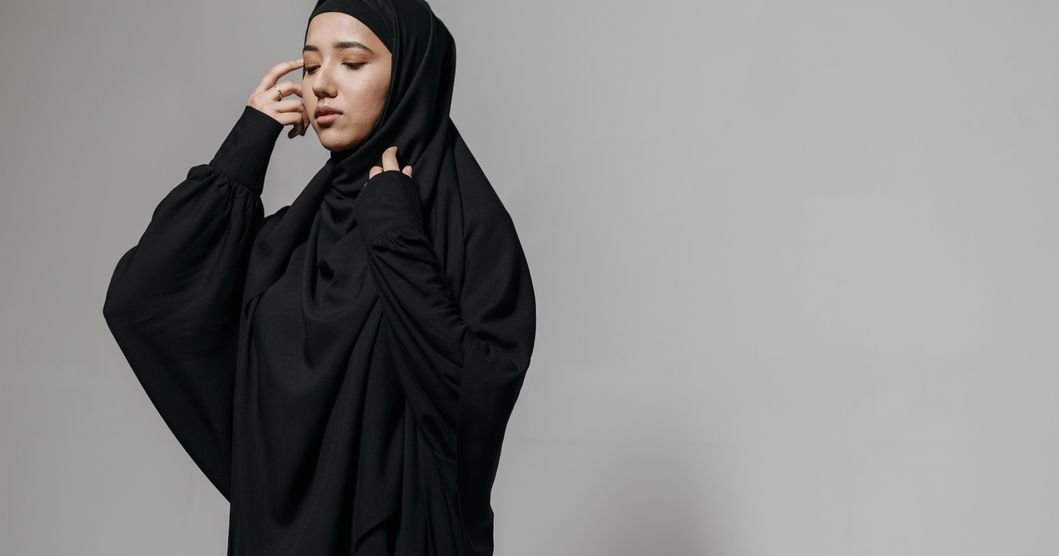
Photo by Ila Bappa Ibrahim on Pexels · Source
Knowing how to style a kimono abaya comes down to treating the garment as a versatile, open-front outer layer where your inner outfit, fabric weight, and proportions work together. Start with a structured base, such as high-waisted wide-leg trousers and a fitted top, then let the straight T-shape drape naturally or cinch it lightly at the waist for definition. Complete the look with tonal footwear and a clean hijab drape that balances the architectural width of the kimono sleeves.
What actually makes an abaya a kimono cut?
To understand kimono abaya styling, it helps to look first at how the garment is built. Borrowing its key proportions from traditional Japanese attire, the kimono abaya is defined by wide, straight-cut sleeves, a clean T-shape drape, defined shoulder points, and an unfastened front panel. Unlike standard tailored coats, it relies entirely on drape and shoulder placement to establish its shape. Its clean, linear perimeter makes it one of the most flexible layering garments in contemporary modest fashion.
Defining the silhouette and sleeve construction
The distinguishing feature of any kimono sleeve abaya is the continuous line extending from shoulder to wrist. Instead of a tapered cuff or tight armhole, the sleeve drops in a smooth, straight line, creating an architectural rectangle around the arms. This wide aperture gives the outfit fluid movement while keeping the overall profile crisp and uncluttered. Because the front remains unfastened, the silhouette frames whatever lies beneath, turning the inner ensemble into an integral component of your outer presentation. When comparing an open vs closed abaya, the open front demands a thoughtful approach to base garments, as every layer contributes to the final frame.
Comparing the kimono cut to the traditional bisht
It is easy to confuse the kimono abaya with other wide-sleeve silhouettes, such as the classic bisht or farasha. However, their structural differences are substantial. The bisht features an ultra-boxy frame with seamless dropped shoulders and voluminous, cape-like draping that cascades around the torso, frequently detailed with intricate gold or silver metallic trim along the hem and lapels. In contrast, the kimono silhouette maintains a narrower torso width and distinct shoulder structure, giving it a much more tailored and modern look. While the bisht conveys traditional ceremonial drama, the kimono cut delivers a clean, architectural line suitable for professional environments, morning errands, and evening gatherings alike. If you are exploring the nuances of regional modest silhouettes, our guide on abaya vs jalabiya vs kaftan breaks down how regional historical cuts shape modern modest tailoring.
What should you wear underneath an open-front kimono abaya?
Because an open-front abaya remains split from collar to hem, what you wear underneath is entirely visible. This visibility makes layer selection the single most important decision when considering how to style a kimono abaya. The inner clothes dictate whether your outfit reads as relaxed daytime chic or structured evening refinement.
Creating an elegant base with monochromatic columns
The most reliable technique for open-front abaya styling is building a monochromatic inner column. Wearing a top and trousers in identical or closely matching shades creates a continuous vertical line from collarbone to ankle. This visual column elongates the torso and allows the kimono abaya to act as a frame. For instance, pairing a black sleeveless or long-sleeved silk top with fluid dark trousers under a contrasting layer creates an instantly polished profile. For women who prefer depth without stark colour blocks, neutral palettes like oat, cream, sage, or soft grey form a subtle base that highlights the rich textures of the outer robe.
Tailored trousers and wide-leg silhouettes
The choice of lower-body garments heavily influences the movement of the open front. High-waisted palazzo pants or wide-leg tailored trousers are exceptionally effective because their gentle flare matches the natural taper of wide kimono sleeves. When walking, the hem of wide trousers harmonises with the outer drape, preventing the abaya from looking top-heavy. Alternatively, ankle-length straight-leg trousers work beautifully when you want to highlight structured footwear like pointed mules or leather loafers. If you are looking for an effortless daytime piece that integrates smoothly into a capsule wardrobe, the Yasmin Layered Kimono Flow Heritage Abaya in Midnight Black features satin-trimmed crepe that pairs seamlessly with tailored base separates for professional settings.
How do you balance proportions and style the waist belt?
Managing volume is central to successful kimono abaya styling. Because wide sleeves and an open front add horizontal breadth around the upper body, balance must be maintained through clever styling levers. Cinching the garment with a fabric belt or tie is the most direct way to introduce definition without disrupting the fluid drape of the sleeves.
When styling with a belt, you have two primary approaches: external cinching and internal wrapping. External cinching involves wrapping a tie around the exterior of the open abaya, gathering the fabric neatly at the narrowest point of your waist. This creates a soft hour-glass frame while allowing the lower skirt to billow open slightly as you move. Internal wrapping, on the other hand, involves tying the belt across your inner top before draping the open abaya loosely over top. This provides subtle waist definition through your base clothing while keeping the abaya wide and flowing. Choosing a belt in a contrasting material, such as a matte leather strap over a silk robe or a woven metallic cord over heavy crepe, adds a delicate focal point that anchors the entire outfit.
Which fabrics work best for the Gulf climate and modern layering?
Living in the GCC means choosing fabric with the weather in mind, not only the mirror. Humid mornings, fierce air conditioning indoors, and forty-plus degrees outside mean choosing materials that breathe freely without losing structural integrity.
Fluid satins and light crepes for year-round elegance
In recent seasons, rich satins have emerged as a dominant fabric choice across the Gulf, appreciated for their low-lustre sheen and liquid movement. Liquid satins catch ambient light beautifully during evening events, giving open garments an airy, luxurious quality. Lightweight crepes, on the other hand, remain the backbone of daily wardrobe choices due to their matte texture and wrinkle-resistant qualities. As highlighted in our analysis of abaya trends 2026, front-open abayas constructed from satin-trimmed crepe offer the ideal blend of durability and graceful movement. For complete fabric specifications and maintenance advice, consult our comprehensive abaya fabric guide.
Breathable natural blends for warmer UAE months
During peak summer in Dubai, Abu Dhabi, or Riyadh, lightweight textiles become essential. High-grade TENCEL, linen-cotton blends, and fine organza offer incredible breathability without slumping. Organza, in particular, delivers semi-sheer structural volume that layers over under-dresses without trapping heat. The Layali Moonlit Kimono Flow Avenue Abaya in Date Brown uses luxe organza to deliver weightless volume and subtle shimmer, making it an ideal garment for travel and warm-weather evening gatherings. For those who want effortless elegance in formal settings, pieces crafted from premium Nida, like the farasha-inspired Maha Bridal Glow Kimono Flow Celeste Abaya, provide cool comfort paired with a graceful, regal fall.
How do you pair colours and prints without overwhelming the drape?
Colour harmony is essential when styling open outerwear. Because the open front reveals your inner outfit, colour pairing requires intentional coordination between outer fabric, base clothes, and hijab.
Monochromatic and tonal palettes offer the safest foundation for a serene, high-end look. Combining varying tones of the same colour family, such as beige trousers, a cream top, and a warm camel kimono outer, creates a rich, multidimensional visual depth without hard tonal breaks. If you prefer bold statement shades like turquoise, fuchsia, or rich mustard during warm summer months, keep your inner layers strictly neutral with warm off-white or charcoal black. When styling printed or embroidered kimono robes, select one subtle secondary tone from the fabric pattern and repeat that colour in your trousers or hijab. This grounds the pattern and keeps the ensemble unified. For timeless dark palettes, our guide to styling black provides detailed advice on combining black fabrics with subtle metallic and jewel accents across our collections.
How can you transition a kimono abaya from day to evening wear?
The adaptable nature of the kimono silhouette makes it ideal for transitioning seamlessly from daytime professional commitments to formal evening gatherings. The transformation depends on swapping footwear, accessories, and under-layers while keeping the main outer abaya constant. Understanding how to style a kimono abaya across different hours of the day ensures you get maximum versatility from your wardrobe.
For daytime wear, frame a lightweight crepe kimono over a soft jersey inner dress or wide-leg cotton trousers. Pair the outfit with leather flat mules, a structured top-handle leather tote, and a simple matte chiffon hijab. This creates an approachable yet orderly aesthetic suitable for business meetings or weekend dining. To transition the garment for evening events, swap flat mules for embellished pointed heels, exchange the everyday leather tote for a compact metallic clutch, and replace matte jersey inner layers with a silk slip or tailored satin trousers. Adding a jewelled brooch at the lapel or cinching the waist with an embroidered belt instantly lifts the silhouette for dinner receptions and wedding celebrations.
Which hijabs and accessories complete the kimono abaya look?
Accessories should complement, rather than compete with, the dramatic sleeve architecture of a kimono robe. Because wide sleeves pull visual attention outward, neckwear and headwear choices must maintain balanced visual weight.
When choosing a hijab, opt for lightweight fabrics like silk chiffon, fine georgette, or modal jersey that drape smoothly around the shoulders without adding excessive bulk around the neck. A clean, classic wrap style works best, allowing the long ends to fall neatly over the back or front chest. Avoid overly voluminous hijab styles that clutter the neck area. Because kimono sleeves expose the forearms when hands are raised, delicate stacked bracelets, structured cuffs, or an elegant timepiece provide refined detail. A single focal accessory, such as a statement necklace nestled within a V-neck inner top or a vintage brooch pinned near the collarline, gives the eye a single place to land without disrupting the clean lines of the outfit.
What are the most common styling mistakes to avoid?
Even with high-quality garments, a few common styling missteps can compromise the sleek aesthetic of a kimono abaya. Recognising these errors ensures your outfit maintains its structured elegance throughout the day.
The first mistake is ignoring the fit and hemline of your inner garments. Wearing overly baggy bottoms under a wide-sleeve abaya creates an unstructured silhouette that lacks shape. Always balance wide kimono sleeves with clean, structured tailoring underneath. The second common mistake is neglecting garment maintenance. Wide sleeves and open lapels pick up creases easily when seated, especially in fabrics like linen or silk. Following proper garment maintenance as detailed in our care and storage guide ensures your outer robes stay smooth and presentable. Lastly, avoid combining heavy, bulky handbags with delicate wide sleeves; shoulder straps can crush the crisp shoulder seam of your kimono cut. Opt instead for arm-crook totes or hand-held clutches to keep the shoulder structure crisp and clean.
Frequently Asked Questions
What should I wear under an open kimono abaya?
The most flattering choice is a monochromatic inner column, such as wide-leg trousers paired with a fitted long-sleeved top or a plain slip dress in a complementary shade. Matching your inner top and bottoms creates a long visual line that beautifully frames the fluid drape of the open abaya.
Does a kimono abaya suit petite or plus-size frames?
Yes, the kimono cut flatters virtually all body shapes due to its clean T-shape structure. Petite frames benefit from cinching the waist slightly and wearing high-waisted trousers underneath to elongate the legs, while plus-size frames gain an elegant, vertical slimming frame from the straight, open front panels.
Can a kimono abaya be worn to a formal wedding?
Absolutely. Choose a kimono abaya crafted from luxurious fabrics like satin, organza, or premium Nida with intricate detailing. Pair it with a silk inner gown, statement jewellery, embellished heels, and a metallic clutch to build a sophisticated outfit suitable for weddings and festive occasions.
Is a kimono abaya appropriate for a corporate office?
Yes, it is highly suitable for professional settings when styled with structured wardrobe staples. Layer a matte crepe kimono abaya over tailored straight-leg trousers and a neat button-down blouse or high-neck top, finishing with closed-toe pumps and a structured leather tote.
How does a kimono abaya differ from a kimono cardigan?
While both feature wide sleeves, a kimono abaya is designed with modest ankle-length proportions and traditional Gulf shoulder structures tailored for modest layering. A kimono cardigan is typically shorter, lighter, and designed as Western casual outerwear rather than full-coverage modest attire.
Can you belt a kimono abaya without ruining the drape?
Yes, belting adds refined waist definition. You can either cinch the fabric externally around the full waist using a soft fabric tie or tie the belt internally over your base layer while letting the outer panels flow naturally for an unconstrained frame.
Shop the collection at Hoorain Abaya →