
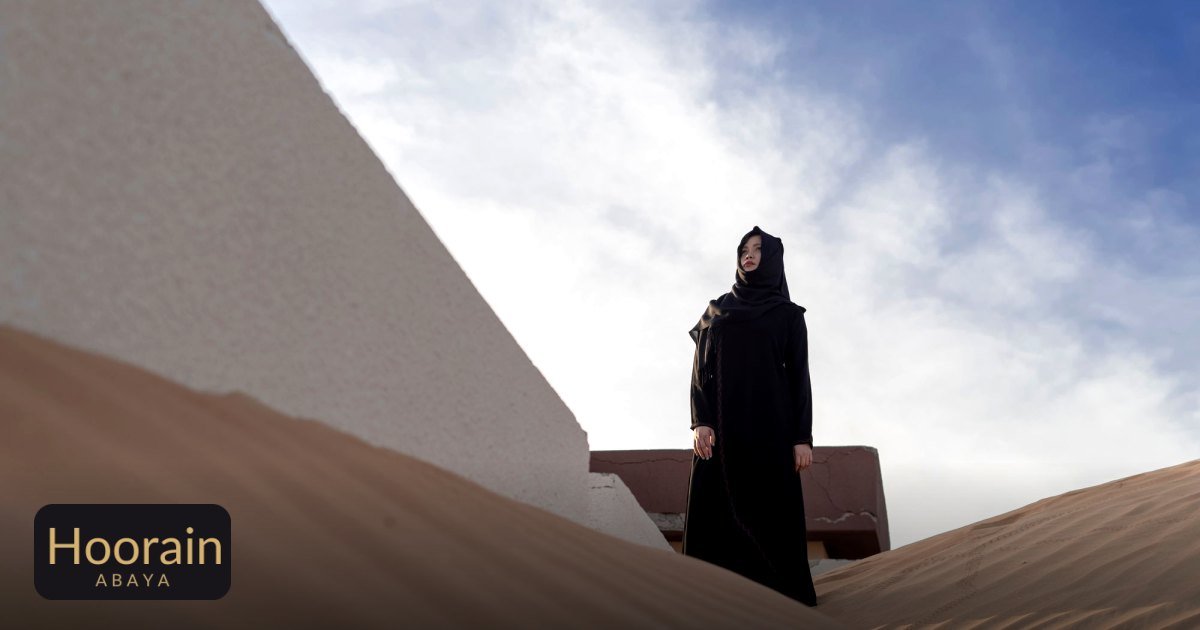
When the UAE summer turns up the heat, the right abaya fabric becomes essential for staying comfortable while maintaining elegance. Understanding how the climate influences fabric performance helps you choose pieces that breathe, move, and look stunning throughout the scorching months.
Understanding UAE Summer Climate and Its Impact on Fabric Choice
The United Arab Emirates experiences a desert climate characterised by extremely high daytime temperatures, often exceeding 40 °C, coupled with intense solar radiation and low humidity in coastal areas. These conditions place a premium on fabrics that can manage heat without trapping moisture, allowing the skin to stay cool and dry.
In addition to temperature, the strong sunlight can cause fabrics to fade or become stiff if they are not colourfast or breathable. Selecting materials with natural fibres or engineered moisture‑wicking properties mitigates these effects, preserving both the garment’s appearance and its comfort level.
Another factor is the occasional sandstorm, which introduces fine particles that can cling to static‑prone fabrics. Choosing fibres that resist static buildup reduces the need for constant cleaning and helps the abaya retain its sleek silhouette.
Overall, the UAE summer demands fabrics that combine breathability, lightness, and durability, ensuring that modest fashion remains effortless and refined even under the most relentless sun.
Key Fabric Characteristics for Hot Weather
When evaluating fabrics for summer abayas, focus on three core attributes: breathability, moisture management, and drape. Breathable fabrics feature a loose weave or natural fibre structure that permits air circulation, preventing heat from being trapped against the skin.
Moisture‑wicking capability is equally vital; it draws sweat away from the body and spreads it across the surface of the material, where it can evaporate more quickly. This reduces the clammy feeling that often accompanies heavy, non‑absorbent textiles.
The drape of a fabric influences how gracefully an abaya falls. A fluid drape ensures the garment moves with the wearer, avoiding clinginess that can amplify the perception of heat.
| Fabric | Breathability | Moisture Management | Drape |
|---|---|---|---|
| Cotton | High | Good | Soft, natural |
| Linen Blend | Very High | Excellent | Elegant, slightly crisp |
| Rayon | Moderate | Fair | Sleek, fluid |
By prioritising these characteristics, you can select an abaya that feels light on the skin, stays fresh throughout the day, and maintains a polished, modest silhouette.
Lightweight Cotton: Classic Comfort and Breathability
Cotton remains a timeless favourite for summer abayas due to its natural fibre composition, which allows air to pass freely through its weave. This inherent breathability helps dissipate heat, making cotton abayas feel cool even when the temperature spikes.
One of cotton’s strengths is its ability to absorb moisture without feeling damp. It draws sweat away from the body and releases it gradually, reducing the sticky sensation that can occur with synthetic fabrics. For those who prefer a soft, gentle touch against the skin, cotton offers a hypoallergenic option that rarely irritates.
In terms of styling, lightweight cotton can be woven into a variety of textures—from smooth jersey to subtle twill—providing designers with flexibility to create both structured and flowing silhouettes. The fabric also holds colour well, ensuring that vibrant hues remain vivid throughout the summer season.
When caring for cotton abayas, a gentle machine wash in cold water preserves the fibres and prevents shrinkage, while line‑drying maintains the garment’s shape and natural crispness.
Linen Blends: Natural Coolness with Elegant Draping
Linen, derived from the flax plant, is renowned for its exceptional cooling properties. Its loosely woven structure facilitates maximum airflow, creating a breezy effect that is particularly welcome during the UAE’s scorching afternoons.
Blending linen with a small proportion of cotton or viscose enhances its durability and reduces the tendency to wrinkle, while still preserving the fabric’s signature lightness. These blends strike a balance between the crisp, slightly textured feel of pure linen and the smoother hand of cotton, resulting in a comfortable yet refined fabric.
The drape of linen blends is uniquely elegant; the material falls gracefully, offering a sophisticated silhouette that moves fluidly with the wearer. This quality makes linen‑based abayas ideal for formal occasions where a polished appearance is essential, yet the wearer still desires breathability.
Because linen is naturally moisture‑wicking and quick‑drying, it manages perspiration efficiently, keeping the wearer feeling fresh. Maintenance is straightforward—hand washing or a gentle cycle followed by air drying maintains the fabric’s integrity and prolongs its lifespan.
Viscose and Modal: Soft Feel with Moisture Management
Viscose and modal are semi‑synthetic fibres derived from sustainably sourced wood pulp, and they have become favourites for summer abayas across the UAE. Their smooth, drapey texture mimics the elegance of silk while remaining considerably more affordable and easier to care for. Because the fibres are naturally breathable, they allow air to circulate close to the skin, which helps to dissipate heat during the scorching midday sun.
One of the key advantages of these fabrics is their moisture‑wicking capability. When the body sweats, viscose and modal draw the moisture away from the skin and spread it across the surface of the fabric, where it evaporates more quickly. This reduces the clammy feeling that can accompany heavier materials such as traditional cotton twill or polyester blends.
In terms of durability, both fibres hold their colour well under the intense UV exposure typical of the Gulf climate, meaning that a well‑chosen abaya will retain its vibrant hue season after season. They also resist wrinkling, so a modest‑fashion enthusiast can maintain a polished look from the office to an evening gathering without constant ironing.
When selecting a viscose or modal abaya, look for a medium weight (around 150‑180 gsm) that offers enough coverage without feeling overly heavy, and consider a subtle lining for added opacity during the hottest hours.
Innovative Performance Fabrics: Tech‑Enhanced Comfort
Recent advances in textile engineering have produced performance fabrics that combine the modest aesthetic of the abaya with cutting‑edge comfort features. These materials often incorporate micro‑fibres, nano‑coatings or blended yarns that actively manage heat, humidity and UV exposure.
- Moisture‑transfer technology – pulls sweat away from the skin and releases it through the fabric’s surface.
- UV‑blocking treatment – reduces harmful sun rays while preserving the fabric’s colour and softness.
- Thermal regulation – lightweight weaves that create micro‑air pockets, keeping the wearer cool without sacrificing coverage.
- Anti‑odor finish – inhibits bacterial growth, ensuring the abaya stays fresh throughout a long day.
These fabrics are typically lightweight (often under 150 gsm) and have a slightly crisp hand feel that smooths out after the first wash. They are ideal for those who travel frequently or attend outdoor events, as the built‑in performance attributes minimise the need for frequent changes of clothing.
When choosing a tech‑enhanced abaya, verify that the performance claims are clearly stated by the manufacturer and that the fabric has been tested for durability in high‑temperature environments. A subtle sheen or matte finish can indicate the presence of a specialised coating, which should be gentle on the skin and compatible with modest styling.
Verdict: Choosing the Best Abaya Fabric for UAE Summer
Ultimately, the “best” fabric depends on personal priorities, but a balanced approach works well for most women navigating the UAE summer heat. Viscose and modal offer a luxurious softness and reliable moisture management, making them a solid choice for everyday wear and formal occasions alike. For those who demand extra performance – such as frequent outdoor engagements or long travel days – fabrics with built‑in cooling, UV protection and anti‑odor technologies provide a practical edge.
Consider the following checklist when making your decision:
- Weight: aim for 150‑180 gsm for modest coverage without excess heat.
- Breathability: natural fibres or engineered micro‑pores are essential.
- Moisture handling: look for wicking or moisture‑transfer claims.
- UV protection: a fabric with a verified UPF rating adds skin safety.
- Care requirements: fabrics that are machine‑washable and wrinkle‑resistant simplify daily wear.
By matching these criteria to your lifestyle, you can select an abaya that feels as light as a summer breeze while upholding the elegance and modesty that define Hoorain Abaya’s collections.
For more on this, see our guide on Best Abaya Fabric for Summer: Nida, Crepe & Chiffon Showdown.
Explore the full range in our abaya collection to find your next piece.
Frequently Asked Questions
What fabric should I avoid for abayas in the UAE summer?
Heavy, non‑breathable fabrics such as thick polyester or wool can trap heat and cause discomfort in high temperatures.
Is pure linen suitable for modest abayas?
Yes, linen offers natural ventilation and a crisp look, and when blended it drapes well while maintaining modesty.
How does a cotton‑viscose blend compare to pure cotton?
A cotton‑viscose blend adds a silky sheen and improved moisture wicking while retaining cotton’s breathability, making it ideal for summer abayas.
Can I wear performance fabrics without compromising style?
Modern performance fabrics are designed to look elegant; they often mimic the drape of traditional materials while providing cooling technology.
What colour choices help keep me cooler in the summer?
Lighter shades such as pastel, ivory or soft neutrals reflect sunlight, helping the fabric stay cooler compared with dark colours.
Shop the collection at Hoorain Abaya →