Satin Abaya Styling 2026: Elegant Evening Drapes and Accessories
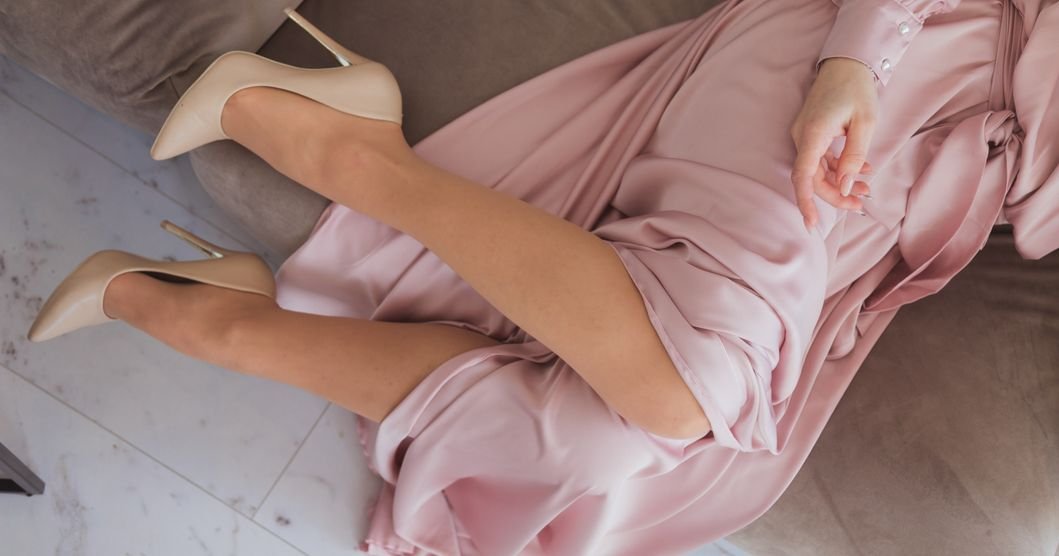
Photo by Vlad Deep on Pexels · Source
Mastering satin abaya styling requires a thoughtful balance between high-shine luxury, modest coverage, and the climate realities of Gulf evening occasions. As a stylist guiding women across the UAE, Saudi Arabia, and Qatar, I often observe how high-lustre fabrics bring an effortless sense of celebration to formal gatherings. However, satin’s fluid, light-reflective nature presents distinct styling considerations—from managing cling in air-conditioned majlis rooms to choosing accessories that complement rather than compete with the fabric's natural sheen. Whether you are styling a fluid silk-charmeuse abaya sourced from an international designer or evaluating structured evening drapes, this guide delivers practical, refined solutions for your 2026 occasion wardrobe.
How do you style a satin abaya for a Gulf evening?
To style a satin abaya for a Gulf evening, balance its high-shine surface with matte, structured accessories and a breathable cotton or viscose under-layer. Pair wide-sleeve drapes with micro-texture chiffon sheilas, structured mini bags, and refined gold or silver jewelry. Always spray fragrance before dressing to avoid permanent oil spotting on delicate woven floats.
Anchor Reflective Surfaces with Matte Accents
Because satin reflects ambient ballroom and banquet light intensely, framing your look with low-sheen accessories prevents visual overwhelm. A matte suede or textured leather clutch creates a grounding contrast against fluid drapes, while fine-weave matte chiffon sheilas secure a neat frame around the face.
Prioritise Breathable, Static-Resistant Under-Layers
When dressing for high-temperature transitions between outdoor valet points and chilled indoor venues, choose a breathable natural-blend slip. Viscose, modal, or lightweight cotton slips prevent the synthetic static cling that often occurs when fluid satin interacts with dry, air-conditioned environments.
Select Structured Jewellery and Clean Footwear
Avoid heavily textured or pronged jewellery near the sleeves and neckline, as floating satin yarns snag easily. Opt for smooth architectural cuffs, polished dome earrings, and smooth leather or satin pumps that maintain a sleek, uninterrupted silhouette from shoulder to hem.
Textile Mechanics: Charmeuse, Crepe-Back, and Weight Considerations
Understanding the structural composition of satin is essential before investing in or styling high-shine evening garments. Satin is not a raw fiber, but a specific weaving technique where warp yarns float over several weft threads before binding. This structure creates a smooth, lustrous face and a duller reverse side. However, the weight and fiber of the weave dictate how the fabric handles, drapes, and holds up throughout an event.
Charmeuse vs. Crepe-Back Satin Weaves
Charmeuse is an extremely lightweight weave, typically weighing under 120 grams per square metre (GSM). It features an exceptionally bright, liquid-like shine on the front and a dull back. While charmeuse moves with dramatic fluidity, its lightweight nature causes it to outline body contours, body heat, and underlying seams. In contrast, crepe-back satin utilizes tightly twisted yarns on the reverse side. This creates a pebbled interior texture and a slightly muted, rich sheen on the face. Crepe-back satins generally weigh between 140 and 180 GSM, offering substantial drape and structural stability that skims rather than clings.
Evaluating GSM for Modest Evening Drapes
For an abaya silhouette, fabric weight directly impacts modest coverage. Light fabrics below 120 GSM require full lining or high-opacity slips to avoid revealing the shadow of undergarments under warm event spotlighting. Heavier satins—such as duchess satin or high-density polyester satins exceeding 200 GSM—hold architectural folds beautifully but can feel stiff and trap excess body heat in warm climate settings. Selecting pieces in the 140–170 GSM range ensures graceful drape without sacrificing fluid movement.
Tailoring and Seam Movement in Fluid Fabrics
Satin shifts during cutting and sewing, which means side seams and hems can pucker if not tailored with fine ballpoint needles and tension-adjusted stitching. When wearing open-front satin styles, check that the front placket falls straight without rippling. If you prefer a tailored look with crisp lines and satin accents, hybrid fabrications provide excellent durability. For instance, garments crafted with a Satin Trim Crepe body utilize high-grade Matte Crepe for the primary structure while incorporating light-catching satin facings along the cuffs, lapels, or hemline.
Silhouette and Cut: Achieving Graceful Coverage
Silhouette is where satin abaya styling is won or lost: the high reflectivity of the weave highlights every fold and seam, so the cut matters more here than in any matte fabric. A well-proportioned cut allows high-shine fabrics to drape freely, creating long, clean vertical lines that catch ambient light gently as you move.
Sculpted Shoulders and Wide-Sleeve Cuts
Because fluid satin lacks inherent structural stiffness, silhouettes featuring soft shoulder padding or tailored raglan seams help maintain an upright frame. Wide kimono sleeves or traditional butterfly (Farasha) cuts allow heavy-drape satins to cascade gracefully from the shoulder. To prevent loose sleeves from sliding down the arm during dinner receptions, look for interior elastic wrist loops or modest inner cuff fastenings.
Open-Front Drapes Worn as Evening Outerwear
Styling an open-front satin abaya like a lightweight evening coat yields an effortless, multi-layered look. Wearing an open fluid layer over a matte, full-length inner dress creates a striking play on textures. Ensure the open front features a substantial hem bias or facing to prevent the lapels from flipping inside out as you walk.
Precision Length and Heel Height Calculations
Fluid fabrics that drag along the floor accumulate dust, catch on shoe buckles, and risk permanent weave pulling. Hems should sit precisely 1.5 to 2 centimetres above the floor while wearing your intended heel height. Reviewing a detailed size guide allows you to map full length measurements—typically ranging from 50 to 62 inches—against your height and footwear choices before finalizing your ensemble.
Under-Layers, Lining, and Managing Static Cling
What you wear underneath a high-shine evening drape determines both your comfort and the outer garment's overall presentation. Synthetic satins are prone to static generation, particularly in dry, heavily air-conditioned hotel ballrooms and private majlis spaces.
Selecting Breathable Inner Slips
Avoid pairing polyester satin with synthetic polyester inner slips, as friction between two synthetic layers generates significant static charge. Instead, opt for opaque slips made from natural plant-based fibers such as viscose, modal, or high-grade cotton-silk blends. These fabrics allow air circulation, absorb moisture, and eliminate static cling, ensuring the outer drape hangs freely.
Static Reduction Techniques for Fluid Fabrics
If you experience static cling while dressing, several professional styling measures can quickly resolve the issue:
- Lightly mist the interior slip (not the outer satin) with anti-static spray or purified water from a fine atomizer.
- Apply a light layer of unscented body lotion to your legs before putting on your inner slip to prevent dry skin friction.
- Smooth a metal wire hanger down the inside lining of the garment to discharge built-up static electricity before leaving home.
- Ensure all undergarment seams are flat and seamless to prevent visible ridge lines beneath light-reflective fabrics.
Managing Cuff and Neckline Modesty
Fluid high-shine fabrics shift easily with movement. If wearing a wide-collared or deep V-neck cut, wear a matching high-neck inner top or attach a subtle snap button along the inner placket. For sheer or lightweight outerwear, an opaque inner slip in a tonally matched shade provides complete coverage under bright venue lights.
2026 GCC Palette and Evening Dress Codes
Evening wear across the GCC in 2026 embraces understated luxury, anchored by rich jewel tones and timeless dark bases. While bright pastel satins can sometimes look washed out under warm tungsten banquet lighting, deeper shades absorb and diffuse light beautifully.
Jewel Tones and Rich Occasion Shades
Deep emerald green, rich burgundy, and sapphire blue represent prominent color choices for contemporary evening events. When buying eveningwear across the Gulf market, high-shine jewel tones make a striking choice for grand celebrations. For refined formal styling tips tailored to regional celebrations, explore our guide on wedding guest abaya styling.
Traditional Deep Neutrals and Midnight Tones
Traditional black and dark neutral evening wear remains the quintessential choice for formal Gulf gatherings. High-shine black fabric offers dramatic depth, catching ambient light along the edges of every drape while maintaining full visual opacity. Within our house palette, classic tones like Midnight Black, rich Date Brown, and soft Ivory Sand offer sophisticated options across matte and textured weaves.
Color Harmony Between Outer Layers and Inner Dresses
When assembling a multi-piece evening look, maintain tonal harmony between your outer drape and inner garments. Pairing a deep jewel-toned outer piece with an inner dress of the exact same color family creates a lengthening, monochromatic line. Alternatively, pairing high-shine dark outer layers with neutral base tones like Ivory Sand creates a subtle, elegant contrast suitable for formal dinners.
Accessories, Sheila Pairing, and Evening Jewellery
In satin abaya styling, accessories should complement the intrinsic lustre of the fabric rather than compete with it. Selecting contrasting textures and understated jewelry balances high-shine drapes effectively.
Selecting Sheila Fabrics to Balance High-Shine
Pairing a high-shine abaya with a matching glossy headscarf often creates an overly reflective look around the face. Instead, choose a light, matte chiffon or a high-grade Layered Chiffon sheila. The soft, diffuse drape of chiffon softens the transition around your face while allowing the abaya's lustre to remain the focal point. If you prefer a subtle sheen, a wrap featuring a soft finish, such as Silk-touch Nida, provides an elegant hand-feel with a gentle matte surface.
Handbags and Footwear Selection
Avoid embellished shoulder bags with exposed metal chains, zip teeth, or rough sequin detailing, as these instantly pull floating satin threads. Opt for handheld minaudières, structured leather clutches, or smooth satin mini bags carried by hand. Footwear should feature smooth pointed toes, sleek straps, or subtle velvet finishes that do not catch on the bottom hem.
Jewellery Alignment and Metal Hardware
Align your jewellery with the tone and hardware of your overall outfit. Pair cool-toned satins or silver-accented garments with white gold or platinum pieces. Warm tones, deep browns, and classic black pair effortlessly with polished yellow gold or pearl jewellery. Choose one bold piece—such as a sculpted gold cuff or refined chandelier earrings—and skip heavy, layered necklaces that disrupt the neckline.
Navigating Gulf Climate, Humidity, Perfume, and Majlis Seating
Climate is what separates satin abaya styling in Dubai from satin styling anywhere else, and wearing high-lustre eveningwear in the Gulf presents its own practical challenges. Managing extreme temperature shifts between humid outdoor air and cool indoors, applying traditional fragrances safely, and maintaining smooth fabric during floor seating require careful preparation.
Perfume and Oud Application Protocols
Traditional oil-based scents, pure oud oils, and concentrated perfume sprays leave dark, permanent oil rings on high-shine woven fabrics. Satin fibers absorb oils quickly, creating spots that cannot be spot-cleaned without damaging the finish.
- Apply all solid perfumes, body oils, and concentrated oud directly to your skin at pulse points at least 15 minutes before dressing.
- Spray alcohol-based fine fragrances onto your skin and hair before putting on your clothes, allowing the spray to dry completely.
- Never spray fragrance directly onto high-shine fabric surfaces, sleeve cuffs, or sheilas.
- To scent your clothes safely, place a perfumed ceramic tablet or scented pouch inside your wardrobe where it does not contact the fabric directly.
Managing Humidity and Majlis Floor Seating
Stepping out of an air-conditioned car into high humidity can cause fine fibers to absorb moisture, leading to visible creasing when you sit down. When attending majlis events featuring traditional low seating or floor cushions, gather your abaya length smoothly under your thighs before sitting down. This spreads tension evenly across the fabric rather than trapping sharp diagonal creases behind the knees.
Photography and Event Lighting Considerations
High-shine satins reflect direct flash photography intensely, which can cause bright blowout spots in professional event photographs. To ensure clean photos, stand angled slightly away from direct flash sources, allowing ambient venue lighting to highlight the fabric's natural drapes and depth smoothly.
Fabric Comparison and Hoorain Evening Alternatives
While full satin abayas offer high-shine allure, they require high maintenance, snag easily, and trap body heat in warm weather. Many women prefer alternative evening fabrics that combine elegant sheen with practical durability, breathability, and ease of care.
| Fabrication Type | Lustre & Finish | Drape Profile | Opacity & Coverage | Heat Comfort | Crease Resistance |
|---|---|---|---|---|---|
| Charmeuse Satin | High Mirror Gloss | Fluid / Body-Clinging | Semi-Opaque (Requires Slip) | Low (Traps Heat) | Low to Moderate |
| Crepe-Back Satin | Medium Soft Sheen | Fluid / Medium Weight | High Opacity | Moderate | Moderate |
| Hoorain Satin Trim Crepe | Matte Body / Gloss Edges | Structured Flow | Full Opacity | High (Breathable Crepe) | High |
| Hoorain Luxe Organza | Crisp Luminous Sheen | Architectural Volume | Sheer (Requires Slip) | High (Airy Flow) | High Structure |
| Hoorain Jacquard Nida | Subtle Tonal Lustre | Fluid / Balanced | Full Opacity | Very High | Very High |
The Practical Advantage of Satin Trim Crepe
For everyday luxury and formal events, Satin Trim Crepe offers an ideal middle ground for the Gulf climate. By featuring a matte crepe main body paired with refined satin detailing along lapels, cuffs, or borders, you enjoy the festive light reflection of satin without worrying about static cling, body tracking, or excessive creasing.
Architectural Structure: Luxe Organza
When an evening occasion demands grand volume and dramatic silhouette lines without heavy weight, Luxe Organza provides an outstanding option. For styling inspiration on managing sheer, structured evening drapes, consult our stylist guide on organza abaya styling.
Fluid Everyday Luxury: Nida Fabrics
If you prefer a silky, smooth texture against your skin without high gloss, premium Nida variants excel in warmth and durability. Fabrics such as Korean Nida, Premium Nida, and Jacquard Nida offer ultra-soft drapes that resist creasing and breathe comfortably in warm weather. To compare various textile drapes, read our detailed guide on Nida vs crepe vs chiffon abaya fabrics, or browse our formal attire range in the Evening Abaya Collection.
Care, Maintenance, and Stain Prevention
Care is the unglamorous half of satin abaya styling: high-lustre fabrics need gentle handling to keep their smooth surface and to prevent water marking. Following correct maintenance protocols preserves the lustre and elegance of your evening pieces for years to come.
Feathering Water Marks and Spot Treatments
Water drops on satin leave noticeable dark-edged rings as they dry. Never rub a water stain vigorously, as this roughs up the surface fibers and leaves a permanently dull patch.
To eliminate a water spot safely, place the dry garment face-down on a soft, clean towel. Dampen a clean microfiber cloth with distilled water, tap the edges of the water spot gently, and feather the moisture outward in expanding circles. This prevents a hard ring from forming as the fabric dries naturally in the shade.
Washing, Steaming, and Reverse Ironing
High-value, embellished, or delicate evening garments should always be professionally dry cleaned. For unembellished synthetic pieces that permit hand washing, observe these essential guidelines:
- Hand wash gently in cool water using a mild liquid silk/delicates detergent; never use harsh stain removers or bleach.
- Do not wring, twist, or scrub the fabric. Press water out gently by rolling the garment inside a clean white towel.
- Dry flat away from direct sunlight, which can weaken synthetic fibers and fade deep colors.
- Always iron on the reverse side using the lowest silk/synthetic heat setting, ideally placing a thin cotton press cloth between the iron and the fabric.
- When using an upright garment steamer, steam exclusively from the inside of the garment to prevent water droplet spitting on the outer glossy face.
Proper Storage and Closet Care
Hang high-shine garments on broad, padded hangers to prevent shoulder dimples. Ensure zip closures, hooks, and beaded garments on neighbouring hangers are covered with breathable cotton garment bags to prevent snagging. For a complete guide on preserving your wardrobe, refer to our comprehensive abaya care and storage guide.
Frequently Asked Questions
How do I stop my satin abaya from clinging to my legs?
Static cling occurs when synthetic fabrics rub together in low-humidity air. Prevent cling by wearing an inner slip made from breathable natural fibers like viscose or modal rather than synthetic polyester. Spritzing anti-static spray lightly on the inside of your slip or applying unscented lotion to your legs before dressing also eliminates friction efficiently.
Can I remove oil perfume stains from a satin abaya at home?
Oil perfume stains are exceptionally difficult to remove from delicate satin without dulling its high-shine finish. Avoid scrubbing the spot with soap or harsh stain removers. Instead, sprinkle a small amount of cornstarch or talcum powder over the fresh oil mark, allow it to absorb the oil for two hours, gently brush it away, and take the garment to a professional dry cleaner.
Is a satin abaya suitable for daytime wearing in the UAE?
High-gloss satin is traditionally best suited for evening events, receptions, and formal gatherings because its intense sheen reflects strong sunlight aggressively. For daytime wear across the UAE and Gulf region, choose lower-sheen options like Textured Crepe or Matte Crepe featuring subtle satin accents, which offer a refined finish under bright daylight.
Which sheila fabric looks best with a high-shine abaya?
Opt for a light, matte chiffon sheila when wearing a high-shine abaya. Pairing glossy drapes with a glossy headscarf creates an overly reflective frame around the face. Matte chiffon, or a fine Silk-touch Nida wrap with a muted finish, creates a soft visual contrast that balances the rich lustre of your outerwear elegantly.
How should I hem a satin abaya without ruining the drape?
Hemming fluid, high-shine fabric requires specialized sewing techniques to prevent puckering along the bottom edge. Use a fine ballpoint needle size 70/10, fine polyester thread, and a narrow rolled hem or bias-bound finish. Always hem the piece while wearing your intended evening heels, keeping the fabric precise 1.5 to 2 centimetres above the floor.
Does Hoorain Abaya stock full-satin abayas?
Hoorain Abaya does not sell full-satin or pure silk garments. To suit the warm Gulf climate and ensure everyday ease, our evening collections feature breathable, premium fabrications including Korean Nida, Jacquard Nida, Luxe Organza, and Satin Trim Crepe—giving you structured elegance, comfortable heat control, and effortless modest drapes.
Shop the collection at Hoorain Abaya →