
Choosing the right fabric is essential for an abaya that feels as good as it looks, especially in the Gulf’s demanding climate. Below we explore how crepe, silk and linen perform against the heat, humidity and occasional breezy evenings, helping you select the best abaya fabrics for GCC climate.
Understanding GCC Climate and Fabric Needs
The Gulf Cooperation Council (GCC) region experiences long, scorching summers with daytime temperatures frequently soaring above thirty degrees Celsius, accompanied by low humidity in coastal cities such as Abu Dhabi and higher moisture levels in places like Dubai during the summer months. Winter evenings are milder, offering a pleasant drop in temperature that invites lighter layering. Consequently, an ideal abaya fabric must balance breathability, moisture‑wicking ability and a degree of drape that maintains modesty without clinging.
Key fabric attributes to consider include:
- Air permeability: Enables heat to escape, reducing the feeling of stickiness.
- Moisture management: Fabrics that absorb sweat and dry quickly keep the wearer comfortable.
- Weight and drape: Light to medium weight ensures ease of movement while preserving the graceful flow expected of an abaya.
- UV resistance: Natural fibres often provide a modest level of protection against harsh sunlight.
By aligning these characteristics with personal style preferences, you can enjoy both elegance and practicality throughout the year.
Crepe: Lightweight Elegance for Hot Days
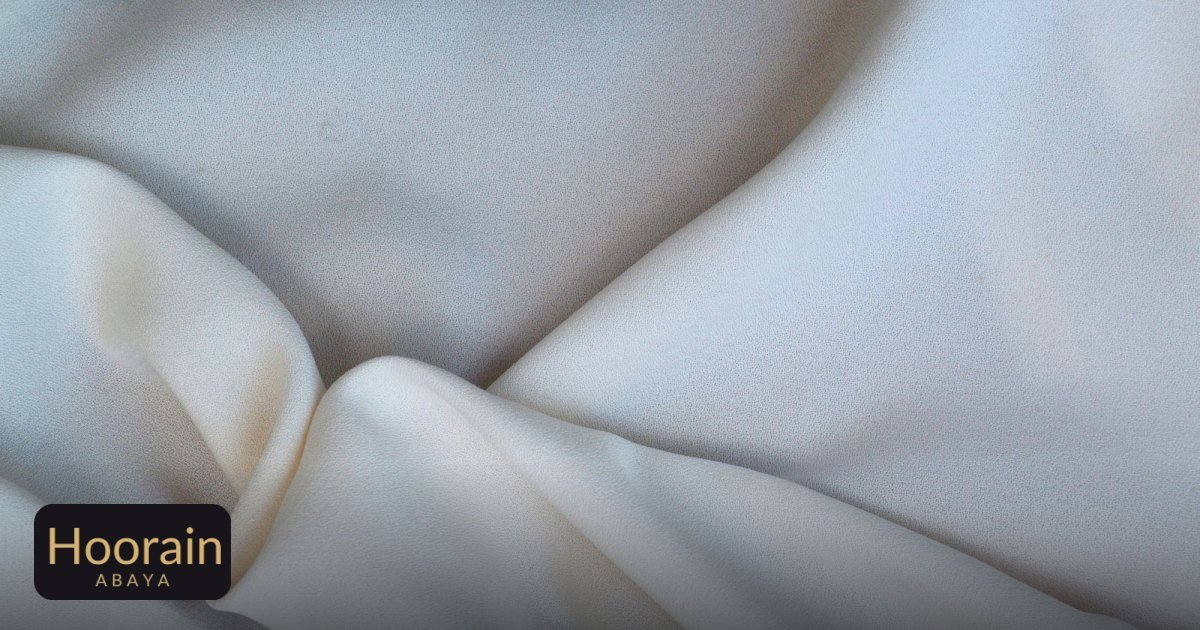
Crepe is a popular choice for everyday abayas due to its soft, slightly crinkled texture that adds visual interest without adding bulk. The fabric is typically woven from polyester, viscose or a blend, resulting in a lightweight material that drapes beautifully over the body. Its inherent breathability makes it suitable for the GCC’s hot days, as air can circulate through the fine weave, helping to dissipate heat.
One of crepe’s strengths lies in its moisture‑wicking capability; the fibres draw sweat away from the skin and evaporate it quickly, keeping the wearer feeling dry. Additionally, crepe resists wrinkling, meaning an abaya maintains a polished appearance even after a long day of travel or meetings. The fabric’s subtle sheen adds a touch of sophistication, allowing it to transition seamlessly from casual daytime outings to more formal evening events.
When selecting crepe, consider the fibre composition: viscose‑rich blends tend to feel cooler, while polyester‑dominant versions offer greater durability and colour retention.
Silk: Luxurious Comfort in Humid Conditions
Silk, renowned for its natural luster and smooth hand feel, offers a unique blend of luxury and practicality for the GCC’s occasional humid spells. The protein‑based fibres are inherently breathable, allowing air to pass through while retaining a gentle warmth that prevents the fabric from clinging to the skin when humidity rises.
Silk’s excellent moisture‑absorption properties enable it to manage perspiration effectively; it can hold up to a third of its weight in water without feeling damp, then releases the moisture gradually as it dries. This quality makes silk abayas comfortable during evenings when the sea breeze brings higher moisture levels, especially in coastal areas.
Despite its delicate reputation, modern silk blends—often combined with a small percentage of polyester or nylon—enhance durability and reduce the risk of snagging, while preserving the fabric’s signature sheen. Careful handling, such as gentle hand washing or professional dry cleaning, ensures the longevity of the luxurious finish.
Linen: Breathable Choice for Summer Heat
Linen, derived from the flax plant, stands out as the most breathable natural fibre, making it an excellent candidate for the intense summer heat across the GCC. Its loosely woven structure creates ample channels for air flow, allowing heat to escape and keeping the wearer cool even when temperatures climb well above thirty degrees Celsius.
| Attribute | Linen | Crepe | Silk |
|---|---|---|---|
| Air permeability | Very high | Moderate | Good |
| Moisture absorption | Excellent | Good | Very good |
| Weight | Light to medium | Light | Light |
| Wrinkle tendency | Prone to creasing | Resistant | Low |
While linen does wrinkle easily, this natural texture is often embraced as part of its relaxed aesthetic, especially for casual or semi‑formal abayas. The fabric also possesses natural antibacterial properties, which help maintain freshness during long, hot days. For added structure, designers may incorporate a light interfacing or blend linen with a small amount of cotton, ensuring the abaya retains its shape without sacrificing breathability.
Comparing Care and Durability of Creape, Silk and Linen
When selecting an abaya for the hot, humid climate of the GCC, the way a fabric responds to everyday wear and washing is as important as its visual appeal. Crepe, with its tightly twisted yarns, offers a resilient surface that resists wrinkling and holds colour well. It tolerates gentle machine cycles on a cold setting, and a brief hand‑wash in lukewarm water is sufficient for most stains. Over‑time, crepe maintains its drape without becoming brittle, making it a reliable choice for daily wear.
Silk, by contrast, is a natural protein fibre that feels luxuriously smooth but demands more delicate handling. It should be hand‑washed or dry‑cleaned to preserve its sheen; harsh detergents or high temperatures can cause fibre loss and a dull finish. In the GCC heat, silk may feel warm against the skin, and repeated exposure to salt‑laden sea breezes can accelerate fading if not properly protected.
Linen, derived from flax, is celebrated for its breathability and strength. It thrives on regular machine washes at moderate temperatures and becomes softer with each wash. While linen wrinkles easily, this is often embraced as part of its casual charm. In terms of longevity, a well‑maintained linen abaya can outlast both crepe and silk, especially when stored away from direct sunlight.
Styling Tips for Each Fabric in Modest Fashion
Understanding how each material behaves helps you pair it with the right accessories and silhouettes for modest ensembles.
- Crepe: Its fluid drape works beautifully with layered looks – think a long‑sleeved, high‑neck top underneath and a wide‑leg abaya that glides gracefully. Pair with structured leather sandals and a slim belt to accentuate the waist without adding bulk.
- Silk: Opt for sleek, minimalist cuts that let the fabric’s natural sheen speak for itself. A silk abaya in a muted pastel pairs well with delicate gold jewellery and soft, pointed toe flats. Avoid heavy embellishments that can weigh down the light fabric.
- Linen: Embrace relaxed tailoring – a slightly oversized silhouette, subtle pleats, or a wrap‑style abaya enhances linen’s casual elegance. Complement with woven straw bags, wooden jewellery, and low‑heeled espadrilles for a breezy, daytime‑ready look.
In all cases, consider the climate: lighter colours reflect heat, while modest layering with breathable fabrics ensures comfort without compromising style.
Verdict: Choosing the Best Abaya Fabric for Your Lifestyle
For professionals who need a polished appearance throughout long workdays, crepe offers the perfect blend of durability and low‑maintenance care. Its resistance to wrinkling means you can travel from Dubai’s office towers to Doha’s desert retreats without constant ironing, and the fabric’s modest drape works well with both fitted and flowing cuts.
If you attend formal events or prefer an elevated, luxurious feel, silk remains the go‑to choice – provided you’re willing to invest time in gentle cleaning and storage. Its natural luster adds an instant touch of sophistication to evening gatherings in Abu Dhabi or Riyadh.
Those who prioritise comfort, sustainability, and a relaxed aesthetic will find linen unrivalled. Its breathability keeps you cool during the scorching summer months, and its robust nature ensures the garment ages gracefully, making it ideal for weekend outings, family gatherings, or casual office environments.
Ultimately, the “best” fabric aligns with how you balance maintenance, climate comfort, and the occasions you dress for. By matching the fabric’s inherent qualities to your daily routine, you’ll enjoy an abaya that looks elegant and feels appropriate for the GCC climate year after year.
Explore the full range in our abaya collection to find your next piece.
Frequently Asked Questions
Which fabric is most breathable for daily wear in the UAE?
Linen offers the highest breathability, making it ideal for everyday wear in hot, humid conditions.
Can silk abayas be worn comfortably during the summer?
Silk can be comfortable if it’s a lightweight, natural silk blend that allows airflow, but it may feel warmer than linen.
How does crepe perform in terms of wrinkle resistance?
Crepe tends to resist wrinkles better than linen, maintaining a smooth appearance with minimal ironing.
What is the best way to care for a linen abaya?
Gentle hand wash or a delicate machine cycle with cold water, followed by air‑drying, preserves linen’s softness and shape.
Is it advisable to mix fabrics, like a silk‑lined crepe abaya, for the GCC climate?
Combining a breathable outer fabric such as crepe with a silk lining can add comfort and a touch of luxury while still managing heat.
Shop the collection at Hoorain Abaya →