Sustainable Abaya Fabrics UAE: Top 10 Choices for 2026
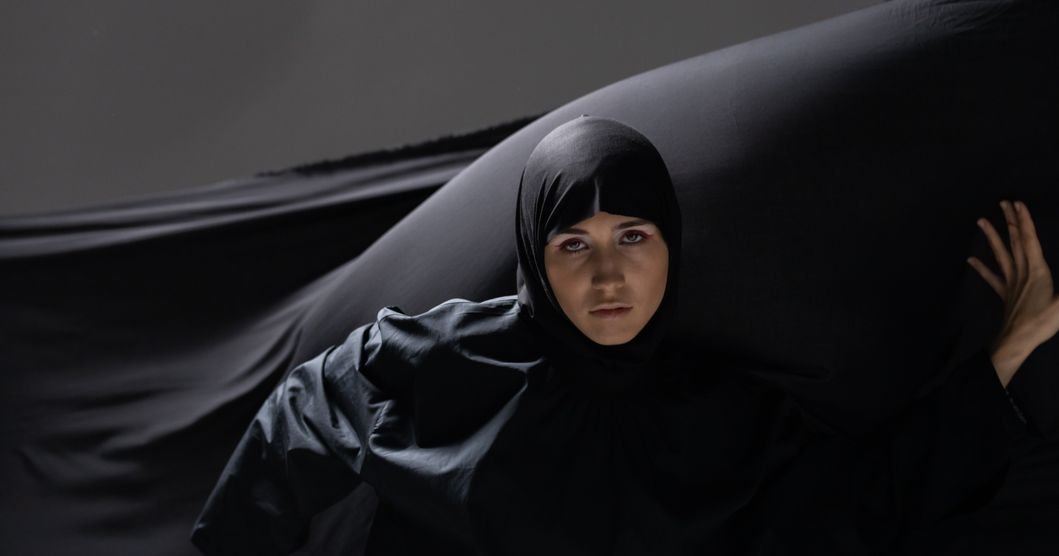
Photo by cottonbro studio on Pexels · Source
In the ever‑evolving world of modest fashion, the UAE’s discerning clientele are seeking elegance that respects both tradition and the planet. Sustainable fabrics are no longer a niche; they are becoming the cornerstone of contemporary abaya design, offering comfort, durability and a reduced environmental footprint.
Why Sustainable Fabrics Matter for UAE Abayas
The Gulf’s climate presents unique challenges: soaring temperatures, high humidity and occasional sandstorms demand textiles that breathe, drape gracefully and stand up to wear. Sustainable fibres often excel in these areas because they are produced with lower water usage, reduced chemical inputs and a focus on circularity. By choosing eco‑friendly materials, designers not only lessen the carbon intensity of their collections but also respond to a growing consumer conscience that values transparency and ethical sourcing.
Moreover, the UAE’s Vision 2030 emphasises environmental stewardship, encouraging fashion houses to align with national sustainability goals. When an abaya is crafted from responsibly sourced fabric, it becomes a statement of pride—showcasing cultural heritage while championing a greener future for the region.
Organic Cotton: Classic Comfort with a Green Edge
Organic cotton remains a beloved staple for modest wear, offering a soft hand feel that is gentle against the skin—particularly important for layered abayas worn throughout the day. Grown without synthetic pesticides or fertilisers, this fibre reduces soil degradation and protects local biodiversity, a vital consideration in the arid landscapes surrounding the UAE.
Its natural breathability makes it ideal for the hot summer months, allowing air to circulate while maintaining modest coverage. Designers appreciate its versatility; it drapes elegantly for flowing silhouettes yet holds structure for tailored pieces. When dyed with low‑impact, plant‑based colours, organic cotton retains its vibrant hues without compromising the environment.
Because the cultivation process avoids harmful chemicals, the end‑product is hypo‑allergenic, reducing the risk of skin irritation—a subtle yet significant benefit for those with sensitive skin.
Tencel Lyocell: Softness Meets Eco‑Efficiency
Tencel Lyocell, derived from sustainably managed eucalyptus forests, combines luxurious softness with a production cycle that recycles the majority of its solvents. The closed‑loop process dramatically lowers water consumption compared to conventional rayon, aligning perfectly with the UAE’s water‑conscious ethos.
Its smooth, silk‑like texture lends an upscale finish to abayas, while its inherent moisture‑wicking properties keep the wearer cool and dry in the desert heat. The fibre’s natural resistance to wrinkles means garments retain a crisp appearance throughout long days of prayer, work or social gatherings.
| Attribute | Organic Cotton | Tencel Lyocell |
|---|---|---|
| Source | Grown on farms without synthetic chemicals | Eucalyptus trees from certified sustainable forests |
| Water Use | Moderate, but lower than conventional cotton | Significantly lower; closed‑loop processing recycles water |
| Feel | Soft, natural cotton hand | Silky, smooth, almost buttery |
| Durability | Good, improves with gentle washing | High tensile strength; resists pilling |
For designers seeking a fabric that marries opulence with responsibility, Tencel offers a compelling choice that meets both aesthetic and ecological criteria.
Recycled Polyester: Turning Plastic Waste into Luxury
Recycled polyester (rPET) transforms post‑consumer PET bottles and industrial textile scraps into a high‑performance fibre that mimics the sheen and durability of virgin polyester without the associated fossil‑fuel extraction. In the UAE, where plastic waste management is a growing concern, rPET provides a tangible solution by diverting material from landfills and marine environments.
The fibre’s lightweight nature makes it ideal for layered abayas, offering a fluid drape that moves gracefully with the wearer. Its inherent resistance to stretching and shrinking ensures that garments retain their silhouette even after repeated wear in the bustling streets of Dubai or the cooler evenings of Abu Dhabi.
Advances in dye‑technology now allow rPET to be coloured with low‑impact, water‑saving processes, preserving the vibrant palettes favoured in contemporary modest fashion. When blended with natural fibres such as organic cotton or Tencel, recycled polyester adds strength and a subtle luster, creating a balanced textile that feels as luxurious as it is responsible.
Hemp Blend: Durable, Breathable, and Sustainable
Hemp has moved from niche textile to mainstream runway material, and its blend versions are now a favourite among modest fashion designers in the UAE. The fibres are naturally strong, meaning an abaya crafted from a hemp‑cotton or hemp‑linen blend can withstand the rigours of daily wear while retaining a soft drape. In the hot, humid climate of the Gulf, hemp’s breathability is a decisive advantage; the fabric allows air to circulate, helping the wearer stay cool without sacrificing modest coverage.
From a sustainability perspective, hemp grows rapidly – often reaching full height in just four months – and requires minimal water or pesticides. Its root system also improves soil health, making it a regenerative crop. When blended with other natural fibres, hemp reduces the need for synthetic finishes, keeping the garment’s carbon footprint low. Moreover, the fibres are biodegradable, so at the end of their life they return to the earth without leaving micro‑plastic residues.
Designers appreciate the subtle, earthy texture of hemp blends, which adds a touch of understated elegance to the traditional silhouette. Whether you prefer a sleek, monochrome look or a muted, earthy tone, hemp‑based fabrics provide a versatile canvas for contemporary abaya styles.
Bamboo Viscose: Naturally Antibacterial and Silky
Bamboo viscose has become a staple for luxury modest wear, offering a silky sheen that rivals silk while remaining firmly rooted in sustainability. The process begins with bamboo pulp, a fast‑growing grass that thrives without fertilisers or irrigation in many parts of the world. This raw material is then transformed into a viscose fibre through a closed‑loop system that recovers and re‑uses the majority of chemicals, dramatically reducing environmental impact.
The finished fabric is remarkably soft, with a smooth surface that glides over the skin – an ideal quality for abayas that need to flow gracefully. Its natural antibacterial properties mean the material resists odour build‑up, a valuable trait for garments worn throughout the long, warm days of the UAE summer. Additionally, bamboo viscose is highly breathable; its micro‑porous structure wicks moisture away, keeping the wearer comfortable in both indoor air‑conditioned spaces and outdoor heat.
From a styling standpoint, bamboo viscose drapes beautifully, allowing designers to create fluid silhouettes without excessive weight. It also accepts dye well, offering a rich palette of colours that remain vibrant after repeated washes. For those seeking a blend of elegance, comfort, and eco‑consciousness, bamboo viscose stands out as a top choice.
Verdict: Choosing the Right Sustainable Fabric for Your Abaya
Selecting the perfect sustainable fabric involves balancing aesthetics, performance, and environmental credentials. Below is a quick checklist to help you decide which material aligns best with your lifestyle and design preferences:
- Climate suitability: Opt for breathable blends like hemp for hot, humid days; choose moisture‑wicking bamboo viscose for active wear.
- Texture and drape: If you desire a silk‑like sheen, bamboo viscose delivers; for a more structured, earthy feel, hemp blends excel.
- Care requirements: Hemp blends generally tolerate machine washing, while bamboo viscose may benefit from gentle cycles to preserve softness.
- Eco‑impact: Both fabrics score highly, but hemp’s low water usage and soil‑enhancing qualities give it a slight edge in regenerative farming.
- Design versatility: Consider colour retention – bamboo viscose holds deep hues well, whereas hemp offers a natural, muted palette.
Ultimately, the best sustainable abaya fabric is the one that feels right on your skin, supports the climate of the UAE, and aligns with your commitment to responsible fashion. By choosing hemp blend or bamboo viscose, you invest in quality, comfort, and a greener future for modest style.
Frequently Asked Questions
What makes a fabric sustainable for abayas in the UAE?
A sustainable fabric is sourced responsibly, uses minimal water or chemicals, and often incorporates recycled or renewable fibres, reducing environmental impact while maintaining comfort.
Is organic cotton suitable for the hot UAE climate?
Yes, organic cotton is breathable and moisture‑wicking, making it comfortable in warm weather while offering a low‑impact production process.
How does recycled polyester compare to virgin polyester in terms of durability?
Recycled polyester retains the strength and resilience of virgin polyester, offering the same durability for daily wear while diverting plastic waste from landfills.
Can hemp fabrics be dyed easily for vibrant abaya designs?
Hemp readily accepts natural and synthetic dyes, allowing designers to achieve rich colours without compromising the fabric’s eco‑friendly credentials.
Are bamboo viscose fabrics hypoallergenic?
Bamboo viscose is naturally antibacterial and gentle on the skin, making it a good choice for those with sensitivities, while also providing a silky drape ideal for abayas.