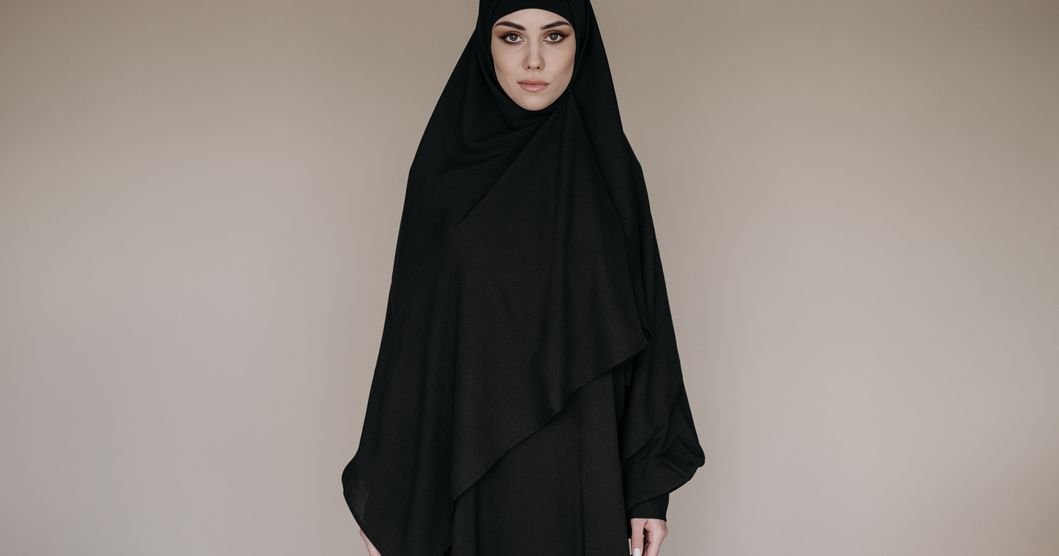
Choosing the Right Abaya for Your Body Shape
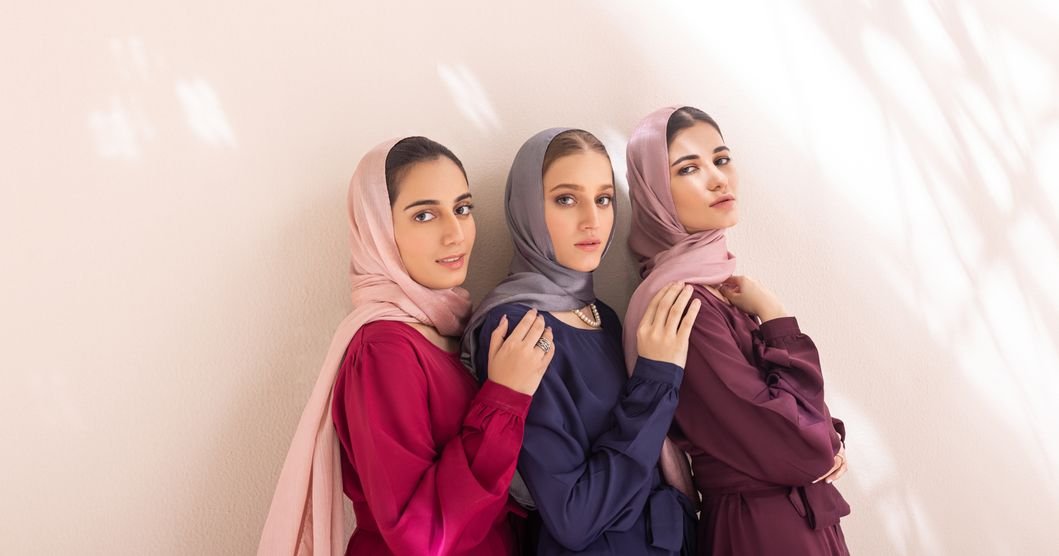
Photo by The Hijab Company on Pexels · Source
The right abaya for your body shape is less about a size on a label and more about where the fabric falls, how the collar sits, and whether the cut echoes or corrects your natural line. Once you know your shape, whether pear, apple, hourglass, or rectangle, choosing an abaya for your body shape stops being guesswork and becomes a short checklist you can run through in any shop or product page.
How Do You Find the Right Abaya for Your Body Shape?
Start by looking at where your body carries the most width: shoulders, waist, or hips. That single observation decides almost everything else. An abaya for your body shape should either balance a wider area with a matching detail elsewhere, or leave a narrower area alone rather than adding bulk it does not need.
Stand in front of a mirror in a fitted top and note three measurements by eye rather than tape: shoulder line, waist definition, and hip width. If your shoulders and hips look similar and your waist is noticeably narrower, you likely have an hourglass frame. If your hips are visibly wider than your shoulders, you are working with a pear shape. Fuller through the middle with a less defined waist points to an apple shape, and similar width across shoulders, waist, and hips is the rectangle profile.
None of these shapes need "fixing." The point of matching an abaya to your body shape is to let the garment work with your proportions instead of fighting them.
What Is the Best Abaya for a Pear-Shaped Body?
A pear shape carries more width at the hips than the shoulders, so the most flattering abaya for your body shape adds a little visual interest up top and keeps the lower half clean.
Structured collars and shoulder detail balance the hips.
A Farasha-style wrap with a defined collar, a subtle shoulder yoke, or a contrast trim at the neckline draws the eye upward and creates the illusion of a wider shoulder line. This is the single most effective adjustment for a pear silhouette.
Let the skirt fall straight instead of gathering.
Avoid heavy pleating or a flared hem that sits right at the widest point of the hips, since extra volume there exaggerates rather than balances the shape. A straight, uncluttered drape from waist to hem reads as far more polished.
Fabric choice matters here too. A mid-weight crepe holds its shape without clinging, which is exactly what a pear frame wants: enough structure to skim past the hips cleanly, without enough stiffness to add bulk.
Which Abaya Suits an Hourglass Figure Best?
An hourglass frame already has a naturally defined waist, so the goal of an abaya for your body shape here is to reveal that proportion rather than hide it under loose fabric.
A belted or wrap-front abaya echoes your existing line.
A soft tie belt, a wrap closure, or even a stitched waist seam will do more for an hourglass shape than any other single design choice. It should sit at the natural waist, not above or below it, so the balance between shoulders and hips stays intact.
Avoid boxy, unstructured cuts.
A completely straight-cut abaya with no waist definition can flatten an hourglass silhouette, making a naturally balanced frame look shapeless. If you prefer a looser style for comfort, a removable belt keeps the option open without committing to a fitted look every time.
How Should an Apple-Shaped Body Choose an Abaya?
An apple shape carries more fullness through the midsection, with shoulders and hips that are closer in width. The right abaya for your body shape in this case skims rather than clings at the waist.
Flowing Kimono and Butterfly cuts move attention outward.
These wider-sleeved, looser-through-the-body styles let fabric fall away from the midsection instead of settling against it. Attention naturally shifts to the sleeves and hemline, both of which can carry embroidery or a contrast trim without adding visual weight where you don't want it.
Skip tight belting at the natural waist.
A snug belt directly across the fullest part of the midsection works against an apple shape rather than for it. If you like the look of a belt, wear it slightly looser and let it sit just under the bust instead, which still defines the silhouette without pulling fabric tight across the middle.
What Works for a Rectangle Body Shape?
A rectangle frame has fairly similar width at the shoulders, waist, and hips, so an abaya for your body shape here has more room to experiment, since there is no area to minimise or a strong existing waist to protect.
Belts and wrap details create a waistline.
This is one of the few shapes where cinching in at the waist is almost always a safe choice. A fitted belt, a wrap front, or a tailored waist seam introduces a curve that the body doesn't naturally have, which is often exactly the effect a rectangle frame is looking for.
Layering and panel detail add dimension.
A two-tone panel, a layered front, or an asymmetric hem breaks up a straight-up-and-down line in a way that reads as intentional styling rather than a shapeless fit.
Does Fabric Weight Change How an Abaya Fits Your Shape?
Fabric is doing more work than most people realise when it comes to choosing an abaya for your body shape. The same cut can look completely different depending on what it's made from.
Heavier, structured fabrics such as matte or textured crepe hold their own shape rather than following every curve underneath, which suits fuller figures who want a clean, composed line. Lighter fabrics like soft twill or silk-touch Nida drape close to the body and move with each step, which flatters slimmer frames wanting a bit more fluidity. If you're unsure which weight will suit you, a mid-weight pearl weave or satin trim crepe is the safest starting point across almost every shape.
How Do I Get the Right Fit Once I Know My Shape?
Shape tells you which cut and detailing to look for; fit tells you which size to actually buy. Both matter, and getting one right without the other still leaves you with an abaya that doesn't quite work.
Always size for your shoulders and bust first, since these are the hardest points to alter after the fact. Length and even hem width can be adjusted by a tailor far more easily than a shoulder seam that's pulling. For a full walkthrough of taking your own measurements before you buy, see our abaya size guide, and if you're petite or working with a fuller frame specifically, our petite fit guide and plus-size fit guide go deeper into those adjustments.
It's also worth reading up on cut families themselves before you shop by shape. Our open versus closed abaya comparison covers how the front closure alone changes how a silhouette reads, which pairs naturally with everything above.
If you're shopping online rather than in person, hold up whatever you're wearing right now against a full-length mirror before you decide on a size or cut. Note where your own clothing pulls, gapes, or sits loosely, then use that as a reference point against the product photos and measurements listed for any abaya you're considering. A few extra minutes spent here saves far more time than a returned order, and it makes choosing an abaya for your body shape a repeatable habit rather than a one-off guess.
Finally, remember that a single wardrobe can hold more than one answer. Most women don't dress the same way for a formal event as they do for a regular day out, so it's worth owning at least one structured, fitted style and one looser, more relaxed cut, even after you've settled on the general shape rules above. Rotating between the two keeps your wardrobe flexible without undoing anything you've learned about what an abaya for your body shape should actually look like on you.
Frequently Asked Questions
What is the best abaya for a pear-shaped body?
Look for an abaya for your body shape that adds structure on top, such as a Farasha-style wrap with a defined collar or a subtle shoulder detail, while letting the skirt fall in a straight, uncluttered line so the eye balances between the shoulders and hips.
How do I choose an abaya if I have an hourglass figure?
An hourglass frame usually looks best in a belted or wrap-front abaya that follows the natural waist without clinging, since the goal is to echo your existing proportions rather than hide them under excess fabric.
What abaya style suits an apple-shaped body?
A flowing Kimono or Butterfly cut that skims over the midsection and draws attention to the sleeves and hemline works well, avoiding tight belting directly at the natural waist.
Can a rectangle body shape wear a belted abaya?
Yes, a rectangle frame benefits most from a belt or wrap detail, since it is one of the few style choices that actively creates a waistline where the body's natural silhouette runs fairly straight.
Does fabric weight matter when choosing an abaya for body shape?
Yes, heavier fabrics like matte or textured crepe hold structure and suit fuller figures that want a clean line, while lighter fabrics such as soft twill or silk-touch Nida drape closer to the body and suit slimmer frames wanting movement.
Should I size up for comfort or size down for shape?
Always size for your shoulders and bust first and have the length adjusted rather than sizing down, since an abaya that pulls across the widest point of the body will misrepresent the cut no matter how flattering the style is.
Ready to find your shape's best match? Shop the collection at Hoorain Abaya →