Petite Fit Guide for Abayas

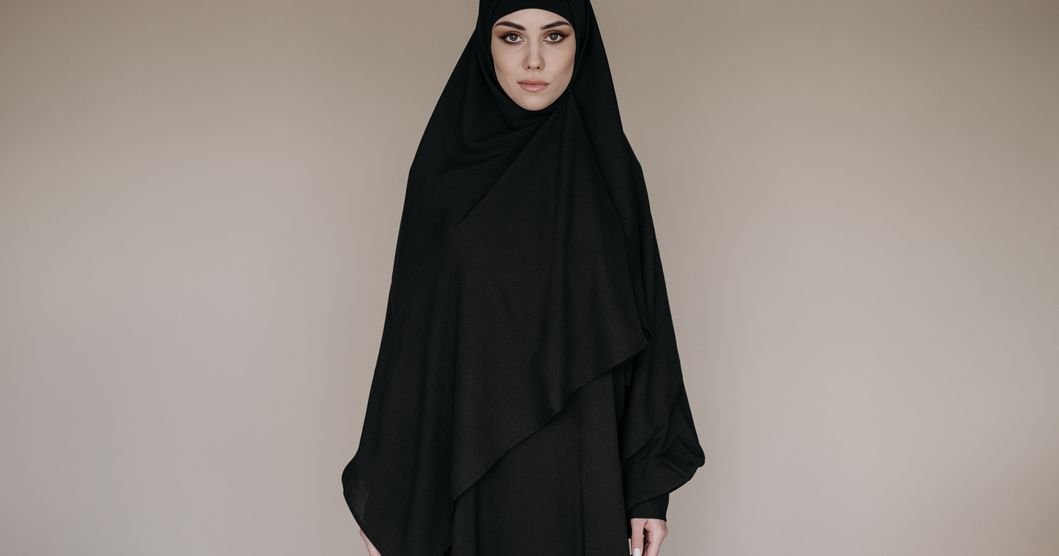
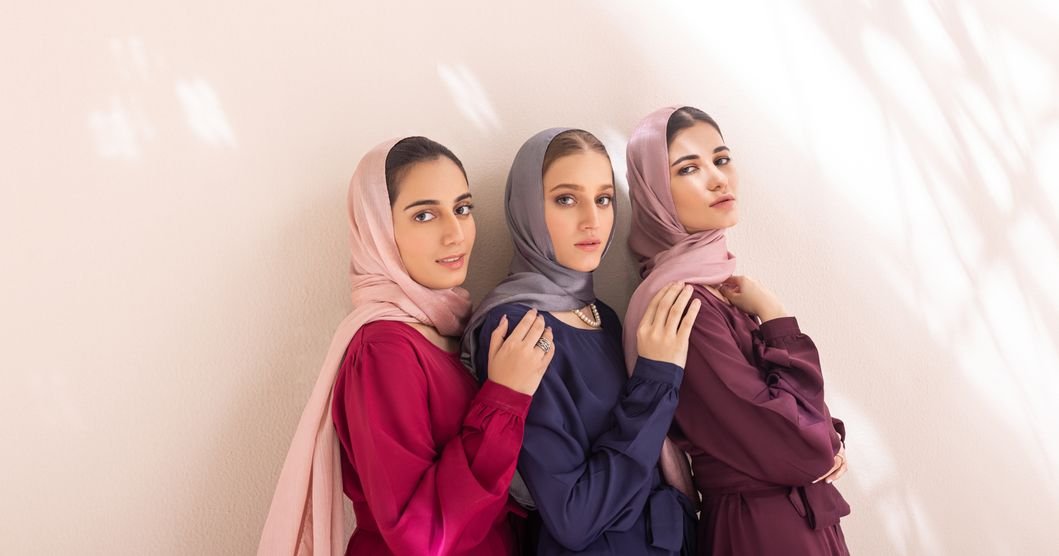
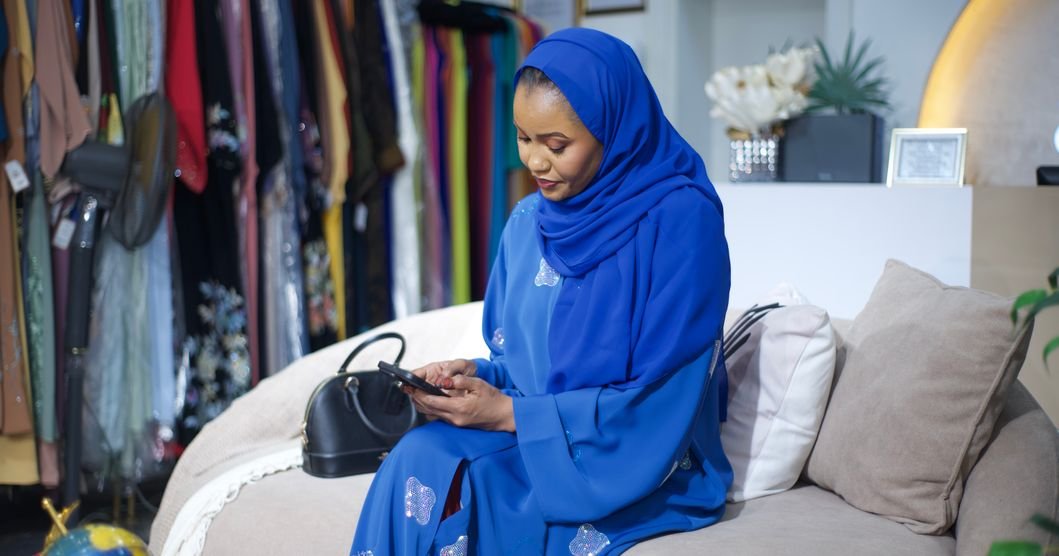
Photo by The Hijab Company on Pexels · Source
Introduction: Elevating the Petite Silhouette in Luxury Modest Wear
At Hoora Abaya, we believe that true elegance is a matter of proportion, not stature. Rooted in the heart of the UAE, our design philosophy honors the timeless tradition of the abaya while innovating for the modern, cosmopolitan woman. For women of petite stature—generally defined as standing 5'4" and under—navigating the world of modest fashion often comes with unique styling challenges. Too often, off-the-rack garments designed for taller frames threaten to overwhelm a delicate silhouette, dragging on marble floors, drowning delicate wrists, or masking the natural lines of the body.
Yet, dressing a petite frame does not mean compromising on the drama, fluid movement, and regal presence that a luxury abaya commands. In fact, when meticulously tailored and styled with intention, a petite silhouette can carry some of the most striking, architectural designs in our collection. This comprehensive petite fit guide is curated to demystify the art of abaya sizing, fabric selection, and proportion play. Whether you are stepping out for a formal evening in Downtown Dubai, attending a daytime majlis, or navigating a busy workday in Abu Dhabi, mastering your petite fit ensures you always look effortlessly statuesque, poised, and impeccably polished.
The Golden Rule of Petite Sizing: Length First
When selecting a luxury abaya for a petite frame, length is the decision that matters most — everything else can be adjusted after. Start with the shortest length in our Size Guide that matches your height, then fine-tune shoulder and sleeve fit from there.
Our Hoora Abaya collection features lengths ranging from 50 inches (perfect for heights around 4'10" to 4'11") up to 62 inches for heights above 5'10". Choosing the length matched to your actual height — not the length you think looks best on the model photo — is the single biggest factor in whether an abaya reads as tailored rather than borrowed. When an abaya is excessively long, the excess pooling fabric breaks the natural vertical line of the body, instantly minimizing your height.
If you find yourself standing precisely between two lengths, your footwear choice becomes the deciding factor. If you plan to wear traditional embroidered heels, block heels, or stilettos regularly for events and gatherings across the GCC, size up to the longer option. Conversely, if your lifestyle calls for flat designer leather slides or chic loafers for daily errands, stick to the exact measurement corresponding to your barefoot height plus a minimal clearance.
Mastering Shoulder and Sleeve Proportions
While length is the primary visual anchor, the structural integrity of a luxury abaya lies in its shoulder construction and sleeve drop. A petite frame often features narrower shoulders relative to bust and hip measurements, which can occasionally make a standard, structured abaya pull slightly at the shoulder seam.
If that happens consistently when you try on a piece, we recommend sizing up one level rather than down. The extra ease at the shoulder is significantly easier to live with and alter if necessary, compared to fabric that strains or pulls across the upper back when you move your arms. A relaxed shoulder drop creates a more graceful, effortless drape.
Sleeve length requires equally careful attention. Ideally, your abaya sleeves should finish cleanly at or just above the wrist bone, allowing any bracelets or watch details to peek through, while preventing the fabric from swallowing your hands. If you fall in love with an abaya whose sleeves run slightly long, a light elastic gather at the cuff, a delicate button placket adjustment, or a quick visit to a professional tailor fixes the issue instantly without altering the magnificent drape of the rest of the garment.
Architectural Proportion Tricks for the Petite Frame
Creating height and elongation through clothing is an art form rooted in optical illusions and clean lines. By incorporating specific design elements into your wardrobe, you can transform how an abaya interacts with your height:
- Neckline Elevation: A slightly higher neckline, such as a modest mandarin collar or a structured closed-front design, draws the eye upward, instantly elongating the upper body on a petite frame.
- Vertical Detailing: Look for abayas featuring vertical design elements. A continuous front placket, a subtle central seam, cascading vertical embroidery, or linear panel lines read significantly taller than heavy horizontal trim, wide cuffs, or tiered ruffles.
- The Monochromatic Column Effect: Open abayas layered over a fitted inner dress (such as a matching slip or coordinated separates) in a uniform or tonal color palette create one unbroken vertical line rather than multiple horizontal visual breaks.
- Accessory Scaling: Avoid oversized, heavy proportions in your accessories. A smaller, structured luxury handbag and a closer-fitting, lightweight sheila or hijab keep the overall silhouette balanced and prevent the outfit from looking top-heavy.
Strategic Sizing: When to Size Up vs. Size Down
Navigating our Hoora Abaya size charts becomes second nature once you understand how ease and cut interact with your body type. Keep these guidelines in mind when making your selection:
- Size Up When: You are caught precisely between two sizes, you naturally prefer a more relaxed, flowing ease through the body, or you plan on wearing heavy winter layering underneath (such as cashmere sweaters during cooler desert evenings).
- Size Down Only When: You specifically desire a closer, more sculpted, coat-like fit, and you have already meticulously checked the shoulder ease in our full Size Guide measurement tables to ensure zero pulling.
Luxury Fabric Choices for Petite Silhouettes
The weight and drape of a fabric play an immense role in how an abaya flatters a petite figure. Heavy, stiff textiles can stand away from the body, creating unwanted volume and widening the silhouette. At Hoora Abaya, we source the finest materials from across the globe, ensuring that our petite clients have access to fabrics that move with grace and fluidity.
1. Premium Nidah and Silk Blends
Nidah fabric is a staple in GCC modest fashion due to its breathability in high temperatures and its soft, silky hand-feel. For petite frames, light-to-medium-weight Nidah is exceptional because it drapes close to the body without clinging, creating a sleek, elongated silhouette. Silk blends offer a subtle sheen that reflects light vertically, adding depth and dimension without bulk.
2. Lightweight Chiffon and Georgette Overlays
For open-front abayas intended for evening wear or special occasions, chiffon and georgette overlays provide ethereal movement. Because these fabrics are sheer and featherlight, they do not weigh down a shorter frame. When layered over a structured inner dress, they add luxurious texture while maintaining a streamlined vertical axis.
3. Structured Crepe for Tailored Lines
Matte crepe fabrics possess enough weight to hold architectural details—such as sharp lapels, structured shoulders, and clean paneling—while remaining soft enough to drape smoothly. Petite women can wear tailored crepe abayas with confidence, provided the shoulder seams and lengths are precisely aligned.
Styling for the GCC Climate and Lifestyle
Living and dressing in the UAE and the broader GCC region requires a delicate balance between traditional modesty, contemporary luxury, and climate realities. Air-conditioned indoor environments contrast sharply with outdoor warmth, meaning layering is both a practical necessity and a styling opportunity.
For the petite woman, daytime styling in cities like Dubai or Sharjah often benefits from breathable open-front abayas paired with lightweight linen-blend trousers and a crisp white cotton inner slip. This keeps the outfit grounded, airy, and sharp. For evening majlis gatherings, weddings, or formal dinners, transition into a closed-front embroidered abaya crafted from rich crepe or silk, paired with pointed-toe pumps that add precious inches and complete the sophisticated silhouette.
When selecting your sheila (headscarf), coordinate the fabric weight with your abaya. A heavy, opaque sheila can overwhelm a petite head and shoulder line; instead, opt for airy crinkled chiffon, lightweight Korean silk, or fine cotton-modal blends that drape softly and frame the face without adding excessive volume.
Care and Maintenance for Tailored Perfection
To preserve the pristine condition, color vibrancy, and exact measurements of your luxury Hoora Abaya, proper garment care is essential. Because petite fits rely heavily on precise lengths and clean drape lines, improper washing can lead to shrinkage or structural distortion.
- Washing Instructions: Always refer to the specific care label inside your abaya. For delicate fabrics featuring hand-stitched beadwork, metallic embroidery, or silk weaves, dry cleaning is strongly recommended to protect the embellishments.
- Hand Washing: If hand washing is permitted, use cold water and a mild, pH-neutral liquid detergent formulated for delicate garments. Never wring or twist the fabric; instead, gently press out excess water by rolling the abaya in a clean white towel.
- Drying: Hang your abaya immediately on a padded hanger in a shaded, well-ventilated area away from direct sunlight, which can fade rich dye pigments. Avoid machine tumble drying, as high heat can alter synthetic blend lengths and ruin delicate trimmings.
- Steaming: Use a professional garment steamer rather than a traditional iron to smooth out wrinkles. Hold the steamer a few inches away from the fabric, allowing the steam to relax the fibers vertically, which naturally helps maintain your tailored fit.
Frequently Asked Questions
How do I know my correct abaya length if I am 5'2"?
If you stand 5'2" (approx. 157 cm), our Size Guide typically recommends starting with a length of 52 or 54 inches. If you plan to wear heels regularly, opt for the 54-inch length; if you prefer flat shoes or sandals for daily wear, the 52-inch length will provide a clean, tailored finish without dragging on the ground.
Can I get my Hoora Abaya custom-altered if I am extra petite?
While our ready-to-wear collection is meticulously graded for various standard heights starting from 50 inches, many petite customers choose to take their abayas to a professional tailor for minor sleeve or hem adjustments. Because our cuts feature clean lines, simple local tailoring will not compromise the overall design integrity of the garment.
Are open abayas better than closed abayas for petite women?
Both styles work wonderfully, but they achieve different looks. Open abayas layered over a monochromatic inner slip create a continuous vertical column that instantly makes you look taller. Closed abayas offer a sleek, unified silhouette—just ensure the cut features vertical details or a high neckline to maintain an elongated appearance.
What fabric weights should petite women avoid?
Petite women should generally avoid excessively heavy, stiff, or thick bulky fabrics (such as heavy wools or overly rigid brocades) without proper structure, as they can overwhelm a delicate frame and add unwanted visual width. Instead, prioritize fluid, lightweight, and medium-weight textiles like premium Nidah, smooth crepe, and fine silk blends.