The Plus-Size Abaya Fit Guide: Getting the Drape Right
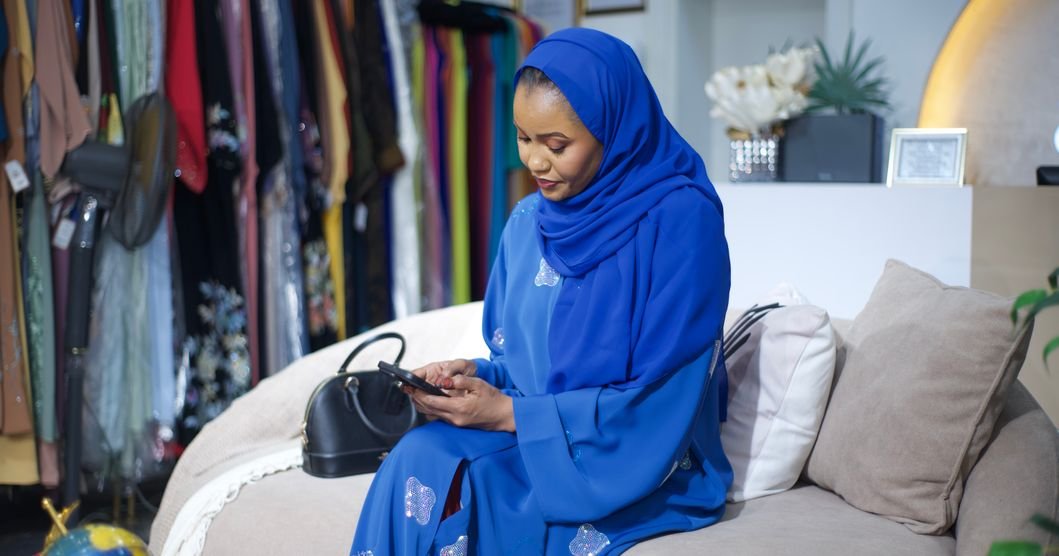
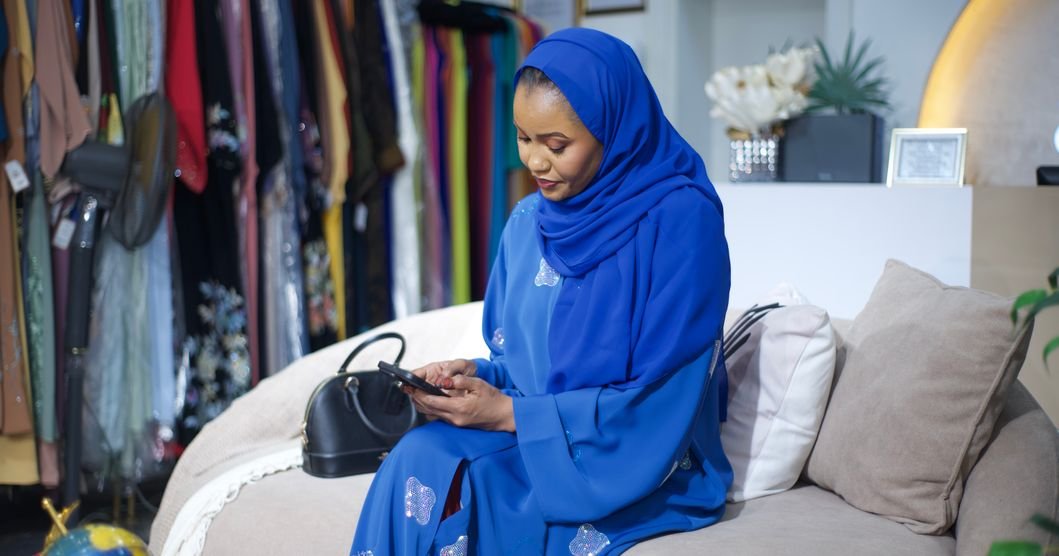
Photo by Taiye Salawu on Pexels · Source
The Plus-Size Abaya Fit Guide: Getting the Drape Right
Most "plus-size fit guides" for abayas boil down to one piece of advice: size up. That's not wrong, exactly — but it's only half the story, and on its own it can leave you with a bigger version of a garment that still doesn't sit right. The real fix usually has less to do with the number on the tag and more to do with fabric weight, where the ease sits, and how much a tailor is willing to touch.
In the vibrant fashion landscape of the UAE and the wider GCC region, the abaya remains our definitive style statement. From the bustling boardrooms of Dubai to grand family gatherings in Riyadh, our wardrobes are anchored by this singular, transformative piece. Yet, finding an abaya that honors fuller figures while maintaining that effortless, regal sweep can sometimes feel like a puzzle. Luxury modest fashion is not about concealment; it is about empowerment, comfort, and exquisite drape. Let us delve deeper into the mechanics of abaya tailoring, fabric selection, and styling to help you achieve a flawless silhouette every single time.
Sizing Up Isn't the Whole Fix
Going up a size adds room evenly across the pattern — more through the bust, the hip, the sleeve. That works fine if your proportions scale up evenly too. Most bodies don't. A lot of women size up for the hip and end up swimming through the shoulders, or size up for the bust and still feel snug across the hip on a closed abaya. If that's happened to you before, it's not a you problem — it's a pattern-grading problem, and the fix is usually a small tailor adjustment rather than a different size entirely.
The one place sizing up genuinely does its job well is sleeve circumference. Abaya sleeves are cut generously by design, but on a fuller upper arm they can still pull at the widest point if you size for the hip alone. If you only remember one thing from this: check the upper arm against the flat measurement before you check anything else.
Understanding Body Proportions in Modest Fashion
Every woman's body tells a unique story. In the GCC, our styling choices often reflect a blend of heritage modesty and contemporary haute couture. When shopping for luxury abayas online, relying solely on standard size charts can lead to frustration. A standard size 56 might accommodate your height, but what about your shoulder breadth versus your hip measurement?
Traditional abaya designs often feature a dropped shoulder or a raglan sleeve, which naturally accommodates varying shoulder widths. However, contemporary closed abayas with structured bodices require precision fitting. If you carry weight predominantly in your lower half (pear shape) or through your midsection (apple shape), standard linear grading will always let you down. This is why understanding garment construction is your greatest styling superpower.
Fabric Weight Changes Everything
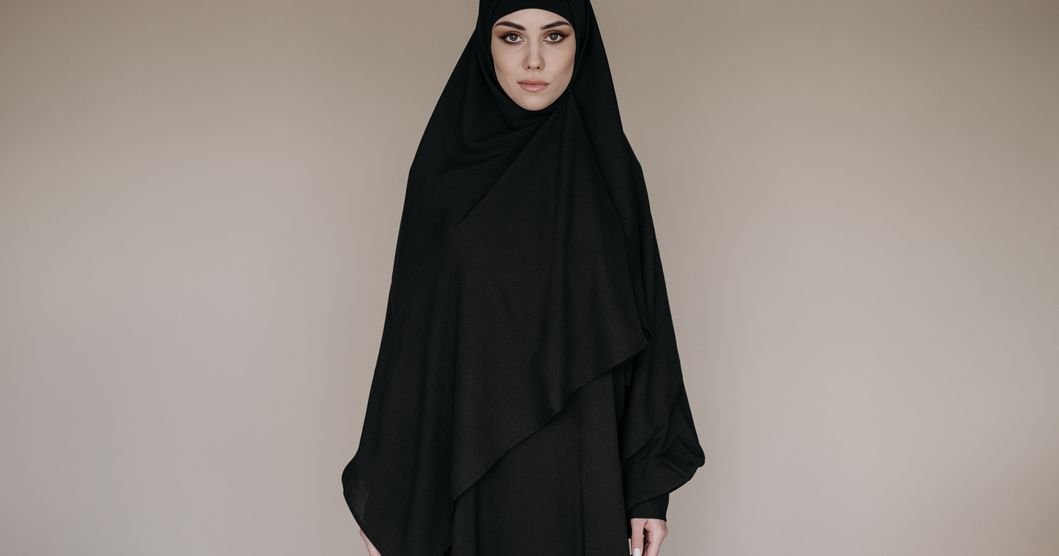
Two abayas in the same size, same cut, will fit differently depending on what they're made from. A stiff nida holds its own shape — which flatters some bodies and fights others, because it doesn't move with you, it moves around you. Softer weights like Soft Twill or Matte Crepe drape close enough to skim rather than cling, and they forgive a lot that a structured fabric won't. If you've tried a size before and it felt "off" in a way you couldn't quite name, it may not have been the size. It may have been the fabric fighting your shape instead of following it.
This matters more at the waist and hip than anywhere else. A belted or wrap-style abaya in a heavier fabric can sit rigidly at the point it's cinched, creating a hard line rather than a soft one. The Lina Desert Belted Wrap Oasis Abaya, cut in Premium Nida, is a good example of how this plays out — tied loosely at the natural waist rather than cinched tight, the wrap front and Butterfly drape do the flattering work themselves, no tight belt required.
Decoding Luxury Fabrics: What Works Best for Plus-Sizes
At Hoora Abaya, we source textiles from across the globe to ensure our pieces perform beautifully in the climate of the UAE and the broader Middle East. Here is how different fabrics interact with fuller silhouettes:
- Premium Nida: The gold standard for UAE abayas. It offers an opaque, luxurious finish with a subtle sheen. Medium-weight Nida provides excellent structure without feeling heavy, making it ideal for formal evening abayas.
- Matte Crepe: Incomparably fluid. Crepe has a natural micro-texture that allows the fabric to fall away from the body without clinging. It is breathable, highly wrinkle-resistant, and offers the ultimate graceful drape for daily wear.
- Soft Twill: Characterized by its diagonal weave, twill has a wonderful weight that anchors the abaya, ensuring it doesn't billow unpredictably in outdoor breezes while still offering exceptional softness against the skin.
- Jacquard and Brocade: These textured, patterned fabrics offer built-in visual interest. Because they are slightly heavier, they are best utilized in open-front abayas where the structure adds clean vertical lines to your overall silhouette.
Where a Tailor Should Actually Add, Not Remove
Here's something most people don't think to ask for: instead of taking a garment in, ask your tailor what they can let out. Most ready-to-wear abayas are cut with a deep hem and generous side seam allowance specifically so alterations can go either direction. If a closed abaya pulls slightly at the hip, a tailor can often let out an inch or two at the side seam using that allowance rather than you having to size up the whole garment — which keeps the shoulder and sleeve fit you already liked.
The Dalia Pearl Trim Wrap Front Luminous Abaya is worth mentioning here specifically because of its wrap-front construction in Jacquard Nida — a wrap front gives a tailor (or you) more room to adjust closure position after the fact than a fixed zip or button placket does. If you're between sizes, a wrap or tie closure is genuinely easier to live with long-term.
Building a Relationship with Your Tailor
In the UAE, exceptional tailoring is part of our lifestyle fabric. When you invest in a luxury piece from Hoora Abaya, treating your tailor as a partner in your wardrobe curation elevates your style exponentially. When bringing your abaya for adjustments, keep these professional tips in mind:
- Bring Your Footwear: Always wear the heels or sandals you intend to pair with the abaya. The break of the fabric at the floor changes dramatically based on a 2-inch heel versus flat designer slides.
- Test the Seated Fit: Stand, walk, and crucially, sit down in front of the fitting room mirror. An abaya that looks stunning standing still must also accommodate your movements comfortably when seated at a majlis or a fine-dining restaurant in Downtown Dubai.
- Preserve the Trim: If your abaya features intricate hand-embroidery, beadwork, or pearl detailing (like our signature pieces), ensure your tailor works strictly from the side seams or inner facings to protect the artistry on the cuffs and lapels.
What to Avoid
Clingy fabric is the obvious one, but the less obvious mistake is going too big everywhere just to be safe. Extra fabric pooling at the shoulder or bunching at the underarm reads as ill-fitting in photos even when it feels comfortable in person — and it can actually make the silhouette look larger than a properly-fitted piece one size down would. Fit isn't about hiding the body under fabric; it's about choosing a cut and weight that moves the way you move.
Another common pitfall is overloading a fuller frame with excessive horizontal details. Heavy tiers of ruffles, wide horizontal lace panels right across the hip, or oversized waist pockets can disrupt the long, vertical lines that naturally elongate and flatter a curvy figure. Instead, look for vertical embellishments, tonal embroidery running down the placket, and shoulder details that draw the eye upward.
Styling Tips for the Plus-Size Luxury Abaya Wardrobe
Mastering the fit is only the first step. How you style your abaya completes the narrative of modern modesty. Here is how to style your Hoora Abaya pieces for maximum elegance:
- Play with Vertical Layers: An open-front abaya worn over a tonal maxi slip dress or tailored wide-leg trousers creates two parallel vertical lines down the center of your body. This framing technique creates an instantly slimming, elongating effect.
- Strategic Cinching: If your abaya comes with a matching belt, avoid cinched-so-tight-it-hurts styling. Instead, tie the belt loosely at your natural waist or slightly higher (empire placement) to create soft, romantic blousing through the bodice.
- Accessorize with Intention: Pair your abayas with structured designer handbags and pointed-toe footwear. Pointed flats or heels peek out from beneath the hem of an abaya, extending the visual line of your leg and balancing the volume of flowing fabrics.
- Choose the Right Shayla: Balance is everything. If your abaya features heavy hand-embroidery around the neckline and front panels, opt for a minimalist, high-quality chiffon or matte crepe shayla in a complementary neutral tone.
Caring for Your Investment Abayas
Luxury abayas are crafted from delicate yarns, exquisite weaves, and often feature hand-applied embellishments. To maintain that just-bought drape and finish:
- Hand Wash or Professional Dry Clean: Always check the care label. For embellished pieces, professional dry cleaning is recommended to protect delicate threads, crystals, and pearls.
- Air Dry Flat or on Padded Hangers: Never wring out a luxury abaya. Allow excess water to drip away gently, and hang it on a wide, padded hanger to preserve the shoulder structure.
- Steaming Over Ironing: Heat from a traditional iron can scorch delicate nida or flatten the plush texture of crepe and jacquard. Use a professional garment steamer held a few inches away from the fabric to release wrinkles naturally.
Frequently Asked Questions
Should I size up for hips or shoulders if they don't match a standard size?
Size for the shoulder and upper arm first, since that's harder to alter after the fact. A tailor can usually let out the side seam or hip area using the built-in seam allowance most ready-to-wear abayas are cut with — but taking in a shoulder that's too big is a much bigger job.
Do heavier fabrics like nida work for a fuller figure?
They can, but they're less forgiving than a softer weight like Soft Twill or Matte Crepe, especially at the waist and hip. A stiffer fabric holds its own shape rather than following yours, which some people like structurally and others find unflattering. If in doubt, choose the softer weight.
Is it better to buy a size up and alter it, or buy true to size?
If your proportions are close to standard grading, true to size with a small alteration is usually the better outcome — it keeps the shoulder and sleeve fit intact. Sizing up across the board only makes sense if more than one measurement runs larger than standard.
How can I ensure my open-front abaya flatters my silhouette?
Opt for fluid fabrics like Matte Crepe or Soft Twill that skim rather than cling. Pair the abaya with a monochromatic inner slip dress and pointed footwear to create continuous vertical lines that elongate your frame.