Abaya Size Guide: How to Measure and Choose Your Length
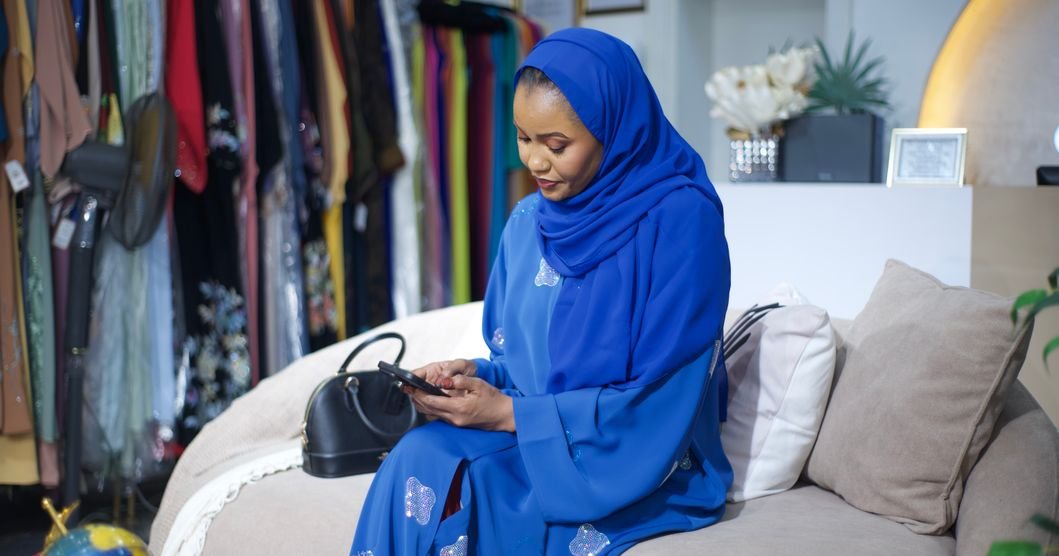
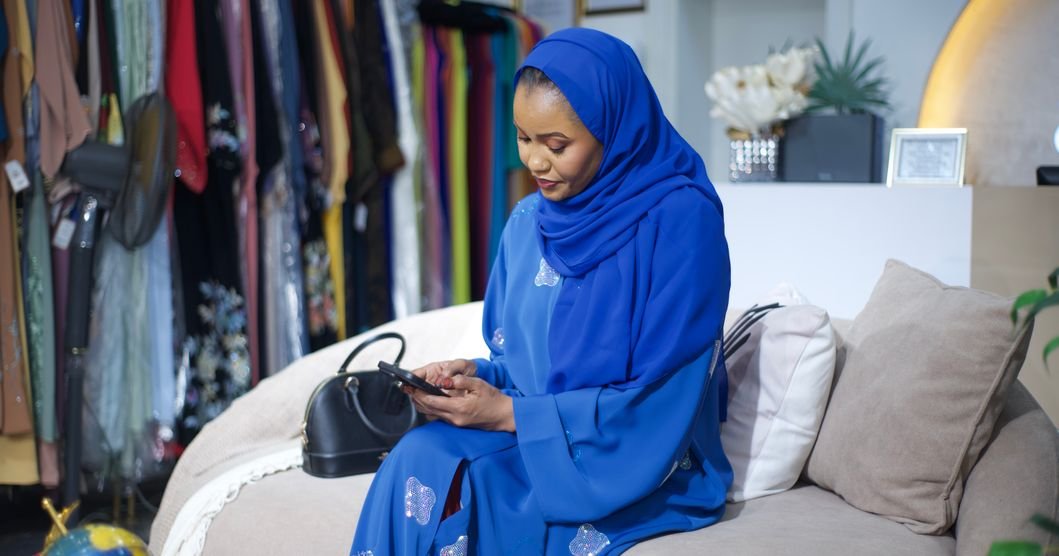
Photo by Taiye Salawu on Pexels · Source
To determine what size abaya do I need, you must evaluate two distinct measurements: your height to determine garment length (measured in inches from the highest point of your shoulder to the hem) and your bust, waist, and hip measurements to select your body fit size (ranging from XS to XXL). Unlike Western high-street clothing where a single standard dress size dictates every dimension of a garment, traditional abaya sizing separates vertical length from horizontal width. Selecting the perfect silhouette requires balancing your overall height, preferred footwear heel height, and body shape so your abaya drapes gracefully without trailing excessively on the ground or pulling across your shoulders.
How do abaya sizes actually work?
Navigating luxury modest fashion online begins with understanding that abaya sizing operates on a dual-axis system. The traditional numerical abaya size you see on the tag—such as 52, 54, or 56—refers exclusively to the total garment length in inches from the top of the shoulder down to the bottom hem. It is not an indicator of body width, bust size, or overall volume. Whether you are slender, curvy, or athletic, a woman who stands at 5 feet 4 inches will typically require a size 56 length, regardless of her build.
To accommodate various body types, modern boutiques pair this standardised length with a conventional body fit scale ranging from Extra Small (XS) to Extra Extra Large (XXL). This dual system ensures that an individual who needs a longer length due to her height does not automatically have to wear an overly broad, voluminous garment, nor does a petite woman with a fuller bust have to settle for an abaya that drags across the pavement.
Understanding garment length versus body shape
When you browse modest wear collections, recognising the boundary between length and fit is essential for an immaculate silhouette. Garment length dictates where the hemline settles relative to your footwear and the floor. Body fit, on the other hand, governs the chest cut, armhole depth, sleeve width, and sweep across the hips. Treating these two components as separate decisions eliminates the common frustration of buying outerwear that fits nicely around the shoulders but leaves your ankles exposed.
Deciphering the traditional numerical abaya size system
The numerical length system used throughout the United Arab Emirates and the wider Gulf region is designed to simplify online shopping once you master your personal baseline. Numbers move in two-inch increments from size 50 up to size 62. Each step corresponds to specific height ranges, providing a floor-length drape that remains graceful during daily movement, whether walking through air-conditioned malls or attending evening gatherings.
| Abaya length | Best height range | Approx. metric height | Typical finish |
|---|---|---|---|
| 50 in | 4'10"-4'11" | 147-150 cm | Petite / flats |
| 52 in | 5'0"-5'1" | 152-155 cm | Petite regular |
| 54 in | 5'2"-5'3" | 157-160 cm | Regular |
| 56 in | 5'4"-5'5" | 162-165 cm | Regular tall |
| 58 in | 5'6"-5'7" | 167-170 cm | Tall |
| 60 in | 5'8"-5'9" | 172-175 cm | Tall / heels |
| 62 in | 5'10"-6'1" | 178-185 cm | Extra tall |
How do you measure your body correctly for an abaya?
Achieving a tailored, bespoke feel from off-the-rack modest wear requires accurate home measurements. You will need a soft fabric measuring tape, a full-length mirror, and ideally an assistant to ensure the tape remains parallel to the floor. When measuring for an abaya, wear thin, fitted undergarments or lightweight loungewear to avoid adding false bulk to your true proportions. Keep the measuring tape comfortable against your body—firm enough not to slip, but loose enough to slide a finger beneath.
Begin by standing barefoot against a flat wall to measure your full height from the crown of your head to the floor. Next, locate the highest point of your shoulder, right where your neck meets your shoulder line. This point serves as the anchor for both your garment length measurement and your sleeve length calculations. Taking time to establish accurate anchor points prevents abaya size errors when transitioning between relaxed daytime tailoring and structured occasion wear.
Measuring your height and full shoulder width
To capture your full shoulder width, extend the measuring tape across the prominent curve of your back from the outer edge of your left shoulder bone to the outer edge of your right shoulder bone. This measurement is critical for ensuring freedom of movement. If an abaya is too narrow across the back shoulders, the sleeves will ride up whenever you reach forward or drive, placing unnecessary stress on decorative embroidery and seams.
Finding your bust, waist, and hip measurements
Measure your bust around the fullest part of your chest, keeping the tape horizontal across your back and under your arms. For your waist, measure around your natural waistline, typically located midway between your lowest rib and the top of your hip bone. Measure your hips around the widest part of your buttocks. When comparing these figures against our official size guide, always reference the largest measurement to ensure complete ease of movement throughout your day.
| Size | Bust body range | Waist body range | Hip body range | Suggested fit |
|---|---|---|---|---|
| XS | 80-84 cm | 62-68 cm | 86-92 cm | Petite / slim |
| S | 84-90 cm | 68-74 cm | 92-98 cm | Relaxed slim |
| M | 90-96 cm | 74-82 cm | 98-104 cm | Classic modest |
| L | 96-104 cm | 82-90 cm | 104-112 cm | Relaxed |
| XL | 104-112 cm | 90-100 cm | 112-120 cm | Generous |
| XXL | 112-122 cm | 100-112 cm | 120-132 cm | Generous plus |
How should you choose the right abaya length for your height?
Selecting your ideal abaya length is a matter of personal style, practical lifestyle needs, and chosen footwear. The traditional regional aesthetic favours a floor-grazing length that completely covers your ankles and understated footwear, leaving only the toes visible as you walk. However, modern lifestyles in the UAE often demand subtle variations depending on whether your day involves navigating office corridors or enjoying outdoor promenade strolls.
If your measured height places you squarely between two numerical abaya size brackets, your choice of daily shoes becomes the deciding factor. For instance, a woman standing 161 cm tall falls right between a size 54 and a size 56. If she primarily wears flat mules, sandals, or low sneakers, the shorter 54 inch length keeps the hem crisp and clean above the ground. If she routinely pairs her outerwear with elevated footwear, choosing the 56 inch option preserves that graceful floor-length drape.
Tailoring length to your daily footwear
Footwear transforms how an abaya hangs on your frame. As a reliable rule of thumb, you should add approximately 2 to 3 centimetres (or one full inch in garment length) to your baseline measurement if you regularly wear medium to high heels. Wearing elevated heels with a standard flat-foot length causes the hemline to hover awkwardly around the ankles, disrupting the continuous vertical line that gives the abaya its iconic elegance. Petite women seeking specific proportions can consult our tailored petite fit guide for abayas for additional styling advice.
What body fit size should you select from XS to XXL?
Once you have selected your garment length based on height and footwear, the next step in our abaya size guide is selecting your body fit size from XS to XXL. Abayas are inherently designed with modest ease in mind, meaning they are cut with more generous proportions than structured Western dresses. However, choosing the correct abaya size ensures that the shoulders sit properly, the chest fabric drapes smoothly without strain, and the garment flows seamlessly over your midsection.
Your chest and hip measurements should be your main reference points when choosing a body size. If your measurements indicate different sizes—for example, a Medium bust combined with Large hips—we strongly advise choosing the larger abaya size. An abaya that fits comfortably across the widest part of your body can always be styled, belted, or allowed to fall naturally, whereas a garment that binds across the hips creates pulls and compromises modesty.
Balancing bust and hip proportions gracefully
Women with pear-shaped or hourglass figures often worry about finding modest outerwear that fits without creating excess bulk around the bustline. Selecting an abaya size matched to your broadest measurement ensures fluid movement when sitting, walking, or climbing stairs. For a more detailed breakdown of accommodating fuller curves while maintaining clean lines, explore our plus size abaya fit guide.
Does open or closed abaya style change how you size?
The structural silhouette of an abaya plays a significant role in how forgiving the fit will be across different body types. Open abayas function similarly to luxurious long kimonos or light dusters, offering maximum versatility and flexibility in sizing. Because the front panels overlap loosely or remain open to reveal your inner outfit, open designs tolerate slight variations in bust and hip measurements without pulling out of shape.
Closed abayas, by contrast, require closer attention to overall body measurements. Because a closed garment encapsulates your entire body from neck to hem, it demands adequate stride ease across the hips and thigh area. If a closed abaya lacks sufficient width through the lower body, every step you take will pull against the front seam, resulting in visible tension across the fabric and restricting your natural walking gait.
Abaya size considerations for open front designs
When ordering an open abaya, your main focus should be shoulder fit and sleeve length. Since open styles layer over trousers, midi dresses, or tailored workwear, you need sufficient room in the armholes to avoid tightness when wearing long-sleeved undergarments. If you plan to wear thick winter layers beneath your outerwear during travel abroad, consider sizing up in your body fit choice while keeping your standard length.
Ensuring comfort and movement in closed abayas
Closed styles demand generous room through the torso and skirt sweep. Pay close attention to the hip measurement on the standard abaya size chart to verify that the fabric will not cling when you sit down. To discover which cut best complements your daily wardrobe routine, review our guide comparing open abaya vs closed abaya fit variations.
How does fabric choice influence how your abaya sits?
Fabric weight, texture, and weave alter how an abaya fits and falls against the body. Two garments crafted to the exact same numerical dimensions can feel strikingly different depending on whether they are woven from rich Nida, lightweight chiffon, or heavy textured crepe. Understanding these material characteristics helps you anticipate how a design will drape in real life.
Smooth, traditional Nida fabric is renowned for its sleek glide and medium weight, making it highly true-to-size and remarkably fluid. High-grade Korean Nida naturally skims over body contours without clinging, maintaining consistent lengths across seasons. Heavier matte fabrics, such as double crepe or wool blends designed for cooler climates, carry structural weight that pulls the hem slightly downward, enhancing the clean vertical drop of the garment.
Drapery and weight variations across popular fabrics
Sheer and ethereal materials like chiffon or delicate organza offer minimal structural weight. When fashioned into layered or pleated silhouettes, light fabrics expand slightly in volume, creating a romantic, airy outline that moves dynamically as you walk. To select textiles that suit the Gulf climate while maintaining your preferred fit, consult our comprehensive abaya fabric comparison guide.
How should occasion and bridal abayas fit across the shoulders?
Occasion, festive, and bridal abayas represent the pinnacle of modest luxury, frequently featuring intricate hand embroidery, delicate lace trims, metallic threads, or heavy crystal embellishments. These artisanal details alter the flexibility of the fabric, particularly around the shoulders, upper arms, and chest area. Unlike unadorned daily wear, heavily embroidered panels do not stretch or yield during movement.
When selecting an abaya size for luxury occasion wear, prioritize a generous shoulder and bust fit. An occasion abaya should never feel restrictive or tight across the back when you raise your arms or sit down during social events. If your shoulder width lands between two standard options on our chart, sizing up guarantees that dense beadwork and embroidery sit smoothly without puckering the delicate underlying fabric.
Protecting delicate embroidery with a generous shoulder fit
Dense hand-stitching adds weight to the upper torso and sleeves of luxury garments. Ensuring that the shoulder seam rests precisely at your shoulder bone prevents heavy embroidered motifs from pulling the neckline backward or causing tension across your chest. This careful attention to fit keeps high-end craftsmanship looking immaculate throughout evening celebrations.
What should you do if you are buying your first abaya online?
Purchasing modest outerwear online for the first time is a seamless experience when approached with accurate data and clear preferences. Begin by taking fresh measurements using a soft tape, keeping your typical daily footwear in mind. Rather than guessing based on standard European or American dress sizes, ground your decision strictly in our metric and imperial guidelines.
Consider your daily environment and practical needs before finalizing your order. If you reside in the warm UAE climate and frequently move between hot outdoor temperatures and chilly air-conditioned indoor spaces, comfort and breathable layering are paramount. Beginners looking for detailed styling inspiration can read our curated guide on choosing your first abaya to build a timeless foundation wardrobe.
Essential steps before placing your first online order
First, verify your height-to-length conversion. Second, measure your shoulder point-to-point distance to ensure free sleeve movement. Third, select a body fit (XS-XXL) that accommodates your largest torso dimension. Following these three steps guarantees that your new garment arrives ready to wear with flawless drape and complete comfort.
How can you make minor abaya size adjustments after ordering?
If your abaya arrives and feels slightly long due to a change in shoe preference, standard tailoring options make adjustments simple. Hemming an unembellished abaya is a quick process for any professional tailor. However, if your chosen piece features intricate lace or beaded borders along the hem, shorten the length from the waistline seam to preserve the delicate border detailing intact.
For garments that feel slightly loose around the waist, utilizing a matching fabric belt or internal waist tie offers instant structure without sacrificing modesty. Belting creates gentle, gathered pleats that shorten the apparent hemline by approximately one inch, allowing you to seamlessly transition the same abaya between high heels and flat slides.
Simple styling tips to perfect your silhouette
Layering offers another effective method for adjusting how an abaya hangs. Wearing a structured inner dress adds slight volume that holds lightweight fabrics outward, subtly lifting the hemline off the ground. Explore our complete abaya collection online to find versatile pieces tailored for every height, silhouette, and occasion.
Frequently Asked Questions
What does a size 56 abaya mean?
A size 56 abaya refers strictly to the garment's total length, measuring 56 inches from the highest point of the shoulder down to the bottom hem. It is designed for women who are approximately 5'4" to 5'5" (162–165 cm) tall, regardless of their standard body size or width.
How do I measure my abaya length accurately at home?
Stand straight against a wall without shoes. Measure from the top of your shoulder (where your neck meets your shoulder) straight down over the fullest part of your chest to the floor or your desired hemline. Keep the measuring tape straight for an accurate reading in inches.
What should I do if my measurements put me between two sizes?
If you fall between two abaya size options, choose based on your footwear. Select the longer length if you frequently wear high heels or prefer a trailing, floor-grazing drape. Choose the shorter length if you mostly wear flat sandals, loafers, or sneakers to prevent hem wear.
Should I add extra length to my abaya if I wear high heels?
Yes, if you regularly wear high heels, you should add 2 to 3 centimetres (roughly 1 inch) to your standard abaya length. This ensures the hemline continues to skim gracefully near the floor rather than rising awkwardly around your ankles when you stand in elevated shoes.
Is abaya size different between open and closed styles?
Yes. Open abayas offer a more flexible fit across the bust and hips because the front panels can overlap or hang open over your clothing. Closed abayas require precise bust, hip, and stride ease to ensure comfortable movement and prevent pulling across the fabric when walking.
Can I exchange my abaya if the fit isn't right?
Hoorain Abaya wants you to feel completely confident in your purchase. If your ordered abaya does not fit comfortably in length or body size, you can easily exchange it within our standard return and exchange period, provided the garment is unworn, unwashed, and retains all original tags.
Shop the collection at Hoorain Abaya →