Maternity Abaya Guide 2026: Dressing Comfortably Through Every Trimester
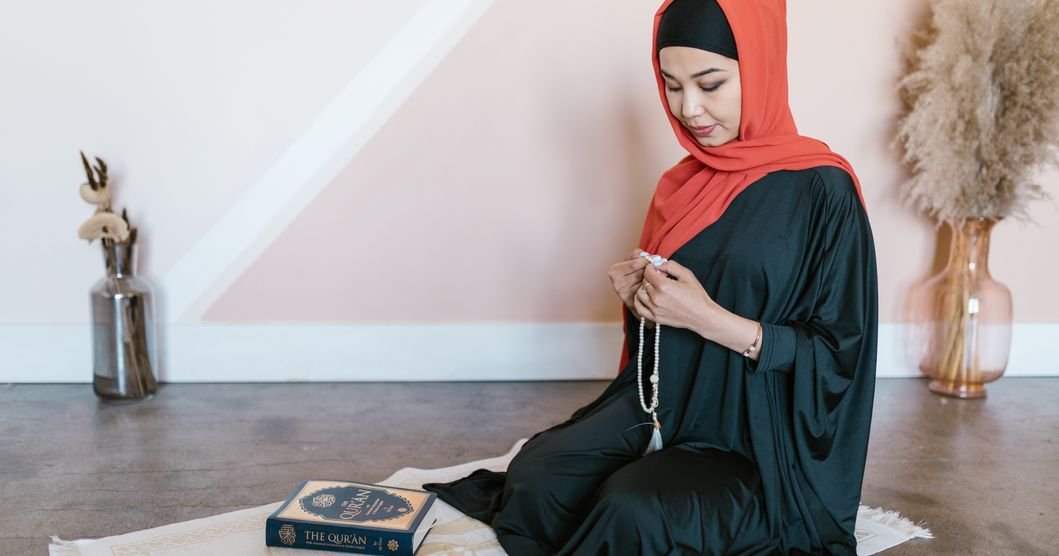
Photo by RDNE Stock project on Pexels · Source
A maternity abaya guide usually starts from the wrong assumption: that pregnancy calls for a separate, maternity-only wardrobe. An abaya is already one of the most forgiving modest garments to dress a changing shape in, because it is cut to skim rather than fit the body in the first place. The real work is choosing the right silhouette, ordering length correctly instead of guessing, and picking a fabric that moves with you rather than clinging as your shape changes week to week — then knowing which of those choices to revisit as you move from the first trimester into the third, and beyond it into nursing.
What should you look for in a maternity abaya?
Look for an open-front or wrap-style silhouette in a soft-structured, breathable fabric, ordered one size up from your pre-pregnancy measurement rather than a dedicated "maternity cut" — most open or A-line abayas already have enough ease through the middle to carry a growing bump without needing a special pattern. Confirm length against a height chart rather than your old size label, since a longer torso in the third trimester can pull a hem shorter than expected, and prioritise a fabric with some body (crepe, nida, a soft twill) over anything very lightweight, which tends to cling rather than skim as the shape underneath changes.
Why Most Abayas Already Work as a Maternity Abaya
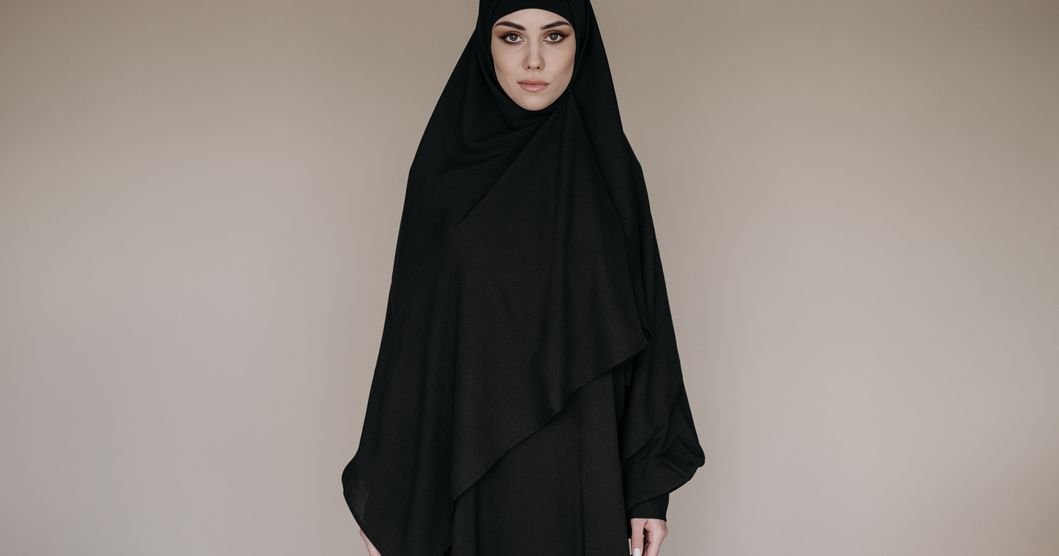
The abaya's basic construction — a loose drop from the shoulder, minimal shaping at the waist, no darts or fitted seams through the torso — is close to ideal for a changing shape without any modification. Where fitted maternity wear in other categories relies on stretch panels or an adjustable waistband to accommodate growth, an abaya's ease is usually already built into the cut. That is why buying a size up in a regular style, rather than searching out garments specifically marketed as "maternity," is often the more practical route: it gives more shoulder-to-hem room without changing the length, colour or fabric choices you would normally make.
Open-Front Styles Give the Most Room to Adjust
An open-front abaya, worn over a simple underlayer, adjusts more easily through pregnancy than a closed style because it does not rely on a fixed circumference at any one point. As the bump grows, the front simply opens further — there is no seam or closure to strain against. A closed abaya can still work well, particularly earlier in pregnancy, but is worth sizing up a full size rather than one, since a closed silhouette has less built-in give around the middle.
Getting the Length Right Through Each Trimester
Length is the detail most likely to go wrong during pregnancy, because a growing bump can shorten the drop from shoulder to hem by a noticeable margin in the final trimester, even though your height has not changed. Order against Hoorain's size guide using your normal height band — the guide runs from 50in for a petite frame up to 62in for an extra-tall one in 2in increments — rather than assuming a shorter length will simply "ride up" and self-correct. If you are ordering in the second or third trimester specifically, it is worth measuring again rather than trusting your pre-pregnancy length, since the shoulder-to-floor drop can shift as posture changes.
For anyone unsure how to take that measurement in the first place, the site's own size guide walkthrough covers exactly where to measure from and how to account for the shoes you plan to wear the abaya in — both of which matter more than usual once posture and gait start to shift later in pregnancy.
Fabric Choices for Comfort and Breathability
Fabric matters more during pregnancy than at almost any other time, because comfort against the skin and temperature regulation both become more noticeable as the body works harder. A soft-structured weave with some body to it — a textured crepe, a soft twill, or a pearl-weave finish — holds its own shape rather than clinging to a changing silhouette, which keeps the abaya reading as loose and comfortable rather than tight in the wrong places as the day goes on. Very lightweight or sheer fabrics can be more prone to clinging against a bump in warm weather, so a slightly heavier weave, rather than the lightest one available, is often the more comfortable choice through the second and third trimester specifically.
For anyone dressing through a UAE summer pregnancy, the same breathable, non-clinging weaves recommended in Hoorain's summer fabric guide apply directly — the priority is a fabric that breathes without sacrificing enough structure to skim rather than cling.
Colour and Practicality
Lighter tones such as Ivory Sand or Date Brown reflect more heat than Midnight Black and are worth considering for daytime wear in the warmer months of pregnancy specifically, though a darker piece remains the more forgiving choice for evening wear or for anyone who prefers not to think about visible marks during a stage when spills and stains happen more often than usual.
Sizing Up Without Overcomplicating It
The simplest approach through pregnancy is to size up one full size in an open or A-line style you already know fits you well, rather than researching a separate maternity-specific pattern. The same sizing logic used in Hoorain's fit guide for fuller figures applies here: prioritise room through the shoulder and midsection over strict adherence to your usual size label, and expect the correct size to feel slightly looser than normal in the first trimester, since it needs to still fit comfortably by the third.
A belt or tie is worth treating as optional rather than essential through pregnancy. Many open-front and kimono-style abayas are designed to be worn belted or unbelted, so simply leaving the belt off, or wearing it loosely over the upper chest rather than at the natural waist, keeps the same piece wearable without needing a second, unbelted abaya bought specifically for later in pregnancy.
Which Hoorain Collection Works Best for a Maternity Abaya?
A maternity abaya does not need to come from a special line to work well — it just needs the right combination of cut and fabric from a collection built for everyday comfort. The Everyday collection is the most practical starting point for a maternity abaya, since its Pearl Weave and Satin Trim Crepe pieces are cut for daily wear rather than occasion dressing, with the soft structure this guide recommends throughout pregnancy. The Travel collection is a close second: its Jacquard Nida and Luxe Organza pieces are already designed to move easily and pack without creasing, which suits the practicality most people want from a maternity abaya during a stage when comfort matters more than formality.
Whichever collection a maternity abaya comes from, the fit principles in this guide — open front, one size up, length checked against the guide rather than assumed — matter more than the collection label itself. Evening and Bridal pieces can still be worn through pregnancy for occasion dressing, but their more structured cuts are worth trying on, or sizing up more generously, before committing to one for later in the third trimester.
After the Bump: Nursing and Postpartum Wear
The same open-front silhouette that made a good maternity abaya during pregnancy tends to remain practical afterwards. A wrap or open-front abaya that fastens loosely, rather than one with a single fixed closure, makes feeding access more straightforward without requiring a garment built around a dedicated nursing opening. It is also worth keeping the postpartum period in mind when choosing a maternity abaya before the birth: a slightly looser fit through the shoulder and chest, rather than one sized exactly to the third-trimester bump, tends to carry more comfortably through the weeks immediately after as well.
Frequently Asked Questions
Do I need a dedicated maternity abaya, or can I wear a regular style?
Most people can wear a regular open-front or A-line abaya sized one size up rather than buying a garment marketed specifically as maternity wear. The abaya's loose, unfitted construction already has enough built-in ease through the torso to accommodate a growing bump.
What length should I order during pregnancy?
Order against your normal height band on the size guide rather than guessing shorter. If you are ordering in the second or third trimester, measure again from shoulder to your intended hem length, since posture and the shoulder-to-floor drop can shift as the pregnancy progresses.
What is the most comfortable fabric for a maternity abaya?
A soft-structured weave with some body, such as a textured crepe, soft twill or pearl-weave finish, tends to be more comfortable than very lightweight or sheer fabrics, which can cling to a changing shape. The extra structure lets the abaya skim rather than cling as the day goes on.
Should I size up or choose a fitted maternity cut?
Sizing up one full size in an open or A-line style you already know fits well is usually simpler and more versatile than a fitted maternity-specific cut. Prioritise room through the shoulder and midsection over strict adherence to your usual size label.
Is an open-front abaya better than a closed one during pregnancy?
An open-front abaya generally adjusts more easily through pregnancy because it has no fixed closure or seam to strain against as the bump grows. A closed style can still work, especially earlier on, but is worth sizing up a full size rather than one for the same reason.
Can the same abaya be worn for nursing after the birth?
An open-front or wrap-style abaya that fastens loosely rather than with a single fixed closure tends to remain practical for nursing afterwards, without needing a garment built around a dedicated nursing opening.
Shop the collection at Hoorain Abaya →