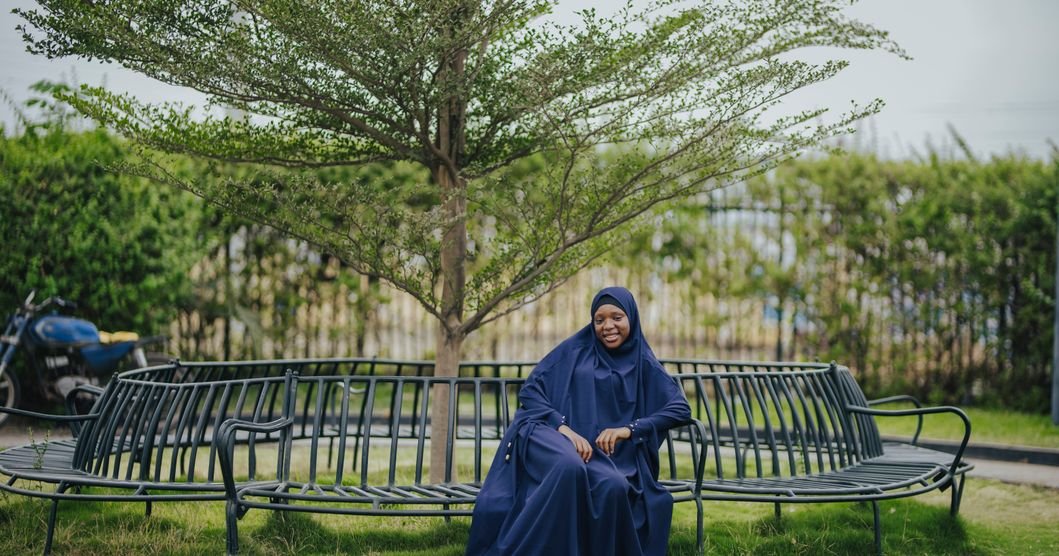
Abaya Sleeve Styles Explained: Bell, Batwing and Cuffed Cuts
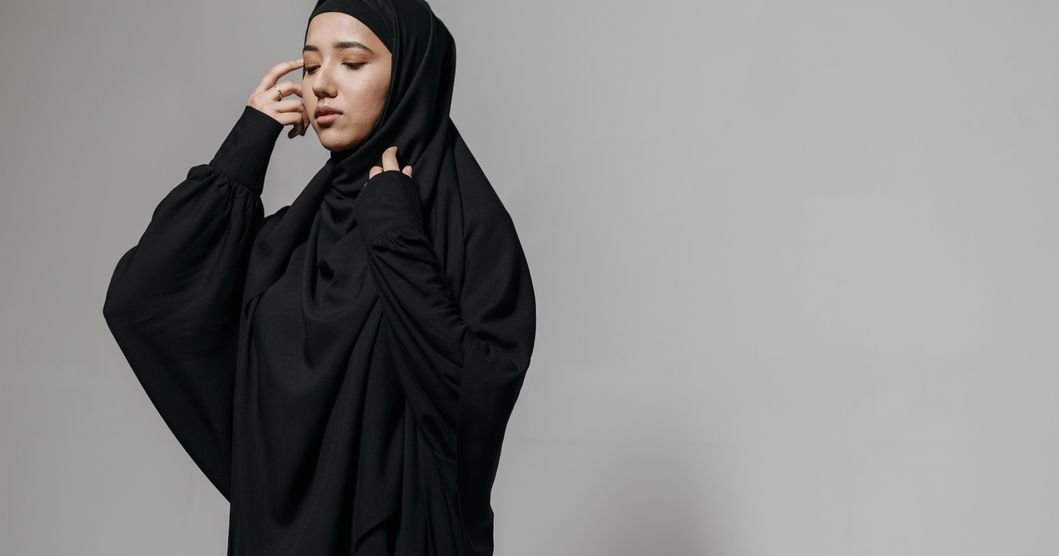
Photo by Pavel Danilyuk on Pexels · Source
Understanding the standard abaya sleeve styles helps you choose garments that combine graceful movement with daily practicality across the Gulf climate. The main silhouette variations include bell, batwing, butterfly, and cuffed cuts, each offering a distinct drape and wrist construction. Choosing the right style depends on how you balance fabric volume against functional needs like driving, dining, and ablution. Wide wrist openings provide cooling airflow for warm afternoon wear, while structured cuffs offer polished wrist coverage for professional settings. By matching cut construction to your daily routine, you ensure your modest wardrobe remains effortless and comfortable.
What are the main abaya sleeve styles?
Set-in sleeves provide tailored structure at the shoulder.
Set-in sleeves are tailored cut lines sewn into a distinct circular armhole seam, known in garment construction as the armscye. This traditional pattern-making technique establishes a clean shoulder line that follows the natural human anatomy from the neck to the shoulder point. Because the shoulder seam sits precisely where the arm meets the torso, set-in construction prevents excess fabric from pooling around the upper chest, creating a neat silhouette suitable for tailored modest wear.
When exploring tailored variations, the sleeve extends down the arm with varying degrees of flare. A bell sleeve relies on this set-in base, remaining smooth at the shoulder before widening toward the wrist. You will meet the same widening principle in our own rail under a different name. Our Flared Sleeve pieces take a clean shoulder and open the line out toward the hand, and you will find them running through the Open Abaya edit, where the front falls away and the sleeve does most of the shaping.
Continuous shoulder cuts offer unstructured volume and fluid drape.
Continuous shoulder construction eliminates the armscye seam entirely by cutting the sleeve as an extension of the main bodice fabric. Commonly referred to as grown-on or dropped sleeves, these cuts create a seamless sweep from the neckline down to the arm. This construction method lies at the heart of historical regional outerwear and modern relaxed silhouettes, allowing the fabric to drape naturally over the body without rigid shoulder seams.
By removing vertical seams across the armhole, continuous cuts provide exceptional freedom of movement and a soft, unbroken silhouette. This pattern structure is central to our Kimono Abaya lines and Kimono Flow detailing. To learn more about layering these expansive cuts, explore our detailed guide to styling a kimono abaya.
Wrist closures modify the overall silhouette and functionality.
The manner in which a sleeve terminates at the wrist dramatically influences both garment aesthetics and practical daily use. An ungathered, wide opening allows full fabric drape and maximum air circulation, making it ideal for warm GCC afternoon weather. However, wide openings alter how the sleeve moves when you lift your arms during daily tasks.
A cuffed construction gathers excess fabric at the arm endpoint, securing the material neatly around the wrist. Whether achieved through a tailored fabric band, elastic ruching, or decorative fastenings, a cuff transforms a voluminous sleeve into a controlled shape. Features such as our Pearl Cuff accents offer this structural balance, combining dramatic arm width with a secure, polished wrist closure.
How do bell and batwing constructions differ in tailored design?
Bell sleeves feature an armscye seam with gradual flare toward the hem.
In technical garment construction, the bell sleeve is defined by its smooth fit through the shoulder and upper arm before gradually expanding outward. Because it is a set-in sleeve, there is no pleating or shirring at the shoulder seam. The fabric lies completely flat against the armhole, maintaining a close fit around the bicep before releasing into a wide hem that can finish anywhere between the elbow and the wrist bone.
This precise balance of upper-arm structure and lower-arm flare creates an elegant shape that stays close to the upper body. However, because the armscye seam sits high on the armpit, the sleeve lifts slightly when you raise your arms. This structural trait distinguishes it from continuous cuts when reviewing various abaya sleeve styles across online catalogues.
Batwing cuts integrate the arm construction directly into the main bodice.
Unlike set-in designs, a batwing sleeve is cut as a single continuous piece with the front and back bodice panels. The defining feature of this cut is its remarkably deep armhole, which originates lower on the torso around the lower chest or waist level rather than under the shoulder pit. From this low origin, the fabric tapers down sharply toward a narrow wrist.
When you raise your arms in a batwing silhouette, the continuous fabric creates a broad, wing-like span between the wrist and waistline. When your arms are rested at your sides, this generous volume collapses into deep, soft folds along the torso. This intelligent construction provides complete freedom of motion across the shoulders without any pulling or tension across the chest seam.
Wrist opening width dictates both ventilation and movement.
The primary functional difference between these two constructions lies in how the wrist opening manages fabric weight and airflow. A wide, ungathered hem on a flared cut lets ambient air pass freely up the forearm, which provides natural cooling during hot Gulf summers. However, this expansive opening leaves the forearm exposed whenever you raise your hands above shoulder height.
Conversely, the batwing cut controls its massive fabric volume by narrowing strictly at the hand. The tight or cuffed wrist opening traps the excess fabric at the forearm, preventing the sleeve from sliding down the arm during movement. Understanding these structural variations helps you choose abaya sleeve styles that match your climate preferences and comfort level.
How does a cuffed sleeve transform an abaya silhouette?
Cuffs control excess fabric at the wrist for active routines.
Adding a cuff to a voluminous sleeve body solves the practical challenge of managing loose fabric. A cuffed sleeve abaya uses a fitted band at the end of the arm to hold full, sweeping fabric neatly in place. This design combination gives you the visual beauty of sweeping drape along the arm without the inconvenience of wide openings catching on objects.
On continuous cuts like batwing bodies, the cuff serves as the primary anchor point for the entire garment arm. Fastened with a single hidden snap or a decorative button, a structured cuff converts a billowing wing of fabric into a neat, tailored wrist finish that stays firmly in place during active walking, shopping, or working.
Detail elements like pearl buttons or ruching add refinement.
Beyond pure utility, the wrist cuff acts as a key focal point for modest fashion design. Decorative closures can transform a basic black silhouette into a sophisticated evening garment. Options like our Pearl Cuff detailing swap a plain closure for a pearl-effect fastening that catches the light as you gesture, adding subtle elegance to dark fabrics.
Ruched cuffs offer another attractive alternative, using elasticated stitching to create gentle, flexible gathers along the lower forearm. This method eliminates the need for manual buttons while allowing you to push the sleeve up comfortably when necessary. The choice of cuff finish allows you to tailor your wardrobe to both casual and formal expectations.
Convertible fastenings provide versatility between open and secure wrist coverage.
Modern modest design frequently incorporates convertible fastenings to offer maximum versatility throughout the day. Convertible designs feature subtle snap closures sewn inside the lower arm seam. When the snaps are fastened, the sleeve functions as a neat cuffed closure; when released, the wrist opening expands into a graceful flared shape.
This adaptability is particularly beneficial for women who move between formal office environments and casual settings. By releasing or securing the wrist snaps, you can quickly adjust fabric volume, ventilation, and movement without changing your garment. Exploring these adaptable features expands your options when selecting abaya sleeve styles for multi-purpose wear.
How do butterfly and batwing cuts compare for daily modest wear?
Butterfly cuts originate at the natural shoulder line for continuous volume.
Although butterfly and batwing sleeves are both continuous cuts known for generous volume, their geometric construction creates noticeably different silhouettes. A butterfly sleeve cut starts its gentle outward flare high up at the natural shoulder line and upper chest. As the sleeve extends downward toward the hem, the fabric expands steadily, creating an all-over rounded volume that cascades softly from the shoulders.
This continuous top-to-bottom volume gives the butterfly silhouette a softer, more fluid outline across the entire upper body. It creates sweeping, continuous lines that move gracefully with every step. You can explore our dedicated Butterfly Abaya selection and read our helpful guide on how to style a butterfly abaya to master this iconic, flowing look.
Batwing shapes start lower on the torso to reduce midbody bulk.
In contrast to the butterfly silhouette, a batwing shape keeps the upper shoulder area relatively streamlined, beginning its dramatic fabric release much lower on the torso around mid-chest or waist level. By delaying the flare until further down the body, the batwing cut avoids adding excess fabric bulk directly around the upper shoulders and bust.
This key structural distinction gives the batwing shape a more architectural, tapered appearance. The fabric forms dramatic diagonal folds from the low armscye to the wrist, offering a strong visual shape while maintaining a sleek shoulder line. It provides maximum fabric ease under the arms without creating an all-over circular shape around the neck and collarbone.
Both cuts suit diverse body proportions with free-size comfort.
Despite their structural differences, both butterfly and batwing cuts share the immense benefit of free-size construction. Because neither silhouette relies on rigid vertical armhole seams or tight bicep measurements, both styles adapt effortlessly to various shoulder widths, bust sizes, and arm shapes. This renders continuous cuts exceptionally comfortable for full figures and changing bodies.
Women seeking flattering, non-restrictive garments often prefer these continuous cuts over set-in tailored sleeves. If you are looking for detailed sizing advice regarding continuous patterns and full-coverage cuts, consult our comprehensive plus size abaya fit guide for practical advice on achieving balanced proportions.
Which sleeve style best suits your height and body shape?
Petite frames benefit from controlled sleeve volume and precise arm lengths.
For women with shorter frames, selecting the appropriate fabric volume is essential to avoid being overwhelmed by heavy draping. Extremely wide flared sleeves or low-hanging batwing cuts can visually shorten the arms and draw the silhouette downward. Petite women often achieve optimal balance by choosing moderate sleeve widths or structured cuffed designs.
When evaluating different abaya sleeve styles for petite proportions, pay close attention to where the sleeve hem terminates. A sleeve that extends past the wrist bone can look oversized, while a clean finish exactly at the wrist creates a long, elegant line. Choosing fitted cuffs or modest flared cuts ensures the garment enhances your natural height without drowning your frame in material.
Taller silhouettes easily balance dramatic wide sleeves and cape details.
Taller women have the physical frame required to carry expansive fabric volume and bold geometric shapes with ease. Wide bell-inspired shapes, dramatic butterfly cuts, and extended cape sleeve accents look balanced on taller figures, as the vertical height easily counteracts the horizontal spread of broad sleeves.
Designs featuring continuous arm-to-hem draping or broad, open wrist cuts accentuate long arms and create striking movement during walking. Taller frames can also comfortably experiment with layered sleeve styles, such as outer kimono overlays with sweeping openings, without compromising visual proportions or overall garment balance.
Generous cuts require careful wrist proportions to maintain balance.
When styling full-figure shapes, the placement of fabric volume plays a critical role in creating a flattering overall look. Continuous cuts like butterfly sleeves distribute fabric softly away from the torso, smoothing over the chest and hips. However, ensuring that the wrist opening remains defined is vital to prevent the garment from appearing shapeless.
Choosing designs with defined wrist details, such as gathered cuffs or structured Pearl Cuff accents, creates a clear end point for the arm. This visual anchor highlights the slenderest part of the arm, adding structure to generous silhouettes while retaining total ease of movement throughout the shoulders and bicep area.
How does fabric choice alter sleeve drape and movement?
Lightweight textiles create delicate folds in continuous sleeve designs.
The weight, weave, and drape of a fabric fundamentally determine how any sleeve cut behaves in real life. Lightweight textiles such as chiffon or ultra-light Nida are exceptionally supple, allowing voluminous cuts like butterfly or batwing sleeves to collapse into soft, fluid vertical folds when your arms are resting.
Because lightweight fabrics possess minimal structural stiffness, wide sleeves drape gently along the body rather than standing outward. This makes light materials ideal for wide sleeve styles in warm weather, as the fabric moves effortlessly with breeze without adding visual bulk. For a deeper breakdown of material weights, refer to our complete guide comparing Nida, crepe, and chiffon abaya fabrics.
Medium-weight fabrics maintain distinct geometric flare and structure.
Medium-weight materials, including matte crepe, textured satin, and woven poplin, offer greater structural integrity and body. When used in flared sleeve or set-in constructions, these fabrics hold their intended geometric shape rather than collapsing inward. A flared cuff in matte crepe retains a crisp, distinct outline that emphasises the architectural lines of the sleeve.
This structural stability makes medium-weight fabrics an excellent choice for formal and professional wear where sharp, clean lines are desired. The fabric maintains its tailored flare around the forearm, giving structured abaya sleeve styles a polished, refined appearance that holds up throughout a busy workday.
Layered textures impact how wide sleeve openings behave during movement.
Garments that incorporate multi-layered sleeves or decorative overlays, such as our Kimono Flow features, interact differently with physical movement. When a sheer outer chiffon layer sits over a smooth Nida inner sleeve, the friction between fabrics adds subtle body and fluid depth to the arm sweep.
Layered constructions allow wide openings to catch air gracefully without revealing the forearm, as the inner layer maintains modest coverage while the outer layer provides dramatic visual drape. Considering how different textile combinations behave ensures that your chosen sleeve cut delivers both functional comfort and elegant visual movement.
How do you manage practical tasks with dramatic sleeve cuts?
Dining and driving require simple adjustments for wide wrist openings.
While broad, open sleeves present a striking aesthetic, they require mindful management during everyday physical activities. At the dining table, wide, floor-length or sweeping wrist openings can easily drag across plates or catch on glassware if left unmanaged. Simply folding back wide sleeve edges or using a discreet sleeve clip holds excess fabric securely at the mid-forearm while eating.
Similarly, when driving a vehicle, long, un-cuffed sleeves may catch on the steering wheel or gear selector during sharp turns. Choosing cuffed cuts for driving, or temporarily securing wide sleeves with elastic wrist bands, guarantees safe, unhindered hand movement on the road. For more functional everyday garment recommendations, read our helpful casual everyday abaya styling tips.
Ablution routines call for flexible cuffs or easily lifted arms.
Performing wudu throughout the day requires raising the sleeves smoothly past the elbows. Sleeve cuts with tight, non-adjustable button cuffs can turn this simple daily routine into a frustrating struggle if the cuff fabric does not slide past the thickest part of the forearm.
To avoid wudu difficulties, look for designs featuring elasticated ruched cuffs, flexible stretch bands, or functional snap buttons that unfasten completely. Alternatively, loose flared cuts and continuous kimono sleeves lift easily up the arm, allowing quick and hassle-free preparation for ablution without placing stress on the garment seams.
Prayer considerations favour non-slip coverage and manageable sleeve width.
During daily salah, the movement of rising, bowing in ruku, and prostrating in sujud can cause wide, loose sleeves to slide down the arm toward the elbow. This natural fabric movement may unintentionally expose the forearm during prayer. Understanding how different abaya sleeve styles behave during prayer helps you maintain comfortable, uninterrupted focus.
To address forearm exposure during prayer without sacrificing wide sleeve aesthetics, many women wear lightweight jersey under-sleeves or use dedicated wrist clips to hold the opening securely at the wrist. Opting for cuffed designs or dedicated prayer cuts with non-slip wrist bands ensures reliable arm coverage through every movement of your prayer routine.
Which sleeve designs work best for different occasions?
Work environments call for practical cuffed and structured wrist styles.
Professional settings demand modesty garments that remain tidy and functional while working at a desk, typing on computers, or handling documents. Excessively wide or sweeping sleeves can drag across keyboards, collect ink stains, or catch on office equipment. Therefore, cuffed sleeve styles are the primary choice for modern career women across the GCC.
Tailored cuffs, such as our Pearl Cuff designs or neat buttoned wristbands, keep the fabric sleek and secure against the arm. Incorporating versatile abaya sleeve styles with clean wrist lines presents a crisp, sharp appearance that aligns with corporate dress standards while ensuring total physical comfort during long desk hours.
Casual outings invite relaxed wide sleeve cuts and effortless drape.
For casual weekend errands, coffee gatherings, and warm afternoon strolls, comfort and airiness take priority. Loose, wide sleeve cuts excel in these informal settings, allowing maximum ventilation and an unconstrained, relaxed drape. Kimono-inspired cuts and loose flared sleeve details provide an effortless aesthetic that feels weightless in warm weather.
These relaxed cuts pair beautifully with casual footwear and simple totes, creating an approachable yet sophisticated look. The open wrist allows natural movement and effective cooling, making wide, un-cuffed sleeves a staple for daytime modest wear throughout the warmer months.
Festive occasions highlight dramatic butterfly and cape sleeve details.
Celebrations such as Eid gatherings, evening receptions, and family weddings offer the perfect opportunity to embrace dramatic, opulent sleeve cuts. Extended cape sleeve details, flowing butterfly silhouettes, and multi-layered Kimono Flow accents convert modest garments into show-stopping evening attire.
Under bright event lighting, the broad fabric spans of butterfly cuts display fine embroidery, beadwork, and rich fabric sheens to breathtaking effect. Choosing continuous, sweeping sleeves for formal occasions guarantees an unforgettable entrance while maintaining total modest elegance.
How can you measure and verify sleeve fit before purchasing online?
Accurately measuring sleeve length prevents dragging or short cuffs.
Ordering abayas online requires accurate self-measurement to ensure the sleeve hem lands exactly where you want it. Standard sleeve length is measured from the centre back of the neck, across the shoulder point, and down to the prominent wrist bone. Alternatively, for set-in styles, measurement can start directly at the outer shoulder seam point down to the wrist.
If a sleeve is too short, it leaves the wrist exposed when bending your elbow; if it is too long, the fabric drags over the hands and hampers daily tasks. Taking precise arm measurements before shopping ensures your garment arrives with the ideal arm fit. For complete step-by-step instructions on measuring your body accurately, review our complete abaya sizing and measurement guide.
Checking wrist opening measurements guarantees easy daily wear.
In addition to checking total sleeve length, reviewing the wrist opening width is essential when selecting between different abaya sleeve styles online. For cuffed or buttoned styles, ensure the cuff circumference offers comfortable clearance over your wrist bone without feeling tight or restrictive.
For wide flared cuts, look for a flat wrist opening measurement if the listing gives one, and if it does not, ask before you order rather than guessing how far the fabric will fall around your hand. Comparing these wrist dimensions against your favourite fitting garments in your wardrobe ensures complete confidence when placing an order online.
Choosing the perfect sleeve construction comes down to evaluating your personal routine, climate requirements, and stylistic taste. Whether you prefer the controlled polish of cuffed wrists, the soft drama of a continuous butterfly cut, or the graceful sweep of a flared edge, understanding these abaya sleeve styles ensures your modest wardrobe offers lasting comfort, functional ease, and timeless elegance across every season.
Frequently Asked Questions
What is the difference between a bell sleeve and a batwing sleeve on an abaya?
The difference is where the sleeve is joined and how it ends. A bell sleeve is set into a normal round armhole, so it sits close through the shoulder and upper arm, then flares outward to a wide, open wrist. A batwing sleeve is not set in at all: it is cut in one piece with the body, the armhole drops as low as the lower chest or waist, and the fabric then tapers to a narrow wrist that is often finished with a cuff. In short, a bell is narrow at the top and wide at the hand, and a batwing is wide at the top and narrow at the hand.
Which abaya sleeve style is best for prayer?
A cuffed or gently gathered wrist is the most reliable choice for salah. Wide, open sleeves tend to slide back toward the elbow as you move through ruku and sujud, which can leave the forearm uncovered exactly when you would rather not think about it. If you love a wide sleeve and do not want to give it up, a lightweight jersey under-sleeve or a small wrist clip will hold the opening in place, and some prayer cuts are made with a non-slip band at the wrist for the same reason.
Are batwing and butterfly abayas suitable for plus sizes?
Yes, and they are often the easiest cuts to buy. Neither style depends on a fitted armhole or a set bicep measurement, so there is no seam sitting in a fixed place that has to land correctly on your shoulder. Both are usually made free size and loose, which is why they adapt so comfortably across different shoulder widths, bust sizes and arm shapes. The one detail worth checking is the wrist, since a defined cuff or a gathered opening gives the arm a clear end point and keeps a generous cut from reading as shapeless.
How do I stop wide abaya sleeves dragging while I eat or drive?
Manage the opening rather than avoiding the style. At the table, fold the sleeve edge back once at the mid-forearm, or hold it there with a discreet sleeve clip, which keeps the hem clear of plates and glassware. In the car, an un-cuffed sleeve is the one that catches on the wheel or the gear selector, so keep a cuffed or snap-fastened cut for driving days, or secure the fabric at the wrist with a soft elastic band before you set off.
Does Hoorain Abaya sell bell sleeve or batwing abayas?
We do not label anything on the rail as a bell or a batwing cut, so you will not find those words in our filters. What we do carry works on the same principles under our own names. Our Flared Sleeve pieces widen from a clean shoulder toward the hand, our Kimono Abaya and Kimono Flow styles use the continuous, unseamed shoulder that gives a batwing its drape, our Butterfly Abaya edit covers the fuller shoulder-to-hem volume, and our Pearl Cuff designs give you the closed, finished wrist.
How do I measure my sleeve length before ordering an abaya online?
Measure from the centre back of your neck, across the shoulder point and down the outside of a slightly bent arm to the wrist bone. For a set-in style you can instead start at the outer shoulder seam and measure straight down to the wrist. A sleeve that stops short will expose the wrist every time you bend your elbow, and one cut too long will drag over your hands. If a listing gives a flat wrist opening measurement, compare it against a sleeve you already wear happily, and ask before ordering if it does not.
Shop the collection at Hoorain Abaya →