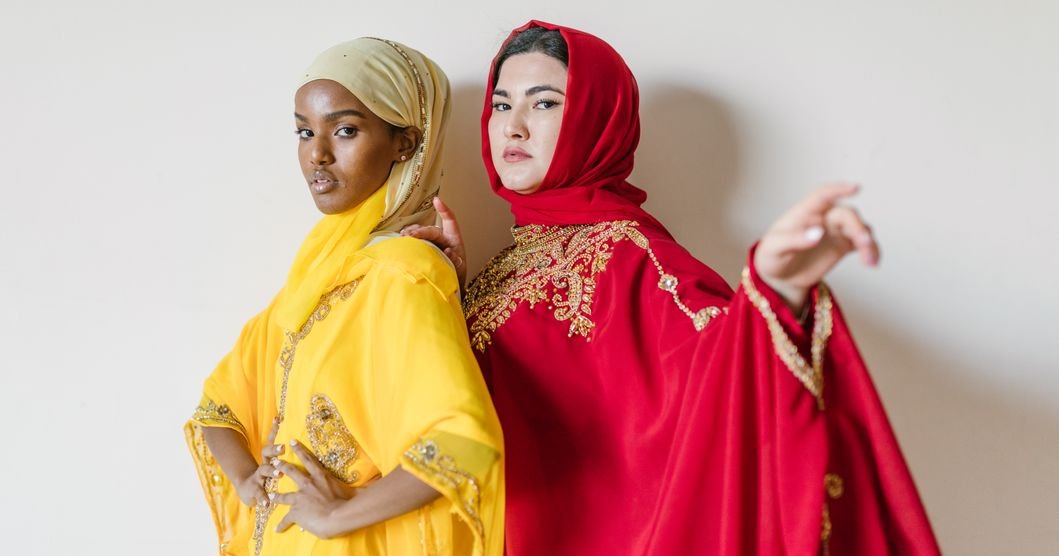
Open Abaya vs Closed Abaya

Photo by RDNE Stock project on Pexels · Source
Introduction to Abaya Styles and Modern Luxury
As the world of modest fashion continues to evolve on a global scale, the abaya remains an eternal staple in the wardrobes of discerning women, particularly across the vibrant fashion landscape of the UAE. Rooted in centuries of Middle Eastern heritage, the traditional silhouette has undergone a breathtaking metamorphosis. Today, it stands at the forefront of couture design, blending ancestral modesty with avant-garde aesthetics. With various styles to choose from, it can sometimes feel daunting to decide which type suits your distinct taste, lifestyle, and daily preferences. At Hoora Abaya, we believe that every woman deserves to express her individuality while honoring her cultural roots. In this comprehensive guide, we delve deep into the world of open and closed abayas, exploring their unique characteristics, structural differences, and styling versatility.
The diversity of contemporary abaya styles is a testament to the boundless creativity and innovation of designers within the luxury modest fashion industry. With new cuts, textures, and silhouettes emerging every season, modern women can curate a wardrobe of statement pieces that reflect their personal flair. Whether you lean toward classic minimalism or contemporary grandeur, there is an abaya style engineered to suit your unique sense of style. From the bustling corporate boardrooms of Downtown Dubai to serene family gatherings in Abu Dhabi, navigating your wardrobe choices starts with understanding the foundational differences between the open and the closed abaya.
Understanding the Open Abaya: Versatility and Contemporary Flair
Open abayas have firmly established themselves as a modern favorite among women who prioritize dynamic styling, effortless layering, and contemporary elegance. Characterized by an open front—often designed as a duster coat silhouette—they can be worn loose and flowing or fastened with discreet buttons, delicate snap closures, or matching fabric ties. This style is exceptionally popular for everyday wear, particularly in the UAE's cosmopolitan environment, as it allows for unmatched ease of movement, breathability, and comfort under the warm Gulf sun.
One of the greatest advantages of the open abaya is its supreme versatility. It can be dressed up or down with effortless grace, depending on the occasion and your personal styling approach. You can pair an open abaya with a myriad of inner outfits, ranging from simple slip dresses and tailored trousers to elaborate evening wear and coordinated luxury hijabs. The open front naturally provides an exquisite opportunity to showcase beautiful inner garments, allowing you to play with contrasting colors, rich textures, and intricately designed under-layers. At Hoora Abaya, our open abaya collections often feature cascading drapery, laser-cut hems, and subtle crystal embellishments along the lapels, ensuring you make a striking statement wherever you go.
Understanding the Closed Abaya: Tradition, Poise, and Timeless Modesty
In contrast, closed abayas are meticulously engineered to provide a traditional, uninterrupted silhouette that exudes timeless poise and complete coverage. Designed with a seamless front—devoid of full-length openings or gaps—this style is traditionally pulled on over the head or fastened at the neckline with a concealed zipper or button placket. The closed abaya is frequently preferred by women who value traditional aesthetics, maximum coverage, and a streamlined look that requires minimal fuss throughout the day.
Far from being plain, closed abayas are masterclasses in understated luxury. Many high-end designers incorporate breathtaking embroidery, rich jacquard patterns, pleated panels, and contrasting color blocking into the upper bodice or cuffs of closed abayas. This style is exceptionally well-suited for formal events, religious gatherings, and traditional family occasions where a more conservative dress code is observed. The unbroken line of a well-tailored closed abaya creates an elongating, statuesque effect that radiates quiet confidence and regal grace.
Key Structural and Aesthetic Differences
To truly appreciate both styles, it helps to examine how their structural differences impact daily wearability and aesthetic expression. The primary distinction lies in how the garment is constructed and worn. Open abayas function much like a luxury outerwear coat or kimono, offering dynamic movement and layering potential. Closed abayas function as a standalone dress or tunic, offering complete security and a unified silhouette without the need for inner coordination.
| Abaya Style | Structural Design | Ideal Occasions | Styling Focus |
|---|---|---|---|
| Open Abaya | Duster/Kimono cut with an open front; optional buttons or ties. | Everyday luxury, brunch outings, professional settings, travel. | Layering inner slips, showcasing statement belts, mixing textures. |
| Closed Abaya | Seamless front construction; pullover or partial neckline fastening. | Formal galas, religious events, traditional weddings, solemn occasions. | Statement accessories, luxury handbags, embroidered cuffs. |
Ultimately, choosing between an open and a closed abaya is not about adhering to strict fashion rules, but rather about aligning your wardrobe with your personal lifestyle, comfort requirements, and the specific demands of your day.
The UAE and GCC Context: Weather, Culture, and Lifestyle
Fashion in the United Arab Emirates and the broader Gulf Cooperation Council (GCC) region is heavily influenced by a unique intersection of climatic conditions, cultural reverence, and fast-paced luxury lifestyles. Understanding how open and closed abayas perform in this specific environment is essential for making an informed investment in your modest wardrobe.
Climatic Considerations
The UAE climate features intense summer heat and humidity, followed by milder winter months and powerful air-conditioning indoors. Open abayas are exceptionally favored during the warmer months because they allow maximum airflow when worn unbuttoned or loosely tied over lightweight inner garments. Conversely, closed abayas crafted from heavier winter fabrics provide warmth and cozy comfort during breezy winter evenings in the desert or within heavily air-conditioned corporate environments.
Cultural Etiquette and Modern Adaptability
Across Dubai, Sharjah, Abu Dhabi, and beyond, fashion is a form of self-expression deeply respectful of cultural heritage. While closed abayas remain the preferred choice for formal religious observances and visits to holy sites, the open abaya has revolutionized street style. Modern Emirati women and expatriates alike embrace the open abaya for its seamless transition from corporate offices to high-end shopping malls and evening social events, perfectly matching the dynamic tempo of GCC life.
Fabric Guide: Choosing the Right Material for Your Abaya
The drape, feel, and longevity of an abaya depend almost entirely on the quality of the fabric used. At Hoora Abaya, we source only the finest textiles from around the world to ensure our pieces meet the rigorous standards of luxury fashion.
- Nida Fabric: The undisputed gold standard for luxury abayas in the UAE. Nida is a synthetic blend known for its supreme softness, opaque finish, and resistance to wrinkling. It drapes fluidly and keeps the wearer cool, making it ideal for both open and closed designs.
- Crepe and Chiffon: Textured crepe offers a wonderful matte finish with subtle graining, perfect for structured open abayas. Lightweight chiffon is frequently used for flowing overlay panels, flutter sleeves, and delicate detailing.
- Linen and Cotton Blends: Excellent for casual daytime wear during cooler months, offering a breathable, organic feel with a relaxed aesthetic.
- - Satin and Organza: Reserved primarily for high-end closed evening abayas. Satin provides a lustrous sheen, while organza adds architectural volume to statement sleeves and hemlines.
Advanced Styling Tips for Open and Closed Abayas
Mastering the art of abaya styling requires a delicate balance of proportion, color theory, and accessorizing. Here is how to elevate both styles like a professional fashion editor:
Styling the Open Abaya
- The Layered Masterclass: Because the front is open, your under-layer is part of the outfit. Pair a neutral open abaya with a contrasting silk slip dress in emerald green or rich burgundy for an arresting visual contrast.
- Define Your Silhouette: Use a metallic or leather waist belt over your open abaya to cinch the waist, creating a flattering hourglass silhouette reminiscent of a trench coat gown.
- Monochrome Elegance: Wear an all-black inner outfit beneath a heavily embroidered open abaya to let the artisanal needlework take center stage.
Styling the Closed Abaya
- Statement Accessories: Since closed abayas feature an unbroken front panel, use bold accessories—such as a statement gold or silver chain belt worn loosely at the hips, or an embellished structured handbag—to add visual interest.
- Footwear Synergy: Elevate a minimalist closed abaya with pointed-toe designer mules, embellished block heels, or classic leather stilettos that peek out gracefully from the hem.
- Hijab Coordination: Match your shayla (scarf) with the embroidery or accent colors found on the cuffs or neckline of your closed abaya for a cohesive, put-together finish.
Occasion-Based Guide: When to Wear What
Selecting the right abaya for the right occasion ensures you always feel appropriately dressed and supremely confident.
- Corporate and Professional Settings: Opt for a tailored, structured open abaya in charcoal grey or navy blue, paired with wide-leg trousers and a crisp blouse. It projects authority while maintaining effortless modesty.
- Formal Galas and Evening Weddings: A closed abaya crafted from rich Nida fabric, adorned with hand-stitched pearls or metallic thread embroidery along the neckline and sleeves, is the epitome of regal evening wear.
- Casual Brunches and Daytime Errands: A lightweight open linen or crepe abaya thrown over casual denim and a white tee offers a chic, effortless aesthetic tailored for the modern city lifestyle.
- Religious Gatherings and Family Visits: A traditional closed abaya provides the complete coverage and reverent aesthetic expected during spiritual milestones and intimate family celebrations.
Expert Care and Maintenance Advice
Luxury abayas are an investment in your personal style, requiring proper care to maintain their pristine condition, rich colors, and delicate embellishments.
- Washing Techniques: Always hand-wash your abayas in cold water using a mild, chemical-free detergent designed for delicate fabrics. Avoid vigorous wringing or twisting, especially around embroidered areas.
- Machine Washing Caution: If machine washing is necessary, place your abaya inside a heavy-duty mesh garment bag and select a delicate cycle with low spin speeds.
- Drying: Never tumble dry luxury abayas, as high heat can warp synthetic fibers like Nida and damage delicate crystal or beadwork. Instead, hang them on padded hangers in a shaded, well-ventilated area to air dry naturally.
- Ironing and Steaming: Use a professional clothes steamer rather than a traditional iron to remove creases. If you must iron, turn the abaya inside out and use the lowest heat setting, placing a clean cotton pressing cloth between the iron and the fabric.
Verdict: Which Abaya Style Suits You Best?
Ultimately, the choice between an open and a closed abaya comes down to a harmonious blend of personal preference, daily lifestyle demands, and the specific event you are attending. If you value flexibility, effortless layering, and a modern wardrobe that transitions seamlessly from day to night, the open abaya is an indispensable addition to your closet. Conversely, if you gravitate toward traditional poise, unbroken elegance, and the ultimate ease of a one-piece modest garment, the closed abaya will forever remain your trusted companion.
Consider your daily activities, your aesthetic inclinations, and the occasions that fill your calendar. By doing so, you can curate a balanced collection of both open and closed abayas that ensure you feel empowered, authentic, and impeccably stylish. Whether you choose the dynamic fluidity of an open duster or the timeless grace of a closed gown, remember that true luxury is found in feeling confident and comfortable in what you wear. Explore the exquisite collections at Hoora Abaya to find the pieces that speak directly to your soul.
Frequently Asked Questions
What is the main difference between open and closed abayas?
The primary difference lies in their structural design: open abayas feature an open front resembling a duster coat or kimono, allowing for layering and movement, whereas closed abayas have a seamless front construction designed for complete, uninterrupted coverage.
Can I wear an open abaya for formal events and evening galas?
Yes, absolutely. While open abayas are popular for casual wear, high-end open abayas crafted from luxury fabrics like rich Nida, paired with elegant inner slip dresses and statement belts, are exceptionally stylish and appropriate for many formal gatherings.
Are closed abayas only suitable for traditional or religious occasions?
Not at all. While closed abayas are indeed a preferred choice for traditional and religious settings due to their modest silhouette, contemporary closed abayas feature modern cuts, chic color blocking, and refined embroidery suitable for everyday professional and social wear.
How do I choose between an open and closed abaya for my lifestyle?
To choose the right style, evaluate your daily activities. If you prefer quick outfit changes, love layering different inner garments, and navigate a fast-paced urban lifestyle, an open abaya is ideal. If you value a streamlined, one-piece look with maximum modesty and minimal fuss, a closed abaya is the better choice.
Can I customize or alter my abaya to combine open and closed features?
Yes. Many luxury abaya brands and bespoke tailors offer customization options, such as adding hidden snap buttons or zippers to an open abaya, allowing you to wear it fully closed when desired while retaining the flexibility of an open front.