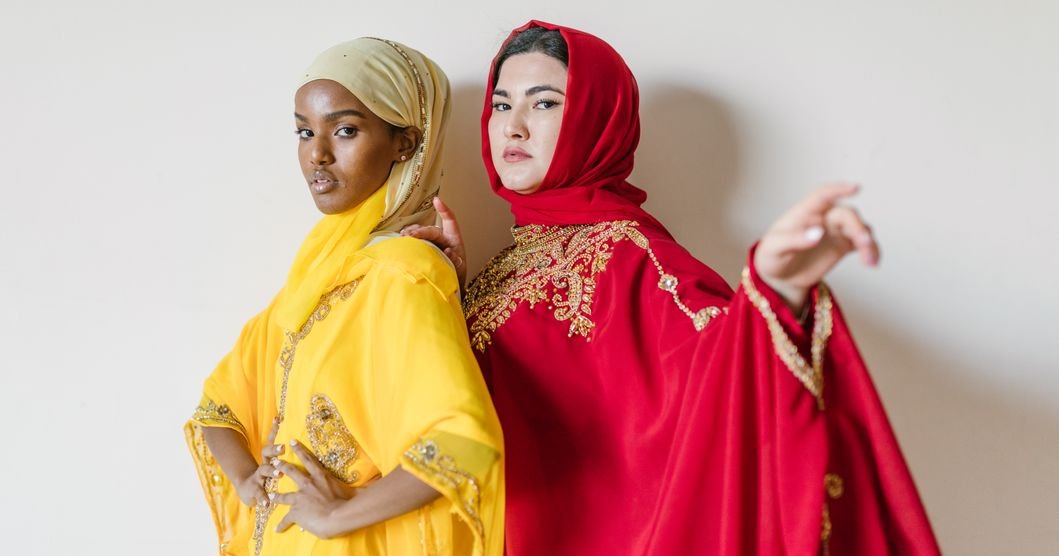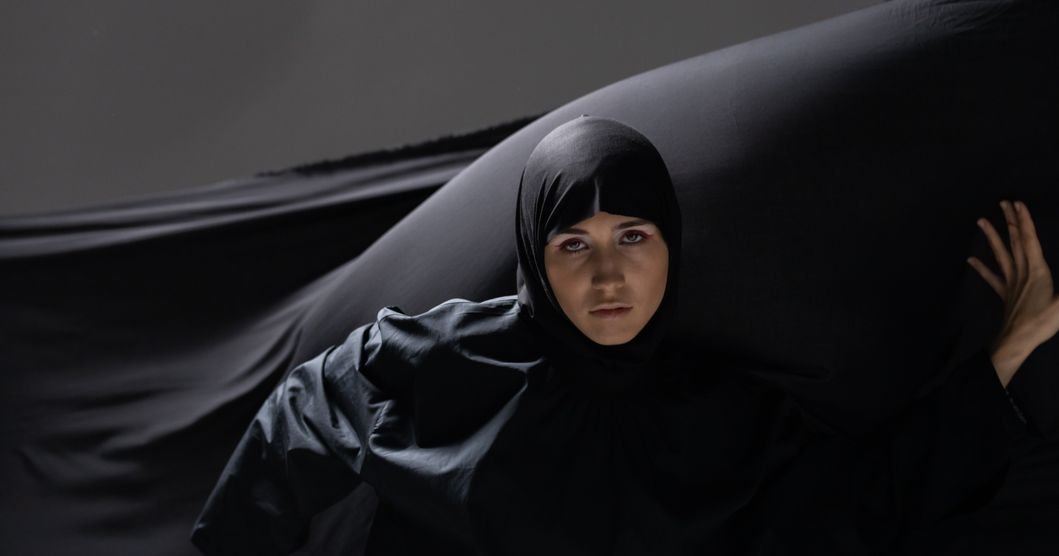
Abaya Size Guide: How to Measure for a Perfect Fit
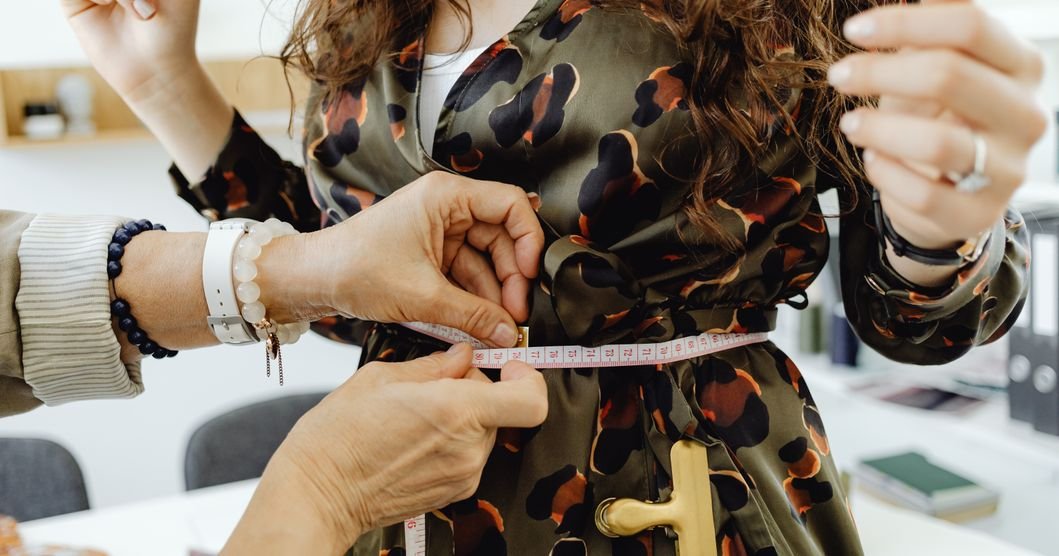
Photo by https://kaboompics.com/ on Pexels · Source
Finding the perfect abaya online can feel like a treasure hunt, but the right measurements turn guesswork into confidence. Our guide walks you through each step, ensuring every stitch drapes just as you imagined.
Why Accurate Measurements Matter
When an abaya hugs your silhouette in just the right way, it becomes more than clothing – it becomes an extension of your personal style and modesty. A garment that is too loose can appear shapeless, while one that is overly tight may compromise comfort and the graceful flow that defines traditional modest fashion. Precise measurements ensure the fabric falls naturally, highlighting the elegant cuts and embellishments without sacrificing ease of movement.
Online shopping eliminates the tactile experience of trying on a piece, so the on‑line retailer relies entirely on the data you provide. Accurate numbers reduce the likelihood of costly returns, protect the environment by limiting unnecessary shipping, and keep your wardrobe refresh on schedule. Moreover, many designers incorporate subtle tailoring details – such as side slits, waist darts or detachable belts – that only reveal their full potential when the base size aligns with your body.
In the UAE’s vibrant fashion scene, where seasonal trends blend with timeless modest aesthetics, a well‑fitted abaya signals confidence. It allows you to pair the piece effortlessly with statement accessories, from embroidered hijabs to handcrafted jewellery, knowing the foundation is flawless.
Essential Tools for Measuring at Home
Before you reach for the tape, gather a few reliable tools that turn a casual bedroom into a mini fitting studio. A flexible, non‑stretchable measuring tape is the cornerstone; fabric‑soft tapes glide over curves without digging in, giving you a true reading. Pair it with a full‑length mirror so you can check posture and ensure the tape lies flat against the skin.
- A sturdy, flat surface – a wooden chair or a low table – provides a stable point for measuring waist and hip circumference without wobble.
- Pen and paper, or a notes app, to jot down each figure immediately; numbers are easy to forget once you move.
- Optional: a friend or family member. A second pair of eyes can verify that the tape remains level, especially when measuring around the bust.
When measuring in the UAE’s warm climate, consider the time of day. Mid‑morning, after a light breakfast, is ideal because the body is neither swollen from heat nor contracted from inactivity. Dress in lightweight, form‑fitting attire – a simple cotton top and leggings – to avoid fabric bulk that could distort the tape. Finally, keep the environment relaxed; a calm mindset yields more accurate results.
Key Body Measurements for an Abaya
Every abaya design relies on three core dimensions: bust, waist and hip. These measurements dictate how the garment will sit at the shoulders, cascade along the torso and settle at the hem. Understanding the relationship between them helps you choose a size that respects both modesty and movement.
| Size | Bust (cm) | Waist (cm) | Hip (cm) |
|---|---|---|---|
| Small | 84‑90 | 68‑74 | 90‑96 |
| Medium | 91‑98 | 75‑82 | 97‑104 |
| Large | 99‑106 | 83‑90 | 105‑112 |
When your bust measurement falls between two size bands, consider the overall silhouette you prefer. A slightly looser bust allows for layering beneath the abaya – for example a lightweight cardigan – while a closer fit accentuates the natural line of the shoulders. The waist measurement is particularly important for styles that feature a cinched or draped belt; a tighter waist creates a defined hourglass effect, whereas a relaxed waist maintains the classic, flowing silhouette. Finally, the hip measurement influences the length of the side panels and the ease of movement when you sit or kneel, which is essential for daily activities and prayer.
To translate these numbers into a size on our website, simply compare your own measurements with the ranges shown. If you sit on the border of two sizes, we recommend opting for the larger option for comfort, especially if you plan to wear the abaya over additional layers during cooler evenings.
How to Take Each Measurement Correctly
Accurate numbers come from a consistent technique, not just the tools you use. Stand upright, breathe naturally and keep the tape snug but not tight; it should glide over the skin without compressing flesh. Below is a step‑by‑step guide for each of the three essential measurements.
- Bust: Wrap the tape around the fullest part of your chest, usually across the nipples. Keep the tape parallel to the floor and ensure it does not slip into the under‑arm area. Record the measurement while the tape is level.
- Waist: Locate your natural waist – the narrowest point between the rib cage and the hips. It is often just above the belly button. Pull the tape gently around this spot, keeping it comfortably snug.
- Hip: Measure around the widest part of your hips and buttocks, typically two to three inches below the natural waist. Stand with feet together to avoid an artificially wide reading.
After noting each figure, double‑check by repeating the measurement once more; a discrepancy of more than a centimetre suggests the tape was uneven. If you are sharing the data with a friend for a second opinion, write the numbers in the order bust‑waist‑hip, as this is the format used throughout our size guide. Finally, store your measurements in a dedicated note on your phone – you’ll thank yourself the next time you browse a new collection.
Interpreting the Hoorain Abaya Size Chart
Before you order, take a moment to understand the way Hoorain Abaya presents its measurements. Each size is based on a set of core figures – chest, waist, hips, and overall length – that are measured in centimetres. The chart also includes a suggested dress style and a fit description (e.g., regular, slim, or loose).
When you sit in the chart, look for the size that most closely matches your bust measurement. From there, compare the waist and hip figures to see if you need to adjust upward or downward. Remember that the length column indicates the distance from the collar to the hem, which can influence how an abaya drapes over the body.
Because fabrics vary – silk blends, cotton, or lightweight polyester – a size that fits perfectly on the chest may still feel loose in the hips. Try using the Fit Description column as a quick guide: a ‘regular’ label suggests a true-to-body fit, whereas ‘slim’ may demand a more tailored feel, and ‘loose’ indicates a generous silhouette that can be trimmed down if you prefer a tighter look.
| Size | Chest (cm) | Waist (cm) | Hips (cm) | Length (cm) | Fit |
|---|---|---|---|---|---|
| XS | 84 | 66 | 94 | 140 | Regular |
| S | 88 | 70 | 98 | 140 | Regular |
| M | 92 | 74 | 102 | 140 | Slim |
| L | 96 | 78 | 106 | 140 | Loose |
| XL | 100 | 82 | 110 | 140 | Loose |
Tips for a Flattering Fit and Alterations
The silhouette of an abaya is largely defined by its length, waistline and the way the fabric falls. For a classic look, keep the waist slightly above the natural waistline so the garment drapes elegantly over the hips. If you prefer a more contemporary edge, a cropped style that stops just below the belly button can add a modern twist.
When you receive your abaya, conduct a quick fit test: stand straight, bring your arms forward, and observe the drape. Does the fabric fall in a clean line over the hips or does it bunch up? Small adjustments can make a big difference. For instance, a slight narrowing at the waist or a modest taper at the hips can create a smoother silhouette without compromising modesty.
If the measurements still feel off, a professional alteration can be worth the investment. Most boutiques in the UAE offer bespoke tailoring for modest garments, allowing you to trim the hem, adjust the side seams, or even insert a subtle bias tape to tighten the waist. These small, precise changes ensure the abaya looks as polished as it feels.
- Measure the chest at the fullest point.
- Check the waist just above the natural waistline.
- Confirm hip circumference at the widest part.
- Verify overall length from collar to hem.
Final Verdict: Choose Your Perfect Size with Confidence
After you’ve matched your measurements to the Hoorain Abaya size chart and considered how the fabric behaves, you’re ready to place an order. The key is to remember that a size is a suggestion, not a rule; each body shape interprets the numbers differently.
If you fall between sizes, lean towards the larger one for a relaxed fit, especially if you plan to layer underneath. Conversely, if you prefer a cinched look, a smaller size may be appropriate. Use the Fit Description as a safety net: a ‘slim’ abaya will naturally hug the body, while a ‘loose’ option offers more freedom.
Once you place the order, keep a backup measuring sheet handy. If the fit isn’t quite right, reach out to Hoorain’s customer support – they offer a straightforward exchange or return policy for online purchases. With these steps, you’ll glide into your new abaya with confidence and style.
Finally, remember that modest fashion is about feeling comfortable while staying true to your style. Whether you choose a classic long abaya or a trendy cropped version, the right size will empower you to move confidently in any setting, from a business meeting to a casual gathering.
Frequently Asked Questions
How do I know if my bust measurement is too tight for an abaya?
If you can comfortably slip a finger between the fabric and your skin, the bust is correctly sized; any pinching indicates it’s too tight.
Can I use my regular dress size for an abaya?
Abayas are cut looser, so it’s best to rely on specific body measurements rather than your usual dress size.
Do I need to measure over undergarments?
Measure over the undergarments you plan to wear with the abaya to ensure the fit remains comfortable throughout the day.
What if my hips are wider than my bust?
Select the larger of the two measurements when consulting the size chart, and consider a slight taper for a balanced silhouette.
Is it okay to order a size up for a more relaxed look?
Yes, ordering one size larger gives a breezier drape, but ensure the length remains appropriate for your height.