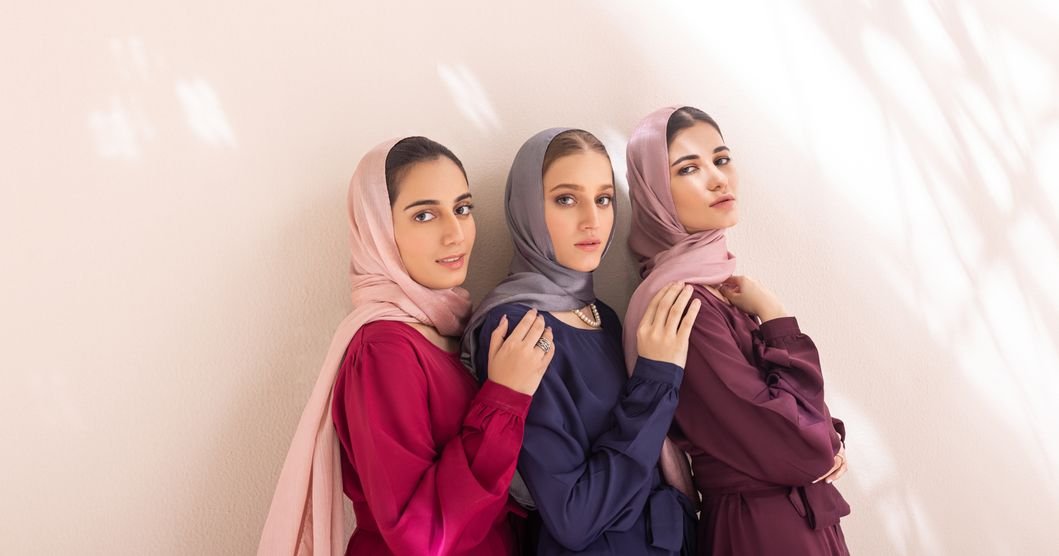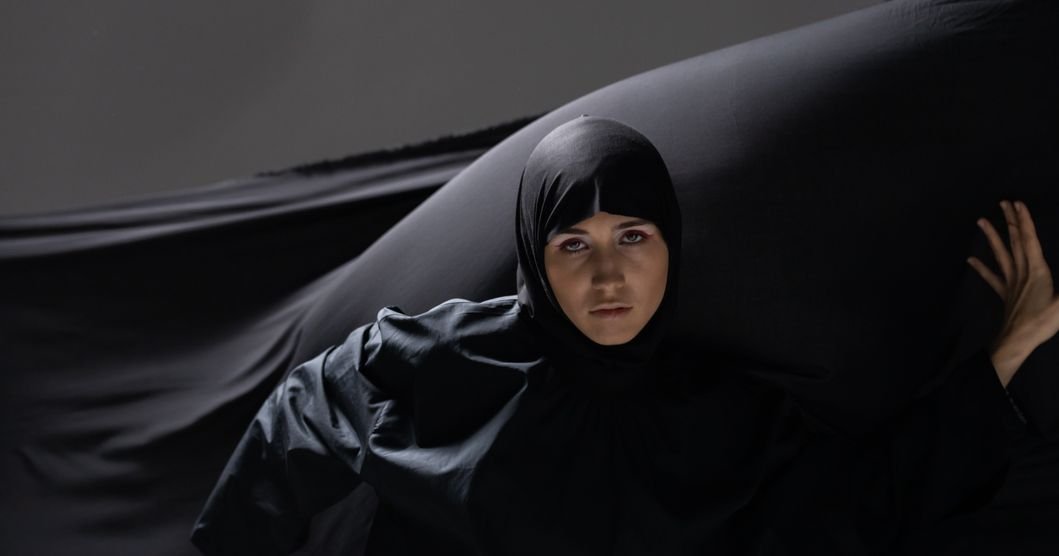
Custom Tailored Abaya Cost: Bespoke vs Ready-to-Wear Guide
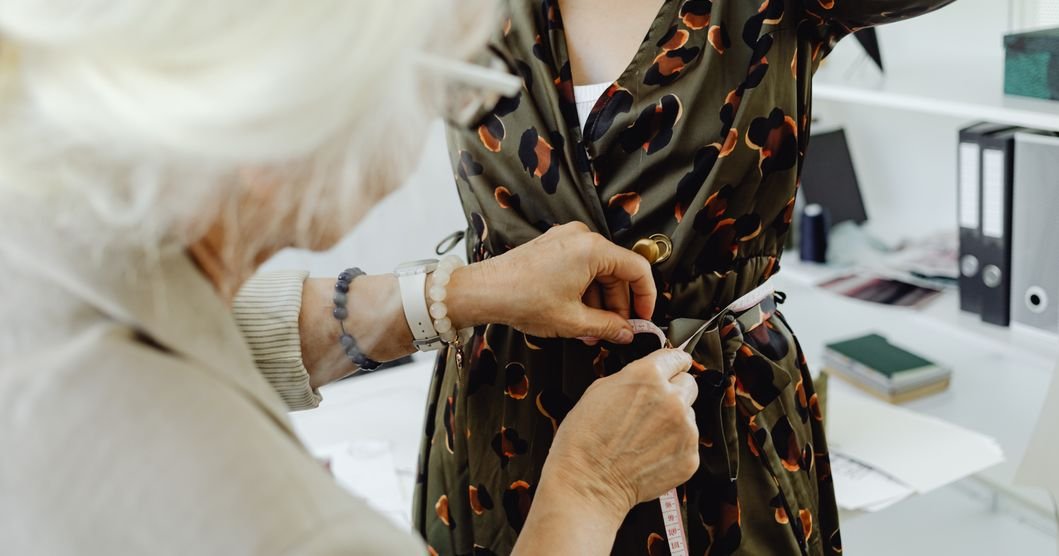
Photo by https://kaboompics.com/ on Pexels · Source
Mastering the Economics of Modest Fashion: Custom Tailored Abayas vs. Ready-to-Wear
When planning your next modest wardrobe update, understanding the custom tailored abaya cost is essential for budgeting wisely across the UAE and wider GCC. A basic custom abaya in Dubai typically runs between AED 200 and AED 500, while luxury bespoke pieces featuring intricate embroidery and premium imported fabrics can easily reach AED 800 to AED 2,000+. Whether you are visiting a neighbourhood atelier in Satwa or browsing ready-to-wear collections, knowing what goes into these prices ensures you never pay more than you should for exceptional craftsmanship.
Modest fashion in the United Arab Emirates occupies a unique space where deep-rooted cultural heritage intersects with global luxury trends. From the corporate towers of DIFC to the vibrant social hubs of Jumeirah and Downtown Dubai, the abaya is both an expression of personal identity and an everyday essential. Because of this, modern women frequently weigh the merits of commissioning a custom garment against purchasing a finished piece. Navigating this landscape successfully requires a careful examination of materials, labor, time, and hidden expenses.
Deconstructing the Custom Tailored Abaya Cost Across the UAE
To truly understand the custom tailored abaya cost, you need to look beyond the initial price tag quoted by a neighbourhood atelier. In fashion districts like Naif Souk, Satwa, or the textile souks of Bur Dubai, pricing structures vary significantly depending on whether you bring your own fabric or source it directly from the shop. Plain everyday nida abayas represent the most economical custom route, commonly priced between AED 200 and AED 350 all-in. However, the moment you introduce hand-stitched beadwork, silk linings, or specialty crepe, the arithmetic shifts significantly.
It is also helpful to distinguish between three distinct garment creation methods. Bespoke tailoring means a unique pattern is cut entirely from scratch for your exact body shape, involving multiple fittings over several weeks. Made-to-measure tailoring takes an existing master block and adjusts it to your specific measurements for a semi-custom fit. Ready-to-wear abayas, by contrast, are produced in standard sizing blocks, offering immediate wearability without the waiting period. Each method carries a very different financial and time investment.
Understanding these distinctions helps prevent sticker shock when receiving a final invoice. A neighborhood tailor charging minimal labor fees may still accumulate high costs if specialty trims, imported buttons, or custom lengths are requested. Conversely, luxury atelier houses in upscale districts bundle consultation, premium sourcing, and unlimited alterations into a higher upfront fee, offering total peace of mind.
Detailed Cost Breakdown of a Tailor-Made Abaya
When you commission a custom piece, the final invoice is a sum of several distinct moving parts. A standard abaya requires roughly 3 to 3.5 metres of fabric to ensure proper drape and generous modest coverage. Here is how the numbers typically align:
- Fabric Cost: Basic nida runs AED 15–30 per metre, totalling AED 45–105. Premium Japanese nida or heavy georgette can cost AED 50–120 per metre, totalling AED 150–420.
- Stitching Labour: Independent tailoring labour charges generally range from AED 30 to AED 250, depending on the complexity of casual or formal silhouettes and the prestige of the shop.
- Embellishments: Simple machine embroidery adds AED 30–70. Intricate hand-applied crystals, cutwork, or organza panel inserts can add AED 200–600+ to the bill.
- Lining and Trims: Adding an internal slip, satin cuffs, or matching sheila fabric adds AED 40–100.
- Alterations: Adjusting sleeve lengths or shoulder seams post-stitching typically costs AED 25–80 per modification.
Bespoke vs Made-to-Measure vs Ready-to-Wear: A Direct Comparison
Choosing the right avenue for your wardrobe depends on your timeline, budget, and fit preferences. This comparison table outlines how the three options measure up against one another:
| Feature | Bespoke Tailoring | Made-to-Measure | Ready-to-Wear |
|---|---|---|---|
| Price Range | AED 600 – AED 2,000+ | AED 300 – AED 700 | AED 250 – AED 900 |
| Turnaround Time | 1 – 3 weeks (local) | 1 – 2 weeks | Immediate |
| Fittings Required | 2 – 4 fittings | 1 – 2 fittings | Zero fittings |
| Fit Precision | Absolute perfection | Very high | Standard sizing |
| Best For | Special occasions & gala wear | Unique heights & proportions | Daily wear & instant needs |
The True All-In Financial Ledger for Custom Abayas
Many shoppers are surprised by how quickly extra line items accumulate when commissioning a custom garment. Examining a realistic line-by-line financial ledger reveals the true investment behind a custom tailored abaya cost:
| Expense Category | Economy Custom | Mid-Range Custom | Luxury Bespoke |
|---|---|---|---|
| Fabric (3.5 metres) | AED 70 | AED 210 | AED 525 |
| Base Stitching Labour | AED 80 | AED 180 | AED 400 |
| Embroidery / Details | AED 0 | AED 150 | AED 500 |
| Buttons, Poppers & Finish | AED 15 | AED 35 | AED 75 |
| Post-Pickup Alterations | AED 50 | AED 40 | AED 0 (Included) |
| Total All-In Cost | AED 215 | AED 615 | AED 1,500+ |
Hidden Costs That Catch Shoppers Off Guard
When budgeting for custom tailoring, hidden expenses often disrupt your financial plans. For instance, consider a hidden-cost example: an AED 80 hemming fee on an AED 320 abaya represents a hefty 25% surcharge slapped onto your initial sticker price.
Furthermore, rush fees applied during peak pre-Eid seasons can inflate labour charges by 30% to 50%. Fabric wastage is another factor; tailors often require you to purchase a full 3.5-metre cut even if your petite frame only uses 2.8 metres, leaving you to absorb the cost of the scraps. Travel expenses across Dubai or Abu Dhabi for multiple fitting appointments add up in fuel and parking fees. Most critically, custom garments carry no return policy. If you dislike the finished silhouette, you absorb 100% of the financial loss, whereas investing in ready-to-wear pieces often benefits from straightforward customer care, such as free size exchanges on unworn items with tags.
When Custom Is Worth It Versus When Ready-to-Wear Wins
There are distinct moments when commissioning a custom abaya makes sound financial and stylistic sense, and other times when buying off-the-rack is the superior choice. Custom tailoring is truly worth the investment if you possess non-standard height proportions, such as being exceptionally tall or petite, making standard lengths look awkward. It is also ideal for exact colour-matching to a specific occasion dress or when designing a signature bridal piece.
However, ready-to-wear wins decisively for daily convenience, consistency, and predictable quality. Mid-market ready-to-wear nida abayas in Dubai sit at roughly AED 300 to AED 600, placing them on par with mid-range custom work without the time sink of multiple fittings. If you need guidance on finding your ideal off-the-rack size without guesswork, consult our comprehensive abaya size guide on how to measure, or explore our digital size guide for precise international conversions. For shoppers seeking specific cuts, our specialized guides for a petite fit guide for abayas and a plus-size abaya fit guide ensure you achieve a tailored look straight out of the box.
Selecting the Right Fabric for Your Investment
The longevity of your garment rests heavily on the textile you choose. Japanese nida at 160 to 200 GSM (grams per square metre) remains the gold-standard benchmark in the UAE modest fashion market. This fabric weight offers an ideal balance: it is wonderfully breathable for the Gulf climate, maintains a structured yet fluid drape, and withstands regular machine washing without losing its rich matte finish.
While cheaper polyester blends may tempt you with a lower upfront custom tailored abaya cost, they tend to pill, trap heat, and fade within a few months of washing. Investing in superior textiles ensures your garment retains its luxurious hand-feel across dozens of wears. For a deeper dive into textile science, read our detailed Nida vs Crepe vs Chiffon abaya fabric guide.
Beyond nida, textured crepes and lightweight organza overlays are exceptionally popular across the UAE. When selecting fabrics for custom projects, always request a fabric swatch and rub it between your fingers to test for static resistance and breathability under indoor air conditioning and outdoor Gulf heat.
Expert Care Advice to Protect Your Abaya Investment
Whether you invest in a bespoke masterpiece or a ready-to-wear luxury abaya, proper maintenance preserves fabric integrity and aesthetic brilliance. Follow these essential care guidelines:
- Washing Protocol: Always hand wash your abayas in cold water using a mild, pH-neutral liquid detergent formulated for delicate fabrics. Avoid harsh bleaching agents or biological enzymes that degrade fine synthetic fibres.
- Drying Technique: Never wring or twist embroidered abayas. Instead, gently press out excess water with a clean towel and hang them in a shaded, well-ventilated area away from direct sunlight, which can fade rich black and coloured dyes.
- Ironing and Steaming: Use a handheld clothing steamer rather than a traditional heavy iron, especially around delicate crystal embellishments, metallic threadwork, or delicate satin panels. If ironing is necessary, turn the garment inside out and use a low heat setting.
- Storage Solutions: Store your garments on wide, padded wooden or velvet hangers inside breathable cotton garment bags. Avoid cramped plastic dry-cleaning covers, which trap humidity and can yellow delicate fabrics over time.
How Do You Brief an Abaya Tailor Properly?
Stepping into a local tailoring studio with an idea in your head can be overwhelming if you do not have a clear plan. A successful bespoke piece relies entirely on clear communication between you and the craftsperson. Walking in prepared ensures your finished garment drapes just as you envisioned, without expensive misunderstandings.
Essential measurements and specifications
Before any fabric is cut, you need to arm yourself with precise numbers. Do not rely on standard sizes when going bespoke. Take the time to gather exact dimensions:
- Shoulder-to-hem length in inches
- Bust, waist, and hip circumferences
- Sleeve length and shoulder width
- Wrist circumference for cuffed designs
Beyond these numbers, bring visual inspiration and a garment you already own that fits you exceptionally well. Show the tailor where you like the shoulder seam to sit and how loose you prefer the body to feel. Specify your preferred sleeve style—whether you want a dramatic batwing, a structured kimono, or a simple straight cut—and your closure preference, such as open-front, hidden press studs, or a delicate zip.
Always insist on a written quote that explicitly states whether hemming and lining are included in the price. As a general rule of thumb, a standard abaya requires roughly 3 to 3.5 metres of fabric, so you can check the quoted fabric quantity yourself to ensure accuracy. Agree on the number of fittings up front, and always confirm the tailor's re-do policy in writing before any fabric is touched by the scissors. This safeguards your investment and sets clear expectations from day one.
Ramadan, Eid, and the Seasonal Price Surge
The neighbourhood tailor holds a cherished, generational place in Gulf family life. Throughout the year, these small studios are quiet sanctuaries where women design special pieces for family gatherings, weddings, and community celebrations. However, this rhythm shifts dramatically as the holy month approaches.
Navigating the pre-Eid rush
Demand for custom tailoring spikes sharply in the weeks leading up to Ramadan and Eid. During this peak window, turnaround times stretch from days into weeks, and neighbourhood tailors often apply seasonal price surges to manage their workloads. If you have your heart set on a bespoke creation for Eid al-Fitr or Eid al-Adha, wisdom dictates booking your consultation six to eight weeks ahead of time, rather than leaving it until three weeks before.
Rush fees are common during this high-demand period, adding unnecessary cost to your garment. When life gets busy and you have simply left it too late for custom tailoring, ready-to-wear collections become the most sensible fallback. Choosing a beautifully crafted ready-to-wear piece from our curated range at Hoorain Abaya saves you from the stress of missed fittings and delayed deliveries, ensuring you look breathtakingly elegant without the seasonal panic.
Cost Per Wear: The Number That Actually Matters
When evaluating the financial reality of your wardrobe, the initial price tag can sometimes be deceiving. True value is not found in spending the absolute least amount possible, but in how often a garment brings you joy and confidence. This is where cost per wear becomes the only number that truly matters.
Calculating true wardrobe value
To find the true cost of any garment, simply divide the total price by the number of times you realistically wear it. Consider this comparison:
- A well-made, versatile abaya costing AED 500 worn weekly for two years (approx. 104 wears) costs under AED 5 per wear.
- An elaborately embellished occasion piece costing AED 1,800 worn just three times for major celebrations costs AED 600 per wear.
While special occasion pieces hold a treasured place in your wardrobe for weddings and Eid gatherings, your daily rotation pieces carry the heaviest workload. Fabric quality and correct maintenance drive garment longevity far more than price alone. By learning the proper techniques for caring for and storing your abaya, you protect delicate fabrics and intricate embroidery, ensuring your favourite pieces last for years.
Ultimately, it is impeccable fit and everyday comfort—not the initial spend—that determines whether an abaya becomes a beloved staple or lingers untouched at the back of your wardrobe. Whether you commission a custom piece for a milestone event or select a masterfully engineered ready-to-wear design from Hoorain Abaya, understanding the underlying costs guarantees a smarter, more sustainable wardrobe.
Frequently Asked Questions
What is the average custom tailored abaya cost in Dubai?
A basic custom abaya in Dubai typically costs between AED 200 and AED 500 for standard nida fabric with minimal detailing. Luxury bespoke pieces crafted from imported Japanese fabrics with hand-stitched embellishments easily range from AED 800 to AED 2,000+ depending on the atelier.
How many metres of fabric are required to make a standard abaya?
A standard custom abaya requires approximately 3 to 3.5 metres of fabric. This ensures sufficient yardage for generous modest drapes, long sleeves, and any extra fabric needed for matching sheilas or inner slips.
Is custom tailoring cheaper than buying ready-to-wear abayas?
Not necessarily. While basic economy custom abayas can start around AED 200, factoring in hidden costs like fabric wastage, design alterations, rush fees, and multiple fittings often brings the final custom tailored abaya cost on par with premium ready-to-wear collections ranging from AED 300 to AED 700.
How far in advance should I order a custom abaya for Eid?
It is recommended to book your custom abaya consultation at least 6 to 8 weeks before Ramadan or Eid al-Fitr. Neighbourhood ateliers experience severe backlogs during this peak season, leading to extended turnaround times and inflated rush-order fees.
Why is Japanese nida considered the best fabric for abayas in the UAE?
Japanese nida (typically 160–200 GSM) offers an ideal balance of breathability, structural drape, and durability against the Gulf climate. It resists fading, maintains a luxurious matte finish, and withstands frequent washing far better than cheap polyester blends.
Browse the ready-to-wear collection at Hoorain Abaya →