Abaya Trends 2026: The Complete Dubai Edit
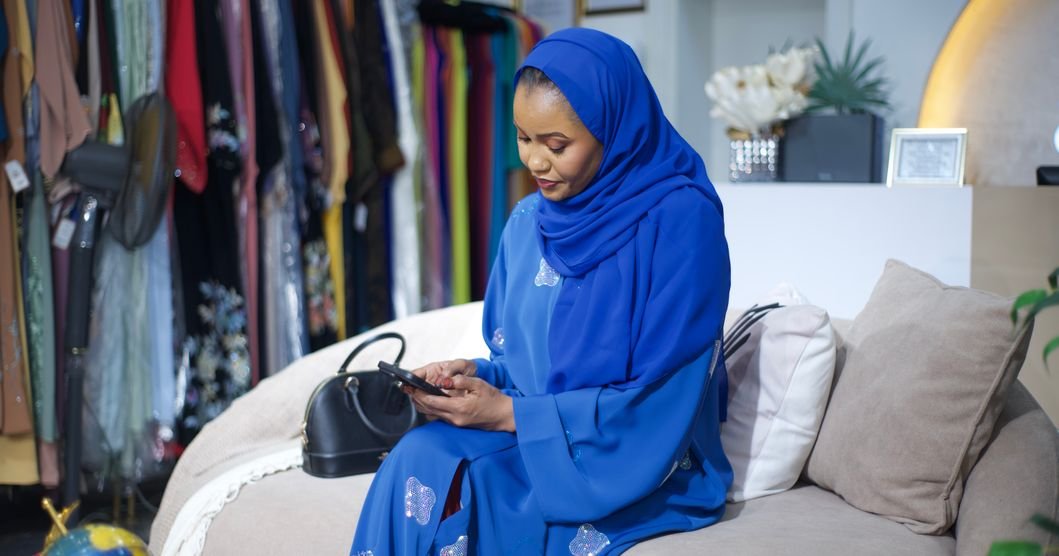
Photo by Taiye Salawu on Pexels · Source
Abaya Trends 2026: The Complete Dubai Edit
Every season brings a new chapter in abaya fashion, and abaya trends 2026 are writing something distinctly refined. Across Dubai's boutiques and modest-fashion conversations, a clear picture has emerged: cleaner silhouettes, fabric-led texture, and a confidence in colour that moves beyond the all-black uniform without abandoning it. This is the Dubai edit — grounded in what is actually available, written for women who want to dress intentionally.
In this guide:
- The 2026 trend at a glance
- Silhouette directions
- Fabrics and textures
- Colour story
- Embellishment: refined, not loud
- Occasion dressing in 2026
- Styling, care, and investment advice
- Frequently asked questions
What are the key abaya trends for 2026?
The defining abaya trends 2026 brings can be grouped into four movements: fluid kimono and farasha silhouettes gaining ground over structured cuts; texture-forward fabrics — jacquard nida, pearl weave, satin trim crepe — replacing plain basics as the primary design statement; a colour palette broadening from Midnight Black toward warm Ivory Sand and Date Brown; and embellishment pulled back to a single considered detail rather than all-over ornament. Together, these shifts produce a quieter, more editorial standard for what a well-dressed abaya looks like this year.
Silhouette directions: fluid takes the lead
The dominant shape of 2026 is the flowing, unstructured abaya, a silhouette that borrows openly from the kaftan and the jalabiya. Kimono-cut styles — with their wide draped sleeves and open-front silhouette — have moved from occasion wear into everyday dressing. The appeal is as practical as it is aesthetic: a kimono abaya works over slim trousers for the office, over a midi dress for a Friday gathering, and over linen separates for weekend errands without any change of approach.
The farasha abaya is having a parallel moment. Its characteristic flared butterfly drape — fullest through the middle, skimming outward at the hem — creates movement that reads as effortlessly dressed rather than deliberately formal. For daily life in Dubai, where moving between air-conditioned interiors and warm outdoor spaces is constant, a silhouette that breathes and moves freely is not just fashionable: it is functional.
The Samara Majlis Soft Ruffle Signature Abaya, cut in Soft Twill and offered in Date Brown, illustrates where kimono dressing has landed in 2026: the ruffle detail at the hem adds dimension but stays controlled, present without being dramatic. Pair it with a tonal sheila and understated slides — nothing else is needed.
Closed abayas are not disappearing; they are refining. Within the more structured category, the trend is toward clean tailoring — precise seams, minimal topstitching, and front-panel details that read as architectural. Think of it as the abaya equivalent of a well-cut blazer: the quality is legible, the statement is quiet.
Fabrics and textures: the surface is the statement
If one shift defines abaya trends 2026 more than any silhouette, it is the move toward fabric as the primary design decision. Plain, uniform surfaces are being replaced — or at least joined — by weaves and finishes that carry visual interest without relying on embellishment or colour contrast.
Jacquard Nida has crossed from occasion-only into broader everyday use. Its woven pattern catches light differently at different angles, giving a single-piece abaya a richness that plain nida cannot replicate — and it does so without adding weight or compromising breathability, which matters in Dubai's climate year-round.
Pearl Weave is the subtler option: a tighter, more uniform texture that adds depth to otherwise simple silhouettes. In Midnight Black or Ivory Sand, a pearl-weave abaya reads as elevated even in the simplest styling. The surface does the work that embroidery or trim might otherwise do.
Satin Trim Crepe continues to hold its position as one of the most versatile combinations. The matte crepe body with a satin-finish trim at cuffs or hem creates a quiet contrast — formal enough for events, restrained enough for daily wear. The Joud Studio Pleated Front Serene Abaya in Satin Trim Crepe shows how a pleating detail and trim finish can carry a garment without embroidery: the fabric does the storytelling.
Crinkle Travel Crepe earns its own category for frequent travellers. Its natural crinkle texture resists the sharp creases that folding inside a suitcase creates — it unpacks looking intentional. The fabric guide for travel abayas covers this in detail if packing is a regular consideration.
The 2026 Abaya Fabric Index
- Jacquard Nida: Best for everyday and occasions. Features a distinct woven pattern and structured drape.
- Pearl Weave: Best for everyday elegance. Offers subtle texture that adds profound depth.
- Satin Trim Crepe: Best for office to evening transitions. Matte body with a refined satin-finish trim contrast.
- Soft Twill: Best for kimono and relaxed cuts. Delivers a fluid drape and exceptionally comfortable weight.
- Crinkle Travel Crepe: Best for travel and daily wear. Crease-resistant and effortless to unpack.
- Layered Chiffon: Best for formal occasions. Lightweight, airy, and photographs beautifully under indoor lighting.
Colour story: warmth broadens the palette
Midnight Black remains the anchor of the abaya wardrobe, and nothing in 2026 dislodges that. The colour story this year is about what sits alongside black, not in opposition to it.
Ivory Sand has arrived as the season's clearest second-colour. Worn head-to-toe — abaya and sheila in matching Ivory Sand — it projects a quiet, editorial confidence that monochrome black achieves in a different register. Ivory Sand responds well to Dubai's natural light: warm without reading as cream, neutral without reading as white.
Date Brown occupies the warmer middle ground: richer than ivory, more grounded than anything brighter. It suits Dubai's cooler winter months and the transitional season alike. Worn tonally — abaya and sheila in Date Brown, accessories in tan or cognac — it produces a cohesive result with minimal styling effort.
Across all three core colours, the movement is toward full-look combinations. The monochromatic approach — abaya, sheila, and where possible accessories in the same colour family — is the dominant styling mode of 2026. It requires fewer decisions and produces a more coherent result.
Embellishment: precision over coverage
The embellishment direction in 2026 is precision over coverage. Where previous seasons sometimes favoured embroidery across an entire front panel, the 2026 approach is a single considered detail: a scallop edge at the cuff, a crystal-trim line at the hem, a tonal embroidered panel along one side seam.
The practical case for restraint is longevity. A precisely embellished abaya stays relevant across multiple seasons. It is also easier to style — a single detail point keeps the rest of the outfit simple without the look appearing underdressed.
Embroidered abayas in 2026 favour tonal or tone-on-tone thread over high-contrast colour. The embroidery reveals itself in movement rather than announcing itself as a static pattern. The Evening Collection carries several pieces that illustrate this: embellishment is present, doing its work through the way light catches the surface.
Occasion dressing in 2026
The clearest shift in occasion dressing this year is the growing willingness to reach for an abaya as the primary — rather than secondary — garment for formal events. The approach of using an abaya as a covering layer over a different occasion outfit is giving way to choosing the right abaya and wearing it as the complete statement.
For weddings and high-occasion events, Layered Chiffon and Luxe Organza remain the fabric benchmarks — lightweight enough for warmth-controlled indoor venues, refined enough to photograph well under formal lighting. For everyday occasions — a workday, a school event, a casual dinner — Korean Nida and Premium Nida in structured closed-abaya cuts offer polish with the ease of daily wear.
Dubai Design District (d3.ae) has become a focal point for modest fashion in the region. Its show floors each season offer an early read on which silhouettes and fabric treatments are gaining momentum — and the 2026 picture there is consistent with what we see across the wider UAE market: texture, movement, and restraint.
The bridal abaya guide covers the formal end of this spectrum in detail. For most occasion dressing in 2026, the decision is simpler than it appears: choose the fabric weight appropriate to the venue, and let the silhouette and colour do the rest.
Styling and Care Advice for Your 2026 Wardrobe
Investing in luxury abayas from Hoora Abaya requires a thoughtful approach to both daily styling and garment maintenance, especially in the unique climate of the UAE.
Mastering Monochromatic Layering
The 2026 aesthetic relies heavily on tonal continuity. When wearing Ivory Sand or Date Brown, pair your abaya with a matching lightweight sheila. Introduce subtle contrast through your footwear and handbag — think muted metallics, rich chocolates, or classic nude leathers. Avoid heavy multi-colour accessories that disrupt the serene flow of the fluid silhouette.
Preserving Fabric Integrity
Because texture is the defining feature of 2026 abayas, protecting delicate weaves like Jacquard Nida and Pearl Weave is essential:
- Washing: Always hand wash your luxury abayas in cold water using a mild, chemical-free detergent, or opt for professional dry cleaning to maintain structural integrity.
- Drying: Never wring or twist textured fabrics. Hang them in a shaded area away from direct UAE sunlight, which can fade rich tones like Date Brown and Midnight Black over time.
- Storage: Store your abayas on padded hangers in breathable garment bags. Avoid overcrowding your wardrobe to keep fluid kimono and farasha drapes free from permanent creasing.
Frequently Asked Questions
Is black still relevant for abayas in 2026?
Midnight Black remains the most versatile colour in the abaya wardrobe, and 2026 has not changed that. The trend is toward adding Ivory Sand and Date Brown alongside black — not replacing it. A well-chosen black abaya in Pearl Weave or Jacquard Nida reads as current and considered this season.
What fabric should I prioritise for a 2026 abaya in Dubai?
For everyday use in Dubai's climate, Jacquard Nida and Pearl Weave offer the best balance: texture and visual interest without added weight or heat retention. For occasions, Layered Chiffon or Luxe Organza are the right choices — fine, breathable, and appropriate for formal indoor settings. For travel, Crinkle Travel Crepe is designed to stay crease-free in a suitcase.
What is the easiest way to dress in a 2026 trend without changing my whole wardrobe?
One piece and one principle: add a kimono-cut or farasha abaya in Ivory Sand or Date Brown to your existing collection, and wear it monochromatically with a matching sheila. This covers the four main abaya trends 2026 brings — fluid silhouette, textured fabric, expanded colour, and minimal embellishment — without replacing anything you already own.
How should I care for delicate textured abayas like Jacquard Nida?
To preserve the intricate weaves and finishes of 2026 fabrics, hand washing in cold water with mild detergent is recommended. Alternatively, utilize professional dry cleaning services. Always air dry your abayas in the shade to protect the fabric's quality and rich coloration from the intense UAE sun.