What is the Significance of Wearing Abaya in UAE Culture?
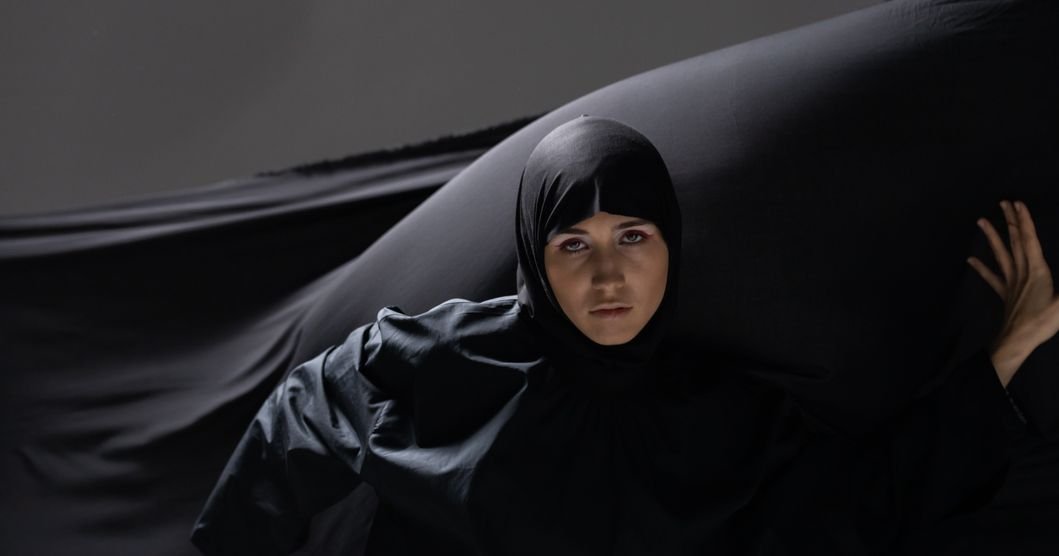
Photo by cottonbro studio on Pexels · Source
In the United Arab Emirates, the abaya is far more than a piece of clothing – it is a living thread that weaves together history, identity and contemporary style. Understanding its significance offers a window into the heart of Emirati culture, where tradition and modernity walk side by side.
The Historical Roots of the Abaya in the Emirates
The origins of the abaya in the Emirates can be traced back to the early Bedouin tribes who roamed the desert long before the discovery of oil. These nomadic peoples adopted loose, flowing garments to protect themselves from the harsh sun and sand, favouring fabrics that draped comfortably while allowing freedom of movement. Over centuries, the simple cloak evolved into a distinct silhouette that signalled belonging to the Arabian Peninsula.
When the Trucial States united to form the UAE in 1971, the abaya became a visual marker of the new nation’s shared heritage. It was worn at official gatherings, market stalls and family celebrations, reinforcing a collective memory of resilience and hospitality. Even as the country modernised, the garment retained its core purpose – providing modest coverage while embodying a timeless aesthetic that resonates across generations.
Today, the historical narrative of the abaya is celebrated in museums and cultural festivals, reminding residents and visitors alike that this modest robe is a living testament to the Emirates’ enduring spirit.
A Symbol of National Identity and Cultural Pride
Beyond its practical origins, the abaya has grown into a powerful emblem of Emirati identity. When citizens step out in a finely crafted abaya, they are instantly recognised as part of a community that values unity, respect and continuity. The garment’s colour palette – often deep black, rich navy or subtle ivory – reflects the understated elegance that the UAE is known for on the global stage.
State occasions such as National Day or the Dubai Shopping Festival see a surge in bespoke abayas adorned with subtle embroidery that incorporates the nation’s flag colours or iconic motifs like the falcon and palm tree. These decorative touches are not merely fashion statements; they are visual affirmations of patriotism, allowing wearers to express pride without uttering a word.
In everyday life, the abaya also serves as a social equaliser. Whether a businesswoman, a student or a retiree, the garment creates a shared visual language that bridges age, profession and socioeconomic status, reinforcing the collective ethos that underpins Emirati society.
The Role of Modesty in Emirati Social Etiquette
Modesty is a cornerstone of Emirati etiquette, and the abaya is the most visible expression of this value. It signals respect for oneself and for others, especially in public and professional settings where decorum is highly prized. By covering the body in a graceful, non-revealing manner, the abaya helps maintain a sense of privacy while still allowing personal style to shine through.
- It creates a respectful distance in social interactions, encouraging conversation to focus on character and intellect rather than appearance.
- In business environments, the abaya is often paired with a tailored hijab, presenting a polished yet modest image that aligns with the UAE’s corporate culture.
- During religious festivals such as Ramadan, the garment takes on added significance, embodying the spirit of humility and reflection that the holy month encourages.
These etiquette norms are taught from a young age, ensuring that the abaya remains a living tradition that upholds the social fabric of the Emirates while adapting to contemporary life.
How Modern Design Reflects a Changing Society
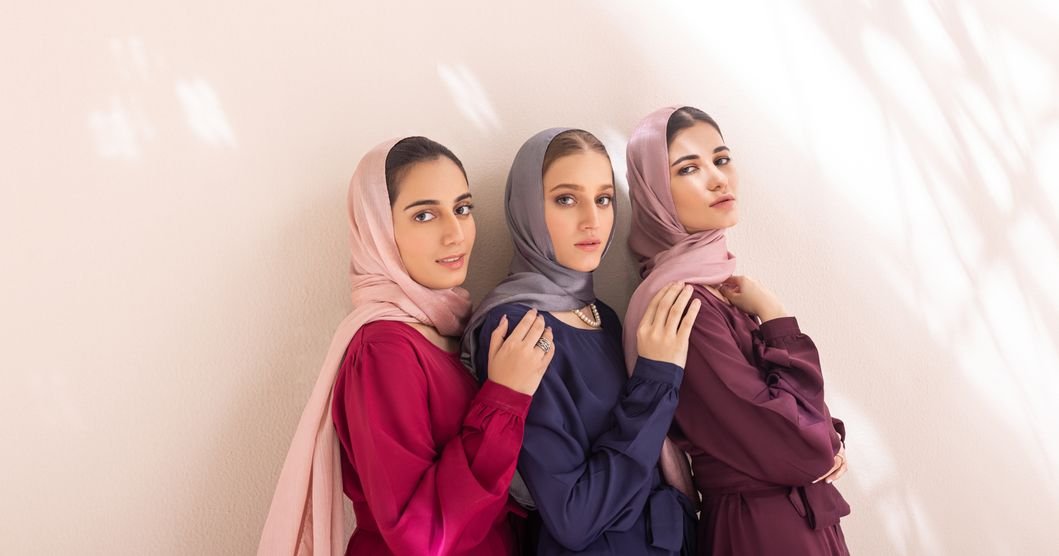
Contemporary designers in the UAE are re‑imagining the abaya to mirror the nation’s rapid transformation. While the silhouette remains modest, new fabrics, cuts and embellishments speak to a generation that values both heritage and innovation. This evolution demonstrates how fashion can be a dialogue between the past and the future.
| Aspect | Traditional Abaya | Modern Interpretation |
|---|---|---|
| Fabric | Heavy cotton or wool | Lightweight crepe, silk blends, sustainable fibres |
| Cut | Straight, floor‑length | Tailored waistlines, subtle side slits for movement |
| Decoration | Minimal, if any | Intricate embroidery, sequins, laser‑cut patterns |
| Colour | Predominantly black | Muted pastels, jewel tones, occasional prints |
These design shifts are not about abandoning modesty; rather, they celebrate it in fresh ways that resonate with global fashion trends. Young Emiratis often pair a contemporary abaya with statement accessories – such as a designer clutch or bold jewellery – creating a look that is both culturally rooted and globally relevant. The result is a vibrant fashion landscape where the abaya continues to be a canvas for personal expression, reflecting the UAE’s confidence in its heritage while looking confidently toward the future.
The Abaya as a Canvas for Artistic Expression
In the UAE, the abaya has evolved far beyond a simple covering; it is a living canvas where designers blend tradition with contemporary artistry. Luxurious fabrics such as silk, chiffon and soft crepe provide a fluid backdrop for intricate embroidery, sequins and laser‑cut motifs that echo the region’s architectural heritage. Modern creators often draw inspiration from the geometric patterns of Dubai’s skyline, the flowing dunes of the desert, or the delicate calligraphy found in historic manuscripts. This dialogue between past and present allows wearers to showcase personal style while honouring cultural roots.
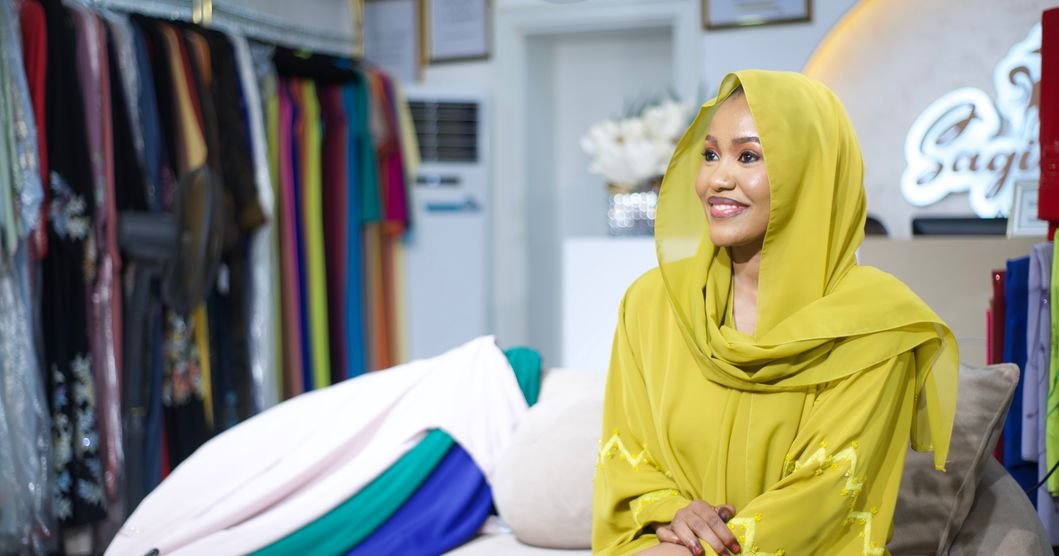
Colour, once limited to classic black, now embraces muted earth tones, pastel hues and even subtle metallic sheens, each chosen to complement the wearer’s complexion and the occasion. The strategic placement of embellishments—along the sleeves, hemline or back panel—creates visual interest without compromising modesty. As a result, the abaya becomes a statement piece that can transition from a daytime business meeting to an evening soirée with a simple change of accessories.
Ultimately, the abaya’s role as an artistic medium reflects the UAE’s broader narrative: a society that respects its heritage while confidently stepping into a bold, fashion‑forward future.
Occasions and Traditions: When the Abaya Shines
From the bustling souks of Sharjah to the glittering halls of Dubai’s gala events, the abaya is woven into the fabric of daily life and special celebrations alike. During Ramadan evenings, families gather for Iftar, and many women choose modest yet elegant abayas adorned with subtle embellishments that reflect the spirit of reflection and togetherness. Eid al‑Fitr and Eid al‑Adha bring a heightened sense of festivity; designers often release limited‑edition collections featuring richer fabrics and intricate detailing to mark the joyous occasions.
Weddings are another cornerstone where the abaya takes centre stage. Brides and guests alike may opt for bespoke pieces that incorporate heirloom fabrics or family‑passed jewellery, turning the garment into a tribute to lineage and love. Business conferences and diplomatic gatherings also call for refined, tailored abayas that convey professionalism without sacrificing cultural identity.
- Ramadan Iftar gatherings – modest, breathable fabrics
- Eid celebrations – richer textures, subtle sparkle
- Weddings – bespoke embroidery, family motifs
- Corporate events – sleek cuts, neutral tones
- National Day parades – embroidered flags, patriotic accents
Each occasion offers a unique opportunity for the abaya to adapt, reinforcing its status as both a cultural staple and a versatile fashion choice.
The Verdict: Why the Abaya Remains a Timeless Icon
At its core, the abaya endures because it balances reverence for tradition with an innate capacity for reinvention. Its modest silhouette respects the values deeply embedded in Emirati society, while the ever‑expanding palette of fabrics, cuts and decorative techniques ensures relevance in a fast‑moving global fashion landscape. Moreover, the abaya fosters a sense of community; shared designs and colour palettes often signal belonging to a particular tribe, neighbourhood or professional circle.
In the digital age, social media platforms amplify the reach of local designers, allowing the abaya to inspire and be inspired by trends from Milan, Tokyo and beyond—yet always returning to its roots in the UAE’s desert winds and pearl‑coast heritage. This cyclical dialogue between global influence and local authenticity keeps the garment fresh without eroding its cultural significance.
Consequently, the abaya is not merely clothing; it is a living emblem of identity, creativity and continuity. Its timeless appeal lies in this harmonious blend, ensuring that future generations will continue to drape themselves in a piece that is both profoundly personal and unmistakably Emirati.
Explore the full range in our abaya collection to find your next piece.
Frequently Asked Questions
Is the abaya mandatory for tourists in the UAE?
While not legally required for visitors, wearing an abaya is a respected gesture of cultural appreciation, especially when visiting religious sites. It offers a blend of comfort and modesty suited to the local climate.
What are the traditional colours of a UAE abaya?
Historically, black is the most traditional colour for an abaya in the UAE, symbolising elegance and privacy. However, contemporary fashion has introduced a wide palette of pastels and earth tones to suit modern tastes.
How has the abaya evolved in recent years?
The garment has transitioned from a simple cloak to a high-fashion statement featuring intricate embroidery, diverse fabrics, and tailored silhouettes. It now reflects the personal style of the wearer while maintaining its cultural essence.
Why is the abaya practical for the UAE climate?
The loose-fitting nature of the abaya allows for excellent airflow, which is essential in the warm Arabian heat. Modern versions often use lightweight, breathable fabrics like linen or silk to enhance comfort.
Can an abaya be worn for formal events?
Absolutely, as many abayas are designed specifically for evening wear with luxurious embellishments such as crystals or lace. They are considered the height of sophistication for weddings and official gatherings in the UAE.
Shop the collection at Hoorain Abaya →