The Abaya's Place in Gulf Fashion Today
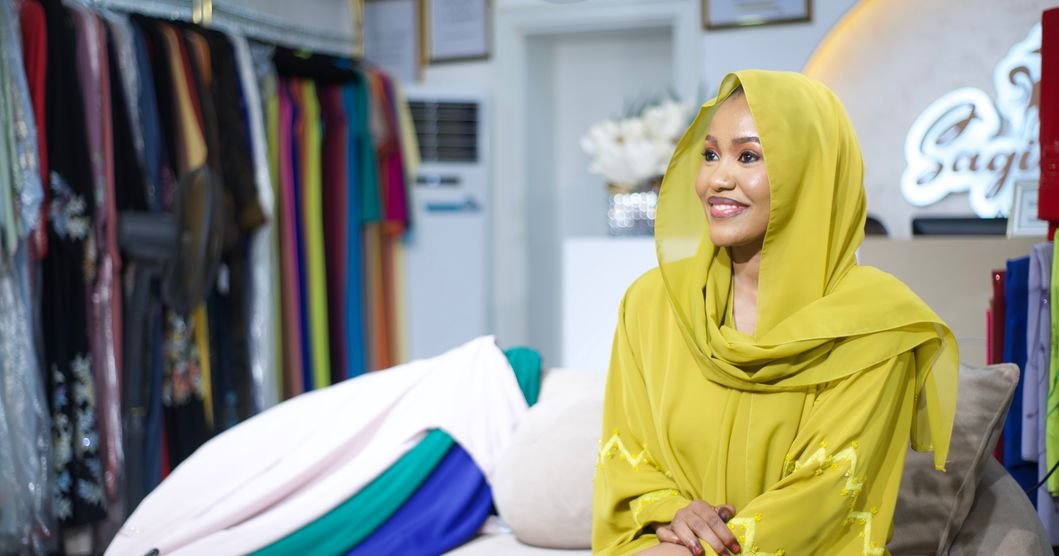
Photo by Taiye Salawu on Pexels · Source
The Abaya's Place in Gulf Fashion Today
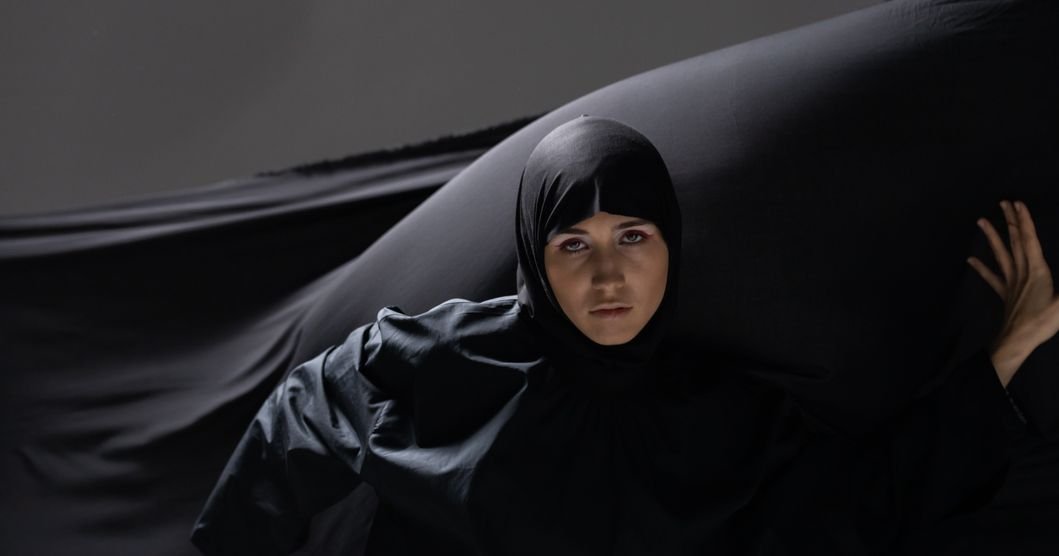
Abaya gulf fashion is one of the most distinctive style traditions in the world. It has deep roots in Gulf dress going back centuries. Yet what it looks like today is quite different from even a decade ago. The abaya now sits at a unique intersection: a garment with genuine cultural heritage and a front-row seat in global modest fashion, and one regularly confused with the jalabiya and the kaftan. Understanding that position helps explain why it endures — and why designers across the UAE keep reinventing its silhouettes, fabrics, and details season after season.
Also on the blog: For a practical breakdown of the fabrics shaping contemporary Gulf abaya design, see our Nida vs Crepe vs Chiffon abaya fabric guide.
Also on the blog: For readers new to building their own abaya wardrobe, read our guide on how to choose your first abaya.
In this article
- How the abaya became Gulf fashion's defining garment
- How UAE abaya design has changed in the past decade
- The fabrics driving modern Gulf abaya style
- The abaya as a global fashion statement
- Styling the contemporary abaya for UAE life
- Care and maintenance for luxury abayas
- What this means for your wardrobe today
- Frequently asked questions
How Did the Abaya Become Gulf Fashion's Defining Garment?
The abaya evolved in the Gulf region as a practical outer garment for the climate. It also became a mark of cultural identity. Long, flowing, and made from fabrics that breathe in desert heat, it grew into a central part of GCC social life. Women across many nationalities and backgrounds have worn it for generations. Originally designed as a functional wrap to shield against blowing desert sands and intense sunlight, its utilitarian origins gradually merged with aesthetic refinement, transforming a basic necessity into an art form.
Over time, the abaya absorbed different craft traditions. Embroidery techniques came from different communities along historical trade routes. Fabrics arrived from East Asia and South Asia, introducing shimmering silks, lightweight cottons, and complex weaves. Tailoring sensibilities influenced by European couture entered as the UAE opened to global trade, introducing structured shoulders, precision darts, and sophisticated linings. All of this shaped what Gulf abaya design looks like today, creating a garment that honors its past while remaining entirely forward-looking.
What sets Gulf abaya fashion apart from modest outerwear elsewhere is its openness to personal expression. In the UAE — a multinational society where women from dozens of countries interact daily — the abaya became a shared vocabulary. A garment that could be adapted and personalised without belonging to any single tradition. That adaptability is exactly why it remains relevant, bridging generational gaps and satisfying the aesthetic desires of modern, cosmopolitan women.
How UAE Abaya Design Has Changed in the Past Decade
The shift in abaya gulf fashion since the mid-2010s has been significant. A decade ago, most abayas available locally were straight-cut, minimally decorated, and almost entirely black. By 2020, the market had diversified considerably. Luxury abayas with structural tailoring and occasion-specific cuts had become mainstream, not niche.
Today, the silhouette story is more nuanced still. Several shifts stand out in contemporary UAE fashion:
- The rise of the open abaya: Open-front cuts — which layer over an outfit rather than replacing it — now dominate workwear and casual styling. They suit UAE summers and offer wider layering options, allowing women to showcase tailored trousers, midi dresses, and statement handbags underneath.
- Occasion-led categories: The division between everyday, evening, and bridal abayas is now well-established. Designs for weddings and gala events use different fabric weights, construction methods, and embellishment levels from daily wear.
- Minimal luxury: The clearest trend in premium Gulf abaya design is restraint. Clean seaming, tonal piping, satin trim, and precise tailoring rather than heavy embellishment. The Signature collection at Hoorain reflects this — pieces built on fit and fabric quality, not surface decoration.
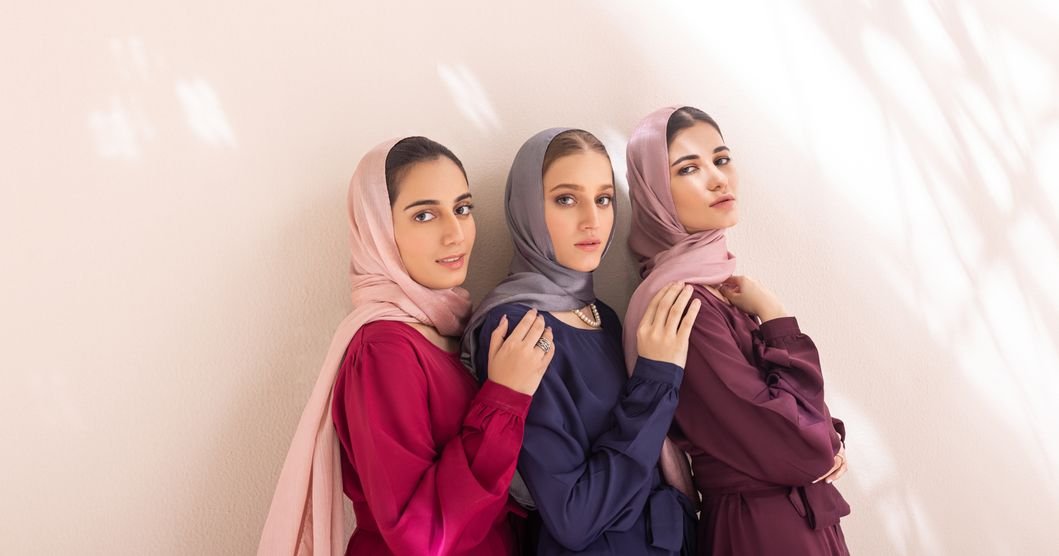
- Colour expansion within a curated palette: While black remains foundational, neutral tones — Ivory Sand, Date Brown, dune beige — have become daily staples. The abaya in ivory or soft chocolate is now as common on UAE streets as black was exclusively a decade ago.
The Fabrics Driving Modern Gulf Abaya Style
Fabric is where abaya gulf fashion has innovated most visibly. Traditional choices — heavier crepes and stiff fabrics — have largely been replaced by materials engineered for the UAE's specific demands. High heat outdoors. Intense indoor air conditioning. Garments that move seamlessly from a morning souk visit to an office meeting and an evening gala without requiring a wardrobe change.
Korean Nida emerged as a dominant choice because it addresses all three demands. It is opaque without being heavy. It resists creasing in transit. It holds a silhouette's structure without stiffening in the heat. Pearl Weave adds subtle texture that catches light differently from the matte crepes it sits alongside — particularly useful for evening occasions where a touch of understated glamour is required.
For travel and everyday wear, Crinkle Travel Crepe has become popular for a simple reason. It creases gracefully rather than awkwardly. What happens in a carry-on bag on a long flight does not end the look on arrival. This kind of fabric engineering reflects how mature the UAE abaya market has market-proven itself to be — solutions built around how women actually live in their clothes.
Luxe Organza still has a place, but specifically in bridal and occasion contexts. Its transparency and drape make it unsuited to everyday use. For a majlis-occasion evening abaya or a wedding-season celebration, that same lightness becomes exactly the right quality, floating effortlessly as the wearer moves through grand ballrooms and private receptions.
Styling the Contemporary Abaya for UAE Life
Styling an abaya in the modern Gulf landscape is an exercise in intentional coordination. Because today's designs feature open fronts, intricate cuffs, and varied hemlines, what you wear underneath matters as much as the outer layer itself.
Day-to-Night Transitions in Dubai and Abu Dhabi
For a busy workday running between DIFC meetings and afternoon networking events, opt for a closed or belted open abaya in a breathable neutral like taupe or slate grey. Pair it with pointed-toe leather mules and a structured tote bag. As evening approaches, transition the look instantly by swapping your daytime tote for a metallic clutch, adding delicate layered gold jewelry at the neckline, and choosing a footwear option with a subtle heel.
Mastering the Art of Layering
With open abayas dominating contemporary wardrobes, the underlying outfit acts as your secondary canvas. Monochromatic slip dresses, tailored linen trousers paired with fine-knit shells, and matching palazzo sets create clean architectural lines beneath sheer organza or lightweight Nida wraps. Pay attention to sleeve details: an abaya with dramatic bell cuffs or embroidered wristbands looks exceptional when paired with slim, fitted under-sleeves.
Care and Maintenance for Luxury Abayas
Investing in a luxury abaya from Hoorain Abaya means acquiring a garment crafted from premium, delicate textiles. Proper care ensures your pieces retain their pristine drape, colour depth, and structural integrity for years to come.
- Washing Protocols: Always prioritize hand washing in cold water using a mild, pH-neutral detergent formulated for delicate fabrics. Never wring or twist your abaya; instead, gently press out excess water.
- Machine Care: If using a washing machine, place the abaya inside a heavy-duty mesh garment bag and select the delicate or hand-wash cycle with zero spin.
- Drying: Hang your abaya immediately on a padded hanger in a shaded, well-ventilated area away from direct sunlight, which can fade rich black dyes and delicate neutrals.
- Ironing and Steaming: A handheld clothing steamer is the safest and most effective tool for removing travel creases without scorching synthetic blends or flattening textured weaves like Pearl Weave. If ironing is necessary, use a low heat setting with a pressing cloth between the iron and the fabric.
The Abaya as a Global Fashion Statement
One of the clearest signals that abaya gulf fashion has arrived on the world stage is its presence on international runways and in mainstream fashion media. Designers from Paris to Milan have drawn on the silhouette's length, its layering potential, and its structural range. Modest fashion now occupies editorial space in publications that would not have covered it ten years ago.
Dubai's role as a retail and fashion hub has accelerated this. Khaleeji designers and modest-fashion specialists now reach audiences in the UK, Malaysia, and Indonesia as readily as in Abu Dhabi or Riyadh. For a broader picture of how modest fashion sits within global fashion weeks, international fashion media has increasingly tracked the trend across markets, validating what women in the Gulf have known for generations: that modesty and high fashion are entirely complementary.
For the abaya, global recognition has not meant dilution. If anything, external attention has reinforced the craft embedded in Gulf tailoring traditions. The precision of a scalloped hem. The careful placement of satin trim. The lining weight that makes a garment feel genuinely luxurious against the skin. These artisanal touches elevate the abaya from regional attire to an internationally coveted luxury garment.
What This Means for Your Wardrobe Today
Heritage, in abaya gulf fashion, is a living tradition — not a static one. The abaya of today does not look like the abaya of fifty years ago. That is not a loss. It reflects the same adaptability that has kept the garment central to Gulf women's wardrobes across generations and geographies.
What persists is the underlying logic. A full-length outer garment that is practical in the Gulf climate. That moves gracefully. That can carry the weight of a formal occasion as readily as an afternoon errand. The fabrics have improved. The construction has become more precise. The silhouettes have diversified.
The cultural resonance has deepened too — because the abaya now represents not just regional dress, but a deliberate style choice made by a global community of women on their own terms. For those building an abaya wardrobe today, that means the choices are genuinely wider and better crafted than at any previous point in abaya gulf fashion history.
Frequently Asked Questions
What is the difference between an abaya, a jalabiya, and a kaftan?
While all three are staples of Middle Eastern wardrobes, they serve different functions and feature distinct cuts. An abaya is traditionally an outer garment worn over other clothes when leaving the house, characterized by an open or closed front coat-like silhouette. A jalabiya is a one-piece, ankle-length traditional dress worn primarily at home or during indoor gatherings, often richly embroidered around the neckline. A kaftan is a loose, flowing tunic or robe originating from Persian and Ottoman traditions, worn as a standalone dress for celebratory events and evening wear.
Can I wear colored abayas for formal evening events in the UAE?
Absolutely. While classic black remains a timeless choice for evening galas and formal gatherings, contemporary Gulf fashion fully embraces sophisticated neutrals and jewel tones. Ivory sand, deep chocolate brown, midnight navy, and rich emerald green are widely accepted and celebrated at weddings, high-end dinners, and corporate evening events across the UAE.
How do I choose the right abaya fabric for hot UAE summers?
For the intense heat of UAE summers, look for lightweight, breathable fabrics engineered for air circulation. Korean Nida is an exceptional everyday choice as it offers opacity without weight. Crinkle Travel Crepe and fine chiffon blends are also ideal for hot weather, providing effortless airflow and quick-drying properties without clinging to the skin.
Are open abayas appropriate for formal occasions?
Yes, open abayas have become a dominant style for both casual daytime wear and formal evening occasions. For formal events, opt for open abayas crafted from luxury fabrics like organza, satin-trimmed crepes, or pieces featuring subtle hand-embroidery along the lapels and cuffs. Pairing an open abaya with an exquisite matching slip dress or tailored trousers creates a sophisticated, modern silhouette suitable for any upscale gathering.