How to Choose the Right Abaya for My Body Type – Expert Guide
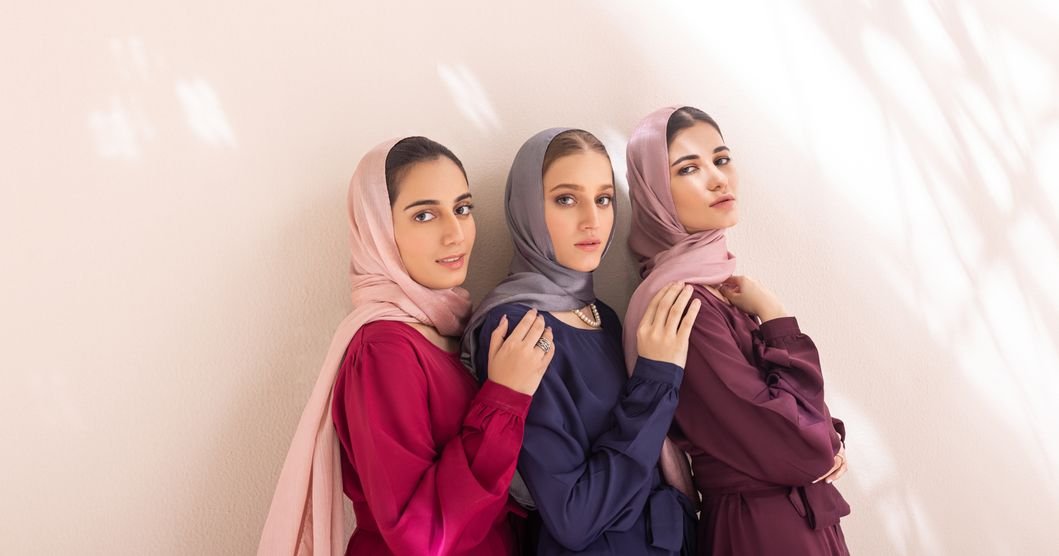
Photo by The Hijab Company on Pexels · Source
Choosing an abaya that celebrates your unique shape is both an art and a science. By understanding how different cuts, fabrics and details interact with your proportions, you can create a wardrobe that feels effortless yet striking. Below is a practical guide to help you navigate each element of the selection process.
Understanding Your Body Shape and Its Impact on Abaya Fit
Every body can be loosely categorised into one of several classic silhouettes – hourglass, pear, apple, rectangle or inverted triangle. Recognising which category you fall into is the first step towards a flattering fit. An hourglass figure benefits from designs that accentuate the waist, while a pear shape looks best in styles that balance the hips with volume at the shoulders.
For apple‑shaped bodies, the goal is to create a defined waistline and draw the eye upward, so structured bodices or empire‑rise cuts work well. Rectangle silhouettes thrive on added curves; a gently cinched waist or a peplum detail can introduce the illusion of shape. Inverted triangle frames benefit from softer fabrics that flow from the shoulders, reducing the visual width of the upper body.
Take a moment to assess your natural proportions – note where you feel most confident and where you’d like a little extra support. This self‑awareness will guide you towards cuts that enhance, rather than hide, your best features.
Key Fabric and Colour Choices for Different Silhouettes
The texture and drape of a fabric can either amplify or soften your silhouette. Light, fluid fabrics such as chiffon and georgette create a graceful flow, ideal for pear and rectangle shapes that need gentle movement. Heavier materials like crepe or woven silk add structure, which is advantageous for apple and inverted triangle figures, as they help define the waist and control excess volume.
Colour also plays a subtle role in visual proportion. Darker shades tend to recede, making them perfect for areas you wish to minimise, while lighter or vibrant hues draw attention. Pairing a deep navy bodice with a pastel skirt, for example, can balance a pear shape by highlighting the upper half.
| Silhouette | Recommended Fabric | Colour Tips |
|---|---|---|
| Hourglass | Soft crepe, satin | Rich jewel tones to accentuate waist |
| Pear | Light chiffon, georgette | Bright tops, darker skirts |
| Apple | Structured crepe, woven silk | Mid‑tone neutrals on bodice, darker lower half |
| Rectangle | Flowing voile, organza | Contrast‑blocking with bold accents |
| Inverted Triangle | Heavy crepe, brocade | Soft, muted shades below waist |
When selecting an abaya, think of fabric and colour as tools that can sculpt your silhouette as much as the cut itself. Experiment with texture combinations – a structured bodice paired with a flowing hem can create a harmonious balance for many body types.
Selecting Length and Cut that Flatter Your Proportions
The length of an abaya should complement both your height and the proportion of your limbs. For taller women, floor‑sweeping gowns accentuate elegance, while petite frames often look more balanced with ankle‑length or slightly cropped styles that avoid overwhelming the silhouette.
When it comes to cut, A‑line and gently flared shapes are universally flattering, as they create a subtle waist definition without excessive bulk. For those with a pronounced waist, a fitted bodice that tapers into a slightly wider hem can highlight curves beautifully. Conversely, a straight‑cut or column silhouette works well for rectangle bodies, offering a sleek, elongated line.
Consider the placement of seams and darts – vertical stitching can elongate the torso, whereas horizontal detailing may add visual width. If you prefer a more modest coverage, a modestly longer hem paired with a high‑rise waist can still maintain proportionate balance.
Ultimately, try the abaya on while moving; the right length should allow you to walk comfortably and sit without the fabric bunching, ensuring both style and practicality.
Styling Details: Embellishments, Sleeves and Necklines
Embellishments are an excellent way to draw attention to your favourite features. Strategically placed embroidery or sequins on the neckline or sleeves can lift the eye upward, which is especially beneficial for apple‑shaped figures. For pear shapes, subtle detailing along the shoulder line adds width to the upper body, creating a more balanced look.
Sleeve styles also influence perception. Bell or flared sleeves add volume to the arms, ideal for those wishing to soften a narrow shoulder line. Straight, cuffed sleeves maintain a clean line and are perfect for rectangle silhouettes that benefit from a crisp, minimal aesthetic.
Necklines should complement both your face shape and bust line. A modest V‑neck elongates the neck and flatters a fuller bust, while a round or boat neck offers a gentle curve that suits a smaller bust. If you prefer a high collar, consider a slight opening or a decorative stitch to avoid a constricted feel.
When layering, keep the overall silhouette in mind – a heavily embellished cape can overwhelm a petite frame, whereas a delicate lace overlay adds elegance without adding bulk. By matching details to your body’s natural lines, you create a cohesive, polished appearance that feels uniquely yours.
Layering and Accessories to Enhance Your Look
Layering is the secret weapon that turns a simple abaya into a runway‑ready ensemble. Start with a lightweight, breathable base such as a cotton or modal slip dress; this not only adds modesty but also prevents clinginess when you drape a heavier outer layer. Over this, choose an abaya in a fabric that complements the season – soft crepe for summer, lightweight wool blend for winter – and consider a slightly longer back to create a graceful silhouette.
Accessories act as the punctuation marks of your outfit. A structured belt cinched at the natural waist instantly defines curves and works wonders for pear‑shaped figures. For those with an hourglass shape, a slim, metallic belt placed just above the hips accentuates the waist without overwhelming the drape. Statement jewellery – think layered necklaces or a pair of chandelier earrings – draws the eye upward, balancing a longer torso.
Finish the look with a pair of elegant, low‑heeled sandals or pointed loafers. A modest yet chic handbag, preferably in a contrasting colour, adds a pop of interest and helps to break up the vertical line of the abaya, giving the overall appearance a polished, fashion‑forward finish.
Shopping Tips: Trying On, Alterations and Online Buying
When you step into a boutique, give yourself ample time to try on several styles. Begin with a neutral, well‑fitted base piece and assess how the fabric falls across your hips, shoulders and bust. Pay attention to the seam placement – a seam that runs directly over the bust can add unwanted volume, whereas a diagonal seam can create a flattering lift.
Take note of any areas that feel restrictive; a good abaya should glide over the body without pulling. If you find a design you love but the length is slightly off, remember that most reputable tailors can adjust the hem by a few centimetres without compromising the garment’s integrity. For a customised fit, request a side seam taper – this simple alteration can transform a boxy silhouette into a sleek, figure‑hugging shape.
- Measure your bust, waist and hips before you shop.
- Check the fabric’s weight and drape in natural light.
- Bring a trusted friend for a second opinion on fit.
- Ask the retailer about their alteration policy and turnaround time.
- When buying online, compare model measurements with your own and read reviews for fit accuracy.
Online shopping offers convenience, but always order from a site that provides detailed size charts and high‑resolution images. If possible, request a fabric swatch; feeling the material in person can prevent disappointment and ensure the abaya moves with you as intended.
Final Verdict: Your Ideal Abaya Blueprint
After considering body shape, fabric choice, layering techniques and practical shopping advice, the blueprint for your perfect abaya becomes clear. For an apple‑shaped figure, opt for a A‑line cut with a subtle waist‑defining belt and a V‑neckline that elongates the torso. Pear‑shaped bodies shine in empire‑waist designs that skim the hips, paired with a slightly flared hem to balance proportions.
If you have a rectangular silhouette, create curves with a peplum detail or a gently gathered waist, and choose a slightly cinched belt to add definition. Hourglass figures benefit from a fitted bodice and a modest flare at the hem, allowing the natural waist to remain the focal point. Finally, for a tall, lean frame, a floor‑length, slightly oversized abaya in a lightweight fabric adds graceful movement without overwhelming your stature.
Remember, the right abaya is not just about following trends; it is about celebrating your unique shape while staying true to modesty. By applying the layering tricks, shopping strategies and fit principles outlined above, you can confidently select an abaya that feels tailor‑made, looks effortlessly chic, and becomes a timeless staple in your modest‑fashion wardrobe.
For more on this, see our guide on Abaya Styling Tips: Flattering Looks for Every Body Type.
Explore the full range in our abaya collection to find your next piece.
Frequently Asked Questions
What body shape should I consider when buying an abaya?
Identify whether you are pear, apple, hourglass, rectangle or petite, as each shape benefits from specific cuts and lengths that balance proportions.
Do darker colours really slim the figure?
Darker shades tend to create a visual narrowing effect, especially when used in the main body of the abaya, while lighter accents can highlight favourite features.
Can I wear a loose‑fit abaya if I have a curvy figure?
Yes, choose a relaxed silhouette with strategic tailoring—such as a cinched waist or side seams—to maintain comfort without hiding curves.
How important is fabric weight for the UAE climate?
Lightweight, breathable fabrics like chiffon, crepe or fine jersey keep you cool, while still offering modest coverage; heavier fabrics are best for evenings or cooler months.
Should I get my abaya altered?
Tailoring ensures the perfect fit around shoulders, sleeves and length, making any style look custom‑made and more flattering.
Shop the collection at Hoorain Abaya →