Velvet Abaya Styling: Winter and Evening Looks for the Gulf
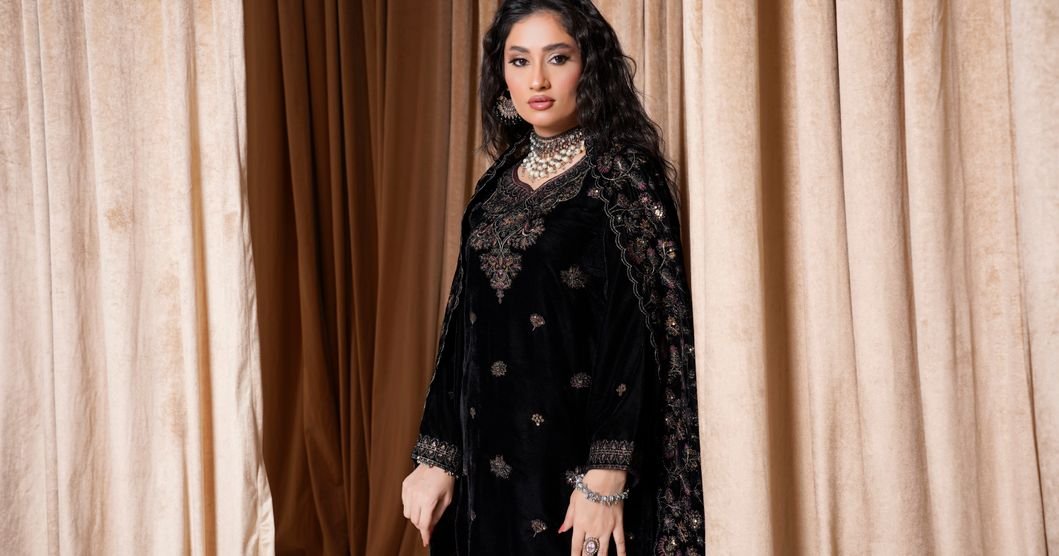
Photo by Muneeb Malhotra on Pexels · Source
Mastering velvet abaya styling in the Gulf requires a delicate balance between the fabric’s inherent opulence and our unique desert climate. The single most common mistake is wearing velvet as an all-day winter garment; in the UAE or Qatar, where daytime temperatures often reach 26°C, velvet is strictly an evening or indoor majlis fabric. By understanding the pile, weight, and light-absorbing qualities of this textile, you can create sophisticated looks that honour tradition while remaining comfortable.
How do you approach velvet abaya styling for the Gulf climate?
Understanding the evening window
In the Gulf, the concept of winter is fleeting and gentle. While our sisters in colder climates might wear velvet from morning until night, the reality in Dubai, Abu Dhabi, or Doha is quite different. During the peak of the season from November to February, the daytime sun remains strong, with averages hovering around 24°C to 26°C. Wearing a heavy velvet piece during a midday lunch or an outdoor school run will inevitably lead to overheating. Therefore, the first rule of velvet abaya styling is timing. This fabric belongs to the hours after sunset, when the mercury dips to a pleasant 15°C or 17°C, or for events held in the crisp air-conditioning of a grand ballroom or a private home.
The role of indoor environments
Because we spend a significant portion of our social lives indoors, velvet becomes a tool for elegance rather than just warmth. In a majlis setting, the fabric provides a sense of presence and formality that lighter textiles sometimes lack. It does not flutter or cling; it drapes with a certain authority. When you are styling for an indoor gathering, consider the seating. Velvet is a tactile fabric that invites touch, but it also shows every crease. If you know you will be seated on floor cushions or low sofas for several hours, look for velvet blends that include a small percentage of synthetic fibre to help the fabric spring back into shape when you stand.
Respecting the weight of the textile
Velvet is a dense, three-dimensional fabric. Unlike a Nida or crepe fabric, which flows with the wind, velvet has a structural memory. It sits on the shoulders with a noticeable weight. For the Gulf woman, this means your styling should focus on balance. If the abaya is a full-length velvet piece, your choice of footwear and handbag should be delicate to avoid a look that feels too heavy or grounded. A slim-heeled sandal or a pointed mule helps to break the visual weight at the hemline, ensuring the silhouette remains graceful rather than cumbersome.
Why does the direction of the fabric pile matter?
The science of the nap
As a stylist who has spent years handling various textiles, I cannot overstate the importance of the "nap" or pile direction. Velvet is created by weaving two thicknesses of fabric at the same time and then cutting them apart, leaving a soft, upright surface of tiny threads. If you run your hand down a velvet abaya and the fabric feels smooth, you are moving with the pile. If it feels slightly resistant or "prickly," you are moving against it. This direction completely changes how the colour is perceived. When the pile points downwards, the fabric reflects more light and appears lighter, often with a silvery sheen. When the pile points upwards, it absorbs light, making the colour look deeper, richer, and more matte.
Consistency in tailoring
When you are commissioning or selecting a velvet piece, check that every panel—the sleeves, the back, and the front—has been cut with the pile running in the same direction. A common sign of lower-quality construction is a sleeve that looks a shade darker than the bodice simply because the fabric was flipped during the cutting process. For a formal evening look, most designers prefer the "pile up" direction because it provides that deep, midnight intensity that makes jewel tones look so expensive. It is this light-absorbing quality that allows velvet to photograph so beautifully at weddings, as it creates a soft-focus effect around the body.
The tactile experience
Part of the joy of wearing velvet is the sensory experience. In our community, where the abaya is a daily expression of identity, the shift to velvet in the winter months signals a change in mood. It is a fabric that demands a slower pace of movement. Because the pile can be crushed or disturbed, you find yourself moving with more intention. This mindfulness is at the heart of modest beauty—it is not just about what you wear, but how you carry yourself within it. When the pile is well-maintained and the direction is consistent, the abaya acts as a canvas for light and shadow, shifting subtly as you move through a room.
Which silhouettes work best for this heavy fabric?
The strength of the column cut
Because velvet is inherently voluminous due to its thickness, the most successful silhouettes are often the most simple. A straight-cut column abaya or a very slight A-line is ideal. These shapes allow the fabric to hang straight from the shoulder, using its own weight to create a clean, vertical line that elongates the frame. In velvet abaya styling, we often avoid the extremely wide "farasha" or butterfly cuts. While these are beautiful in chiffon or light crepe, in velvet, the sheer amount of fabric becomes heavy on the shoulders and can look bulky under the arms. A more tailored approach ensures the abaya remains a garment of grace rather than a burden of weight.
Cape sleeves and structured shoulders
If you desire drama, look toward cape-style sleeves. A velvet abaya with a split sleeve or a floor-length cape detail allows for movement and ventilation—crucial for the Gulf climate—while maintaining that regal evening aesthetic. Structured shoulders are also particularly effective in velvet. Because the fabric is thick, it can hold a crisp edge better than Nida. A slightly padded shoulder can balance a wider hip or provide a more formal, "coat-abaya" feel that is very popular for winter evening events in Riyadh and Kuwait City. You can see how these structural elements are evolving by looking at the abaya trends for 2026, which favour architectural shapes over excess volume.
The belted wrap and bisht styles
For those who prefer a more defined waist, a velvet wrap abaya with a wide belt in a contrasting texture, such as silk or satin, can be very flattering. The contrast in textures breaks up the density of the velvet. Alternatively, the traditional bisht cut works surprisingly well in velvet for a winter majlis. The oversized, masculine-inspired drape of a bisht, when rendered in a soft, feminine velvet, creates a beautiful tension. It allows you to layer a warm inner dress underneath without any restriction, making it a practical choice for those January nights when the desert air turns truly chilly.
What colours are trending for evening velvet in 2026?
The depth of jewel tones
Velvet was made for jewel tones. Because the fabric absorbs light, colours like emerald green, deep burgundy, and midnight blue take on a three-dimensional quality that you simply cannot achieve with flat fabrics. In the 2026 palette, we are seeing a move toward "forest floor" greens and "dark plum" shades. These colours feel grounded and sophisticated. When you wear a midnight blue velvet abaya, it doesn't just look blue; it looks like the night sky. This depth is why velvet remains the premier choice for festive occasions, as discussed in the Eid abaya edit for the cooler months.
The rise of earthy, desert tones
While jewel tones are the classic choice, the upcoming season is embracing a more muted, earthy palette inspired by the Gulf landscape. Think of sandalwood, burnt sienna, warm taupe, and amber. These colours in velvet feel incredibly modern and "quiet luxury." A warm taupe velvet abaya, for instance, offers a softness that is perfect for a family gathering or a more relaxed evening event. These shades also pair beautifully with the gold jewellery that is so central to our heritage. The warmth of the gold against the matte, earthy velvet creates a harmony that feels both authentic and contemporary.
The timelessness of black velvet
We must not overlook the power of a black velvet abaya. It is the ultimate evening staple. However, the key to styling black velvet is to ensure it is a "true" black. Because of the pile, some cheaper velvets can look slightly grey or dusty under bright lights. A high-quality black velvet should look like an inkwell—deep, dark, and consistent. To prevent a black velvet look from feeling too heavy, look for pieces with subtle embellishments, such as jet-beading or a satin-trimmed lapel. This adds a layer of "black-on-black" texture that keeps the eye moving and prevents the abaya from looking like a solid block of dark fabric.
How should you style a velvet abaya for a wedding?
Selecting the right jewellery
When attending a wedding, your velvet abaya styling should focus on the interplay between the matte fabric and sparkling accessories. Velvet provides the perfect backdrop for high jewellery. Because the fabric does not reflect light, your diamonds, pearls, or gold pieces will stand out with much more intensity than they would against a shiny satin. If your abaya has a high neckline, consider a long, layered necklace. If it is an open-style abaya, a statement choker or a bold set of earrings will draw the eye upward. Avoid jewellery with sharp claws or intricate filigree that might catch on the velvet pile, as this can cause permanent snags.
Footwear and handbags
For a wedding, the goal is to lift the look. Since velvet is a heavy fabric, your shoes should be light. A strappy metallic sandal in gold or silver is a classic choice that adds a touch of "air" to the outfit. In terms of handbags, a hard-shell clutch is preferable to a shoulder bag. A shoulder strap will inevitably crush the pile on your shoulder, leaving a visible mark that is difficult to remove mid-event. A clutch in a contrasting texture—perhaps a smooth silk, a beaded box, or even a metallic finish—provides a necessary break from the velvet texture. For more detailed advice on guest etiquette and fashion, you can explore our guide on wedding guest abaya styling.
The inner dress choice
What you wear under your velvet abaya is just as important as the abaya itself. For a wedding, a silk or satin slip dress is the best companion. The slipperiness of the silk allows the velvet to glide over your body rather than sticking to your clothes. If you are wearing an open abaya, ensure the inner dress is in a complementary shade—either a perfect match for a monochromatic look or a metallic tone to add some evening shimmer. You can find a variety of evening abayas and inner pieces that provide this layered sophistication without the bulk of traditional winter wear.
How do you maintain and store velvet to prevent crushing?
The golden rule of no ironing
If there is one thing you must remember about velvet care, it is this: never, under any circumstances, press a hot iron directly onto the face of the fabric. The combination of heat and the weight of the iron will permanently crush the pile, leaving a shiny, flat "bald" spot that cannot be repaired. To remove wrinkles, always use a garment steamer. Turn the abaya inside out and steam from the reverse side. Hold the steamer at least fifteen centimetres away from the fabric and let the steam penetrate through the fibres. This will "plump" the pile from the back, restoring its soft texture without damaging the surface.
Proper storage techniques
Velvet is a fabric that needs "breathing room." In your wardrobe, never squeeze a velvet abaya between other heavy garments, as this will lead to compression marks along the sleeves and side seams. Always hang your velvet pieces on broad, padded hangers that support the weight of the shoulders. Store them in a breathable cotton garment bag rather than plastic, which can trap moisture and cause the pile to become limp. If you must fold the abaya for travel, fold it with the pile facing the pile (inside out) and place sheets of acid-free tissue paper between the folds to cushion the fabric. For more comprehensive tips, refer to our abaya care and storage guide.
The ice cube trick for crushed patches
Despite our best efforts, velvet can sometimes get crushed—perhaps from sitting in a car for a long duration. If you find a flattened patch, do not panic. A professional trick is to take an ice cube, place it in a small plastic bag, and rest it over the crushed area for about twenty to thirty minutes. The cold moisture helps the fibres to "reset." Afterward, blot the area dry with a clean towel and use a soft-bristled clothes brush to very gently brush the pile back in its natural direction. This simple method can often revive a garment that looks beyond repair.
What are the best alternatives if velvet feels too heavy?
The versatility of Jacquard Nida
At Hoorain Abaya, we understand that while velvet is beautiful, it isn't always practical for the 26°C afternoons of the UAE or the humid evenings of Qatar. If you love the depth and texture of velvet but need something more breathable, Jacquard Nida is an excellent alternative. This fabric features patterns woven directly into the textile, creating a play of matte and sheen that mimics the visual interest of velvet without the heavy pile. It remains lightweight and cool against the skin, making it suitable for both day and evening wear throughout the winter season.
Satin-trimmed crepe for evening contrast
Another way to achieve a formal, "velvet-adjacent" look is through the use of high-quality crepe with satin or velvet-ribbon trims. Our matte crepes provide a clean, sophisticated base, while a thick satin trim along the lapel or cuffs provides that necessary evening shimmer. This approach to velvet abaya styling allows you to enjoy the aesthetic of luxury while benefiting from the superior drape and breathability of crepe. It is a more versatile choice for women who move between outdoor and indoor environments frequently. You can learn more about these differences in our fabric guide.
Luxe Organza for layered volume
For those who want the "presence" of a velvet abaya—that sense of volume and structure—but find the fabric too warm, Luxe Organza is a wonderful solution. By layering organza over a Nida or silk base, you create a structured silhouette that holds its shape beautifully. It catches the light in a way that is similar to the sheen of velvet but feels weightless. This is particularly effective for wedding guest looks where you want to make a statement without feeling weighed down by heavy textiles. These pieces offer the same regal air as velvet but are much better suited to the indoor-outdoor flow of Gulf social life.
How do you layer under velvet without adding bulk?
Choosing the right base layers
Successful velvet abaya styling depends heavily on what is happening underneath. Because velvet is thick, adding a bulky sweater or a heavy cotton dress underneath will make the entire outfit look lumpy. Instead, opt for ultra-thin base layers. A seamless, lightweight microfibre top or a silk camisole provides warmth without adding millimetres to your frame. In the cooler months of January, if you are heading to a desert camp or an outdoor majlis, a thin thermal layer designed for "heat tech" is much more effective than a chunky knit.
The importance of the slip dress
A full-length slip dress in a slippery fabric like satin or acetate is essential. Velvet has a tendency to "grab" onto other fabrics, especially cotton or wool. If you wear a cotton dress under a velvet abaya, you will find the abaya bunching up as you walk. A smooth slip allows the velvet to hang perfectly straight. Furthermore, choosing a slip in the same colour family as your abaya creates a seamless, elongated look. For example, a forest green velvet abaya over a matching silk slip looks much more intentional and high-fashion than wearing it over mismatched separates.
Managing the sleeve volume
One area where layering often goes wrong is the sleeves. If your velvet abaya has slim or tailored sleeves, ensure your inner layer is sleeveless or has a very fitted sleeve. Any bunching at the elbow or wrist will be magnified by the thickness of the velvet. If you are wearing jewellery over your sleeves—such as a statement watch or a stack of bracelets—make sure the sleeve of the abaya is wide enough to accommodate them without pulling the fabric taut. The goal is for the velvet to look effortless, as if it is floating over your silhouette rather than being stretched by what is underneath.
Frequently Asked Questions
Is a velvet abaya too hot to wear in Dubai?
During the day, yes. Even in January, the Dubai sun can make velvet feel stifling. However, for evening events, outdoor dinners, or air-conditioned majlises, it is perfectly appropriate. The key is to view velvet as an "occasion" fabric rather than a daily utility fabric. If you are planning to be outdoors between 11 AM and 4 PM, a lightweight crepe or Nida is a much more comfortable choice.
How do I stop my velvet abaya from getting crushed in the car?
The best way to prevent car-seat crushing is to lift the back of the abaya slightly as you sit, ensuring the fabric is smooth against the seat rather than folded under you. If possible, avoid leaning back heavily against the pile for long durations. For long commutes, some women prefer to hang their velvet abaya in the car and wear a lighter layer until they arrive at their destination.
Can velvet abayas be dry cleaned safely?
Yes, professional dry cleaning is the safest way to clean velvet, especially if it has embroidery or beadwork. Always inform your dry cleaner that the garment is velvet so they do not use a heavy press. If the abaya is a synthetic velvet blend, it may be more resilient, but traditional silk-base velvet is very delicate and should never be submerged in a standard washing machine at home.
Does velvet suit a petite frame or is it too overwhelming?
Velvet can suit a petite frame if the cut is right. Avoid oversized, "one-size" styles which can swallow a smaller person. Instead, look for a tailored column cut or a piece with a defined shoulder. Keeping the look monochromatic—wearing the same colour from the hijab down to the shoes—will also help to create an elongated vertical line that prevents the heavy fabric from looking overwhelming.
What is the best colour for my first velvet abaya?
Midnight blue or deep emerald are the best starting points. While black is classic, these deep jewel tones truly showcase the unique beauty of the velvet pile and the way it interacts with light. They are versatile enough for weddings, Eid, and formal dinners. These colours also pair easily with both gold and silver jewellery, making them a practical investment for your winter evening wardrobe.
What should I wear underneath a velvet abaya for a winter wedding?
A sleeveless silk or satin slip dress is the ideal choice. The smooth texture of the slip prevents the velvet from clinging or bunching as you move. For the Gulf winter, you do not need heavy layers underneath; the velvet itself provides ample warmth for an indoor or evening event. Ensure your footwear is delicate—a slim heel or elegant mule—to balance the visual weight of the velvet.
Shop the collection at Hoorain Abaya →