
Designed in Dubai. Cash on delivery or bank transfer. Return requests within 7 days on unworn items.

Category: Care & Maintenance

  • What are the Best Modest Fashion Stores in Dubai Mall?

    What are the Best Modest Fashion Stores in Dubai Mall?

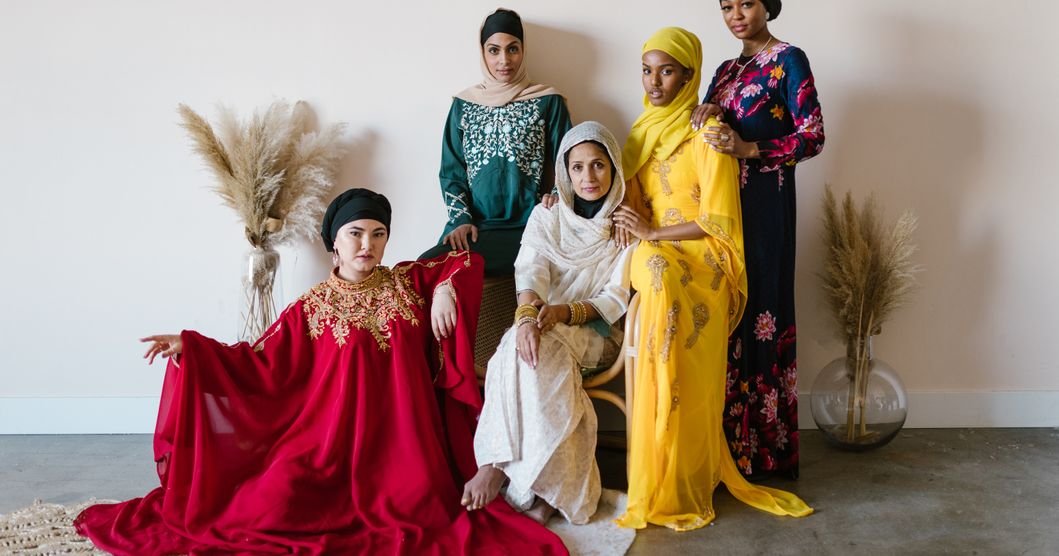
    Dubai Mall is more than a retail powerhouse; it is a cultural crossroads where tradition meets contemporary style. For shoppers seeking modest fashion that respects heritage while embracing modernity, the mall offers a curated selection of stores that cater to every taste and occasion.

    Luxury Abaya Boutiques: Timeless Elegance

    At the heart of Dubai Mall’s luxury wing, a handful of specialised abaya boutiques stand out for their dedication to craftsmanship and refined aesthetics. These houses source the finest fabrics—silk, chiffon, and hand‑woven crepe—from regional ateliers, ensuring each piece drapes with a graceful fluidity. Embellishments are subtle yet sophisticated, ranging from mother‑of‑pearl buttons to delicate hand‑embroidered motifs that echo Arabian calligraphy. The colour palette leans towards classic neutrals—ivory, midnight black, and deep navy—interspersed with seasonal hues such as muted sage or soft rose, allowing the wearer to transition effortlessly from a formal gathering to a quiet evening.

    Personalised service is a hallmark of these boutiques; many offer private fitting rooms and the option to commission bespoke pieces that reflect individual style narratives. Seasonal collections are unveiled with modest fanfare, often accompanied by cultural showcases that celebrate the artistry behind each garment. Whether you are searching for a statement piece for a wedding or a refined everyday abaya, these luxury outlets provide an experience that blends heritage with haute couture.

    Brand Signature Fabric Key Feature
    Elegant Silhouettes Silk‑crepe blend Hand‑stitched pearl detailing
    Royal Veil Fine chiffon Layered modest cuts
    Desert Pearl Organic cotton Eco‑friendly dyes

    Contemporary Modest Wear: Trend‑Forward Selections

    For those who prefer a modern twist on modesty, Dubai Mall hosts a vibrant mix of contemporary brands that reinterpret traditional silhouettes with current trends. Expect to find oversized blazers paired with modest maxi skirts, or sleek jumpsuits that incorporate high necklines and full‑length sleeves. Innovative designers experiment with texture—think pleated organza, matte jersey, and subtle metallic finishes—creating depth without compromising coverage.

    Colour blocking and asymmetrical cuts are popular, offering a fresh visual language that appeals to younger shoppers and fashion‑savvy professionals alike. Many of these stores also integrate modest athleisure, providing breathable fabrics suitable for both prayer and active lifestyles. The emphasis on versatility means pieces can be mixed and matched, allowing a single wardrobe to adapt from a casual brunch to an evening gala. Seasonal pop‑ups frequently showcase limited‑edition collaborations, ensuring that the latest runway inspirations are accessible to the modest fashion community.

    Family‑Friendly Modest Shops: Styles for All Ages

    Shopping for modest fashion is a family affair in Dubai Mall, where several retailers cater to children, teenagers, and adults alike. These stores understand the importance of comfort and practicality, offering garments that are easy to care for while still looking polished. Soft, breathable cotton and jersey dominate the children’s collections, with playful prints—such as subtle geometric patterns or gentle florals—adding a touch of whimsy without overwhelming modest sensibilities.

    Teen‑focused sections blend youthful energy with modest cuts, featuring layered tops, modest denim, and modest‑cut dresses that allow for personal expression. For parents, coordinated family sets are available, enabling a cohesive look for special occasions like Eid or family gatherings. Many of these outlets provide in‑store tailoring services, ensuring that each piece fits perfectly across the age spectrum. The welcoming ambience, complete with child‑friendly changing areas and attentive staff, makes the shopping experience enjoyable for the whole family.

    Eco‑Conscious Modest Brands: Sustainable Choices

    Dubai Mall has become a hub for shoppers who want their modest wardrobe to reflect a commitment to the planet. Several boutiques now showcase collections crafted from organic cotton, recycled polyester and responsibly sourced silk, all cut to the modest silhouettes that define contemporary abaya style. These brands place transparency at the heart of their ethos, often providing detailed information about fibre origins, dye‑free processes and low‑impact packaging. By choosing pieces that are both elegant and eco‑friendly, shoppers can enjoy the timeless allure of flowing fabrics while reducing their environmental footprint.

    What sets these stores apart is their dedication to ethical labour practices. Many employ local artisans, preserving traditional embroidery techniques and ensuring fair wages. The result is a range of garments that feel as good as they look – from understated, earth‑tone abayas perfect for everyday wear to richly embellished evening pieces that celebrate cultural heritage. For the conscious consumer, the Mall’s sustainable modest fashion outlets offer a curated experience where style and stewardship walk hand in hand.

    Seasonal Highlights: Latest Collections and Must‑Have Pieces

    Each season, Dubai Mall’s modest fashion corridors burst with fresh arrivals that capture the spirit of the moment while respecting the modest aesthetic. Spring brings breezy, pastel‑coloured abayas with subtle pleating, ideal for the warm desert mornings, while autumn introduces deeper jewel tones and layered silhouettes that transition effortlessly from day to night. Designers are increasingly experimenting with texture – think lightweight chiffon overlays paired with structured crepe bases – creating depth without compromising modesty.

    Key pieces to watch include:

    • Tailored trench‑style abayas with hidden pockets, perfect for the modern professional.
    • Embroidered kaftans featuring intricate threadwork that nods to regional craftsmanship.
    • Convertible hijab‑friendly jackets that can be worn open or cinched for a sleek silhouette.
    • Luxurious velvet evening abayas with discreet side slits, offering movement while maintaining coverage.
    • Eco‑friendly knit dresses with modest length, blending comfort and contemporary flair.

    These selections not only reflect current trends but also provide versatile options for every occasion, ensuring shoppers leave the Mall with pieces that feel both current and timeless.

    Verdict: The Ultimate Modest Fashion Destination in Dubai Mall

    When it comes to finding a one‑stop haven for modest fashion, Dubai Mall stands unrivalled. The blend of eco‑conscious brands, seasonal dynamism and a commitment to quality creates an environment where shoppers can explore a spectrum of styles without sacrificing their values. Whether you are seeking a minimalist everyday abaya, a statement piece for a special event, or a sustainable wardrobe staple, the Mall’s curated mix of boutiques delivers on every front.

    What truly distinguishes this destination is the seamless integration of tradition and innovation. Stores showcase heritage motifs reinterpreted through modern cuts, while also embracing cutting‑edge fabrics that respond to the region’s climate. The result is a shopping experience that feels both familiar and forward‑looking. For anyone living in the UAE or visiting the city, the Mall offers a comprehensive, stylish, and responsible answer to the question: what are the best modest fashion stores in Dubai Mall? The answer lies in the very walkways of this iconic retail space.

    Explore the full range in our abaya collection to find your next piece.

    Frequently Asked Questions

    Which stores in Dubai Mall offer a wide range of abayas?

    Several boutiques within the mall specialise in abayas, providing everything from classic black silhouettes to embellished designs suitable for various occasions.

    Are there modest fashion stores that cater to plus‑size shoppers?

    Yes, a number of retailers in Dubai Mall carry extended size ranges, ensuring stylish modest options for all body types.

    What types of fabrics are commonly used in modest fashion at Dubai Mall?

    You’ll find breathable cotton, luxurious silk, and lightweight chiffon, as well as sustainable fabrics like organic linen and recycled fibres.

    Do the modest fashion stores in Dubai Mall offer tailoring services?

    Many boutiques provide on‑site alterations or bespoke tailoring to achieve a perfect fit for abayas and modest ensembles.

    How can I stay updated on new modest fashion arrivals in Dubai Mall?

    Subscribe to store newsletters, follow their social media channels, and check the mall’s fashion events calendar for launch previews.

    Shop the collection at Hoorain Abaya →
  • Essential Care for Embroidered Abayas: Keep Them Looking New

    Essential Care for Embroidered Abayas: Keep Them Looking New

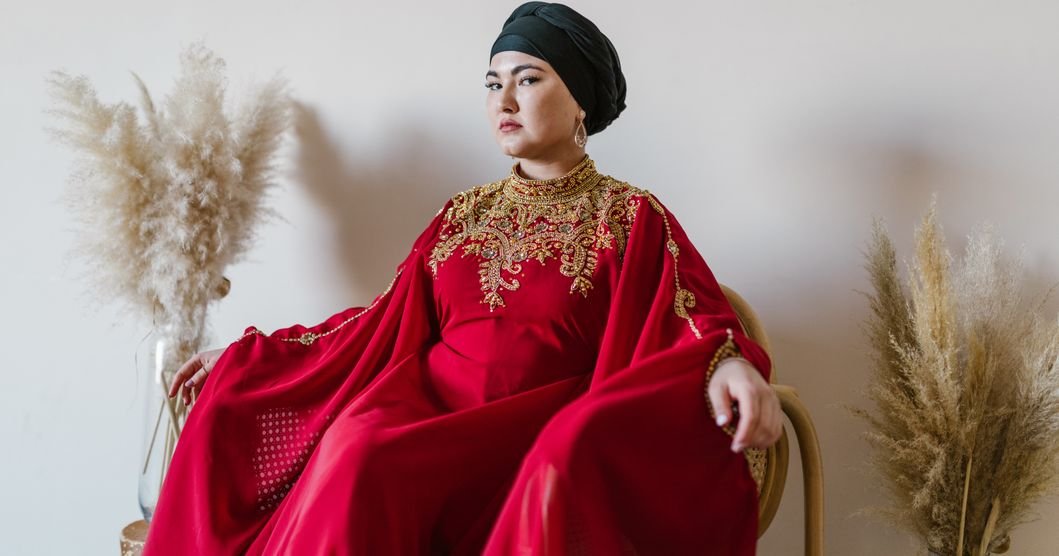
    Embroidered abayas are a timeless expression of elegance and modesty, yet their intricate detailing demands a thoughtful approach to upkeep. By understanding the fabric, preparing correctly, and employing gentle cleaning methods, you can preserve the splendour of your favourite pieces for years to come.

    Understanding Fabric Types and Embroidery

    Most embroidered abayas in the UAE are crafted from lightweight woven fabrics such as chiffon, georgette, or silk blends, each offering a graceful drape that showcases needlework beautifully. These materials differ in fibre composition, which influences how they respond to moisture and heat. For instance, silk‑based fabrics tend to be more delicate and may react to harsh detergents, while polyester‑infused blends provide a bit more resilience but can still suffer from snagging if handled roughly.

    Embroidery itself may be executed with a variety of threads – metallic, silk, or cotton – and often incorporates sequins or beads. Metallic threads are particularly susceptible to tarnish and can lose their luster if exposed to chlorine or high‑temperature washes. Likewise, sequins can loosen when subjected to vigorous agitation. Recognising the specific combination of fabric and embellishment is the first step toward a customised care routine that protects both the base material and the decorative work.

    Pre‑Wash Preparations: What to Do Before Cleaning

    Before the first wash, always inspect the abaya for loose threads, dangling beads or any signs of wear. Gently pin‑point any areas that might need reinforcement, and consider using a small, sharp needle to secure loose embroidery stitches. This prevents further unraveling during the wash cycle.

    • Turn the garment inside out. This simple step shields the embroidered surface from friction against the washing drum.
    • Use a mesh laundry bag. Placing the abaya in a fine‑woven bag creates an extra barrier, reducing the risk of snagging on other items.
    • Select a mild, colour‑safe detergent. Avoid bleach or enzyme‑rich formulas, as they can weaken delicate fibres and dull metallic threads.
    • Test for colourfastness. Dampen a hidden seam with a drop of water and a dab of detergent; if the colour does not bleed after a few minutes, the abaya is safe to wash.

    By taking these precautionary measures, you set the stage for a gentle cleaning process that respects the craftsmanship of the embroidery.

    Gentle Washing Techniques for Delicate Embroidery

    When it comes to washing, the mantra is “cold, calm, and controlled”. Opt for a hand‑wash whenever possible; if a machine wash is unavoidable, choose the most delicate cycle available, typically labelled “wool” or “hand wash”. Use lukewarm water (no more than 30°C) to avoid shrinking or distorting the fabric.

    Immerse the abaya briefly, allowing the water and detergent to soak the fibres without vigorous rubbing. Gently agitate with your hands, focusing on the body of the garment rather than the embroidered panels. Rinse thoroughly with cool water until no suds remain, as residual detergent can cause stiffness in the stitching.

    Method Water Temperature Agitation Recommended Frequency
    Hand wash Cold to lukewarm (≤30°C) Very gentle, occasional swirl Every 4–6 wears
    Machine – delicate cycle Cold Minimal, drum‑only Only when hand wash not feasible

    After washing, press the fabric between two clean towels to absorb excess moisture, then lay flat on a dry towel to finish the draining process. Avoid wringing, as this can stretch the fabric and distort the embroidery.

    Drying and Ironing: Maintaining Shape and Shine

    Air‑drying is the safest route for embroidered abayas. Hang the garment on a padded hanger, allowing it to drape naturally away from direct sunlight, which can fade delicate threads over time. If you must use a dryer, select the lowest heat setting and a short cycle, but be aware that even gentle tumble drying can cause subtle flattening of raised embroidery.

    When ironing, always place a clean cotton cloth or pressing veil over the embroidered area. Set the iron to a low to medium temperature appropriate for the base fabric – typically the “silk” or “synthetic” setting. Steam can be beneficial, but keep the iron slightly lifted to prevent the heat from searing metallic threads or melting sequins.

    Finally, store the abaya in a breathable garment bag rather than a plastic sleeve. This protects the embroidery from dust while allowing the fabric to breathe, preserving both shape and shine for the next occasion.

    Storing Embroidered Abayas to Prevent Damage

    When your embroidered abaya isn’t on display, the way you store it can be just as important as the way you wear it. Begin by gently shaking the garment to release any loose threads before laying it flat on a clean, breathable surface. Avoid folding directly over the embroidered panels; instead, fold the abaya in thirds, keeping the decorative sections on the inside where they are less exposed to friction.

    Choose a storage box or wardrobe drawer lined with acid‑free tissue paper. This protects the fabric from moisture and prevents the delicate stitching from catching on rough surfaces. If you prefer hanging, use a wide, padded hanger that supports the shoulders without stretching the fabric. Add a thin cotton sleeve over the abaya to shield it from dust while still allowing air circulation.

    Maintain a stable environment: a cool, dry closet with a moderate humidity level reduces the risk of mould and colour fading. Periodically air the abaya out for a few minutes on a sunny but not scorching day to refresh the fibres and keep the embroidery looking crisp.

    Repair and Touch‑Up: Keeping Details Pristine

    Even the most carefully tended abaya may encounter minor snags or loose threads over time. Addressing these issues promptly helps preserve the integrity of the embroidery and prevents larger tears.

    • Inspect the garment after each wear, focusing on the edges of the embroidered motifs.
    • Use a fine‑point needle and matching thread to re‑stitch any loose ends, employing a small, invisible backstitch.
    • For tiny holes, apply a dab of fabric glue designed for delicate textiles, then gently press the fibres together.
    • When a bead or sequins fall off, replace them with a matching set, securing each piece with a tiny knot to avoid future loss.
    • Store a small repair kit in your wardrobe for quick touch‑ups on the go.

    If you are unsure about a repair, consider consulting a professional modest‑fashion tailor who specialises in intricate embellishments. A skilled hand can restore the original sparkle without compromising the fabric’s drape.

    Final Verdict: Long‑Lasting Elegance for Your Embroidered Abayas

    Maintaining the allure of an embroidered abaya is a blend of mindful storage, gentle cleaning, and timely repairs. By folding the garment thoughtfully, shielding it from humidity, and keeping a repair kit at hand, you create a protective routine that respects both the fabric and the craftsmanship.

    Regularly rotating your collection ensures that no single piece bears the brunt of frequent wear, extending the life of each design. When you do need professional cleaning, opt for a specialist who understands the delicacy of hand‑stitched embellishments and uses low‑temperature, mild detergents.

    The payoff is a wardrobe that continues to turn heads season after season, with each embroidered detail retaining its original brilliance. With these care practices, your abayas will remain a timeless expression of modest elegance, ready to accompany you on every occasion.

    For more on this, see our guide on Abaya Care Tips: Keep Your Modest Wardrobe Fresh.

    Explore the full range in our abaya collection to find your next piece.

    Frequently Asked Questions

    How often should I wash my embroidered abaya?

    Wash only when necessary—typically after a few wears—to minimise wear on the stitching and fabric.

    Can I use a regular washing machine for my embroidered abaya?

    Use a gentle cycle on a front‑loading machine with a mesh laundry bag, avoiding harsh agitation.

    What temperature is safe for washing embroidered abayas?

    Cold or lukewarm water (max 30°C) is safest to preserve thread colour and fabric integrity.

    Should I iron directly over the embroidery?

    No; place a clean cloth over the embroidery and use a low‑heat setting to avoid scorching the threads.

    How can I prevent colour fading on embroidered sections?

    Store the abaya away from direct sunlight and use breathable garment bags to protect the dyed threads.

    Shop the collection at Hoorain Abaya →
  • UV Protective Abaya Storage Gulf: Smart Care for Desert Heat

    UV Protective Abaya Storage Gulf: Smart Care for Desert Heat

    In the blazing Gulf climate, the humble abaya faces a silent adversary: relentless ultraviolet radiation. At Hoorain Abaya we blend timeless modest fashion with cutting‑edge care, ensuring every piece remains as radiant as the wearer.

    Why UV Protection Matters for Abaya Storage in the Gulf

    The Gulf enjoys over 3,500 hours of sunshine annually, meaning garments are frequently exposed to high‑energy UV rays even when tucked away in wardrobes or closets. Prolonged UV exposure accelerates fibre fatigue, leading to weakened seams and a loss of the graceful drape that defines a premium abaya. Moreover, the region’s intense heat can cause the fabric to expand and contract, making it more susceptible to micro‑tears that are invisible until they become noticeable wear.

    Beyond structural concerns, UV rays are notorious for fading the subtle hues that many designers painstakingly select – from muted pastels to deep jewel tones. A faded abaya not only diminishes personal confidence but also reduces the perceived value of an investment piece. By integrating UV‑protective storage, owners safeguard both the aesthetic integrity and the longevity of their modest wardrobe.

    In practice, UV‑shielded storage acts as a silent guardian, allowing the abaya to rest in a climate‑controlled environment that mimics the protective qualities of a shaded boutique, without compromising the convenience of home organisation.

    Understanding the Impact of Sunlight on Fabric and Colour

    Sunlight comprises visible light, infrared heat, and ultraviolet radiation. While infrared primarily raises temperature, UV photons possess enough energy to break molecular bonds within textile fibres. Natural fibres such as cotton, linen and silk are particularly vulnerable; the cellulose and protein structures can become brittle after repeated UV exposure. Synthetic blends, though more resilient, still suffer from polymer chain degradation, leading to a loss of elasticity.

    • Colour fading: UV photons trigger photochemical reactions that bleach dyes, especially those derived from natural pigments.
    • Surface wear: UV accelerates oxidation, causing a subtle roughness that can attract lint and dust.
    • Structural weakening: Repeated exposure reduces tensile strength, making seams more prone to splitting.

    In the Gulf, the combination of high UV index and occasional sandstorms amplifies these effects, as abrasive particles settle on fabric surfaces and act as tiny lenses, focusing UV light onto specific spots. Understanding these mechanisms helps consumers appreciate why a dedicated UV‑protective storage solution is not a luxury but a practical necessity for preserving the elegance of their abayas.

    Key Features of Modern UV‑Protective Storage Solutions

    Today’s storage systems go beyond simple cloth bags; they incorporate science‑driven design elements that actively block harmful rays while maintaining breathability. The most sought‑after features include:

    • UV‑blocking lining: Fabrics treated with zinc‑oxide or titanium‑dioxide micro‑coatings reflect up to 99 % of UV radiation.
    • Temperature regulation: Insulated compartments keep interior temperatures stable, reducing heat‑induced fibre expansion.
    • Moisture control: Integrated silica gel pockets or breathable mesh panels prevent mould growth without trapping humidity.

    • Secure yet gentle closures: Magnetic snaps or soft Velcro minimise stress on delicate embroidery.
    • Elegant aesthetics: Neutral tones and subtle branding ensure the storage solution complements a luxury wardrobe.
    Feature Standard Wardrobe UV‑Protective Storage
    UV Blocking Efficiency Minimal (≈5 %) High (≈98 %)
    Temperature Stability Variable, often >30 °C Maintained within 22‑26 °C
    Moisture Management None Active (silica gel)
    Fabric Compatibility Risk of abrasion Soft interior lining

    By selecting a storage solution that incorporates these attributes, Hoorain Abaya customers can confidently protect their garments against the Gulf’s relentless sun, preserving both form and function for years to come.

    Materials and Technologies That Block UV Effectively

    Effective UV protection hinges on the interplay of specialised fibres and advanced coating technologies. One of the most reliable approaches is the use of tightly woven polyester or nylon fabrics infused with inorganic nanoparticles such as zinc‑oxide (ZnO) or titanium‑dioxide (TiO₂). These particles act as microscopic mirrors, scattering and reflecting UV photons before they can penetrate the textile.

    Another emerging technology is the application of UV‑absorbing dyes during the manufacturing of the storage lining. These dyes convert harmful UV energy into harmless heat, which is then dissipated by the garment’s insulated walls. The process is permanent, meaning the protective quality does not fade with washing or regular use.

    For the discerning abaya owner, a hybrid solution that combines a nanoparticle‑enhanced outer shell with an inner layer of UV‑absorbing dyed fabric offers the best of both worlds: maximum blockage and a soft, non‑abrasive feel against delicate embroidery and sequins. Such materials are now widely available in the UAE market, aligning perfectly with Hoorain Abaya’s commitment to marrying elegance with intelligent care.

    Practical Tips for Setting Up UV‑Safe Storage at Home

    In the Gulf, the sun’s intensity can degrade fabric fibres and fade the delicate hues of an abaya within months if the garments are left exposed. Begin by selecting a dedicated wardrobe or closet that is positioned away from direct sunlight – a north‑facing wall is ideal. If a built‑in wardrobe is not an option, invest in a freestanding wardrobe with UV‑blocking doors; many contemporary designs incorporate laminated glass or acrylic panels that filter out the majority of harmful rays.

    Line the interior shelves with a thin layer of UV‑protective fabric or a clear, non‑reflective film. These liners act as a barrier while still allowing the wardrobe to breathe. For added protection, place a breathable cotton or linen bag over each abaya; this reduces friction and shields the garment from occasional light leaks.

    Control the climate inside the storage space by using a small humidifier during the dry winter months and a dehumidifier when humidity spikes. Maintaining a stable temperature (around 22‑24°C) and relative humidity (45‑55%) helps preserve the fabric’s elasticity and prevents mould growth.

    • Choose a wardrobe with UV‑blocking doors or panels.
    • Install UV‑filter liners on shelves.
    • Wrap each abaya in breathable cotton.
    • Regulate temperature and humidity.
    • Keep the wardrobe doors closed when not in use.

    Maintaining Your Abayas: Complementary Care Practices

    Beyond storage, regular maintenance ensures that your abayas retain their elegance throughout the year. Start each season with a gentle inspection: look for loose threads, tiny snags or areas where the fabric feels thinner. These early signs often indicate that the garment is beginning to suffer from UV exposure or wear.

    When cleaning, opt for a hand‑wash using a mild, pH‑balanced detergent specifically formulated for delicate fibres. If you must use a machine, select the delicate cycle, place the abaya inside a mesh laundry bag, and use cold water to avoid heat‑induced shrinkage. After washing, reshape the garment on a flat surface and allow it to air‑dry away from direct sunlight; a shaded balcony or a well‑ventilated room works best.

    Periodically refresh the protective lining inside your storage wardrobe. Over time, the UV‑filter film can lose its efficacy, especially in the harsh Gulf climate. A quick visual check for yellowing or cloudiness will tell you when it’s time for a replacement. Finally, rotate the placement of your abayas within the wardrobe every few months – this prevents any single piece from bearing the brunt of residual light.

    Verdict: Choosing the Best UV Protective Storage for Your Wardrobe

    When selecting a UV‑protective storage solution, balance aesthetics, functionality and durability. A wardrobe crafted from solid wood with a lacquer finish not only complements the luxurious feel of an abaya but also offers natural resistance to UV penetration. Pair this with a high‑quality UV‑blocking panel – preferably one that blocks at least ninety‑five percent of UVA and UVB rays – and you have a foundation that safeguards colour and fibre integrity.

    Consider the internal organisation: adjustable shelves, pull‑out drawers and built‑in hanging rails allow you to store abayas without crushing the shoulders or creating creases. Soft, rounded hangers made from coated wood or padded plastic further reduce stress on the garment’s structure.

    Finally, evaluate the ease of maintenance. A wardrobe with removable liners and easy‑access panels simplifies the routine replacement of UV‑filter films, ensuring long‑term protection without professional intervention. By choosing a storage system that integrates UV shielding, climate control and thoughtful interior design, you extend the life of your modest fashion pieces and keep them runway‑ready, season after season.

    Explore the full range in our abaya collection to find your next piece.

    Frequently Asked Questions

    How does UV light damage an abaya stored in a sunny room?

    UV rays can fade colours, weaken fibres and cause the fabric to become brittle over time, especially on lightweight or dyed materials.

    Can a regular wardrobe protect my abayas from the Gulf sun?

    A standard wardrobe offers limited protection; without UV‑blocking liners or fabrics, a significant portion of sunlight can still penetrate.

    What is the most effective material for UV‑protective storage bags?

    Materials such as polyester‑coated nylon or fabrics treated with UV‑absorbing agents provide high blockage rates while remaining breathable.

    Do I need a climate‑controlled closet for my abayas?

    While climate control helps with humidity, UV protection is the primary concern for colour retention; a UV‑blocking enclosure combined with moderate temperature control works best.

    How often should I rotate abayas in storage to avoid UV damage?

    Rotating garments every few months ensures even exposure and helps you spot any early signs of fading before they become noticeable.

    Shop the collection at Hoorain Abaya →
  • How to Wash Embroidered Abayas: Caring for Hand-Embroidered Modest Wear

    How to Wash Embroidered Abayas: Caring for Hand-Embroidered Modest Wear

    Understanding how to wash embroidered abayas safely at home preserves both intricate threadwork and fine modest tailoring. Whether you own a Korean Nida piece with subtle tonal stitching or a Textured Crepe garment with bold contrasting motifs, hand washing remains the safest domestic care method. By controlling water temperature, choosing additive-free liquid cleansers, and drying flat, you can keep your embellished wardrobe looking flawless for years.

    Why Does Embroidery Require Special Care During Washing?

    Thread composition determines fabric reaction

    Understanding how to wash embroidered abayas starts with one fact: the thread and the cloth are not the same material and do not behave the same way in water. A high-density Korean Nida or Textured Crepe base shrugs off everyday wear, while decorative stitching in rayon or viscose is markedly less colourfast. Deep jewel tones, rich reds and dark navies are the threads most likely to migrate when they sit in warm water.

    Furthermore, machine-embroidered garments rely on lightweight fusible stabiliser backings applied to the interior side of the fabric to keep stitch tension even. Exposure to elevated water temperatures or harsh chemical cleansers softens these non-woven backings, leading to pucker lines, distorted patterns, and frayed edges.

    Care symbols provide essential maintenance parameters

    Care labels on modern luxury abayas follow international standard ISO 3758, revised in 2023. The tub is the wash symbol: a hand inside it means hand wash, conventionally at 30°C to 40°C, and a cross through it means do not wash at home. The triangle covers bleaching, the square covers drying with dots for heat level, the iron shows the maximum plate temperature, and the circle is for professional cleaning, where the letter inside tells the cleaner which solvent is permitted.

    Our official care guidance for embellished pieces reads: “Dry clean preferred for premium and embellished styles. Steam gently from the reverse side and store on a padded hanger.” While dry cleaning remains the safest option for intricate, heavily beaded, or bridal garments, thread-only embroidery can frequently be refreshed at home provided correct temperature and mechanical controls are maintained.

    Hand embroidery and machine stitching demand distinct techniques

    The distinction matters because how to wash embroidered abayas depends on how the motif was made. Hand-embroidered pieces show subtle variations in thread tension, artful hand-tied knots on the reverse side, and delicate thread tails that require absolute minimal friction. Machine embroidery features uniform stitch density, but its tight lockstitches can pull or pucker the surrounding weave of Soft Twill or Pearl Weave if exposed to machine agitation. Exploring our embroidered abaya edit reveals how fine crafting relies on careful maintenance to keep geometric and floral motifs pristine.

    A washing machine works by force: centrifugal spin plus friction against the drum. A delicate cycle and a mesh bag soften that, but they do not remove it, and the strain still lands on the stitch lines. Hand washing is the only unconditionally safe domestic method across rayon, silk, and metallic threadwork, because it takes mechanical friction out of the equation altogether.

    How Should You Test an Embroidered Abaya Before Washing?

    Conducting a hidden seam colourfastness check

    The first step in how to wash embroidered abayas is not washing at all. Before any water touches an embellished garment, a localised colourfastness test is essential. Moisten a clean white cotton swab with cool water and a single drop of mild liquid detergent, then find an interior seam where the embroidery thread shows on the reverse, ideally near the hemline or inner cuff. Press the swab against the thread for thirty seconds without rubbing. Inspect it under clear light. If any colour transfers, the thread is not colourfast. In such instances, home water immersion will cause dye bleeding across the base fabric, making professional dry cleaning necessary.

    Assessing trim and embellishment sensitivity

    Examine the full length of your abaya for mixed decorative elements. Many formal silhouettes carry glass beads, synthetic pearls, crystal trims, or metallic zari thread alongside standard threadwork, and each responds differently to water.

    Water trapped behind beadwork can oxidise metallic wire, rust a backing pin, or dissolve the water-soluble glue used to set hand-applied crystals. If your abaya carries dense beadwork or glued crystal alongside its embroidery, spot-cleaning or professional cleaning is far safer than full immersion.

    Preparing the garment for water exposure

    Preparation is what keeps stress off the thread lines. Turn the abaya completely inside out so the face of the embroidery sits on the interior, where the decorative top-stitches cannot rub against the rest of the garment. Fasten every interior snap, button, and hidden zip, because a loose metal closure will snag a thread loop the moment the garment moves. Then check the stitching for loose ends. Never pull one. Trim it close to the base with sharp embroidery scissors before the abaya goes anywhere near water.

    What Is the Step-by-Step Hand Washing Method for Embroidered Abayas?

    Water temperature control prevents dye migration

    Water temperature is the single most critical variable when determining how to wash embroidered abayas at home. Always fill your washing basin with cool water maintained strictly below 25°C. Heat acts as a primary catalyst for dye migration, causing concentrated pigments in dark embroidery threads to release into the water and stain lighter base fabrics like Silk-touch Nida or Luxe Organza.

    Choose a mild liquid detergent made for delicate textiles or silk, and check that it is free of optical brighteners, chlorine bleach and whitening boosters, all of which attack rayon thread dye and strip its natural lustre. Never use fabric softener. It leaves a slick film that flattens embroidery thread and permanently dulls satin trim.

    Agitating gently without pulling delicate threadlines

    Fill a clean laundry basin or sink with cool water and dilute half a teaspoon of mild liquid detergent, stirring thoroughly until fully dissolved before introducing the garment. Never pour concentrated detergent directly onto embroidered fabric. Submerge the inside-out abaya gently into the water bath.

    Press it down repeatedly until it is fully saturated, then swirl it softly for no more than three to five minutes. Do not scrub embroidered panels against each other, do not twist the fabric, and never wring it out. Scrubbing frays rayon thread and fuzzes a crisp design line permanently.

    Rinsing thoroughly in desalinated Gulf tap water

    Rinsing requires special attention due to regional water characteristics. Municipal tap water across the UAE is desalinated and then remineralised before it reaches your building. In Dubai, DEWA-supplied water usually sits in the moderately hard range, somewhere between 100 and 250 mg/L measured as calcium carbonate, and supplies elsewhere in the Gulf behave much the same way. Hard water reduces detergent lathering efficiency and makes soap molecules harder to flush from dense weaves like Jacquard Nida or Textured Crepe. Review our nida, crepe and chiffon fabric guide to understand how different weave densities hold onto moisture and minerals.

    Perform three separate cool rinses in clear water until every trace of soap is removed. Residual detergent left in embroidery threads dries into a stiff, chalky haze that attracts dust. When lifting a wet abaya from the rinse water, support its full weight with both hands from underneath. Never drag a heavy, wet garment upward by its shoulders or neckband, as wet water weight stretches delicate shoulder seams and pulls embroidered motifs out of alignment.

    How Do You Spot-Clean Embroidered Abayas Without Full Immersion?

    Treating perfume and foundation spots around threadwork

    Knowing how to wash embroidered abayas also means knowing when not to. Frequent full immersion wears a fine garment down unnecessarily. When localised marks occur around neckline embroidery or sleeve cuffs, whether that is liquid foundation, an oil-based cosmetic, or a concentrated alcohol mark from perfume, spot-cleaning provides an efficient alternative to washing the entire garment.

    Mix a few drops of pH-neutral cleanser into cool water, dip a clean microfibre cloth or lint-free cotton pad, and squeeze it out until it is damp rather than dripping. Slide a dry white towel underneath the stained section to catch anything that travels, then dab from the outer edge inward. Never rub back and forth across embroidery. Friction drives the pigment deeper into the thread. With a fresh spill of tea, coffee or food oil on Matte Crepe or Satin Trim Crepe, blot the surface with a dry paper towel first, before any water goes near it.

    Cleaning metallic thread and zari accents safely

    Metallic embroidery thread, whether traditional zari or lurex-wrapped machine thread, is a micro-thin metal coating wrapped around a textile core. That plating tarnishes with moisture and abrasion and turns brittle when it is mishandled.

    This is the one case where how to wash embroidered abayas has a different answer: you do not. Never submerge a garment with dense metallic threadwork. Spot-clean the plain cloth sections only, and if the metallic work itself collects dust or oil, wipe it with a dry, ultra-soft lint-free microfibre cloth. Never scrub a metallic accent, and never reach for vinegar, acidic solutions, or a harsh spot remover.

    How Should You Dry and Press an Embroidered Abaya?

    Laying flat prevents shoulder distortion and seam stretch

    Drying is the half of how to wash embroidered abayas that most people get wrong, and it decides whether the garment keeps its tailored shape. Never place a wet embroidered abaya on a clothes hanger. Water weight pulls downward on wet shoulder seams, elongating armholes and creating puckers around heavy chest embroidery. To safely pack garments while keeping them smooth, consult our advice on packing an abaya without creasing it.

    Instead, lay the damp inside-out abaya flat on a clean, dry white bath towel and roll the two together like a cylinder, pressing gently along the roll with flat palms so the water transfers into the towel. Unroll it straight away, reshape it with your fingers, and lay it completely flat on a drying rack lined with a fresh towel, indoors, well away from direct sun and any heat source.

    Steaming and pressing from the reverse side

    Pressing is the last step in how to wash embroidered abayas, and the easiest one to undo all the earlier care. A dry iron plate crushes raised embroidery, melts synthetic backing and burns metallic thread. Steam from the reverse side is the safest route to a crisp finish.

    • Turn the abaya inside out so the reverse side of the embroidery faces upward.
    • Place a clean, dry cotton pressing cloth directly over the embroidery to act as a thermal barrier.
    • Set your iron to the lowest steam setting suitable for synthetic or delicate fabrics.
    • Hover a handheld garment steamer or press the iron plate gently over the cotton cloth without sliding back and forth forcefully.

    Never apply a hot iron plate directly to beadwork, glass crystals, or metallic thread accents, as extreme direct heat damages delicate embellishments instantly.

    Storing embroidered pieces in humid Gulf climates

    Gulf storage conditions are their own problem. High summer humidity and coastal salt air in Dubai, Sharjah and Jeddah tarnish metallic thread and weaken fine fibres over time, and a damp, non-air-conditioned cupboard invites mildew.

    Store clean abayas in an air-conditioned room, on broad padded hangers that spread the shoulder weight evenly. Thin wire hangers leave points in the shoulder line that never fully drop out. For comprehensive storage strategies, refer to our general abaya care and storage guide to ensure seasonal garments remain protected year-round.

    What Should You Do If Dye Bleeds or Professional Cleaning Is Needed?

    Recovering from accidental thread dye bleeding

    Even when you follow every rule on how to wash embroidered abayas, a thread can still bleed into the surrounding base fabric. Quick, correct intervention usually recovers the garment. The single most important rule is: do not allow the garment to dry, and do not apply any iron heat. Heat bakes migrated dye pigments permanently into synthetic fibres like Nida or Crepe.

    While the abaya is still completely wet, put it straight into a clean basin of lukewarm water, around 30°C, with a tablespoon of mild liquid detergent. Swirl it gently and leave it there for about thirty minutes. The warm detergent bath holds the loose dye in suspension and draws it back out of the base cloth. Then rinse in clear, cool water, again and again, until the water runs completely transparent, and go straight to flat drying.

    Communicating requirements to professional dry cleaners in the UAE

    Knowing how to wash embroidered abayas at home also means knowing which pieces to hand over. When you take a premium, heavily embellished or bridal abaya to a professional cleaner in the GCC, what you say at the counter matters as much as the method. Standard commercial dry cleaning relies heavily on perchloroethylene (“perc”), a chemical solvent that is aggressive toward micro-thin metallic coatings and glued embellishments. Real metallic threadwork cleaned repeatedly with perc can return dull, grey, and brittle.

    Point out the metallic thread zones, the hand stitching and any glued crystal trim, and ask whether they can run a milder hydrocarbon solvent or a specialist delicate process instead of a standard perc cycle. Then ask for one more thing: that they do not press the embroidered panels face-down against a hard steam table. That is what flattens a three-dimensional stitch pattern and kills the metallic lustre.

    Frequently Asked Questions

    Can I machine wash an embroidered abaya on a delicate cycle?

    We strongly recommend against machine washing embroidered abayas. Even on a delicate setting inside a mesh laundry bag, centrifugal drum rotation applies mechanical agitation and spin stress to fine stitch lines. This agitation can pucker surrounding Nida fabric and loosen hand embroidery. Hand washing in cool water provides total control over gentle movement, ensuring fragile threads and stabiliser backings remain undamaged.

    What water temperature should I use to wash an embroidered abaya?

    When understanding how to wash embroidered abayas, maintaining cool water temperatures below 25°C is essential. Warm or hot water softens the fusible stabiliser backings behind machine embroidery and causes rayon thread dyes to bleed into surrounding fabrics. Cool water stabilises pigments, protects delicate thread tensile strength, and preserves original garment shape during domestic washing.

    Is dry cleaning always safer than hand washing for metallic threadwork?

    Dry cleaning is not automatically safe for metallic embroidery. Standard dry cleaners often use perchloroethylene solvent, which aggressively degrades the micro-thin protective coating on zari and metallic threads, causing them to turn dull, grey, and brittle. For metallic threadwork, localised spot-cleaning with a barely damp cloth and cool water is safer than dry cleaning or full immersion.

    How do I fix bleeding dyes if threadwork runs during washing?

    If embroidery dye bleeds into base fabric, re-wet the garment immediately in warm water with mild detergent for thirty minutes before it dries. Swirl gently so the detergent releases migrated dye. Rinse thoroughly in cool water until it runs clear. Never allow a bled garment to dry or touch a warm iron, as heat sets dye permanently.

    How does UAE tap water affect embroidered abayas?

    Municipal tap water in the UAE is desalinated and remineralised, and in Dubai the DEWA supply usually sits in the moderately hard range of roughly 100 to 250 mg/L as calcium carbonate. Hard water hinders detergent breakdown and leaves chalky mineral residue on dark abaya fabrics. When hand washing, perform extra clear rinses in cool water to strip soap residue and restore fabric depth and thread shine.

    Why should I avoid fabric softener on an embroidered abaya?

    When deciding how to wash embroidered abayas, skip fabric softener entirely. Softeners coat delicate threads with a slick chemical layer that flattens decorative stitching, dulls satin trims, and attracts airborne dust. Instead, thorough clear water rinses restore natural fabric softness without compromising thread texture or metallic lustre.

    Shop the collection at Hoorain Abaya →
    Related products

  • Abaya Care 101: Washing, Steaming, and Storing It Properly

    Abaya Care 101: Washing, Steaming, and Storing It Properly

    Introduction: Preserving the Investment of Luxury Abayas

    In the world of contemporary modest fashion, the abaya has evolved far beyond a simple utilitarian garment. Here at Hoora Abaya, based in the heart of the UAE, we view each piece as a work of wearable art. From the ultra-luxe drape of our signature Nida fabrics to the intricate, hand-stitched crystal embellishments gracing our resort and evening collections, a luxury abaya represents both a stylistic statement and a financial investment. Yet, many discerning women find themselves frustrated when their favorite pieces lose their pristine finish after only a few months of wear.

    Care labels tend to default to three sweeping words—“dry clean preferred”—leaving you to navigate the complexities of fabric maintenance on your own. While this catch-all instruction safeguards the manufacturer, it is rarely practical for daily life. Almost nobody dry-cleans an abaya after every single wear. Doing so is not only costly and time-consuming, but the harsh chemical solvents used in commercial dry cleaning can gradually degrade delicate fabric weaves and dull metallic threads.

    This comprehensive guide bridges the gap between idealistic label instructions and real-world wardrobe management. Discover how to safely care for your Hoora Abaya pieces between cleans, master the art of steaming versus ironing, identify which fabrics demand professional intervention, and correct the subtle storage habits that quietly compromise the longevity of your wardrobe.

    The Philosophy of Between-Wear Care

    One of the most common misconceptions in garment care is that a worn garment automatically equals a dirty garment. In the GCC climate, where air conditioning, indoor dining, and outdoor humidity constantly interact with your wardrobe, your abayas rarely need aggressive washing after a single outing. Instead, they require strategic airing.

    When you return home from a long day at the office, a family gathering, or an evening out, resist the urge to immediately place your abaya back into a cramped, dark wardrobe. Fabrics like premium crepe, chiffon, and Nida absorb ambient odors—from traditional bukhoor and modern perfumes to subtle traces of cooking aromas and outdoor dust. Hanging your abaya in a well-ventilated space with good air movement for a few hours allows the fibers to breathe and naturally release trapped scents.

    This simple habit single-handedly eliminates the need for frequent washing. Actual water-based cleaning or professional servicing should be reserved for visible marks, spills, or after several wears, rather than deployed as a default routine. By reducing the frequency of washing, you preserve the structural integrity of the weave, keep colors vibrant, and protect delicate trims from unnecessary mechanical stress.

    Understanding Your Fabrics: Nida, Crepe, and Beyond

    When an abaya finally reaches the point where cleaning is unavoidable, your approach must be dictated by the specific textile composition. Not all fabrics are created equal, and treating a structured velvet piece the same way you treat a lightweight summer crepe is a recipe for disaster.

    The Nida Fabric Standard

    Nida is the gold standard for luxury abayas in the UAE, celebrated for its silky touch, opaque weight, and resistance to creasing. However, pure Nida—especially when paired with hand-applied embellishments, pearls, or crystal trims—demands professional dry cleaning. Water and delicate, hand-stitched adornments simply do not mix. A crystal that comes loose in a wet wash cycle rarely survives the agitator, and the adhesive backing on glued elements will dissolve upon prolonged exposure to water.

    Crepe and Twill Weaves

    Crepe and twill fabrics are considerably more forgiving. These materials generally tolerate a gentle hand wash or a cool machine cycle on a delicate setting. To safeguard these pieces at home, always invert the garment inside out and place it inside a specialized mesh laundry bag. Use a mild, pH-balanced liquid detergent formulated for delicate fabrics. Crucially, avoid fabric softeners entirely. While softeners feel luxurious on casual cottons, they coat synthetic abaya fibers, flattening embroidery threads and permanently dulling satin trims over time.

    Velvet and Special Textures

    For textured or seasonal garments like the Mira Everyday Grace Soft Ruffle Velvet Abaya, moisture is the primary enemy. Velvet features a raised nap that easily flattens, crushes, or water-spots if washed improperly. These rich, textural pieces should strictly be entrusted to professional cleaners who specialize in luxury textiles, ensuring the pile remains plush and dimensionally rich.

    Steaming vs. Ironing: Protecting the Finish

    Nothing ruins a sophisticated look faster than stubborn creases, yet reaching for a traditional household iron is often the most destructive thing you can do to a luxury abaya. A direct iron applied to Nida or high-grade crepe will invariably leave an unsightly shine mark—a glossy patch caused by compressed, semi-melted fibers that cannot be reversed.

    Steaming is universally the safer, more effective choice, and it is the method our design team builds our collections around. When steaming:

    • Maintain a distance of a few centimeters between the steamer nozzle and the fabric, allowing the cascading hot vapor to relax the fibers naturally.
    • Always work from the inside or reverse side of the garment whenever there is embroidery, beading, or a satin trim on the front.
    • Pay special attention to intricate details. For instance, pieces featuring elaborate cuff detailing, such as the Amal Resort Pearl Cuff Avenue Abaya, require steaming exclusively from the reverse side. Direct, concentrated heat applied directly to a pearl-weave cuff can soften the structural adhesive and dull the lustrous finish within just a few uses.

    The Travel Emergency Hack: If you are traveling for business or leisure and find yourself without access to a garment steamer, utilize the hotel bathroom. Hang your abaya securely on the back of the bathroom door while taking a piping hot shower for ten to fifteen minutes. The ambient steam does a remarkable job of relaxing light travel creases. While it is not a complete substitute for a proper steamer, it easily buys you a crisp, presentable outfit until you return to your proper equipment.

    The Storage Habit That Causes Silent Damage

    You may invest in the finest designs, adhere strictly to delicate hand-washing rules, and steam your garments with precision, yet still notice your abayas losing their shape around the upper body. The culprit is almost always how they are stored.

    The single most destructive habit in abaya care is the use of thin wire hangers. A wire hanger concentrates the entire dead weight of a heavy, flowing garment onto two microscopically narrow points at the shoulder seams. Over weeks and months, the fabric remembers that relentless pressure, resulting in permanent stretched-out points, unsightly shoulder dimples, and distorted seams that no amount of steaming will correct.

    The solution is refreshingly simple: switch entirely to padded hangers or broad-shouldered wooden hangers. A wider profile distributes the weight of the garment evenly across the entire shoulder arch, completely preventing structural distortion. It is a minor wardrobe upgrade that prevents a major aesthetic flaw.

    Spacing and Embellishment Protection

    Storage density is another critical factor in the GCC wardrobe, where collections often span dozens of diverse pieces. For heavily embellished garments—such as beaded evening styles or ruffled velvet pieces—spatial awareness in the closet is paramount. Ensure each heavy piece has adequate breathing room on either side so that delicate trims and crystals are not crushed against neighboring garments.

    When embellishments are compressed against another fabric for weeks at a time, the pressure weakens the anchoring threads. This is the primary reason why trims suddenly begin shedding beads that nobody remembers knocking loose. Give your luxury pieces space to hang freely.

    As for folding? Folding is acceptable strictly for short-term travel inside a structured suitcase, but it should never be utilized as a long-term storage solution. An abaya kept folded flat in a drawer for months develops deep-set crease lines along the folds that are notoriously stubborn to remove.

    Regional Context: Adapting Care to the GCC Climate

    Living and dressing in the UAE and the broader GCC presents unique environmental challenges for luxury garments. The interplay of intense outdoor heat, blowing desert dust, high ambient humidity during coastal months, and relentless indoor air conditioning creates a demanding microclimate for fine textiles.

    Dust particles carried on desert breezes are microscopic and sharp. When they settle onto delicate crepe or Nida fabrics and are subsequently rubbed against car seats, office chairs, or handbags, they act like a fine abrasive sandpaper, gradually wearing down the surface fibers. This is another compelling reason why airing your abayas outdoors is discouraged; instead, bring them indoors immediately and gently brush off surface dust with a soft, clean garment brush before hanging.

    Furthermore, humidity control in your walk-in closet is essential. High humidity combined with dark, enclosed spaces can encourage mildew and cause natural or synthetic fibers to retain musty odors. Ensure your wardrobe space is well-ventilated, and consider utilizing natural moisture absorbers if your walk-in closet lacks active climate control. Preserving your Hoora Abaya collection is an ongoing ritual, but with these measured practices, your favorite pieces will retain their runway-ready finish season after season.

    Frequently Asked Questions

    Can I machine wash an embellished abaya?

    It is strongly discouraged. Hand-applied beading, pearl trims, delicate embroidery, and crystal accents can easily loosen, snag, or detach in a washing machine, even when placed inside a protective mesh laundry bag. For any garment with visible embellishments, professional dry cleaning is the safest route. Save machine washing exclusively for plain crepe or twill pieces without trims.

    What is the safest way to remove creases without an iron?

    The safest method is using a garment steamer held a few centimeters away from the fabric, always working from the reverse side if the piece features front embroidery, beadwork, or satin trims. In a pinch while traveling, hanging your abaya in a steamy bathroom during a hot shower for about ten to fifteen minutes will relax light creases well enough for wear.

    Why do my abayas keep getting shoulder dents?

    Shoulder dents are almost always caused by using thin wire hangers. A wire hanger concentrates the heavy weight of a flowing abaya onto two tiny pressure points at the shoulder seam, stretching the fabric over time. Switching immediately to padded hangers or wide-shouldered wooden hangers distributes the weight evenly and stops new dents from forming.

    How often should I wash my luxury abaya?

    Unlike casual daily wear, luxury abayas do not need to be washed after every single use. Most pieces simply require a few hours of airing in a well-ventilated space to release ambient scents and dust. Actual washing or professional dry cleaning should be reserved for visible marks, spills, or after several wears to protect the integrity of the fabric and trims.

    Related products