
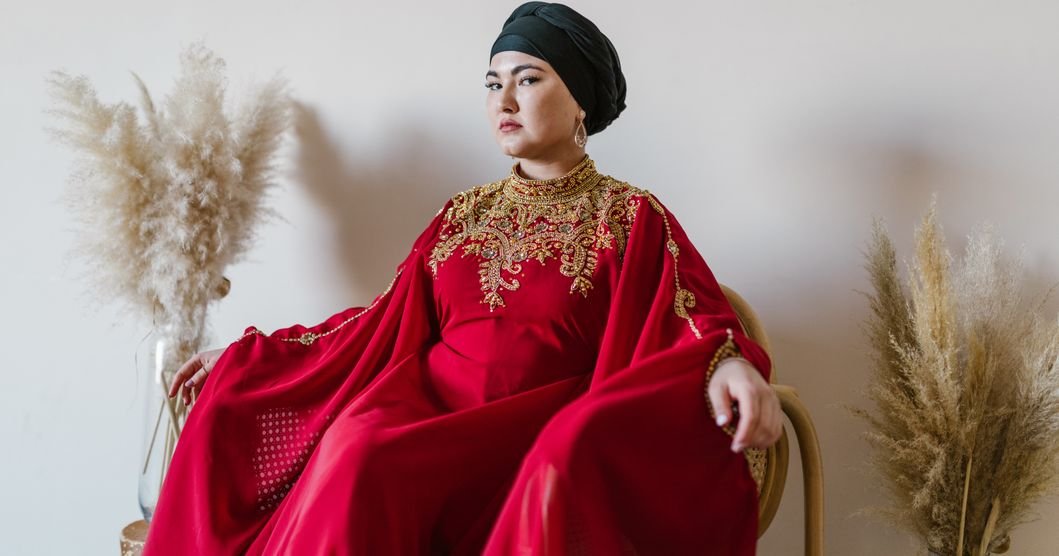
Embroidered abayas are a timeless expression of elegance and modesty, yet their intricate detailing demands a thoughtful approach to upkeep. By understanding the fabric, preparing correctly, and employing gentle cleaning methods, you can preserve the splendour of your favourite pieces for years to come.
Understanding Fabric Types and Embroidery
Most embroidered abayas in the UAE are crafted from lightweight woven fabrics such as chiffon, georgette, or silk blends, each offering a graceful drape that showcases needlework beautifully. These materials differ in fibre composition, which influences how they respond to moisture and heat. For instance, silk‑based fabrics tend to be more delicate and may react to harsh detergents, while polyester‑infused blends provide a bit more resilience but can still suffer from snagging if handled roughly.
Embroidery itself may be executed with a variety of threads – metallic, silk, or cotton – and often incorporates sequins or beads. Metallic threads are particularly susceptible to tarnish and can lose their luster if exposed to chlorine or high‑temperature washes. Likewise, sequins can loosen when subjected to vigorous agitation. Recognising the specific combination of fabric and embellishment is the first step toward a customised care routine that protects both the base material and the decorative work.
Pre‑Wash Preparations: What to Do Before Cleaning
Before the first wash, always inspect the abaya for loose threads, dangling beads or any signs of wear. Gently pin‑point any areas that might need reinforcement, and consider using a small, sharp needle to secure loose embroidery stitches. This prevents further unraveling during the wash cycle.
- Turn the garment inside out. This simple step shields the embroidered surface from friction against the washing drum.
- Use a mesh laundry bag. Placing the abaya in a fine‑woven bag creates an extra barrier, reducing the risk of snagging on other items.
- Select a mild, colour‑safe detergent. Avoid bleach or enzyme‑rich formulas, as they can weaken delicate fibres and dull metallic threads.
- Test for colourfastness. Dampen a hidden seam with a drop of water and a dab of detergent; if the colour does not bleed after a few minutes, the abaya is safe to wash.
By taking these precautionary measures, you set the stage for a gentle cleaning process that respects the craftsmanship of the embroidery.
Gentle Washing Techniques for Delicate Embroidery
When it comes to washing, the mantra is “cold, calm, and controlled”. Opt for a hand‑wash whenever possible; if a machine wash is unavoidable, choose the most delicate cycle available, typically labelled “wool” or “hand wash”. Use lukewarm water (no more than 30°C) to avoid shrinking or distorting the fabric.
Immerse the abaya briefly, allowing the water and detergent to soak the fibres without vigorous rubbing. Gently agitate with your hands, focusing on the body of the garment rather than the embroidered panels. Rinse thoroughly with cool water until no suds remain, as residual detergent can cause stiffness in the stitching.
| Method | Water Temperature | Agitation | Recommended Frequency |
|---|---|---|---|
| Hand wash | Cold to lukewarm (≤30°C) | Very gentle, occasional swirl | Every 4–6 wears |
| Machine – delicate cycle | Cold | Minimal, drum‑only | Only when hand wash not feasible |
After washing, press the fabric between two clean towels to absorb excess moisture, then lay flat on a dry towel to finish the draining process. Avoid wringing, as this can stretch the fabric and distort the embroidery.
Drying and Ironing: Maintaining Shape and Shine
Air‑drying is the safest route for embroidered abayas. Hang the garment on a padded hanger, allowing it to drape naturally away from direct sunlight, which can fade delicate threads over time. If you must use a dryer, select the lowest heat setting and a short cycle, but be aware that even gentle tumble drying can cause subtle flattening of raised embroidery.
When ironing, always place a clean cotton cloth or pressing veil over the embroidered area. Set the iron to a low to medium temperature appropriate for the base fabric – typically the “silk” or “synthetic” setting. Steam can be beneficial, but keep the iron slightly lifted to prevent the heat from searing metallic threads or melting sequins.
Finally, store the abaya in a breathable garment bag rather than a plastic sleeve. This protects the embroidery from dust while allowing the fabric to breathe, preserving both shape and shine for the next occasion.
Storing Embroidered Abayas to Prevent Damage
When your embroidered abaya isn’t on display, the way you store it can be just as important as the way you wear it. Begin by gently shaking the garment to release any loose threads before laying it flat on a clean, breathable surface. Avoid folding directly over the embroidered panels; instead, fold the abaya in thirds, keeping the decorative sections on the inside where they are less exposed to friction.
Choose a storage box or wardrobe drawer lined with acid‑free tissue paper. This protects the fabric from moisture and prevents the delicate stitching from catching on rough surfaces. If you prefer hanging, use a wide, padded hanger that supports the shoulders without stretching the fabric. Add a thin cotton sleeve over the abaya to shield it from dust while still allowing air circulation.
Maintain a stable environment: a cool, dry closet with a moderate humidity level reduces the risk of mould and colour fading. Periodically air the abaya out for a few minutes on a sunny but not scorching day to refresh the fibres and keep the embroidery looking crisp.
Repair and Touch‑Up: Keeping Details Pristine
Even the most carefully tended abaya may encounter minor snags or loose threads over time. Addressing these issues promptly helps preserve the integrity of the embroidery and prevents larger tears.
- Inspect the garment after each wear, focusing on the edges of the embroidered motifs.
- Use a fine‑point needle and matching thread to re‑stitch any loose ends, employing a small, invisible backstitch.
- For tiny holes, apply a dab of fabric glue designed for delicate textiles, then gently press the fibres together.
- When a bead or sequins fall off, replace them with a matching set, securing each piece with a tiny knot to avoid future loss.
- Store a small repair kit in your wardrobe for quick touch‑ups on the go.
If you are unsure about a repair, consider consulting a professional modest‑fashion tailor who specialises in intricate embellishments. A skilled hand can restore the original sparkle without compromising the fabric’s drape.
Final Verdict: Long‑Lasting Elegance for Your Embroidered Abayas
Maintaining the allure of an embroidered abaya is a blend of mindful storage, gentle cleaning, and timely repairs. By folding the garment thoughtfully, shielding it from humidity, and keeping a repair kit at hand, you create a protective routine that respects both the fabric and the craftsmanship.
Regularly rotating your collection ensures that no single piece bears the brunt of frequent wear, extending the life of each design. When you do need professional cleaning, opt for a specialist who understands the delicacy of hand‑stitched embellishments and uses low‑temperature, mild detergents.
The payoff is a wardrobe that continues to turn heads season after season, with each embroidered detail retaining its original brilliance. With these care practices, your abayas will remain a timeless expression of modest elegance, ready to accompany you on every occasion.
For more on this, see our guide on Abaya Care Tips: Keep Your Modest Wardrobe Fresh.
Explore the full range in our abaya collection to find your next piece.
Frequently Asked Questions
How often should I wash my embroidered abaya?
Wash only when necessary—typically after a few wears—to minimise wear on the stitching and fabric.
Can I use a regular washing machine for my embroidered abaya?
Use a gentle cycle on a front‑loading machine with a mesh laundry bag, avoiding harsh agitation.
What temperature is safe for washing embroidered abayas?
Cold or lukewarm water (max 30°C) is safest to preserve thread colour and fabric integrity.
Should I iron directly over the embroidery?
No; place a clean cloth over the embroidery and use a low‑heat setting to avoid scorching the threads.
How can I prevent colour fading on embroidered sections?
Store the abaya away from direct sunlight and use breathable garment bags to protect the dyed threads.
Shop the collection at Hoorain Abaya →