Abaya Styling for Tall Women 2026: Proportions, Sleeve Length and Fabric Choices
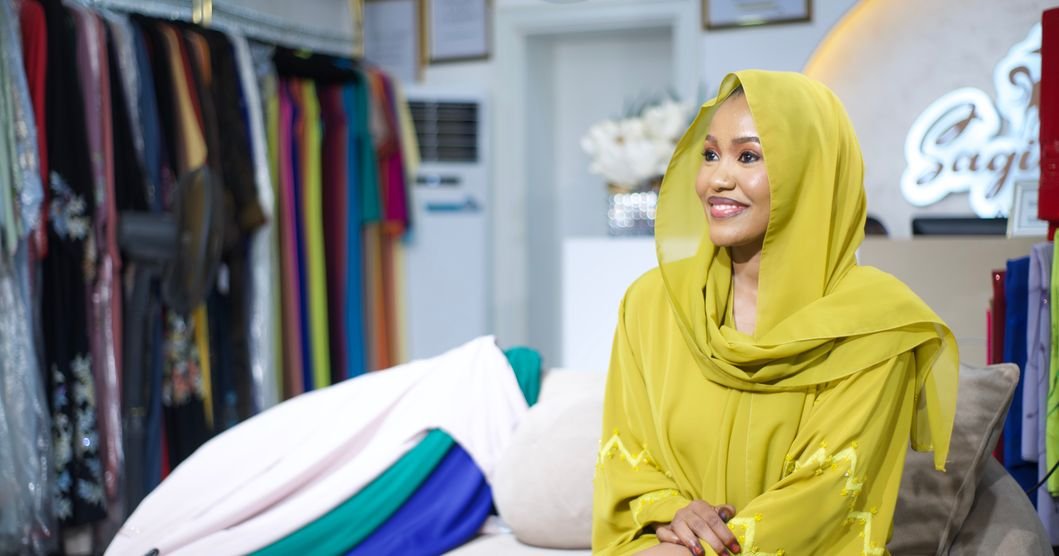
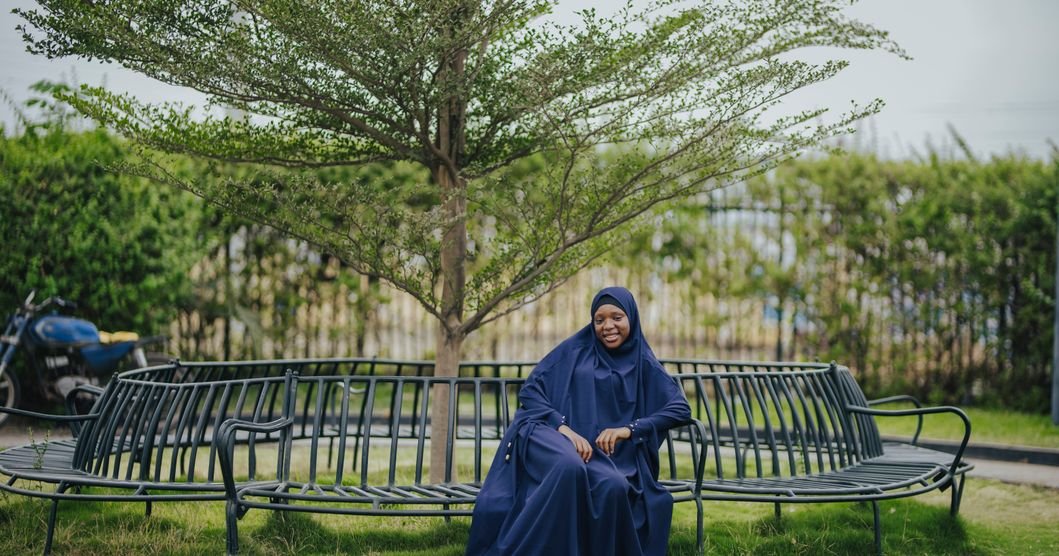
Photo by Taiye Salawu on Pexels · Source
Abaya styling for tall women is less about finding a "tall size" and more about reading proportion correctly: the right length, a sleeve that ends in the right place, and a fabric that holds its line instead of clinging to it. A taller frame carries more visible fabric than an average-height one, so small mismatches — a hem that stops a centimetre short, a sleeve that rides up when you reach for a bag — show up faster and read as "wrong size" even when the abaya is technically the correct one. This guide walks through the length table, the silhouettes that flatter a longer frame, sleeve and shoulder fit, fabric choices that hold their shape over a longer drop, and the styling details that add balance without adding bulk.
How should tall women style an abaya?
Tall women get the most flattering abaya fit by ordering length first against a height chart rather than a standard size, choosing a straight or soft A-line cut over a fuller triangle shape, and picking a slightly weightier fabric such as crepe, nida or a satin-finish blend that holds a clean vertical line instead of clinging or losing shape over a longer drop. Sleeve fit matters just as much as length — a cuffed or fitted sleeve that ends at the wrist bone reads as intentional, while a loose sleeve on a longer arm often looks unfinished.
Read the Length Table Before Anything Else
Most abaya sizing frustration for taller women traces back to one step being skipped: matching height to a length in inches before worrying about body fit at all. Hoorain's own size guide lengths run from 50in for a petite 4'10"–4'11" frame up to 62in for an extra-tall 5'10"–6'1" frame, with three length bands built specifically for taller heights — 56in ("regular tall", 5'4"–5'5"), 58in ("tall", 5'6"–5'7") and 60in ("tall / heels", 5'8"–5'9"). If your height sits between two bands, the guide's own rule is to size up for a floor-grazing look worn with heels and size down for a length meant to be worn with flats.
Heels change the maths more than most people expect. The size guide's measuring instructions add 2–3cm to the length measurement for anyone who wears heels regularly, which for a tall frame can be the difference between a hem that skims the floor and one that catches underfoot on stairs. Measure from your highest shoulder point down to where you want the hem to sit, in the shoes you actually plan to wear the abaya in, rather than barefoot.
Proportion Over Volume: Choosing the Right Silhouette
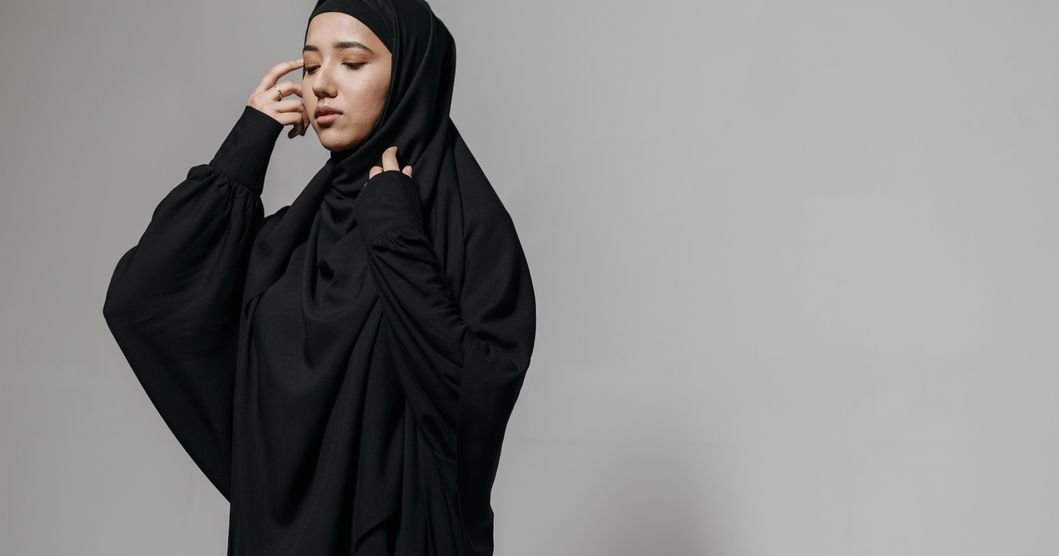
A taller frame has more vertical space to work with, which is an advantage as long as the silhouette is chosen to extend that line rather than interrupt it. Straight-cut and soft A-line abayas tend to work best on a taller frame because they follow the body's natural drop without adding the extra volume a fuller triangle or umbrella-style cut introduces. That fuller volume is not wrong on a tall frame — it can look elegant — but it does need to be balanced with a slimmer sleeve or a belted waist so the overall silhouette does not read as "more fabric" rather than "more height."
A long open-front abaya, worn over a simple underlayer, is one of the most reliably flattering options for a taller frame. The open front creates a continuous vertical line down the centre of the body, drawing the eye in a single sweep from shoulder to hem rather than breaking it into horizontal sections. A closed abaya can work just as well, but benefits from a subtle vertical seam, a centre-front pleat, or a contrast-stitched panel down the middle for the same elongating effect.
When a Kimono Cut Works in Your Favour
A kimono-style abaya, with its wide dropped sleeve and belted waist, is a strong option for a taller frame specifically because the belt reintroduces a defined waistline into what would otherwise be a very long, uninterrupted drop from shoulder to hem. Without that waist definition, a very tall silhouette in a single flowing piece can start to look shapeless rather than elegant. A slim obi-style belt or a wrap tie at the natural waist restores the proportion.
Sleeve Length and Shoulder Fit
Sleeve fit is the detail most often overlooked when a taller woman is choosing an abaya, and it is usually the first thing that gives an otherwise well-chosen piece away as the wrong size. The size guide's own measuring method is to measure from the shoulder point to the wrist bone, then choose a sleeve that finishes at or slightly above that point — a bracelet-style sleeve should sit just above the wrist, not mid-forearm.
Shoulder width matters before sleeve length does. If the shoulder seam sits correctly but the sleeve still pulls or rides up when you reach forward or lift a bag onto your shoulder, the size guide's own recommendation is to size up one full size through the shoulder and sleeve rather than trying to solve a shoulder problem with a longer sleeve alone. A sleeve that is technically long enough but attached to a shoulder seam that sits too high on a taller frame will still ride up in movement, which is the fit complaint most tall women actually have rather than the length itself.
Cuffed Sleeves Read More Intentional on a Longer Arm
A fitted or cuffed sleeve, finished with a button or an elasticated cuff at the wrist, tends to look more deliberate on a longer arm than a fuller sleeve left to hang loose. Embroidery or piping detail at the cuff also draws the eye to the wrist, which helps balance a taller frame by adding a visual stopping point at the end of a long sleeve line rather than letting the eye run out past it — see our abaya sleeve styles guide for how different cuts read on different arm lengths.
Fabric Choices That Hold a Longer Line
Fabric weight does more work on a tall frame than on a shorter one, simply because there is more fabric hanging from shoulder to hem for it to support. A very lightweight chiffon or an unlined light cotton can start to cling or lose its shape over a longer drop, especially around the legs when walking, which undoes the clean vertical line a taller frame is otherwise well placed to carry. A slightly heavier crepe, a nida blend, or a satin-finish weave holds that line instead, giving the fabric enough weight to fall straight rather than move unpredictably.
Texture also has a part to play. A fabric with some visible texture or a subtle sheen, rather than a completely flat matte finish, catches the light differently as it moves and adds a sense of graceful movement to a longer silhouette without needing embellishment to do it. This is one area where a taller frame has a genuine advantage: a longer drop of fabric shows off a good-quality weave's movement far more than a shorter one would.
Styling Details That Add Visual Balance
A few finishing choices help a taller frame look intentionally styled rather than simply long. Colour blocking — a contrast sheila, a different-toned underlayer, or a two-tone abaya with a colour change at the waist — breaks the eye's vertical travel at a natural point and keeps a very tall silhouette from reading as one uninterrupted block of colour. A single dark, monochrome look is also a reliable option, since it lets the cut and fabric detail carry the styling rather than relying on colour contrast at all.
Belts, Sleeve Details and Where to Place Them
A thin belt at the natural waist, rather than sitting low on the hip, keeps the proportion between the upper and lower body balanced on a longer torso. Sleeve detail — a cuff, a line of embroidery, or a contrast trim — draws attention outward to the arms and hands rather than letting the whole look read as one long vertical stripe. Both are small additions, but on a taller frame they do more visible work than they would on a shorter one, simply because there is more length for the eye to travel before it reaches them.
Frequently Asked Questions
What abaya length is best for a tall woman?
Match your height to a length band rather than a standard size: 56in suits 5'4"–5'5", 58in suits 5'6"–5'7", and 60in suits 5'8"–5'9", with 62in for 5'10" and above. Add 2–3cm to your measurement if you plan to wear the abaya with heels regularly.
Should tall women choose a fitted or a loose abaya?
A straight or soft A-line cut generally works better than a very full, triangular silhouette, since it follows the body's natural drop rather than adding extra volume to an already long frame. A fuller cut can still work well when balanced with a belt or a slimmer sleeve.
What fabric holds its shape best on a taller frame?
Crepe, nida and satin-finish blends tend to hold a cleaner line over a longer drop than very lightweight chiffon or unlined cotton, which can cling or lose shape when walking. The extra weight supports the fabric so it falls straight rather than moving unpredictably.
How should sleeve length be measured for a taller frame?
Measure from the shoulder point to the wrist bone and choose a sleeve that finishes at or just above that point. If the sleeve still pulls or rides up when you reach forward, size up one full size through the shoulder rather than choosing a longer sleeve alone.
Does a belt help balance a tall silhouette?
Yes. A thin belt at the natural waist reintroduces a defined waistline into a long, flowing silhouette and keeps the proportion between the upper and lower body balanced, which matters more on a longer torso than a shorter one.
Is colour blocking a good styling choice for tall women?
Colour blocking, such as a contrast sheila or a two-tone abaya with a colour change at the waist, breaks up a very long vertical line and can keep a tall silhouette from reading as one uninterrupted block of colour. A single dark monochrome look is an equally reliable alternative.
Shop the collection at Hoorain Abaya →