What are the latest abaya fashion trends in UAE? 2026 guide

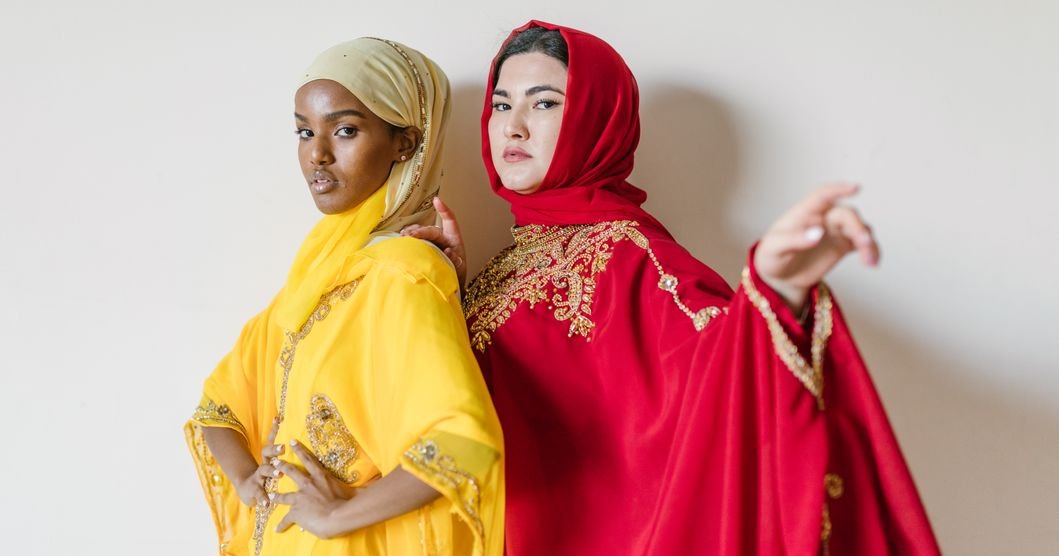
Photo by Tima Miroshnichenko on Pexels · Source
Abaya fashion in the UAE has always been a dialogue between heritage and contemporary style. In 2026 the market is buzzing with fresh interpretations that respect modesty while embracing global influences.
From Tradition to Trend: The Evolution of the UAE Abaya
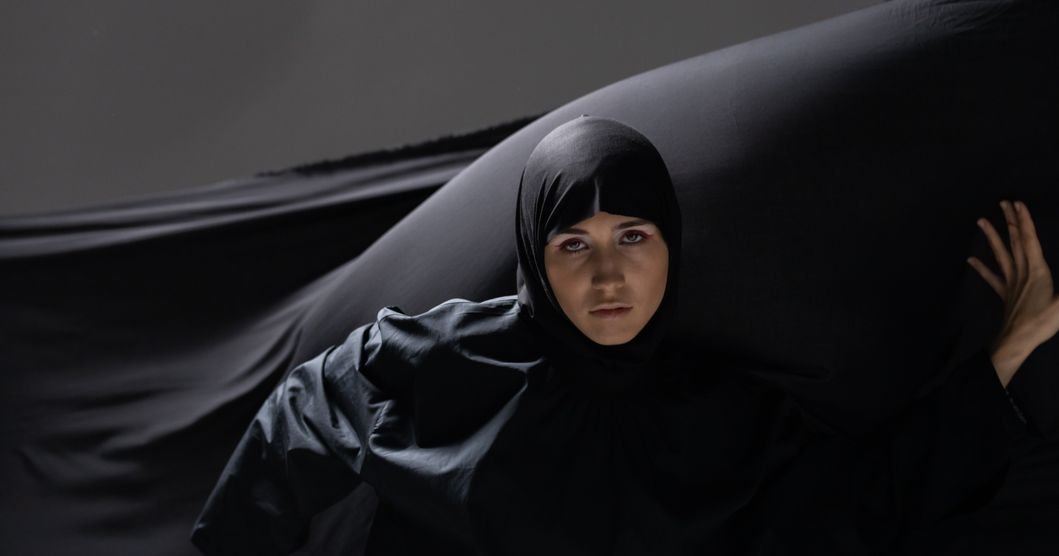
Historically the Emirati abaya was a simple, floor‑length cloak in deep black, crafted from lightweight cotton or silk to suit the desert climate. Its primary purpose was modesty, providing a modest silhouette that concealed the body while allowing ease of movement.
The turn of the millennium saw designers experiment with muted hues, subtle embroidery and modest tailoring, signalling the first wave of personal expression. Soft greys, ivory and pastel blues entered the wardrobe, while delicate threadwork along the cuffs and neckline added a quiet elegance that resonated with the younger generation.
By the mid‑2020s sustainability and digital craftsmanship became central themes. Recycled fibres, locally sourced yarns and 3‑D‑printed accents allowed creators to reinterpret the classic shape without compromising the ethos of modesty. Social media platforms amplified these experiments, turning regional street style into a real‑time runway that continues to evolve.
Today the abaya is a canvas for hybrid styling – from athleisure‑inspired zip details to modest trench‑coat overlays that respond to the UAE’s fluctuating temperatures. Designers are also re‑introducing regional motifs, such as palm‑leaf prints and calligraphic bands, but rendered in contemporary colour palettes, ensuring the garment feels both rooted and forward‑looking.
Luxurious Fabrics Dominating 2026 Collections
Fabric choice has become the defining narrative of 2026 abaya collections, with designers prioritising tactile richness as much as visual impact. Soft drape, subtle sheen and breathable structure are now the criteria that guide the selection process, ensuring each piece feels as luxurious as it looks under the Emirati sun.
Silk charmeuse returns with a buttery finish that glides over the skin, while crepe de chine offers a matte elegance perfect for daytime wear. Velvet, especially in deep jewel tones, adds a regal weight suited to evening gatherings, and organza’s translucent quality is being layered to create ethereal depth without sacrificing modesty.
| Fabric | Feel | Typical Use |
|---|---|---|
| Silk Charmeuse | Smooth, cool to the touch | Evening gowns, draped abayas |
| Crepe de Chine | Slightly textured surface | Daytime workwear, layered abayas |
| Velvet | Soft, heavy, lustrous | Evening events, formal abayas |
Designers are increasingly layering contrasting fabrics to achieve depth – a silk overlay over a crepe base, or a sheer organza panel tucked beneath a velvet panel. This juxtaposition creates visual intrigue while maintaining the modest silhouette, and it allows the wearer to transition seamlessly from a corporate brunch to a sunset soirée.
Modern Silhouettes: Oversized, Tailored and Layered
Oversized silhouettes dominate the street style of Dubai and Abu Dhabi, offering a relaxed drape that moves with the wearer’s rhythm. Wide‑leg sleeves, billowing hems and generous cut‑outs create a sense of freedom while still adhering to the modest silhouette, and the volume can be tempered with a fitted belt for added shape.
Tailored cuts have made a strong comeback, especially among professionals who seek a crisp, architectural look. Structured shoulders, precise darts and waist‑defining seams give the abaya a polished edge, reminiscent of a classic suit jacket but rendered in flowing fabric. This hybrid approach satisfies both corporate dress codes and personal modesty standards.
Layering is the third pillar of contemporary abaya styling. Designers juxtapose sheer organza panels with heavyweight crepe, or slip a lightweight trench‑coat over a silk‑lined base to create depth without compromising coverage. The result is a dynamic outfit that can be added to or stripped back as the desert temperature shifts throughout the day.
Colour coordination now follows the silhouette, with monochrome palettes accentuating the clean lines of a tailored piece, while gradient hues soften the bulk of an oversized drape. Subtle tonal stitching or contrasting piping along the seams adds a visual cue that guides the eye, reinforcing the garment’s architectural intent while keeping the overall look cohesive.
Subtle Embellishments and Artistic Details
Embellishment in 2026 leans toward restraint, allowing the fabric’s natural beauty to shine. Hand‑stitched threadwork featuring geometric motifs or delicate floral vines appears along the collar, cuffs and hem, creating a whisper of sparkle that catches light without overwhelming the silhouette.
Technology‑driven details are also gaining traction. Laser‑cut perforations form intricate lattice patterns that breathe air through the garment, while low‑profile 3‑D‑printed appliqués in metallic finishes add a futuristic edge. These accents are deliberately placed on sleeves or back panels, ensuring the front remains clean and modest.
Artistic calligraphy and abstract prints are being woven directly into the fabric, turning the abaya into a moving canvas. Subtle Arabic script, often rendered in tonal ink, can convey personal mantras or cultural verses, while abstract brush‑stroke motifs introduce a gallery‑like aesthetic that appeals to the creative‑minded wearer.
Looking ahead, designers anticipate a rise in biodegradable sequins and plant‑based dyes that offer colour without environmental cost. Such sustainable embellishments promise to keep the abaya’s decorative language evolving, ensuring that modest fashion remains both beautiful and responsible in the years to come.
Sustainable and Ethical Choices in Modest Wear
In 2026 the UAE modest‑wear market is moving beyond seasonal colour palettes to embrace a deeper responsibility for the planet. Designers are sourcing organic cotton, Tencel and responsibly harvested silk, often produced by local farms that reduce transport emissions. By prioritising natural fibres with low‑impact dyes, brands such as Hoorain Abaya are offering pieces that feel luxurious while leaving a lighter ecological footprint.
Consumers are also looking for transparent supply chains. Third‑party certifications such as GOTS for organic textiles or the Global Recycle Standard for reclaimed polyester give shoppers confidence that the material has been traced from fibre to finished garment. Many collections now incorporate up‑cycled trims – vintage buttons, reclaimed lace and recycled embellishments – turning what might be waste into a design feature.
Caring for an ethical abaya extends its lifespan. Gentle, cold‑water cycles, mild detergents and air‑drying preserve the integrity of delicate fibres and prevent colour fading. When a garment reaches the end of its wear cycle, many UAE boutiques now offer take‑back programmes that transform the piece into new textile yarns, completing a circular loop that aligns with the region’s growing zero‑waste ambition.
| Fabric | Sustainability highlights |
|---|---|
| Organic cotton | Grown without synthetic pesticides; biodegradable. |
| Tencel (lyocell) | Closed‑loop production; uses renewable wood pulp. |
| Recycled polyester | Diverts plastic waste; lower carbon intensity. |
| Silk (peace‑grown) | Ethically harvested; minimal chemical treatment. |
Styling Tips: Pairing Abayas with Contemporary Accessories
Modern modest fashion thrives on the dialogue between tradition and the urban rhythm of Dubai’s skyline. An abaya can become a canvas for personal expression when paired with the right accessories – from sculptural jewellery to sleek footwear – without compromising the garment’s graceful silhouette.
- Layer a thin, metallic belt to define the waist while keeping the flow.
- Choose a structured handbag in a contrasting neutral for a polished finish.
- Wear minimalist gold or silver cuffs that echo the abaya’s stitching.
- Opt for pointed‑toe sandals with a modest heel for daytime elegance.
- Introduce a silk scarf in a muted pastel for a pop of colour without overwhelming the look.
When you introduce a belt or a scarf, keep the colour palette cohesive. Neutral tones such as sand, ivory or soft taupe complement the traditional black or navy base, while a single accent hue – for example, a dusty rose or muted teal – adds visual interest without breaking modesty codes.
Evening events call for a subtle sparkle. A pair of embellished, low‑profile heels paired with a delicate chain‑link clutch can elevate a floor‑length abaya without detracting from its elegance. Remember to balance shine – if the abaya features sequins, keep jewellery minimal; if the fabric is matte, let the accessories do the talking.
Final Verdict: The Must‑Have Abaya Trends for 2026
If you scan the runways of Dubai Fashion Week and the boutique windows of Abu Dhabi, three pillars dominate the 2026 abaya landscape: eco‑conscious materiality, architectural silhouettes and subtle technology. Designers are experimenting with fluid drapes that incorporate hidden pockets, magnetic closures and even temperature‑regulating linings, ensuring the garment works as hard as the wearer.
Colour palettes have shifted from the classic monochrome to nuanced gradients. Soft sand, muted olive and pastel lilac appear alongside the timeless black, often rendered in tonal ombre effects that add depth without overwhelming modesty. Pattern‑wise, geometric latticework and delicate Arabic calligraphy motifs are embroidered with low‑profile thread, offering a whisper of heritage.
Putting it all together, the 2026 must‑have abaya is a responsibly sourced, mid‑length piece with a sculptural, asymmetrical hem, a discreet waist‑defining belt and optional smart‑fabric inserts for climate comfort. Pair it with minimalist jewellery, a structured tote and a pair of low‑heel sandals for a look that feels both contemporary and reverently modest.
The beauty of these trends lies in their adaptability. A single piece can transition from a business brunch to an evening gala simply by swapping the belt for a jeweled sash, or by adding a lightweight cape for added drama. This fluidity aligns with the UAE’s fast‑paced lifestyle, where the modern woman expects her wardrobe to keep pace with her ambitions.
Frequently Asked Questions
Which colours are most popular for abayas in the UAE right now?
Neutral tones such as ivory, sand and soft greys remain favoured, while muted jewel shades like deep teal and burgundy are gaining traction for evening wear.
Are there specific fabrics that are considered on‑trend this season?
Yes, lightweight crepe, silk blends and breathable jersey are widely embraced, offering a balance of elegance and comfort suitable for the UAE climate.
How can I incorporate modest trends without compromising comfort in the summer heat?
Opt for loose‑fitting cuts in breathable fabrics, incorporate strategic ventilation like side slits, and choose lighter hues that reflect sunlight.
What role does sustainability play in current abaya designs?
Designers are increasingly sourcing organic cotton, recycled polyester and locally produced textiles, aiming to reduce environmental impact while maintaining style.
How do I style a contemporary abaya for a casual outing versus a formal event?
For casual looks pair a relaxed‑fit abaya with sneakers or flat sandals and minimal jewellery; for formal occasions choose a structured piece with subtle embellishments, paired with heels and statement accessories.