Umrah Abaya Guide 2026: Best Fabrics, Colours and What to Pack
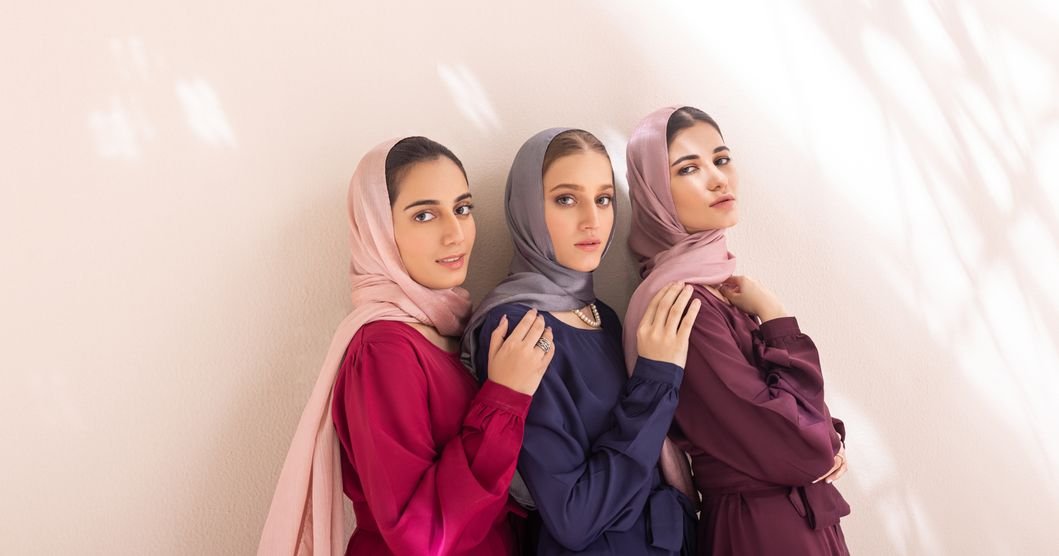
Photo by The Hijab Company on Pexels · Source
Preparing for your sacred pilgrimage requires thoughtful attention to your wardrobe, where spiritual focus meets practical daily needs. This comprehensive umrah abaya guide explains how to select modest, breathable, and fully opaque garments suited for Tawaf, Sa'i, and travel between the Holy Cities. From evaluating fabric weights to navigating ihram requirements, you will find clear, scholar-aligned advice to help you pack with quiet confidence and complete peace of mind.
What Should a Woman Wear When Entering Ihram for Umrah?
Women Have No Prescribed White Ihram Garment
Unlike male pilgrims who must wear two unstitched sheets of white cloth, women do not have a specific or mandated ihram garment. You are free to enter the state of ihram wearing ordinary, stitched clothing that meets the general standards of Islamic modesty. While many pilgrims elect to wear plain white abayas, there is no religious requirement to do so. A simple black, grey, beige, or dark blue garment is entirely valid for your worship.
The flexibility permitted in female attire allows you to prioritise comfort, opacity, and weather appropriateness. When selecting garments for your sacred journey, focusing on functional cut and comfortable textile choices ensures your focus remains entirely on your worship rather than adjusting your clothing during long hours at the Haramain.
Understanding Modesty Requirements for Ihram
Your chosen ihram attire must fulfil the established criteria of modest Islamic dress. It must cover the whole body, leaving only the face and the hands visible. The fabric must be completely opaque, preventing skin tone or body contours from showing through under the bright halogen lighting of the Mataf or sunlight in courtyard areas.
The cut of the abaya should be loose and fluid. Fitted cuts, tailored waistlines, or narrow sleeves that cling to the arms during movement do not meet the modesty requirements for ihram. Opt for classic A-line silhouettes, traditional butterfly cuts, or loose straight-cut garments that flow away from the body effortlessly. Every recommendation in this umrah abaya guide is built around that balance of full coverage and easy movement.
The Sunnah Regarding Niqab and Gloves
According to authentic prophetic tradition, a woman in the state of ihram is prohibited from wearing a tailored niqab or gloves. Your face and hands must remain uncovered as part of the ihram restrictions established by the Prophet (peace be upon him). Standard face veils with head ties or eye slots are not worn during this time.
Many Islamic scholars permit a woman to drape a loose corner of her hijab or a free-hanging cloth over her face when non-mahram men are in close proximity, provided the fabric is not fastened around the face like a traditional niqab. Because scholars differ on the exact details and conditions of face draping during ihram, we encourage you to follow the rulings of your trusted madhhab or consult a qualified scholar of your choosing prior to departure.
Which Fabrics Perform Best Under the Desert Sun and During Tawaf?
Why Crinkle Travel Crepe and Matte Crepe Are Ideal Choices
Fabric is where this umrah abaya guide becomes most practical. The physical demands of Umrah require textiles that manage heat, resist severe creasing, and maintain complete opacity. Crinkle Travel Crepe is widely considered the top choice for long journeys. Its subtle woven texture naturally hides surface wrinkles caused by sitting in buses or airplanes for extended periods, making it ideal for immediate wear upon arrival at your hotel.
Matte Crepe is another outstanding textile for holy sites. It possesses a smooth, flat appearance without any reflective sheen, aligning perfectly with the quiet simplicity expected during pilgrimage. Matte Crepe offers exceptional breathability and medium weight, allowing heat and body moisture to escape quickly during physical exertion such as Sa'i between Safa and Marwah. For a deeper breakdown of fabric performance, explore our best fabric for travel abayas article.
The Density and Opacity of Korean Nida for Pilgrim Comfort
Korean Nida and Premium Nida hold an exceptional reputation across the GCC for good reason. These weaves feature a dense thread structure that guarantees absolute opacity while remaining cool to the touch. The continuous filament fibres glide smoothly over undergarments without clinging or catching as you walk.
When performing Tawaf, the fluid drape of Premium Nida moves gracefully without billowing excessively in cross-breezes along the outer marble plazas. It handles perspiration exceptionally well by allowing air to circulate between the fabric and your skin, drying quickly without leaving visible liquid rings or stiff spots. Reviewing our comprehensive nida vs crepe vs chiffon abaya fabric guide will help you select the precise density required for your travel month.
Why Chiffon, Organza, and Satin Trims Should Be Left at Home
While sheer and glossy fabrics excel for festive gatherings, they are entirely unsuitable for the rites of Umrah. Layered Chiffon and Luxe Organza are occasion fabrics designed for volume and delicacy; they tear easily in dense crowds, static-cling to under-layers, and lack single-layer opacity. Under the intense lighting of the Holy Mosques, thin chiffon can easily become translucent.
Similarly, garments featuring Satin Trim Crepe, Jacquard Nida, or glossy weaves carry a reflective sheen that reads as personal adornment. Out of respect for the spiritual atmosphere of the Holy Sanctuaries, avoid high-shine materials, metallic threads, or reflective brocades in favour of flat, matte textures.
What Colours Are Appropriate for Your Umrah Abaya?
Neutral Tones Maintain Modesty and Avoid Drawing Unnecessary Attention
Colour is the question that sends most women searching for an umrah abaya guide in the first place. There is no specific colour mandated by Islamic law for a woman's ihram clothing. White, black, beige, biscuit, taupe, grey, and dark olive are all valid choices. However, scholars and experienced pilgrims consistently emphasise choosing subdued tones that blend quietly into the gathering of worshippers.
The objective when selecting your wardrobe colour is to avoid standing out or drawing personal attention. Highly saturated tones like bright red, vivid yellow, neon shades, or intense jewel tones should be avoided. Restrained neutral shades cultivate an understated presence, allowing you to blend seamlessly into the sea of believers focusing on worship.
Practical Considerations When Choosing Between Black, White, and Earth Tones
While white is traditional and reflects thermal radiation under direct sunlight, it presents practical challenges. Pure white fabric can become translucent when exposed to strong backlight or moisture from sweat, requiring multiple opaque under-layers that increase body temperature. White garments also show dust from plaza floors and water spots far more quickly.
Black remains the standard preference for GCC travellers due to its complete opacity and effortless upkeep. However, dark earth tones such as warm taupe, cocoa, slate grey, and olive offer an excellent balance. They deflect harsh glare better than pure black under midday heat, show less travel dust than white, and maintain absolute privacy under all light sources.
How Should You Select the Correct Length and Fit for Tawaf?
Calculating Length by Height to Prevent Tripping During Sa'i
Selecting the precise length for your pilgrimage abaya requires a balance between complete modesty and personal safety. An abaya that trails on the floor will inevitably get stepped on by the worshippers behind you during crowded Tawaf circles, creating tripping hazards and tearing hem seams. Conversely, an abaya that sits too high above the ankle compromises your coverage during bow and prostration.
Your ideal Umrah abaya length should rest exactly at the top of your footwear, hovering roughly one to two centimetres above the floor when standing straight in flat shoes. When measuring, measure from the highest point of your shoulder down to the top of your shoe sole. If you normally wear longer lengths for evening events, consider taking one inch off your regular hem length for Umrah to account for rapid walking along the marble corridors. Check our detailed abaya size guide how to measure instructions to find your ideal numbers.
Sizing Up for Thermal Comfort and Ease of Movement
Physical movement during Tawaf and Sa'i requires generous room around the shoulders, bust, and stride circumference. Narrow cuts restrict arm movement during du'a and pull tight across the back when prostrating in prayer. A tight fit also traps heat against the skin, accelerating fatigue.
We recommend choosing a cut that offers at least three to four inches of extra room beyond your standard body measurements. Consult our official size guide to compare shoulder width, bust allowance, and sleeve length. Selecting a relaxed A-line or traditional batwing cut encourages air flow around your torso, creating a micro-climate of coolness as you move through heated courtyards.
How Many Abayas Should You Pack for Your Journey?
The Essential Four-Abaya Packing Strategy
The packing question is the one readers bring to an umrah abaya guide most often. For a standard seven-to-ten-day itinerary covering Makkah and Madinah, packing four well-chosen abayas strikes the right balance between luggage weight and freshness. Carrying too few garments causes stress if an abaya gets dirty, while overpacking clutters your hotel space.
- Ihram Abaya (Quantity: 1): A plain, dark or neutral Matte Crepe or Crinkle Travel Crepe abaya dedicated strictly to entering ihram. Keep this garment free from any pre-applied perfumes or scented fabric conditioners.
- Daily Worship Abayas (Quantity: 2): Durable, breathable Korean Nida or Soft Twill abayas for routine prayers, rawdah visits, and walking to the mosques. Rotating between two daily garments allows one to rest and air out in your room.
- Travel & Ziyarah Abaya (Quantity: 1): A resilient, crease-resistant Crinkle Travel Crepe abaya used for transit days on the Haramain High Speed Railway, bus excursions to historical sites, and flight travel home.
Essential Accessories and Undergarments to Complete Your Suitcase
Beyond the outer garments, your comfort depends heavily on what you wear underneath. Choose smooth, moisture-wicking cotton under-garments that prevent chafing during long walking sessions. Long cotton leggings or wide-leg inner trousers prevent thigh friction while maintaining complete opacity if your abaya shifts during wind gusts.
Bring three to four lightweight jersey or breathable slip-on hijabs that stay anchored without requiring dozens of sharp pins that can fall out in crowds. Pack several pairs of cushioned cotton socks with non-slip grips for walking across smooth marble, along with a lightweight cross-body pouch worn under your abaya to keep key cards, identity cards, and phone safe.
How Do You Manage Perfume Restrictions on Your Abayas?
Preparing Your Garments Free from Residual Scent
One of the primary prohibitions while in the state of ihram is applying fragrance to your body or clothing. This restriction applies equally to any residual perfume, bukhoor, or scented laundry additives sitting in garments washed before your trip. Wearing an abaya heavily infused with perfume oil breaches the fragrance restriction of ihram, and scholars differ on what is owed when that happens, so it is far easier to avoid the situation altogether.
Prior to your trip, wash your designated ihram abaya with completely scent-free, hypoallergenic detergent. Ensure you do not store it in a closet alongside scented garments, oud wood, or room diffusers. Air the garment thoroughly in a well-ventilated space to ensure zero residual fragrance remains in the textile fibres before packing it into your suitcase.
Choosing Unscented Toiletries and Laundry Detergents
Managing scent restrictions extends to your personal care routine while in ihram. While scholars hold differing opinions regarding whether scented soap constitutes prohibited perfume, with a widely reported position permitting it because soap is not crafted as a scent, the safest and most cautious practice is to use exclusively unscented products.
Pack fragrance-free soap bars, unscented shampoo, fragrance-free roll-on deodorant, and scentless lotion for your ihram period. Once you complete your Umrah rites and trim your hair to leave ihram, you may resume using your preferred scented toiletries and laundry soaps for the remainder of your stay in Makkah and Madinah.
How Can You Maintain and Care for Your Abayas in Hotel Rooms?
Washing and Drying Techniques for Makkah and Madinah Accommodations
Hotel laundry services during peak Umrah seasons can take several days to return garments. Knowing how to hand-wash your abayas in your hotel bathroom ensures you stay fresh throughout your stay. Fill your bathroom sink with cool or room-temperature water and add a small amount of mild, unscented soap or delicate textile wash.
Gently swish the garment through the water without harsh scrubbing or wringing, which can distort the shoulder seams and alter garment length. Rinse thoroughly with cold water. To dry quickly, roll the abaya flat inside a clean bath towel to absorb excess water, then hang it on a sturdy padded hanger away from direct sunlight in a ventilated area of your room. Review our abaya care and storage guide for complete textile maintenance tips.
Removing Wrinkles Without a Steamer on the Road
Most hotel rooms in Makkah and Madinah do not automatically supply garment steamers, and irons can scorch delicate crepe or Nida fabrics if applied directly without a pressing cloth. To remove travel creases effortlessly, hang your abaya inside the bathroom while taking a hot shower, keeping the door closed to let steam fill the space.
The gentle moisture relaxes synthetic crepe and Nida fibres, causing light wrinkles to drop out naturally within fifteen minutes. Gently smooth the hem down with your hands to set the shape. For more travel tips on keeping your garments pressed on the road, read our guide on preventing creases while traveling.
How Does the Season Affect Your Umrah Wardrobe Choices?
Preparing for Makkah and Madinah's Summer Heat
The climate across the Hijaz region presents extreme weather conditions that demand thoughtful fabric choices. In Makkah, long-term climate averages show daytime highs running from approximately 29 degrees Celsius in January up to 43 degrees Celsius in June, July, and August. Madinah experiences similar summer peaks, averaging around 43 degrees Celsius in its warmest months.
Madinah is extraordinarily dry, with relative humidity dropping to around 16 percent in August. Under these intensely dry and hot conditions, select loose-fitting Korean Nida or Pearl Weave abayas in light grey, beige, or dust tones. Ensure your undergarments are 100 percent natural cotton to absorb sweat quickly and prevent heat rashes while navigating open courtyard spaces in direct sun.
Layering for Cooler Winter Evenings in Madinah
While summer brings severe heat, winter months introduce noticeable temperature drops, particularly during late-night prayers and early morning Tahajjud. In Makkah, January night temperatures average around 18 degrees Celsius. Madinah, situated at a higher elevation, feels significantly cooler during winter nights, with relative humidity rising to near 38 percent at its January peak.
When traveling between November and February, pack versatile layering options. Pair a breathable Matte Crepe abaya with a soft modal inner dress or a lightweight thermal top underneath. Carrying a lightweight wool-blend shawl or folded pashmina allows you to stay warm while waiting for Fajr prayer on open marble courtyards without adding unnecessary bulk to your luggage.
What Features Should You Avoid in an Umrah Abaya?
Steer Clear of Heavy Embellishments and Metallic Accents
The last section of this umrah abaya guide is the shortlist of what to leave behind. Pilgrimage is a sacred retreat centred on humility, devotion, and equality among believers. Garments adorned with heavy beadwork, intricate crystal embroidery, sequins, metallic lace, or flashy hardware are completely out of place during Umrah. These embellishments subtract from the spirit of modesty and simplicity that defines ihram.
Beyond aesthetic concerns, heavy adornments create physical discomfort. Metal studs and dense beadwork add unnecessary weight to your shoulders during long hours of walking. Crystals and sharp cut-beads can tear the delicate hijabs of surrounding worshippers in crowded spaces or catch on your own sleeves during prayer.
Avoid Tight Sleeves, Open Fronts, and Dragging Hems
Functional design is essential for smooth worship. Open-front abayas requiring snap buttons or safety pins can gape open during wind gusts or active movement, exposing your clothes or legs underneath. Choose closed-front abayas or fully buttoned styles that remain secure without constant adjustment.
Narrow or fitted sleeves restrict your ability to perform wudu comfortably at communal washing basins. Select sleeves with wide cuffs or flexible elastic wrist closures that easily slide up to your elbows and stay securely in place during ablution. Avoid wide trailing bell sleeves that dip into water basins or drag across dining tables during post-prayer meals.
Frequently Asked Questions
Can I wear a black abaya for ihram during Umrah?
Yes, you can certainly wear a black abaya for ihram. Islamic teachings do not specify any required colour for a woman's ihram clothing. Black, grey, navy, beige, and white are all fully permissible. Choose a plain, loose-fitting, and opaque black garment free from shiny embellishments or heavy embroidery so that you remain comfortable, modest, and undistracted throughout your worship.
Is an abaya legally required for female tourists in Saudi Arabia?
An abaya is not legally mandated for foreign women visiting Saudi Arabia. Within the Holy Cities of Makkah and Madinah, however, wearing a loose, full-length abaya with a hijab is culturally expected, and it makes daily life considerably simpler. Most visitors find that a plain abaya draws no attention, keeps them comfortable in the crowds, and settles any question about whether their dress suits the setting.
What fabric is best for an Umrah abaya in hot weather?
Crinkle Travel Crepe, Matte Crepe, and Premium Korean Nida are the top fabric choices for warm weather during pilgrimage. These textiles feature high weave density for complete opacity while remaining light, breathable, and quick-drying. They drape smoothly away from the body, allow air circulation during physical exertion, and offer excellent crease resistance after hours of sitting or travelling.
Can I use scented detergent on my ihram abaya before travelling?
No, you should avoid using scented laundry detergents, fabric softeners, or bukhoor on your designated ihram abaya. Fragrance restrictions in ihram apply to body and clothing alike. Wash your ihram garments in unscented, hypoallergenic detergent and store them away from perfumed items to ensure no residual scent remains on the fabric when entering ihram state.
How many abayas should I pack for a 10-day Umrah trip?
Packing four abayas is ideal for a 10-day journey. This includes one plain abaya reserved for ihram, two comfortable Nida or crepe abayas for daily mosque visits and prayers, and one crease-resistant travel abaya for transit between cities. This rotation keeps your wardrobe fresh, allows time for hotel hand-washing, and prevents overpacking your luggage.
Are face veils permitted while in the state of ihram?
Authentic Hadiths specify that a woman in ihram must not wear a tailored niqab or gloves, leaving her face and hands uncovered. However, many scholars allow draping a loose scarf edge over the face when near non-mahram men, provided it is not tied as a niqab. Consult your preferred school of thought or scholar for personal guidance.
Shop the collection at Hoorain Abaya →