Modest Fashion GCC
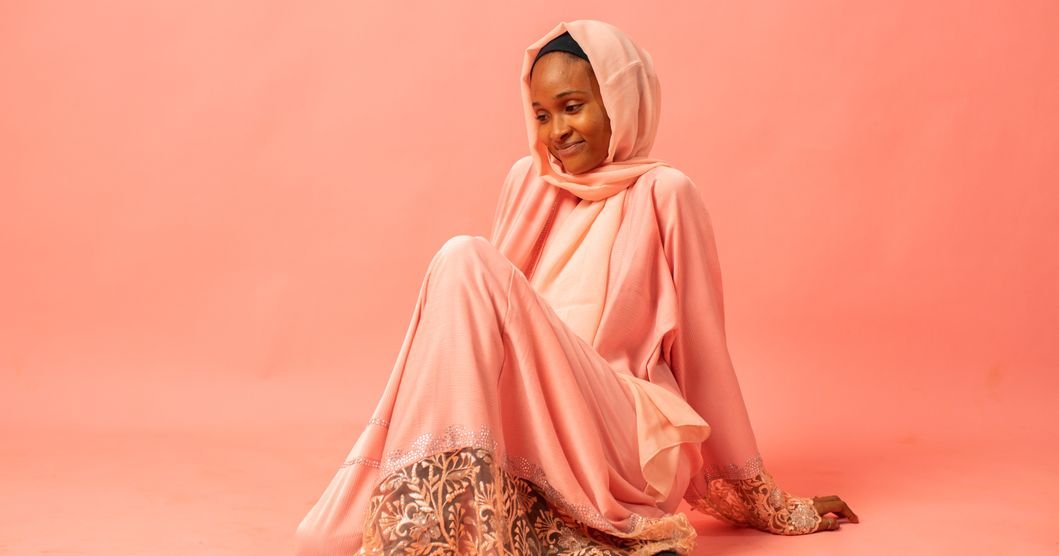
Photo by Ila Bappa Ibrahim on Pexels · Source
Modest Fashion in the GCC: A Cultural Renaissance and Style Evolution
The world of fashion is diverse and ever-evolving, with various styles and trends emerging across different regions. In the GCC, modest fashion has become an integral part of the cultural and social landscape, with many individuals embracing this style as a way to express their identity and values. With its rich cultural heritage and modern twist, modest fashion in the GCC is a unique and fascinating realm that captures the imagination of designers, stylists, and fashion enthusiasts worldwide.
At Hoora Abaya, we believe that elegance and modesty are timeless companions. Located at the heart of the United Arab Emirates, our brand is continuously inspired by the vibrant tapestry of the Gulf region—where ancient traditions meet cutting-edge contemporary design. Modest dressing here is never a compromise; rather, it is a celebration of grace, sophistication, and individuality.
Introduction to Modest Fashion
Modest fashion refers to a style of dressing that emphasizes modesty and humility, often characterized by loose-fitting clothing and minimal exposure of skin. This style of fashion is not limited to any particular culture or region, but has become particularly popular in the GCC, where it is deeply rooted in Islamic values and traditions. Modest fashion is all about striking a balance between style and modesty, allowing individuals to express their personal taste while remaining respectful of cultural and social norms.
In recent years, modest fashion has gained significant recognition and acceptance globally, with many designers and brands incorporating modest elements into their collections. This shift towards modest fashion has been driven by the growing demand for clothing that is both stylish and respectful of cultural and religious values. As a result, modest fashion has become a major player in the global fashion industry, with the GCC at the forefront of this trend.
The modern consumer in Dubai, Abu Dhabi, Riyadh, Doha, and across the wider Gulf region is discerning, fashion-forward, and deeply appreciative of craftsmanship. They seek garments that transition seamlessly from a daytime board meeting to an evening family gathering, all while upholding the principles of modest attire. This has elevated the humble abaya into a high-fashion canvas, featuring avant-garde cuts, exquisite embroidery, and innovative fabric manipulations.
Understanding GCC Fashion Trends
The GCC fashion scene is known for its unique blend of traditional and modern elements, with modest fashion being a key aspect of this style. GCC fashion trends are characterized by a mix of elegant and sophisticated designs, often featuring intricate patterns and embellishments. The region's fashion scene is also influenced by its rich cultural heritage, with many designers drawing inspiration from traditional Arabic and Islamic motifs.
One of the defining features of GCC fashion trends is the emphasis on high-quality fabrics and attention to detail. From luxurious abayas to intricately designed accessories, GCC fashion is all about creating a sense of opulence and sophistication. Whether it's a formal occasion or a casual gathering, GCC fashion trends offer a wide range of stylish and modest options for individuals to choose from.
The Rise of Contemporary Silhouettes
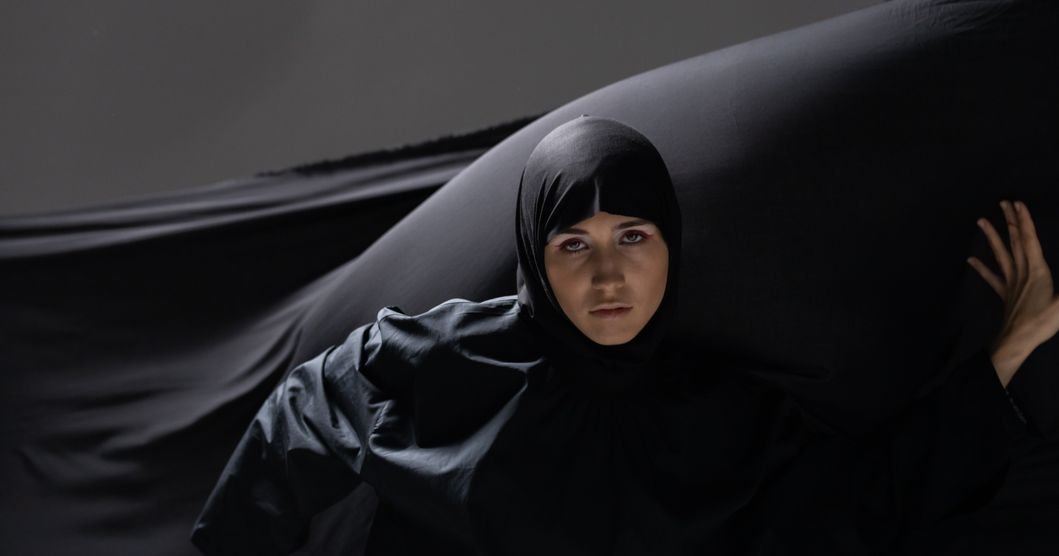
While the traditional straight-cut black abaya remains a timeless staple in every GCC wardrobe, contemporary trends have introduced breathtaking variations. Today, fashion enthusiasts in the Emirates and beyond are experimenting with:
- A-Line and Flared Cuts: Offering effortless movement and a dramatic, regal silhouette.
- Kimono-Style Abayas: Perfect for layering over western-inspired outfits or chic slip dresses.
- Cape and Poncho Overlays: Adding structural dimension and modern flair to formal evening wear.
- Belted Abayas: Accentuating the waist while maintaining the required modest drape.
The Luxury of Choice: Fabric Details at Hoora Abaya
When curating a luxury modest wardrobe, understanding fabrics is paramount. The extreme climate of the GCC—characterized by scorching summers and mild, breezy winters—demands textiles that are both breathable and luxurious. At Hoora Abaya, we source only the finest materials from around the globe to ensure maximum comfort without sacrificing visual opulence.
Nida Fabric
Widely considered the gold standard for premium abayas in the Gulf, high-grade Nida is renowned for its silky smoothness, durability, and opaque finish. It drapes beautifully, resists wrinkling, and keeps the wearer cool during warm GCC afternoons.
Crepe and Chiffon
Crepe offers a lovely texture and a slightly heavier drape, making it ideal for structured formal abayas. Chiffon and georgette, on the other hand, are often utilized for overlays, sleeves, and summer-friendly open abayas, providing an ethereal, lightweight movement.
Organza and Satin Accents
For special occasions, subtle touches of organza add crisp volume to cuffs and hems, while satin piping introduces a lustrous contrast against matte crepe fabrics.
Choosing the Right Abaya
When it comes to choosing the right abaya, there are several factors to consider, including the occasion, personal style, and cultural norms. Abayas come in a variety of styles, from simple and elegant to elaborate and embellished, making it important to select one that suits the individual's taste and preferences. In the GCC, abayas are a staple of modest fashion, with many women wearing them as a symbol of cultural and religious identity.
To choose the right abaya, individuals should consider the fabric, color, and design. For example, a lightweight abaya in a neutral color may be suitable for everyday wear, while a more elaborate abaya in a bold color may be reserved for special occasions. Ultimately, the right abaya is one that makes the individual feel confident and comfortable, while also respecting cultural and social norms.
Style and Occasion Guide
To assist you in navigating your wardrobe choices across the GCC social calendar, consider the following breakdown:
- Everyday Casual: Opt for lightweight Nida or linen-blend abayas in neutral tones such as beige, taupe, soft grey, or classic black. Minimalist detailing ensures effortless daytime elegance.
- Workplace Professional: Structured open-front abayas paired with tailored trousers or modest midi dresses project authority and refined taste. Stick to solid, muted palettes.
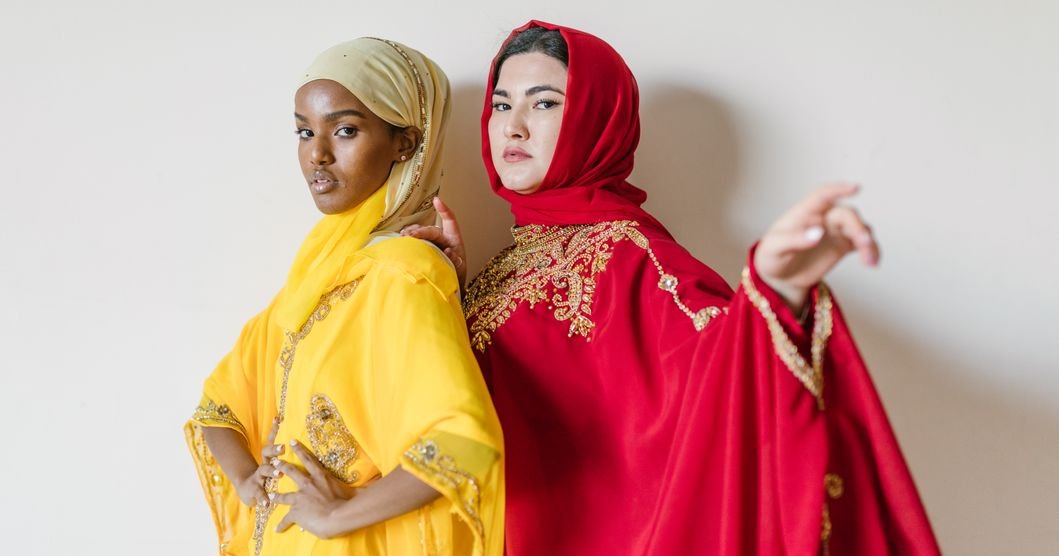
- Festive & Eid Celebrations: Embrace rich jewel tones—emerald green, royal sapphire, deep maroon, and warm gold—adorned with delicate thread embroidery, hand-sewn beadwork, or subtle metallic shimmer.
- Evening Galas & Weddings: Make a statement with heavily embellished statement abayas featuring cascading crystals, metallic brocade, or dramatic train details.
Accessories for Modest Fashion
Accessories play a crucial role in modest fashion, adding a touch of elegance and sophistication to an outfit. In the GCC, accessories such as hijabs, scarves, and jewelry are popular among individuals who embrace modest fashion. These accessories not only add a decorative element to an outfit but also help to complete the overall look and feel of modest fashion.
When it comes to choosing accessories for modest fashion, individuals should consider the overall aesthetic they want to achieve. For example, a simple hijab in a neutral color may be paired with a bold piece of jewelry, while a more elaborate scarf may be worn with a pair of elegant earrings. Ultimately, the key to accessorizing modest fashion is to strike a balance between style and modesty, ensuring that the overall look is respectful of cultural and social norms.
In addition to hijabs and scarves, other accessories such as handbags and shoes can also be used to enhance the overall look of modest fashion. By choosing accessories that complement the outfit and respect cultural and social norms, individuals can create a stylish and modest look that is both elegant and sophisticated.
Styling Tips from the Hoora Abaya Studio
- Harmonize Your Hijab: If your abaya features intricate embroidery or bold patterns, select a complementary monochrome hijab in silk or jersey to let the garment shine. Conversely, a heavily embellished shawl can elevate a simple, minimalist abaya.
- Footwear Choices: In the GCC, footwear is a statement in itself. Pair your flowing open abayas with pointed-toe leather pumps, embellished mules, or elegant block heels to maintain a graceful posture.
- Statement Handbags: Balance the sweeping lines of a floor-length abaya with a structured top-handle bag or a sleek clutch for evening events.
Caring for Your Luxury Abaya
To ensure your abaya remains in excellent condition, it's essential to follow proper care and maintenance routines. Luxury garments crafted from delicate fabrics and featuring intricate embellishments require specialized attention. This includes checking the care label for specific washing instructions, as many high-end abayas require dry cleaning or gentle hand washing.
Regular cleaning can help prevent the buildup of dirt and stains, which can damage the fabric over time. Additionally, storing your abaya in a cool, dry place can help prevent wrinkles and creases. Using padded hangers will help preserve the shoulders and silhouette of structured designs.
It's also important to avoid exposing your abaya to direct sunlight for extended periods, as this can cause fading or discoloration—particularly for deep black and vibrant jewel-toned fabrics. By following these simple care tips, you can help extend the lifespan of your abaya and keep it looking pristine.
Proper care and maintenance can also help preserve the quality and texture of the fabric, ensuring your abaya remains comfortable and stylish for years to come, maintaining that brand-new luxury feel every time you step out.
Modest Fashion for Different Occasions in the GCC
Modest fashion in the GCC is incredibly versatile, with a wide range of styles and designs suitable for various occasions. From everyday wear to special events, there's an abaya to suit every need and preference. The dynamic social calendar of the Gulf region—ranging from traditional majlis gatherings and family iftars during Ramadan to international art galas and corporate functions—requires a versatile wardrobe.
For casual, daily wear, a simple yet elegant abaya in a neutral color is often a popular choice. For more formal events, such as weddings or Eid celebrations, a more elaborate and decorative abaya may be preferred.
When choosing an abaya for a specific occasion, consider the dress code, the time of day, and the level of formality required. This will help you select an abaya that's both stylish and appropriate for the event.
- Consider the dress code and level of formality required for the venue or gathering.
- Choose an abaya that complements the occasion and your personal style identity.
- Don't be afraid to experiment with different colors, fabrics, and modern designs to stand out tastefully.
Conclusion: Elevating Your Modest Fashion Style with Hoora Abaya
Elevating your modest fashion style in the GCC is all about finding the perfect balance between comfort, elegance, and personal expression. By exploring different styles, fabrics, and designs, you can create a unique and stylish wardrobe that reflects your individuality and cultural pride.
Remember to stay true to your personal taste and preferences, and don't be afraid to try new things and experiment with different looks. With a little creativity and flair, you can take your modest fashion style to the next level and make a lasting impression wherever you go.
Whether you're attending a formal event in Dubai, dining in Riyadh, or simply running daily errands, your abaya is a reflection of your personality and style. By choosing high-quality, well-designed abayas from Hoora Abaya and accessorizing with confidence, you can elevate your modest fashion style and make an unforgettable statement.
With its rich cultural heritage and vibrant fashion scene, the GCC is the perfect place to explore and express your modest fashion style. So why not explore our latest collection today and discover a whole new world of stylish, luxurious, and elegant abayas crafted exclusively for the modern modest woman?
Frequently Asked Questions
What is modest fashion?
Modest fashion refers to a style of dressing that prioritises humility and reserve, often characterised by loose-fitting clothing and minimal exposure of skin. It is a popular choice for many women in the GCC. Modest fashion encompasses a wide range of styles, interpretations, and modern luxury designs.
How do I choose the right abaya?
When choosing an abaya, consider factors such as the occasion, your personal style, and the level of modesty you prefer. Look for high-quality fabrics like Nida or premium crepe and a comfortable fit suitable for the GCC climate. You may also want to consider the colour and design to ensure it complements your existing wardrobe.
Can I wear modest fashion to formal events?
Yes, modest fashion can be perfectly suited to formal events. Look for abayas made from luxurious fabrics such as silk, velvet, or heavily embellished crepe, and consider adding elegant accessories such as statement jewellery or a designer scarf. You can also experiment with rich jewel tones and intricate embroidery to create a unique and sophisticated look.
How do I care for my abaya?
To care for your abaya, follow the specific washing instructions provided on the garment label. Generally, it is recommended to dry clean or gently hand wash luxury abayas to preserve delicate fabrics and intricate embroidery. Avoid wringing or twisting the fabric, and store your abayas on padded hangers in a cool, dry place away from direct sunlight.
Is modest fashion only for Muslim women?
No, modest fashion is not exclusive to Muslim women. Women from a variety of cultural and religious backgrounds choose to dress modestly for a range of reasons, including personal preference, comfort, cultural tradition, and sophisticated stylistic expression. Modest fashion is a diverse, inclusive global movement that can be embraced by anyone.