Abaya UAE Culture: Tradition Meets Modern Style
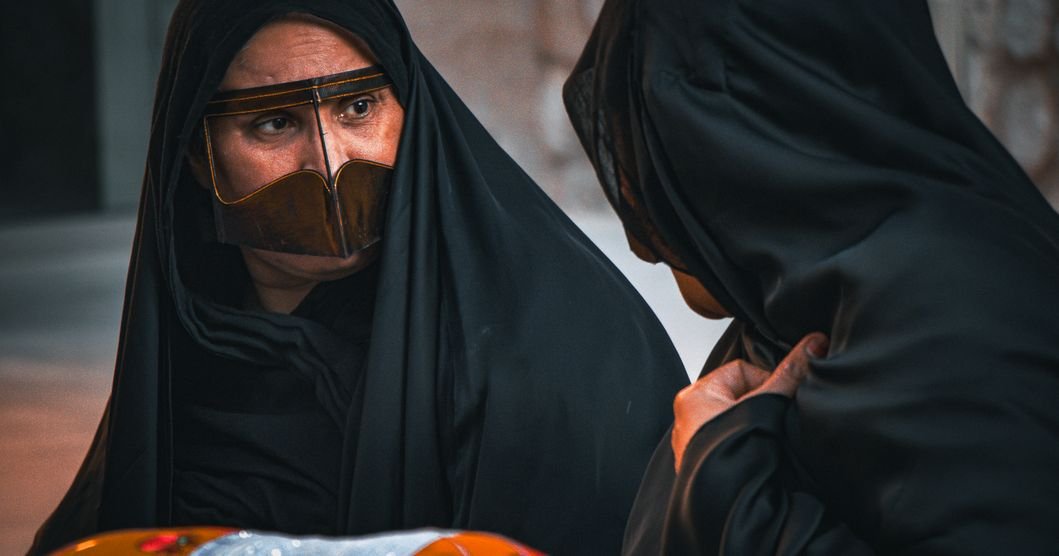
Photo by Omzi 📸 on Pexels · Source
The abaya has long been a visual narrative of the United Arab Emirates, weaving together heritage, modesty and evolving style. From the desert caravans of the early 20th century to today’s runway‑ready silhouettes, the garment remains a cornerstone of Emirati identity.
The Historical Roots of the Abaya in the UAE
Historically, the abaya emerged as a practical response to the harsh desert climate, offering protection from sand and sun while adhering to the modest dress code prescribed by Islamic tradition. Early versions were simple, loose‑fitting cloaks made from undyed wool or coarse cotton, often hand‑stitched by women within their families. As trade routes expanded, influences from neighbouring Gulf states introduced subtle variations in cut and ornamentation, yet the core purpose of the garment remained unchanged.
By the mid‑1900s, the discovery of oil and the subsequent urbanisation of the Emirates brought new fabrics and tailoring techniques. Women began to incorporate richer colours and modest decorative elements, signalling both personal expression and the nation’s growing prosperity. The abaya thus transitioned from a purely utilitarian garment to a cultural emblem, reflecting the UAE’s journey from a collection of fishing villages to a global hub.
Even today, the historical silhouette—a floor‑length, full‑coverage robe—continues to anchor contemporary designs, reminding wearers of the garment’s enduring legacy.
Cultural Significance and Social Etiquette
In Emirati society, the abaya is more than clothing; it is a visual language of respect, modesty and communal belonging. Wearing an abaya in public spaces such as malls, offices or religious sites signals adherence to social norms and a shared cultural identity. The garment also plays a role in gender dynamics, offering women a sense of privacy while navigating public life.
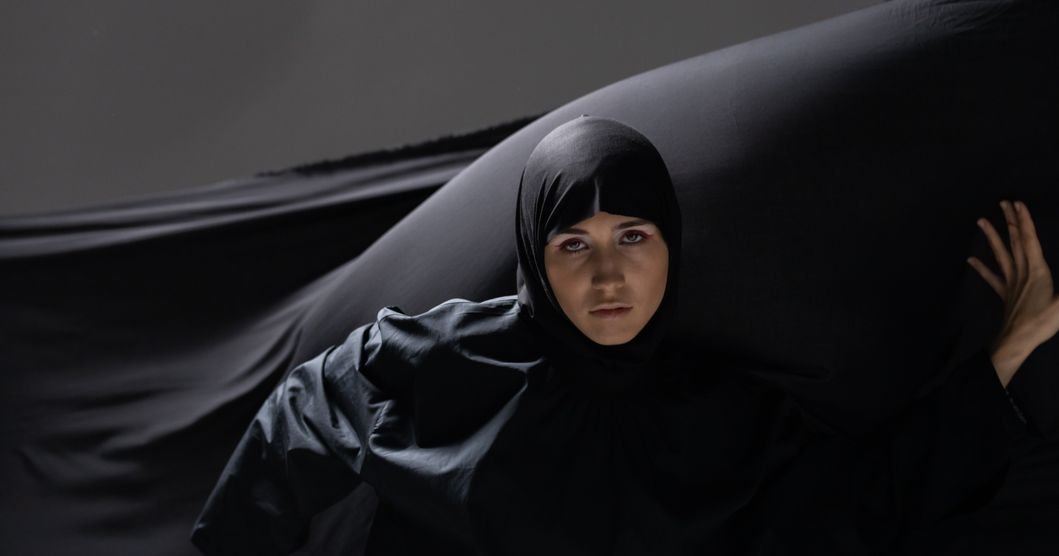
Etiquette surrounding the abaya is nuanced. For formal occasions, women often choose darker shades—most commonly black—as a sign of elegance and reverence. During festive events like Eid or weddings, subtle embellishments such as delicate embroidery or modest sequins are acceptable, provided they do not overpower the garment’s modest intent. It is customary to pair the abaya with a matching hijab, and the coordination of colours and textures is considered a mark of personal taste.
Family gatherings also highlight the abaya’s role in inter‑generational dialogue. Elder women may pass down cherished pieces, each bearing stories of past celebrations, thereby reinforcing familial bonds and cultural continuity.
Materials and Craftsmanship Through the Ages
From its inception, the abaya has reflected the materials available to Emirati artisans. Early garments relied on locally sourced wool and hand‑woven cotton, prized for their breathability and durability in the desert heat. As global trade expanded, silk, chiffon and fine crepe entered the market, allowing for lighter, more fluid silhouettes while retaining modest coverage.
| Era | Typical Fabric | Key Characteristics |
|---|---|---|
| Pre‑oil (early 1900s) | Undyed wool, coarse cotton | Heavy, protective, hand‑stitched seams |
| Mid‑20th century | Silk blends, lightweight crepe | More fluid drape, subtle sheen, introduced decorative trims |
| Contemporary (2020s) | Jersey, modal, sustainable fibres | Stretch for comfort, eco‑friendly, often laser‑cut detailing |
Craftsmanship has evolved alongside these material shifts. Traditional hand‑embroidery, known as ‘tatreez’, once performed on simple cotton, now adorns premium fabrics with intricate geometric patterns that echo Emirati architecture. Modern production also embraces digital printing, enabling precise, repeatable motifs while preserving the hand‑crafted aesthetic through mixed‑media techniques.
Modern Designers Redefining the Classic Abaya
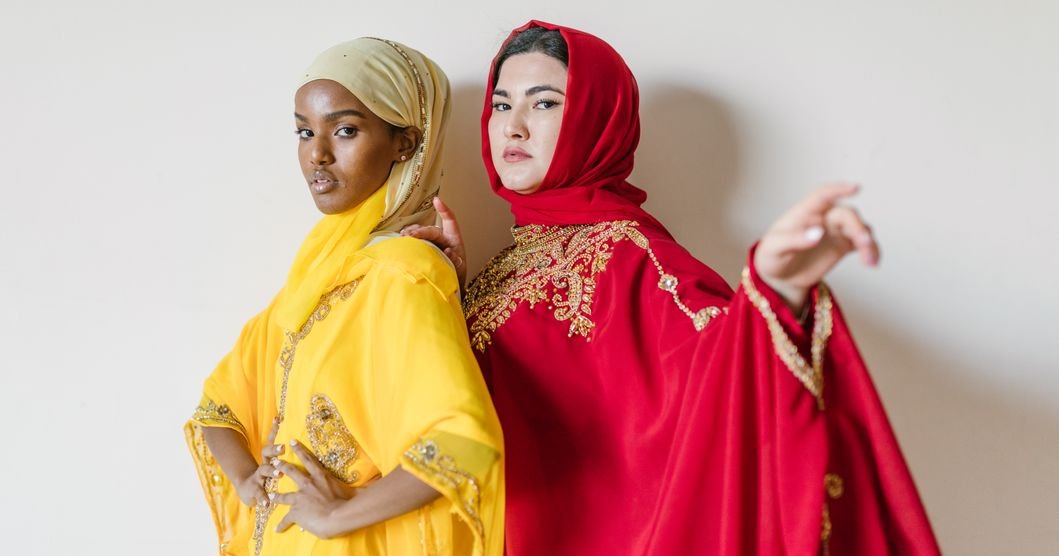
Today’s Emirati designers view the abaya as a canvas for innovation, merging heritage with global fashion trends. By experimenting with asymmetrical cuts, layered silhouettes and unexpected colour palettes, they challenge the perception that modest wear must be uniform. Many collections feature detachable sleeves, hidden pockets and subtle cut‑outs that maintain modesty while offering practicality for the modern woman.
Collaborations with international textile innovators have introduced performance fabrics that resist wrinkles and regulate temperature, making the abaya suitable for both boardroom meetings and desert outings. Sustainable sourcing is also a growing priority; designers increasingly select recycled fibres and support local artisans, ensuring that each piece contributes to a responsible fashion ecosystem.
Runway shows across Dubai, Abu Dhabi and Doha showcase these reinterpretations, highlighting how the abaya can be both a cultural touchstone and a forward‑looking statement. The result is a vibrant dialogue between tradition and contemporary style, inviting wearers to celebrate their heritage while embracing the possibilities of modern fashion.
Everyday Styling: From Traditional to Trendy
In the bustling streets of Dubai and the quieter lanes of Al Ain, the abaya remains the cornerstone of daily attire, yet its expression has broadened dramatically over the past decade. A classic black, floor‑length silhouette still dominates formal occasions, but many women now opt for lighter fabrics such as chiffon or jersey for work‑day comfort. Subtle details—embroidery along the cuffs, a delicately patterned yoke, or a concealed zip—allow the wearer to honour tradition while embracing personal flair.
Colour has also stepped out of the shadows. Soft pastels, muted earth tones and even occasional jewel hues appear in boutique collections, offering a quiet rebellion against the notion that modest dress must be monochrome. Layering has become a favourite technique: a sheer, embroidered cape over a simple black abaya creates depth without compromising modesty. Footwear follows suit, with sleek loafers, embellished sandals and modest heels completing the look.
For those seeking a quick guide, the following checklist helps transition from a purely traditional ensemble to a contemporary, street‑ready outfit:
- Choose a breathable fabric for daytime wear (e.g., jersey or lightweight crepe).
- Add a subtle accent—embroidery, a contrasting collar, or a decorative belt.
- Introduce a muted colour or pastel shade as a base.
- Layer with a sheer, embroidered cape or long vest for visual interest.
- Finish with modest yet stylish footwear such as low‑heeled loafers.
Influence of Global Modest Fashion Trends in the UAE
The UAE’s position as a cultural crossroads means that global modest fashion currents flow into its markets with remarkable speed. Designers from Istanbul, Kuala Lumpur and London have showcased collections that blend modest silhouettes with avant‑garde detailing, and these influences are now evident on the streets of Abu Dhabi. Structured tailoring, reminiscent of Western suiting, appears in abayas that feature sharp lapels and tailored seams, offering a sleek, power‑dressing aesthetic for professional women.
Meanwhile, the rise of sustainable fashion has encouraged local brands to experiment with eco‑friendly fabrics such as organic cotton, Tencel and recycled polyester. These materials not only align with global environmental concerns but also provide a softer drape, enhancing comfort in the region’s warm climate. Digital platforms play a pivotal role: Instagram reels and TikTok showcases allow designers to demonstrate how a single abaya can be transformed with interchangeable accessories—belts, brooches, or detachable sleeves—mirroring the modular approach popularised by modest fashion influencers worldwide.
In essence, the UAE absorbs these trends, reinterpreting them through a lens of cultural reverence, resulting in a uniquely hybrid style that respects heritage while remaining undeniably contemporary.
Verdict: The Abaya’s Evolving Role in UAE Culture
Today’s abaya is no longer a static garment confined to ceremonial use; it has become a dynamic canvas for self‑expression, social dialogue and artistic innovation. While the core values of modesty and respect remain intact, the garment now reflects the aspirations of a generation that balances tradition with a global outlook. In workplaces, the abaya serves as a professional uniform that can be tailored to convey authority, whereas in social settings it morphs into a statement piece through bold prints, intricate beadwork or contemporary cuts.
Community events and cultural festivals showcase this evolution vividly. Young designers present runway collections that juxtapose heritage motifs—such as geometric patterns inspired by Emirati architecture—with modern construction techniques, signalling a dialogue between past and present. Moreover, the rise of modest‑fashion influencers has democratised style advice, encouraging women to experiment with layering, colour blocking and accessory play without compromising cultural norms.
Ultimately, the abaya’s journey in the UAE illustrates a broader societal narrative: a respect for enduring customs intertwined with an eagerness to engage with the world’s ever‑changing fashion landscape. As the garment continues to adapt, it will remain a powerful emblem of identity, creativity and cultural continuity.
Frequently Asked Questions
Why is the abaya considered a cultural symbol in the UAE?
The abaya reflects the UAE's heritage, modesty values and communal identity, serving as a visual link to tradition in daily life.
How have modern UAE designers updated the traditional abaya?
They experiment with new fabrics, cuts, and embellishments while preserving modest silhouettes, creating pieces that suit contemporary tastes.
Can abayas be worn for both formal and casual occasions?
Yes, designers offer a range from richly embroidered evening abayas to simple, lightweight versions suitable for everyday wear.
What role does the abaya play in UAE social etiquette?
Wearing an abaya aligns with local expectations of modest dress, showing respect in public spaces and during cultural events.
How does the UAE’s modest fashion scene influence global trends?
UAE designers showcase innovative modest styles at international fashion weeks, inspiring designers worldwide to incorporate modest aesthetics.