Why Sustainable Abaya Fashion Matters in Modern UAE Style

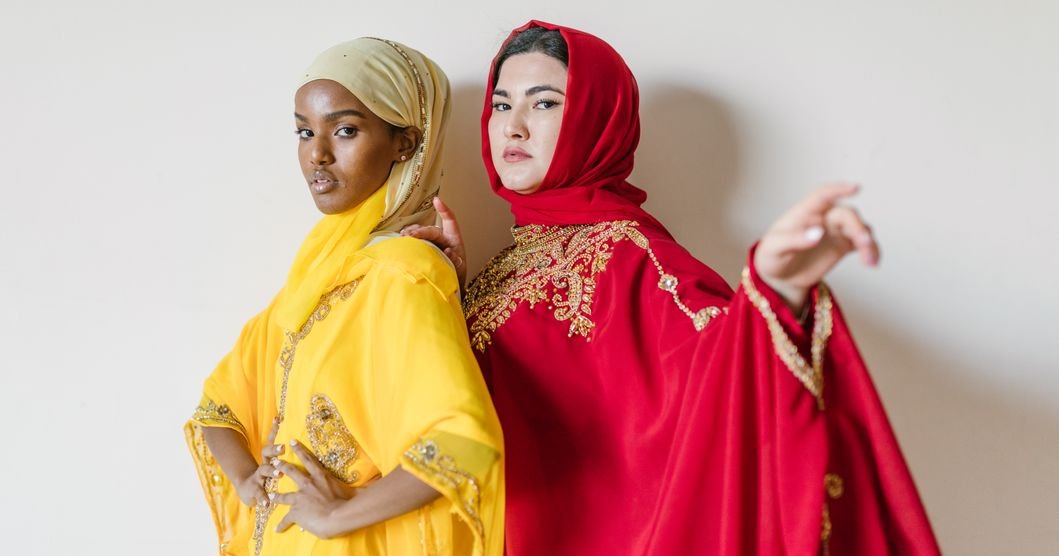
Photo by King Shooter on Pexels · Source
In the fast‑moving world of UAE fashion, the abaya has evolved from a traditional garment to a canvas for contemporary expression. As consumers become more conscious of their environmental impact, the demand for sustainable abaya fashion is reshaping design studios and retail floors across the Emirates.
The Rise of Sustainable Abaya Fashion in the UAE
Over the past few years, the UAE has witnessed a noticeable shift towards eco‑friendly clothing, and the abaya market is no exception. Designers are increasingly sourcing organic fibres, adopting low‑impact dyeing techniques, and promoting circularity through take‑back schemes. This momentum is driven by a combination of government initiatives encouraging greener production, a youthful demographic eager to align style with values, and the growing visibility of modest fashion on global runways. Retailers now showcase dedicated “sustainable” sections, and social media influencers regularly highlight brands that prioritise transparency and ethical sourcing. As a result, sustainable abaya fashion has moved from niche to mainstream, influencing everything from boutique collections to large‑scale department store offerings.
Consumers are also demanding traceability, wanting to know the story behind each stitch. In response, many UAE brands publish detailed material passports, outlining everything from fibre origin to water usage. This openness not only builds trust but also educates shoppers about the tangible benefits of choosing greener options.
Environmental Benefits of Eco‑Friendly Fabrics
Choosing eco‑friendly fabrics for abayas can dramatically reduce the fashion industry's carbon footprint. Natural fibres such as organic cotton and linen require less synthetic pesticide use, while regenerated fibres like Tencel are produced in closed‑loop processes that recycle water and solvents. These materials typically emit fewer greenhouse gases during cultivation and manufacturing, contributing to lower overall emissions. Moreover, many sustainable textiles are biodegradable, meaning they return to the earth without leaving persistent micro‑plastic residues that threaten marine ecosystems.
Beyond carbon considerations, eco‑friendly fabrics often demand less water. For instance, hemp cultivation can thrive on rain‑fed conditions, dramatically cutting irrigation needs compared to conventional cotton. Reduced water consumption eases pressure on the region’s scarce freshwater resources, a critical concern for the arid climate of the UAE. Additionally, low‑impact dyeing methods—such as natural plant‑based dyes or digital printing—minimise chemical runoff, protecting both soil health and local waterways.
Collectively, these environmental advantages align with the UAE’s broader sustainability goals, supporting a fashion ecosystem that respects both cultural heritage and planetary limits.
Traditional Craftsmanship Meets Modern Sustainability
The art of abaya making has long been rooted in skilled handwork, intricate embroidery, and the careful selection of premium fabrics. Modern sustainability initiatives are now enhancing, rather than replacing, this heritage. Artisans are incorporating recycled yarns into traditional patterns, allowing age‑old techniques to flourish with a greener twist. This synergy preserves cultural identity while reducing waste, as leftover threads are repurposed into decorative trims or new garments.
Furthermore, many workshops are adopting energy‑efficient lighting and solar‑powered equipment, cutting the carbon intensity of the production process. By integrating digital design tools, designers can prototype patterns virtually, minimising the need for physical samples that often end up discarded. These innovations honour the meticulous craftsmanship that defines the abaya, while ensuring that each piece leaves a lighter environmental imprint.
Consumers increasingly appreciate this blend of authenticity and responsibility. When an abaya tells a story of hand‑woven heritage alongside a commitment to sustainability, it resonates deeply with buyers seeking meaning beyond aesthetics.
Key Materials and Processes for Green Abayas
Creating a sustainable abaya involves thoughtful selection of fibres, dyes, and finishing techniques. Below is a concise comparison of three popular eco‑friendly materials, highlighting their environmental profiles and typical applications in modest fashion.
| Material | Environmental Highlights | Typical Use in Abayas |
|---|---|---|
| Organic Cotton | Grown without synthetic pesticides; lower water usage when rain‑fed; biodegradable. | Lightweight, breathable layers for everyday wear. |
| Tencel (Lyocell) | Closed‑loop production recycles 99% of solvents; uses sustainably sourced wood pulp; soft and durable. | Elegant drape for evening abayas with a silky feel. |
| Recycled Polyester | Diverts plastic waste from landfill; reduces reliance on virgin petroleum; lower energy consumption. | Structured silhouettes and modest outerwear. |
Beyond material choice, the manufacturing process plays a pivotal role. Low‑temperature, water‑less finishing methods preserve fibre integrity while cutting energy demand. Digital printing replaces large‑scale screen setups, reducing water and chemical waste. Additionally, many brands now implement take‑back programmes, encouraging customers to return worn abayas for up‑cycling or responsible recycling, thereby extending the garment’s lifecycle.
By combining responsibly sourced fabrics with innovative, low‑impact processes, designers can deliver abayas that honour tradition, meet modern style expectations, and contribute positively to the planet.
Consumer Demand: Why Shoppers Choose Sustainable Options
Across the UAE, a growing cohort of fashion‑savvy consumers is placing sustainability at the forefront of their purchasing decisions. Modern shoppers are increasingly aware of the environmental impact of fast‑fashion cycles and are seeking garments that reflect both their cultural values and ecological conscience. In the abaya market, this translates to a preference for fabrics that are responsibly sourced, production methods that minimise waste, and transparent supply chains that assure ethical labour practices.
Social media platforms and local influencers play a pivotal role in shaping these preferences, regularly highlighting the stories behind garments and championing brands that champion eco‑friendly initiatives. Moreover, the rise of conscious consumerism is evident in the way shoppers are willing to invest in timeless pieces that offer durability and versatility, rather than fleeting trends. This shift is not merely a fleeting trend; it mirrors a broader societal movement towards sustainability that aligns with the UAE’s Vision 2030 goals of environmental stewardship and responsible consumption.
Consequently, retailers that embed sustainability into their core offering are seeing heightened brand loyalty, repeat purchases, and word‑of‑mouth referrals, reinforcing the commercial viability of green abaya fashion.
How Brands Are Implementing Circular Practices
Forward‑thinking abaya designers are adopting circular economy principles to extend the lifecycle of their products and reduce landfill waste. By integrating design for durability, they create garments that withstand multiple seasons, encouraging customers to keep and cherish each piece. Many brands now offer take‑back schemes, inviting clients to return worn abayas for professional refurbishment or up‑cycling into new styles, thereby closing the loop on material use.
- Use of recycled fibres such as reclaimed polyester and regenerated cotton blends.
- Modular construction that allows individual components—sleeves, trims, or embellishments—to be replaced without discarding the entire garment.
- Partnerships with local artisans for hand‑crafted repairs, extending product longevity.
- Transparent tracking systems that inform customers of a garment’s carbon footprint from fibre to finished abaya.
These initiatives are supported by advances in textile technology, including low‑impact dyeing processes that consume less water and energy. By embedding circularity into every stage—from design and sourcing to post‑sale services—brands not only reduce environmental impact but also cultivate a sense of shared responsibility with their clientele.
Verdict: The Future of Sustainable Abaya Fashion
The trajectory of sustainable abaya fashion in the UAE points towards a harmonious blend of tradition, style, and environmental stewardship. As consumer expectations evolve, brands that prioritise eco‑friendly materials, ethical manufacturing, and circular business models will likely dominate the market. This shift is reinforced by governmental incentives encouraging green production and by educational campaigns that raise awareness about the benefits of responsible consumption.
Looking ahead, we can anticipate a rise in collaborative collections that merge heritage craftsmanship with innovative, low‑impact technologies. Such collaborations will not only preserve cultural identity but also showcase the versatility of sustainable fabrics in creating elegant, modest silhouettes. Additionally, digital platforms will play an increasingly important role, offering virtual try‑ons and detailed sustainability dashboards that empower shoppers to make informed choices.
In essence, sustainable abaya fashion is poised to become the new benchmark for modern UAE style—where elegance meets ethics, and every garment tells a story of mindful creation.
Frequently Asked Questions
What makes an abaya sustainable?
A sustainable abaya is crafted from eco‑friendly fibres, uses low‑impact dyes, and follows ethical production practices that minimise waste.
Are sustainable abayas more expensive?
Prices can vary; while some eco‑materials cost more, many brands balance cost with durability and timeless design, offering good value over time.
How can I tell if an abaya is truly sustainable?
Look for transparent supply‑chain information, certifications for organic or recycled fibres, and details about waste‑reduction initiatives.
Do sustainable abayas compromise on style?
No—UAE designers blend traditional silhouettes with contemporary trends, ensuring sustainable pieces are both modest and fashion‑forward.
What steps can I take to extend the life of my abaya?
Gentle washing, proper storage, and occasional repairs help maintain colour, shape and longevity, reducing the need for frequent replacements.