How to Wash an Abaya Safely: Preserve Embroidery & Beads
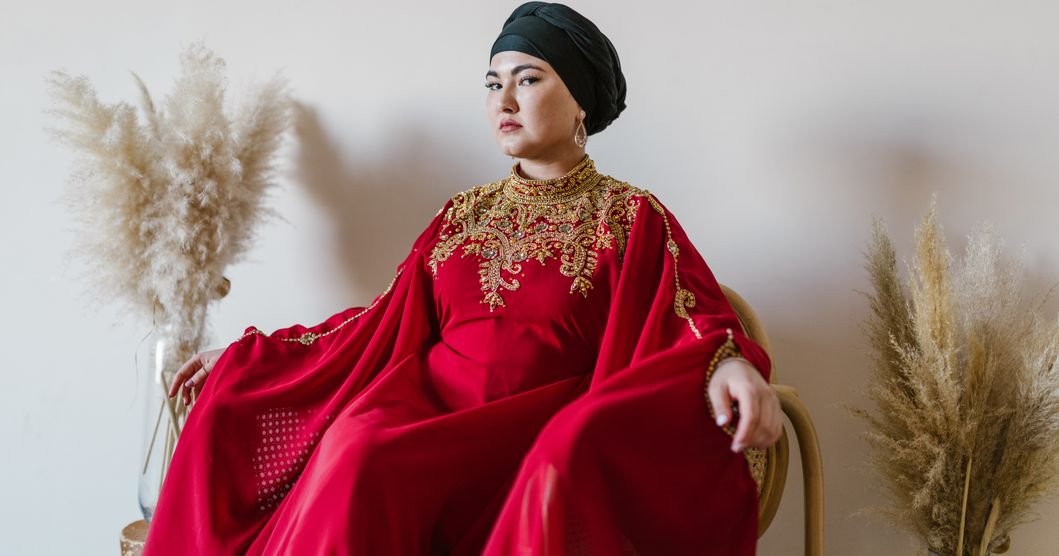
Photo by RDNE Stock project on Pexels · Source
Keeping an abaya looking pristine requires a gentle touch, especially when delicate embroidery or beadwork is involved. Below, Hoorain Abaya shares a step‑by‑step guide that respects the craftsmanship of each piece while fitting seamlessly into a modern, modest‑fashion lifestyle.
Understanding Fabric Types and Their Care Needs
Most abayas are crafted from silk, chiffon, crepe, or polyester‑blend fabrics, each possessing a unique relationship with water and temperature. Silk and chiffon, for example, are highly breathable but can lose their sheen if exposed to harsh agitation, while polyester blends tend to be more resilient yet may trap heat during drying.
When a fabric is saturated, fibres swell; this can loosen stitched embroidery or cause beads to shift. Heat, whether from a tumble dryer or an iron, can also weaken the adhesive that holds sequins in place, leading to premature loss of sparkle.
Always start by consulting the care label – it is the manufacturer’s most reliable guide. Look for symbols indicating “hand wash only”, “cold wash”, or “do not tumble dry”. If the label is missing, treat the material as delicate and err on the side of caution.
- Silk and chiffon: cold water, gentle hand wash.
- Crepe: lukewarm water, mild detergent.
- Polyester blends: cold machine cycle, mesh bag.
- Embellished sections: extra protection, see next section.
Pre‑wash Preparations: Inspecting and Securing Embellishments
Before any water touches the fabric, conduct a thorough visual inspection. Look for loose threads, dangling beads, or embroidery that has begun to fray. These weak points are prone to catching on other garments or the washing drum, which can cause tears.
Secure delicate elements with a few tiny stitches using a matching thread, or gently press a piece of clear, breathable tape over particularly vulnerable beads. This temporary reinforcement prevents movement during agitation without leaving a visible mark.
Perform a colour‑fastness test on an inconspicuous area by dabbing a damp white cloth. If colour transfers, the fabric may bleed and affect surrounding embroidery; in such cases, a specialised colour‑catching sheet is advisable.
- Gather a soft lint‑roller to remove surface dust.
- Place the abaya inside a large, breathable mesh laundry bag.
- Mark any areas that need extra attention with a small, removable pin.
- Keep a record of the embellishment type for future reference.
Choosing the Right Detergent and Additives
Opt for a mild, liquid detergent that is free from enzymes and bleach; these ingredients can erode delicate fibres and dull the luster of beads. A detergent formulated for silk or wool is often an ideal compromise, offering sufficient cleaning power without harsh chemicals.
| Detergent Type | Pros | Cons |
|---|---|---|
| Mild liquid (silk‑grade) | Gentle on fibres, easy rinsing | May require a longer soak |
| Enzyme‑free powder | Good for heavy soil, low suds | Can leave residue on fine beads |
| Specialist modest‑fashion wash | Designed for embellishments, colour‑safe | Usually pricier, limited availability |
If you wish to soften the fabric without compromising beadwork, add a capful of a clear, non‑oil fabric softener during the final rinse. Avoid fabric conditioners that contain silicone, as they can create a slippery film that reduces the grip of sequins.
- Never use chlorine bleach; it weakens threads.
- Oxygen‑based stain removers are safe for occasional spots.
- Use the smallest effective dose of detergent to minimise residue.
Hand‑Wash vs Machine Wash: Which Is Safer?
Hand‑washing remains the gold standard for abayas with intricate embroidery or heavy beadwork. Submerge the garment in a basin of lukewarm water, gently agitate with your fingertips, and allow it to soak for no more than ten minutes. This method gives you full control over movement, reducing the risk of snagging.
When a machine wash is unavoidable, select the delicate or wool cycle, set the temperature to cold, and place the abaya inside a mesh laundry bag. Ensure the drum is not overloaded – a half‑full load allows the fabric to move freely and prevents the beads from colliding with hard surfaces.
After washing, reshape the abaya on a flat, dry surface away from direct sunlight. Avoid wringing; instead, press out excess water with a clean towel. A brief, low‑heat tumble on the “air‑dry” setting can be used for polyester blends, but silk and chiffon should always be air‑dried.
- Hand‑wash for high‑value, heavily embellished pieces.
- Machine‑wash only on the gentlest cycle with a mesh bag.
- Never tumble dry on high heat.
- Store folded, not hung, to protect delicate stitching.
Drying and Ironing Without Stretching or Smudging
After the wash cycle has finished, resist the urge to wring the fabric. Even the most resilient cotton‑blend or silk‑rich abaya can lose its shape when twisted, and the tension may pull at delicate stitches.
Lay the garment flat on a clean, dry towel and roll it gently, pressing lightly to absorb excess water. This ‘rolling’ method removes moisture without stretching the hem, the sleeves or the embroidered panels that often sit just beneath the surface.
When it comes to ironing, always turn the abaya inside out and use a low‑heat setting. A cotton cloth placed between the iron and the fabric acts as a shield, preventing direct heat from scorching the beads or smudging sequins.
If the abaya contains heavy beadwork, consider using a handheld steamer instead of a traditional iron. The gentle vapour relaxes fibres without the risk of a hot plate leaving a permanent imprint, and you can glide the steam across the surface while keeping the beads free of pressure.
Finally, allow the abaya to air‑dry in a shaded area. Direct sunlight can fade delicate dyes and weaken the adhesive that holds beads in place, so a cool, well‑ventilated room is ideal.
Storing Your Clean Abaya to Preserve Its Beauty
Once the abaya is completely dry, the way you store it will determine whether the embroidery stays crisp and the beads remain intact for many seasons. Avoid cramped closets that force the garment to fold over sharp edges; instead, give it a little breathing room.
- Hang the abaya on a padded hanger to support the shoulders and prevent creasing.
- Slip it into a breathable cotton garment bag rather than a plastic sleeve.
- Store it in a dark, temperature‑stable drawer or wardrobe to protect dyes.
- Keep it away from heavy jewellery or belts that could snag the beadwork.
- Occasionally mist with a light, fabric‑friendly refresher to revive fibres.
If you anticipate wearing the abaya again within a few weeks, a light roll rather than a full fold can keep the seams from developing permanent lines. For special‑occasion pieces, consider a dedicated wardrobe box with acid‑free tissue to cushion the embroidery. Regularly inspect the stored garment for any signs of dust or loose beads, and address them before the next outing. A gentle brush with a soft lint roller can remove surface particles without tugging at the threads.
Final Verdict: Keep Your Embroidered Abaya Looking Fresh
The joy of slipping into a beautifully embroidered abaya lies not only in its silhouette but also in the story each stitch and bead tells. By treating the garment with the same care you would a piece of art, you ensure that story remains vivid season after season.
Start with a gentle hand‑wash, avoid harsh detergents, and never overload the machine – a calm cycle protects the fine threads. Follow the drying and ironing guidelines above, and you will notice that the embroidery retains its crispness and the beads stay securely anchored.
When the abaya has accumulated stubborn stains or the fabric feels fatigued, a reputable specialist who understands modest fashion can intervene without compromising the embellishments. However, most everyday wear can be maintained at home if you respect the fabric’s temperature limits and give the beads a gentle touch.
In short, a little patience during washing, mindful drying, and thoughtful storage will keep your embroidered abaya looking as fresh as the day you first fell in love with it. Treat each piece as a cherished wardrobe investment, and it will reward you with timeless elegance for years to come.
Frequently Asked Questions
Can I put my beaded abaya in the washing machine?
It is best to avoid the machine for beaded pieces, as agitation can loosen or break beads. Hand‑washing in a basin gives you control and protects the embellishments.
What temperature is safe for washing embroidered abayas?
Cold or lukewarm water (up to 30 °C) is safest; higher temperatures can cause colour fading and may weaken stitching. Always follow the care label if one is attached.
How often should I wash an abaya with delicate beadwork?
Only when it is visibly soiled or has absorbed odours; over‑washing can wear the beads and thread. Spot‑cleaning between washes helps extend its life.
Is it okay to use a fabric softener on my abaya?
Avoid fabric softeners, as they can coat fibres and make embroidery feel stiff. A gentle rinse with plain water is sufficient after washing.
What’s the best way to remove a stain without harming the embroidery?
Blot the stain gently with a damp cloth and a mild, colour‑safe stain remover, testing on an inconspicuous area first. Do not rub, as this can fray threads or dislodge beads.