How to Iron Abaya: Expert Tips for Perfect Drape
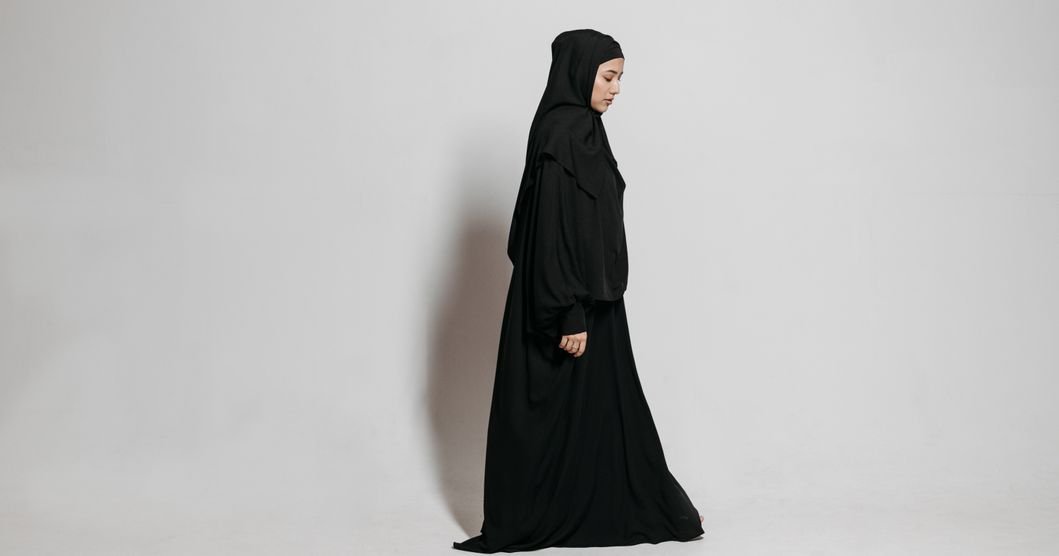
Photo by Pavel Danilyuk on Pexels · Source
An abaya’s elegance lies not only in its design but also in the way it falls. Proper ironing preserves the fluid silhouette that makes modest fashion so timeless. Follow these expert steps to keep every stitch looking runway‑ready.
Understanding Your Abaya’s Fabric
Abayas are crafted from a range of lightweight to medium‑weight fabrics, each with its own personality. Chiffon offers a whisper‑thin float, while crepe provides a subtle grain that holds shape without stiffness. Understanding these nuances is the first step toward a flawless finish.
Silk‑blended abayas respond beautifully to gentle heat, allowing the fibres to glide into a smooth line without scorching. Conversely, cotton‑rich blends tolerate higher temperatures but can develop a crisp edge if over‑pressed. Recognising whether your piece leans toward sheen or structure will guide your iron‑setting choices.
Some designers incorporate delicate embellishments—sequins, lace trims or embroidered motifs—that demand extra caution. These details can melt or snag under direct heat, so a protective cloth becomes essential. By matching the fabric’s weight and finish to the appropriate ironing approach, you preserve both drape and decorative integrity.
Polyester‑based fabrics dominate many contemporary abayas because they resist wrinkling and hold colour well. Yet they can become shiny if ironed at too high a temperature. A medium setting paired with a damp pressing cloth keeps the surface matte while still achieving a crisp line.
Preparing the Garment Before Ironing
Before you ever touch the iron, give the abaya a careful visual audit. Look for loose threads, stray beads or faint stains that could set permanently under heat. Spot‑treat any blemish with a mild fabric cleanser, then allow the area to dry completely; this prevents the iron from sealing a mark into the weave.
If the abaya has just been laundered, resist the urge to tumble‑dry on a high setting. Instead, lay it flat on a clean, dry towel and gently roll to absorb excess moisture. Once the fabric is damp‑to‑the‑touch, reshape the shoulders and hem to their original lines before proceeding.
A pressing cloth—ideally a clean cotton handkerchief or a lightweight muslin—creates a barrier between the iron’s plate and delicate fibres. This simple layer diffuses heat, curbs shine, and shields any embellishments from direct contact. Keep the cloth smooth and free of wrinkles to avoid transferring unwanted creases onto the garment.
For fabrics that tend to set quickly—such as silk blends or fine georgette—a brief pre‑steam can relax the weave without risking a scorch mark. Hold the steamer a few centimetres away, moving in smooth strokes, then allow the material to cool for a minute before laying the pressing cloth.
Setting the Right Iron Temperature
The iron’s temperature is the decisive factor that either enhances a fabric’s natural flow or ruins it. Too low, and stubborn wrinkles linger; too high, and the fibres may scorch, lose sheen or develop a permanent crease. Matching heat to the specific material ensures the abaya retains its intended drape while staying safe.
| Fabric | Recommended Iron Setting | Steam Use |
|---|---|---|
| Chiffon | Low | Light steam |
| Crepe | Medium | Moderate steam |
| Polyester blend | Medium‑Low | No steam |
A quick test on an inconspicuous seam can confirm the chosen setting. Place a folded corner of the fabric under the pressing cloth, apply the iron for just a second, and lift to observe any colour change or shine. If the surface looks glossy, lower the temperature by one notch and repeat.
Ambient humidity also plays a subtle role. In the UAE’s dry winter months, a splash of distilled water on the iron’s reservoir can generate a softer steam that prevents the fabric from becoming overly crisp. During the humid summer, reduce steam output to avoid a damp, heavy finish.
When an abaya combines two different fibres—such as a silk‑trimmed polyester body—start with the lower temperature recommended for the more delicate component. After the main panel is smooth, you can gently press the sturdier sections at a slightly higher heat, always keeping the pressing cloth in place.
Ironing Techniques for a Smooth Drape
Begin with the smallest, most structured parts of the abaya—collar, cuffs and any built‑in pleats. Iron these sections first while the garment is still slightly damp; the moisture allows the fibres to relax and hold the new shape. Work from the top down, smoothing each panel before moving to the larger body panels.
For the main fabric, use a steady, horizontal motion rather than a back‑and‑forth scrubbing action. Lightly press the iron, allowing the steam to penetrate, then lift and reposition the pressing cloth to avoid dragging any residual wrinkles. If a stubborn crease persists, cover it with the cloth and apply a brief burst of steam before smoothing again.
Once the entire abaya is ironed, give it a moment to cool while still draped over a padded hanger. The cooling phase locks the fibres into their new alignment, preventing the garment from springing back into a folded state. Avoid folding the abaya immediately; instead, let it hang for at least ten minutes.
For long‑term storage, fold the abaya loosely along its natural seams and place a sheet of acid‑free tissue between each layer. Store the bundle in a breathable garment bag rather than a sealed plastic cover; this allows air circulation and guards against moisture build‑up, keeping the drape as supple as the day it left the boutique.
Post‑Iron Care: Cooling and Folding
After you have carefully ironed your abaya, allow it to cool before handling it. The heat can still soften fibres, and a quick touch‑down can restore the crispness of the drape. Place the garment on a clean, flat ironing board or a padded surface, and let it settle for five to ten minutes. This brief pause lets any remaining steam dissipate and ensures the fabric retains its shape. When you are ready to fold, start from the sleeves, then lay the body flat. Smooth out any creases with gentle fingers, avoiding pressure that might leave marks. Fold the length in thirds, keeping the edges aligned; a tidy fold prevents stretching of the silk or chiffon panels.
- Let the abaya cool 5‑10 minutes before folding.
- Use a padded surface to avoid imprinting the fabric.
- Gently smooth out creases without applying pressure.
- Fold lengthwise in thirds, aligning edges.
Finish with a light spray of a fabric refresher to keep the scent subtle and the fibres supple. Store the folded abaya in a breathable garment bag to protect it from dust while allowing the fibres to breathe.
Storing Your Abaya to Preserve Shape
To maintain the impeccable silhouette of your abaya over time, choose a storage environment that minimises exposure to moisture, light and crushing pressure. The ideal setting is a cool, dry room with stable temperature – a dedicated wardrobe or a well‑ventilated storage cabinet works wonders. When placing the garment inside, avoid overcrowding; give each piece its own space to breathe. If you prefer hanging, use a wide, padded hanger that supports the shoulders and prevents the fabric from stretching. For folded abayas, keep the garment bag breathable – cotton or muslin is preferable to heavy polyester, which can trap moisture.
| Storage Method | Pros | Cons |
|---|---|---|
| Hanging on a padded hanger | Preserves drape, quick access | Requires sufficient wall space |
| Folded in a breathable bag | Protects from dust, light | May develop creases if not folded neatly |
| In a dedicated wardrobe box | Keeps out light & insects | Bulkier, may require seasonal rotation |
To further safeguard your abaya, apply a light anti‑insect spray and keep the storage area away from direct sunlight. When you are ready to wear it again, give it a brief steam treatment or place it over a padded rack to re‑rejuvenate the fibres.
Final Verdict: Keep Your Abaya Looking Couture‑Ready
Mastering the art of ironing and storing your abaya is the secret to a wardrobe that never looks second‑hand. The gentle heat of a professional‑grade iron, combined with a quick cooling break, preserves the silk or georgette fibres and ensures each drape remains fluid. By folding with care and selecting the right storage method – be it a padded hanger for hanging or a breathable cotton bag for folding – you protect the garment from both physical stress and environmental damage.
With these habits ingrained, each abaya becomes a timeless statement, ready for formal events, casual outings or quiet evenings at home.
Remember to keep your abaya in a low‑humidity, well‑ventilated area and to rotate pieces seasonally. A light fragrance spray and an occasional steam session will keep the fabric fresh without compromising its integrity. Treat your abaya as a piece of art rather than a disposable item, and the investment will pay off for years.
In a nutshell, a disciplined post‑iron routine, thoughtful folding, and smart storage will keep every abaya you own looking couture‑ready, no matter how many times it graces your wardrobe.
Frequently Asked Questions
Can I iron my abaya at home or should I use a professional?
You can safely iron most abayas at home if you follow the fabric‑specific guidelines. Professional services are useful for delicate or heavily embellished pieces.
What temperature is safe for silk abayas?
Silk abayas should be ironed on a low‑heat setting, typically labelled ‘silk’ or 110‑130 °C, and always with a pressing cloth to avoid shine.
Should I use steam when ironing a polyester abaya?
A light burst of steam is fine for polyester, but avoid excessive moisture as it can cause the fibres to melt or leave water marks.
How often should I re‑iron an abaya after wearing?
Re‑iron only when visible creases appear; frequent ironing can wear the fabric. A gentle steam refresh between wears often suffices.
What’s the best way to prevent creases while travelling with an abaya?
Fold the abaya loosely around a soft garment bag, placing tissue paper between folds, and store it upright in a wardrobe to keep the drape intact.