Abaya Styling Tips: Flattering Looks for Every Body Type
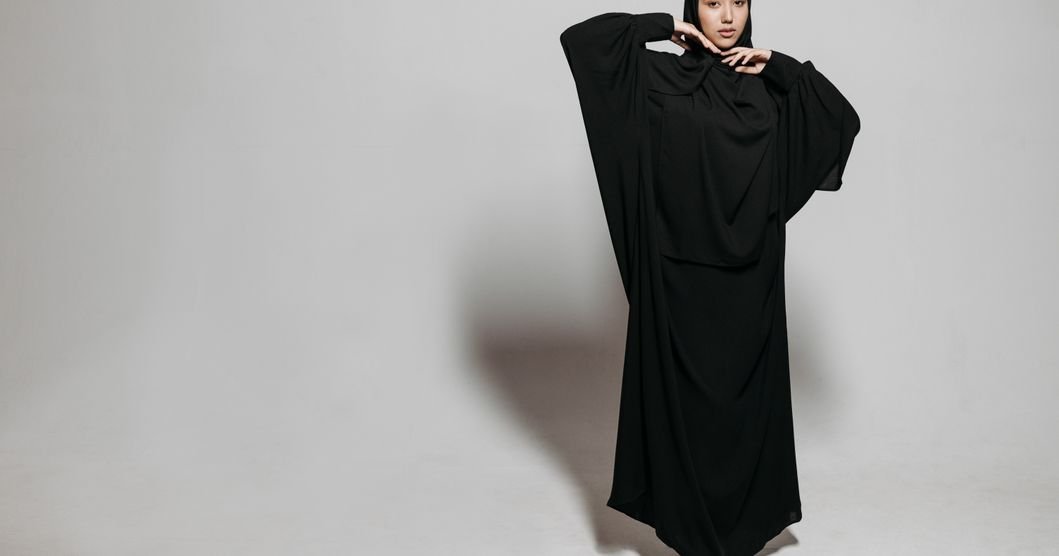
Photo by Pavel Danilyuk on Pexels · Source
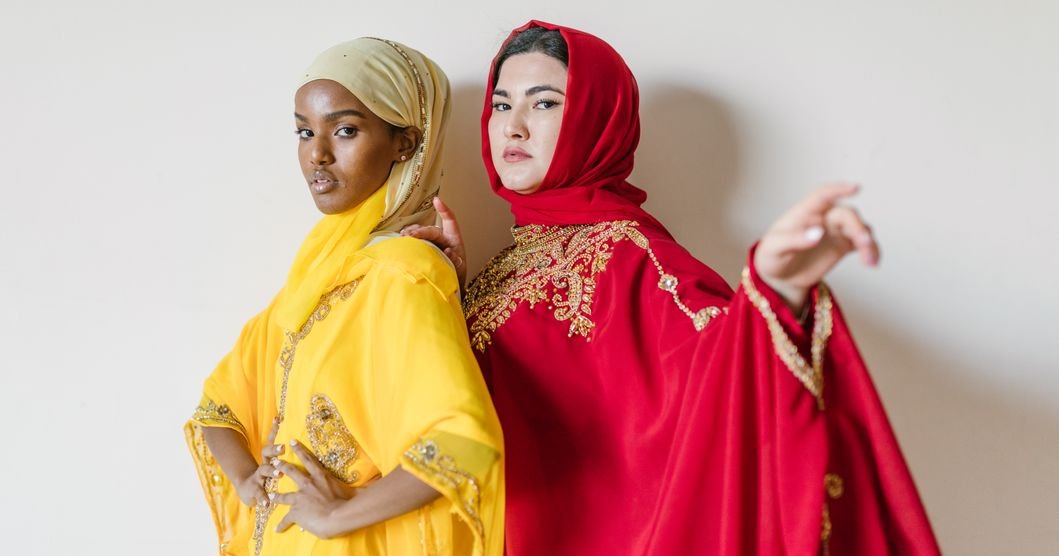
Finding the perfect abaya is about more than colour and embellishment – it’s about understanding how fabric, cut and detail interact with your unique silhouette. By pairing thoughtful styling tips with the right materials, you can create looks that feel both modest and effortlessly chic, no matter your body shape.
Understanding Your Body Shape and Fabric Choices
Every body type benefits from fabrics that complement its natural lines. Lightweight crepes and chiffon glide over curves, offering a fluid drape that softens angular shoulders. For those who prefer structure, a medium‑weight jersey or woven polyester can add subtle definition without adding bulk. When selecting an abaya, consider the fabric’s weight relative to your frame: lighter fabrics suit petite figures, while slightly heavier weaves provide graceful shape for curvier silhouettes.
Key fabric attributes to watch for include:
- Fall: A gentle, vertical fall elongates the torso, ideal for taller or apple‑shaped bodies.
- Stretch: Minimal stretch ensures the garment maintains its silhouette, crucial for hourglass figures.
- Opacity: A modest opacity level keeps the look refined while allowing the fabric’s texture to shine.
Pairing the right fabric with strategic seam placement – such as princess seams for a slimming effect or side panels for added volume – can transform an ordinary abaya into a tailored masterpiece.
Petite Figures: Length and Proportion Tricks
Petite women often face the challenge of proportion, where overly long abayas can overwhelm a smaller frame. Opt for designs that sit just above the ankle or feature a subtle high‑low hem; this creates the illusion of height while preserving modesty. Vertical details, such as narrow piping or elongated embroidery, draw the eye upward, elongating the silhouette.
When choosing sleeves, consider a slightly cropped cuff or a gentle bell shape that ends just above the wrist – this adds visual interest without shortening the arms. Layering a fitted, waist‑defining belt under the abaya can also break up the vertical line, highlighting the waist and preventing a “boxy” appearance.
Colour plays a role too: monochromatic palettes or tonal variations keep the look streamlined. If you prefer a pop of colour, place it at the neckline or hem, where it can be appreciated without disrupting the overall proportion.
Hourglass and Curvy Silhouettes: Enhancing Natural Curves
For hourglass and curvy bodies, the goal is to celebrate the waist while maintaining the modest drape of an abaya. Look for pieces that feature a defined seam or subtle gathering at the natural waistline. This accentuates curves without the need for excessive tailoring.
| Feature | Why It Works |
|---|---|
| Waist‑cinching belt | Creates a clear centre point, highlighting the smallest part of the torso. |
| Princess seams | Follow the body's natural lines, offering a flattering, sculpted effect. |
| Side slits | Introduce movement and prevent the fabric from clinging, preserving comfort. |
| Soft drape fabrics | Allow the material to flow over curves without adding bulk. |
Embellishments work best when placed strategically – think delicate appliqués along the waist or subtle embroidery that follows the curve of the hips. Avoid overly busy patterns across the entire garment, as they can mask the natural shape you wish to showcase.
Finally, consider a slightly longer back hem; this adds elegance while keeping the front proportionate, ensuring the overall silhouette remains balanced and graceful.
Apple-Shaped Bodies: Balancing Volume with Elegance
Apple‑shaped figures typically carry weight around the midsection, so the aim is to create a streamlined look that draws attention away from the torso. Opt for abayas with a relaxed fit that skims rather than clings, using fabrics with a gentle drape such as silk blends or soft crepe. A V‑neckline or modest scoop can elongate the neck and open up the chest area, providing a flattering visual lift.
Strategic detailing is essential: vertical seams, subtle pleating, or a centre back seam can create a lengthening effect. Avoid heavy embellishments at the bust or waist, as they can add unnecessary volume. Instead, place decorative elements – like embroidered motifs or delicate beading – near the hem or along the sleeves, where they add interest without drawing focus to the midriff.
Layering a lightweight, open‑front cardigan or a sheer kimono over the abaya can also break up the silhouette, offering a graceful, layered look that maintains modesty while providing shape definition.
Rectangle and Straight Shapes: Creating Definition
For those whose silhouette reads more like a column than a curve, the key is to introduce visual breaks that suggest waist definition and gentle curvature. Opt for abayas that feature strategic tailoring – think side seams that taper slightly at the waist or subtle darts that hint at a softer shape. A well‑placed belt, whether fabric‑matched or in a contrasting hue, instantly creates a focal point and adds the illusion of an hourglass.
Layering is another powerful tool. A lightweight, open‑front jacket or a cropped bolero over a longer abaya can break up the vertical line, giving the eye a place to rest. Look for pieces with decorative elements such as pleated panels, pintucked detailing, or delicate embroidery positioned at the hips or bust; these details draw attention outward, balancing the straight lines of the body.
Colour blocking works wonders as well. Darker tones on the upper half paired with a lighter shade below (or vice‑versa) creates a visual split that mimics a waistline. When choosing prints, favour vertical motifs that are interrupted by horizontal accents – a stripe that ends at the waist, for example, signals a natural break.
- Choose abayas with side seam tailoring or subtle darts.
- Introduce a belt or waist‑cinching accessory.
- Layer with cropped jackets or boleros.
- Use colour blocking to create a waist illusion.
- Select prints that combine vertical and horizontal elements.
Tall Frames: Playing with Layers and Details
Height is a gift in modest fashion, offering a canvas for dramatic silhouettes without overwhelming the wearer. To keep proportions balanced, focus on layers that add volume at the mid‑section rather than extending length excessively. A flowing, floor‑sweeping abaya paired with a shorter, structured cape or a waist‑length kimono creates a pleasing contrast while preserving elegance.
Details such as oversized cuffs, statement sleeves, or embellished yokes become focal points that draw the eye inward. When the upper part of the abaya features intricate embroidery or beading, it anchors the look, preventing the body from appearing overly elongated. Conversely, a simple, unadorned hem paired with a richly decorated neckline offers a harmonious distribution of visual weight.
Experiment with textures: a matte base fabric combined with a silk or satin overlay adds depth without adding bulk. For those who enjoy a touch of drama, a detachable train or a detachable sheer panel can be added for special occasions, allowing the same base piece to serve both everyday and event‑ready wardrobes.
Final Verdict: Your personalised abaya styling guide
Whether you identify with a rectangle, a tall frame, or any other silhouette, the essence of effective abaya styling lies in understanding where to add definition and where to let the natural line flow. Start by assessing your body’s strongest points – waist, shoulders, hips – and then select pieces that accentuate those areas through tailoring, layering, or decorative details.
Remember that accessories are not merely add‑ons; they are integral to shaping the overall silhouette. A well‑chosen belt, a structured shawl, or a pair of embellished cuffs can transform a simple abaya into a custom‑fit masterpiece. Play with colour contrasts, experiment with texture pairings, and don’t shy away from mixing traditional motifs with contemporary cuts.
Ultimately, the most flattering look is the one that makes you feel confident and comfortable. Use the tips above as a starting point, adapt them to your personal taste, and let your abaya become an extension of your unique style narrative.
Frequently Asked Questions
What abaya length works best for a petite frame?
A knee‑length or slightly above‑knee abaya keeps the proportions balanced, preventing the legs from looking shortened.
How can I add shape to a straight‑line body?
Incorporate waist‑defining belts, tailored seams, or subtle peplum details to create the illusion of curves.
Are bold prints suitable for curvy women?
Yes, larger prints can accentuate curves when placed strategically, such as on the bodice, while keeping the lower half simpler.
What fabrics are most flattering for an apple‑shaped figure?
Lightweight, drapey fabrics like jersey or crepe soften the midsection, while structured shoulders add definition.
Can I layer an abaya without adding bulk?
Layer with thin, breathable linings or open‑front cardigans; choose pieces with minimal stitching to maintain a sleek silhouette.