How Much Does a Designer Abaya Cost in Dubai? A 2026 Guide
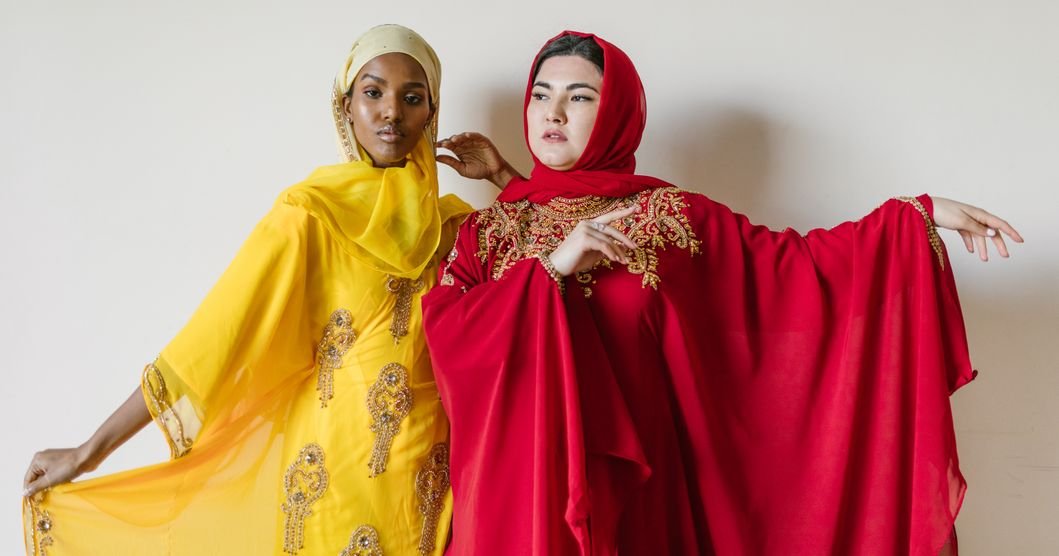
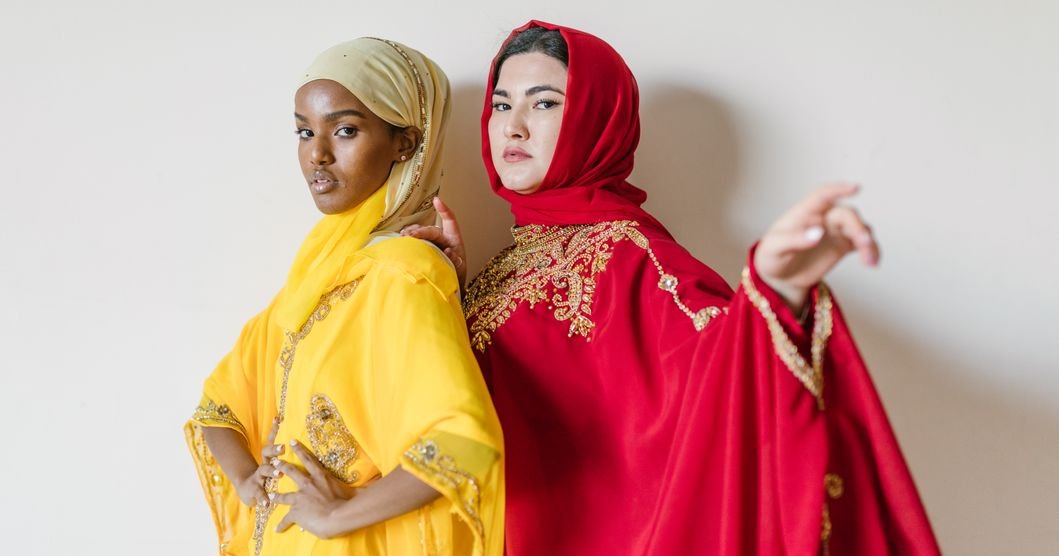
Photo by RDNE Stock project on Pexels · Source
Designer abayas have become a staple of Dubai’s high‑street modest fashion, blending traditional silhouettes with contemporary flair. Whether you’re attending a gala, a business brunch or a weekend souk stroll, understanding the cost landscape helps you make an informed, stylish choice.
Understanding the Designer Abaya Market in Dubai
The designer abaya scene in Dubai is a vibrant tapestry woven from regional heritage, global runway inspiration and the city’s own penchant for luxury. Over the past few years, a growing cohort of local ateliers and internationally‑trained designers have introduced collections that range from minimalist monochromes to richly embroidered statements, catering to a clientele that values both modesty and individuality.
- Seasonal capsule releases
- Limited‑edition collaborations
- Bespoke tailoring services
- Ready‑to‑wear lines with premium trims
These offerings are distributed across a spectrum of retail environments – from high‑end department stores in the Marina and Downtown districts, to specialised boutique studios tucked in Al Quoz, and increasingly, curated online platforms that provide detailed fabric swatches and virtual fittings.
Because the market is not regulated by a single price code, shoppers encounter a wide band of price points. A first‑time buyer may encounter an entry‑level designer piece that feels luxurious yet remains accessible, while seasoned collectors often seek out one‑of‑a‑kind creations that command a premium due to rarity and hand‑crafted detail.
Key Elements That Influence Pricing
When you ask how much a designer abaya costs in Dubai, the answer hinges on a blend of tangible and intangible factors. Each element adds a layer of value that is reflected in the final tag, and together they create the nuanced price spectrum that shoppers navigate.
- Fabric quality and origin
- Complexity of embellishments such as beadwork or sequins
- Construction technique, including hand‑sewn seams and structural tailoring
- Design originality and the amount of creative development invested
- Production volume – limited runs versus larger batches
Labour costs play a decisive role as well. Artisans who specialise in intricate embroidery or hand‑painting often command higher wages, and their expertise is directly transferred to the consumer. In Dubai’s fashion ecosystem, where craftsmanship is celebrated, this translates into a perceptible premium.
Finally, timing can sway price perception. Seasonal launches, fashion week showcases and festive collections frequently carry a higher perceived value, while end‑of‑season sales may offer the same quality at a more approachable price point.
Materials and Craftsmanship: What You’re Paying For
The heart of any designer abaya lies in the material palette and the skill with which it is assembled. Understanding the relationship between these components helps you appreciate why two seemingly similar pieces can carry markedly different price tags.
| Material | Typical Feel | Price Influence |
|---|---|---|
| Silk | Luxuriously smooth, subtle sheen | High – premium sourcing and delicate handling |
| Crepe | Lightweight with gentle drape | Medium – balances cost and elegance |
| Cotton | Soft, breathable, matte finish | Low to medium – versatile and often locally sourced |
| Velvet | Rich texture, deep depth of colour | High – labour‑intensive finishing |
The table illustrates how the choice of fabric sets the baseline for cost, while the finishing touches – hand‑stitched appliqués, laser‑cut patterns or hand‑painted motifs – add incremental value. A silk abaya with hand‑embroidered motifs, for example, will naturally sit at the upper end of the price spectrum.
Beyond the raw material, the construction process matters. Designers who employ double‑layered linings, reinforced shoulder seams or custom‑fit tailoring invest additional time and expertise, and these nuances are reflected in the final price.
Brand Reputation and Design Exclusivity
A designer’s reputation in Dubai’s modest fashion scene carries weight far beyond the label itself. When a brand has cultivated a heritage of quality, cultural sensitivity and runway recognition, its pieces are often perceived as investments rather than mere garments.
- Heritage narrative that resonates with regional values
- Showcase at regional fashion weeks and cultural events
- Awards and editorial features that endorse design excellence
- Loyalty programmes that reward repeat clientele
Exclusivity amplifies this effect. Limited‑edition drops, numbered runs and bespoke commissions create a sense of scarcity that justifies a higher price point. Clients who acquire such pieces often enjoy the added benefit of standing out in a market where individuality is increasingly prized.
Moreover, a strong brand reputation can contribute to long‑term value retention. An abaya from a well‑established designer may retain its appeal and resale potential longer than a comparable piece from a lesser‑known source, offering both aesthetic satisfaction and prudent financial sense.
Seasonal Trends and Limited Editions
Dubai’s fashion calendar moves in rhythm with the desert’s shifting hues, and designer abayas are no exception. In the cooler months, designers gravitate towards richer fabrics such as velvet and brocade, often incorporating deep jewel tones that echo the city’s night‑time skyline. When the temperature rises, lightweight chiffons and organzas dominate, with pastel palettes that reflect the coastal breezes. These seasonal shifts not only influence colour but also dictate the level of embellishment, with winter collections favouring intricate beadwork and summer pieces leaning towards subtle embroidery.
Limited‑edition releases are a hallmark of the 2026 market, typically timed around major cultural events such as Ramadan, Eid, and the Dubai Shopping Festival. Designers collaborate with local artisans to produce one‑off pieces that blend traditional motifs with contemporary silhouettes. Because the runs are intentionally small, the sense of exclusivity adds a layer of perceived value that goes beyond the fabric itself.
Understanding these cycles helps shoppers anticipate when a particular style might appear and when it will become a collector’s item. Keeping an eye on runway showcases and designer social feeds can give early clues about upcoming drops, ensuring you don’t miss a coveted release.
| Season | Typical Fabric | Colour Mood | Embellishment |
|---|---|---|---|
| Winter | Velvet, Brocade | Deep jewel tones | Heavy beadwork, sequins |
| Spring | Silk, Light wool | Soft pastels | Delicate appliqué |
| Summer | Chiffon, Organza | Bright neutrals | Minimalist stitching |
| Autumn | Cotton blend, Tencel | Earthy hues | Subtle metallic threads |
Where to Shop: From Boutiques to Online Platforms
Dubai offers a spectrum of shopping experiences for the discerning abaya enthusiast. High‑street boutiques nestled in heritage districts provide a tactile encounter with fabrics, allowing shoppers to feel the drape and discuss custom tailoring directly with the designer’s team. Meanwhile, upscale department stores curate a rotating selection of emerging labels, giving customers a curated glimpse of the latest trends without the need to chase individual showrooms.
- Check the return and alteration policy before purchasing.
- Verify the authenticity of the designer’s label, especially on online platforms.
- Consider the shipping timeline if you need the piece for a specific event.
- Look for customer reviews that mention fabric quality and fit.
- Ask about the possibility of bespoke detailing to personalise the piece.
Digital marketplaces have matured, offering high‑resolution imagery, virtual try‑on tools, and live chat with style consultants. For those who value convenience, these platforms often host seasonal pop‑ups that mirror the in‑store experience, complete with limited‑edition releases that are announced exclusively online.
Verdict: How Much Should You Expect to Spend in 2026?
When budgeting for a designer abaya in Dubai, it helps to think in tiers rather than exact numbers. The entry‑level tier, often produced by emerging designers, delivers contemporary cuts and quality fabrics at a price point that feels accessible for regular wear. The mid‑tier, where many established local houses sit, offers richer material choices, more intricate detailing, and the option of limited‑edition runs that carry a modest premium.
At the luxury end, flagship houses present couture‑level craftsmanship, hand‑embroidered embellishments, and bespoke tailoring services. These pieces are positioned as investment garments, intended to be worn on special occasions and to be treasured for years. While the cost varies according to the complexity of design and the rarity of the collection, shoppers can generally anticipate a progression from an affordable, stylish option to a high‑end, statement piece.
Ultimately, the amount you spend should align with how you intend to use the abaya, the level of personalisation you desire, and the emotional value you place on owning a piece that reflects Dubai’s vibrant modest‑fashion scene.
Frequently Asked Questions
What factors make a designer abaya more expensive in Dubai?
Price is driven by the quality of fabric, the intricacy of embellishments, the designer’s reputation and the level of custom tailoring involved.
Are there price differences between local and international designers in Dubai?
Yes, local designers often blend regional aesthetics with competitive pricing, while internationally recognised names may command higher premiums due to brand heritage.
How does the season affect the cost of designer abayas?
Seasonal collections can introduce limited‑edition pieces that carry a premium, whereas off‑season sales may offer the same designs at more approachable rates.
Can I negotiate the price of a designer abaya in Dubai?
Many boutique owners are open to modest adjustments, especially for repeat customers or when purchasing multiple items, but the extent varies by store policy.
What should I look for to ensure I’m getting value for money on a designer abaya?
Focus on fabric durability, stitching quality, authenticity of the designer’s label and the overall fit; these indicators usually reflect true value beyond the price tag.