
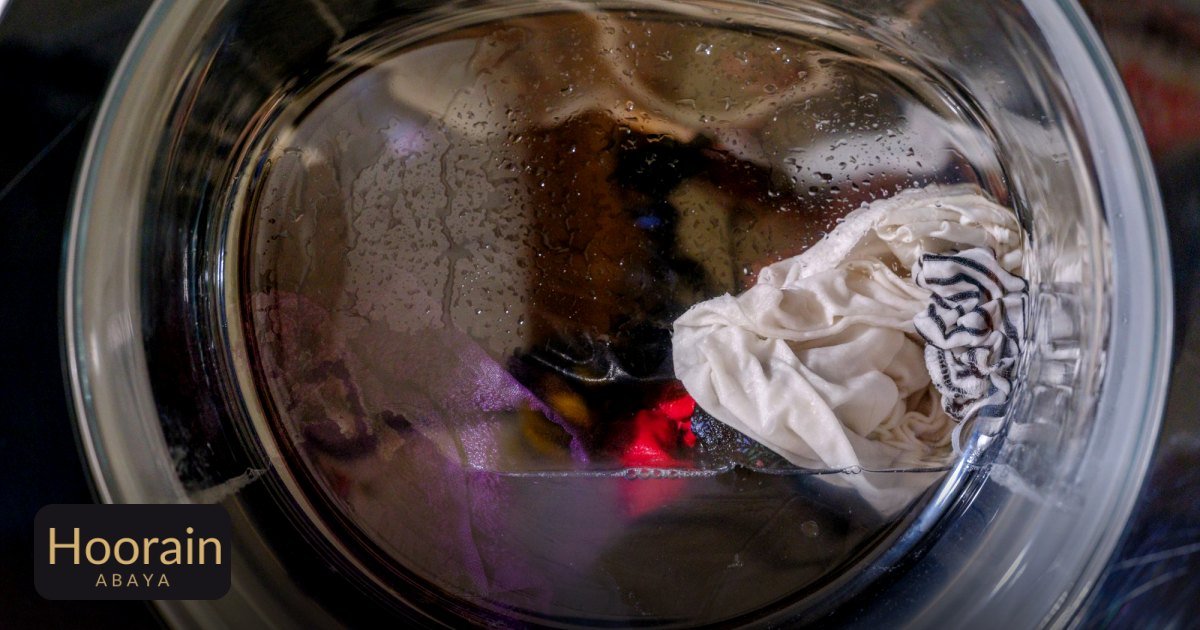
Keeping an abaya looking pristine can feel like a delicate balancing act, especially when you’re pressed for time. While the instinct is often to toss it into the washing machine, the right approach depends on the fabric and construction of the piece. Below we break down the essentials so you can care for your abaya with confidence.
Understanding Common Abaya Fabrics
Abayas are crafted from a variety of textiles, each offering a distinct drape, sheen and level of durability. The most prevalent fabrics include lightweight chiffon, which provides an airy flow but is prone to snagging; soft jersey, beloved for its comfort yet vulnerable to stretching; and richer blends such as polyester‑viscose, which combine resilience with a subtle sheen. Traditional silk or embroidered cotton pieces add a touch of luxury but demand gentler handling to preserve intricate detailing. Knowing the fibre content helps you decide whether a gentle hand wash or a cautious machine cycle is appropriate.
When you purchase an abaya, the care label usually indicates the primary fibre – for example, “100% polyester” or “polyester‑viscose blend”. If the label is missing or ambiguous, treat the garment as if it were the most delicate option and opt for hand washing to avoid accidental damage.
Why Hand Wash is Often Recommended
Hand washing offers a level of control that a machine simply cannot match, especially for delicate or heavily embellished abayas. By submerging the garment in lukewarm water and using a mild detergent, you can gently agitate the fabric without subjecting it to the harsh tumbling action that can cause pilling, distortion of seams, or loss of embroidery threads.
Another advantage of hand washing is the ability to focus on stained areas. You can apply a small amount of detergent directly to a spot, work it in with your fingertips, and rinse thoroughly, reducing the risk of the stain setting in. This targeted approach also minimises the exposure of the entire garment to water, which is particularly beneficial for fabrics that tend to bleed colour.
Finally, hand washing reduces the likelihood of colour transfer. Darker abayas, especially those with rich black or deep jewel tones, can release dye when agitated vigorously. A gentle hand wash helps maintain the vibrancy of the hue, keeping your abaya looking as striking as the day you first wore it.
When Machine Washing is Acceptable
Not all abayas need to be hand‑washed. Certain modern synthetic blends are engineered to withstand the rigours of a gentle machine cycle. If the care label explicitly states “machine wash safe” and the fabric is a sturdy polyester or a polyester‑viscose mix, you can safely use the washing machine, provided you follow a few precautions.
| Fabric Type | Machine‑Wash Suitability | Recommended Cycle |
|---|---|---|
| Polyester‑Viscose Blend | Generally safe | Cold water, delicate cycle |
| Pure Polyester | Safe | Cold water, gentle spin |
| Rayon or Silk | Not recommended | Hand wash only |
| Embroidered Cotton | Depends on stitching | Hand wash preferred |
Even when the fabric is machine‑friendly, avoid high spin speeds and opt for a mesh laundry bag to protect the garment from friction against the drum. This extra layer of protection helps preserve seams, trims and any delicate appliqués.
Preparing Your Abaya for the Machine
Before you load your abaya, give it a quick visual inspection. Close any zippers, button any snaps and turn the garment inside out – this shields the outer surface from direct abrasion. Placing the abaya in a breathable laundry bag further reduces the chance of snagging against other items.
Select a mild, colour‑safe detergent and avoid bleach or fabric softeners, which can weaken fibres over time. Set the machine to a cold‑water, delicate or hand‑wash programme; these cycles use slower agitation and reduced spin speeds, both of which are kinder to the fabric.
After the wash, remove the abaya promptly to prevent creasing. Lay it flat on a clean towel, reshape gently and allow it to air‑dry away from direct sunlight. If you need to smooth out wrinkles, a cool iron with a pressing cloth works well, but only if the care label permits ironing.
Choosing the Right Detergent and Cycle
When you decide to wash an abaya in the machine, the first consideration is the detergent. Opt for a mild, colour‑safe formula that is free from bleach or harsh enzymes. These gentle cleansers protect delicate fibres such as chiffon, silk, or fine cotton blends, preventing unwanted fading or weakening of the weave. If your abaya features intricate embroidery or sequins, a liquid detergent is preferable as it dissolves more readily and leaves less residue.
Next, select the appropriate wash cycle. A cold‑water, delicate or hand‑wash programme is ideal; it reduces friction and limits the risk of shrinkage. Avoid high spin speeds – a slow or no‑spin setting helps maintain the garment’s shape and prevents the fabric from becoming overly creased.
- Use a mesh laundry bag to shield the abaya from direct agitation.
- Turn the abaya inside‑out to protect surface embellishments.
- Wash with similar colours to avoid colour transfer.
- Limit the load to a few items to give the fabric space to move freely.
By pairing a gentle detergent with a low‑impact cycle, you give your abaya the best chance of emerging fresh, vibrant and ready for the next occasion.
Drying and Storing Your Abaya Properly
After the wash, the drying method is crucial to preserve the abaya’s drape and finish. Never tumble‑dry a delicate abaya; the heat can cause irreversible shrinkage and may damage any decorative elements. Instead, lay the garment flat on a clean, dry towel, gently roll the towel to absorb excess water, then reshape the abaya and lay it flat on a fresh towel away from direct sunlight. If space permits, hanging the abaya on a padded hanger in a well‑ventilated area allows gravity to aid the drying process while maintaining its silhouette.
When the abaya is completely dry, store it in a breathable garment bag rather than a plastic cover. This prevents moisture build‑up and reduces the risk of mildew, especially in the humid climate of the UAE. For long‑term storage, fold the abaya loosely, placing acid‑free tissue paper between folds to avoid creasing. Keep the bag in a cool, dry closet, away from strong fragrances that could linger on the fabric.
Regularly airing the abaya, even when not freshly laundered, helps keep it fresh and ready for wear, extending its life and maintaining its elegant appearance.
Final Verdict: Best Care Practices for Your Abaya
In summary, while many modern abayas can survive a gentle machine wash, the safest route is to treat each piece as a delicate investment. Use a mild, colour‑safe detergent, select a cold‑water delicate cycle, and protect the garment with a mesh laundry bag. After washing, avoid the dryer; instead, lay flat or hang to dry in a shaded, well‑ventilated space.
Proper storage is equally important. Breathable garment bags, acid‑free tissue between folds, and a cool, dry wardrobe will safeguard the fabric’s colour, texture and shape. If the abaya features heavy embellishments, consider professional dry‑cleaning as a precaution.
By following these straightforward steps, you can keep your abaya looking pristine for countless gatherings, from everyday errands to special celebrations, ensuring it remains a timeless staple in your modest‑fashion wardrobe.
For more on this, see our guide on Abaya Care 101: Washing, Steaming, and Storing It Properly.
Explore the full range in our abaya collection to find your next piece.
Frequently Asked Questions
Will a washing machine damage the embroidery on my abaya?
Gentle cycles and a mesh laundry bag can protect simple stitching, but delicate embroidery is best hand‑washed to avoid snagging.
Can I wash a silk abaya in the machine?
Silk is very delicate; hand washing or a professional clean is safest. If you must use a machine, select the cold, delicate setting and a protective bag.
What temperature should I use for a polyester‑blend abaya?
Cold or lukewarm water (up to 30 °C) is sufficient and helps preserve colour and shape.
Is it okay to tumble‑dry my abaya?
Air‑drying is preferred. If you use a dryer, choose the lowest heat setting and remove the abaya while still slightly damp to prevent wrinkles.
How often should I wash my abaya?
Unless it’s visibly soiled or has absorbed strong odours, washing after a few wears is enough to keep it fresh without over‑laundering.
Shop the collection at Hoorain Abaya →