What is the Difference Between Abaya and Burqa? A Guide
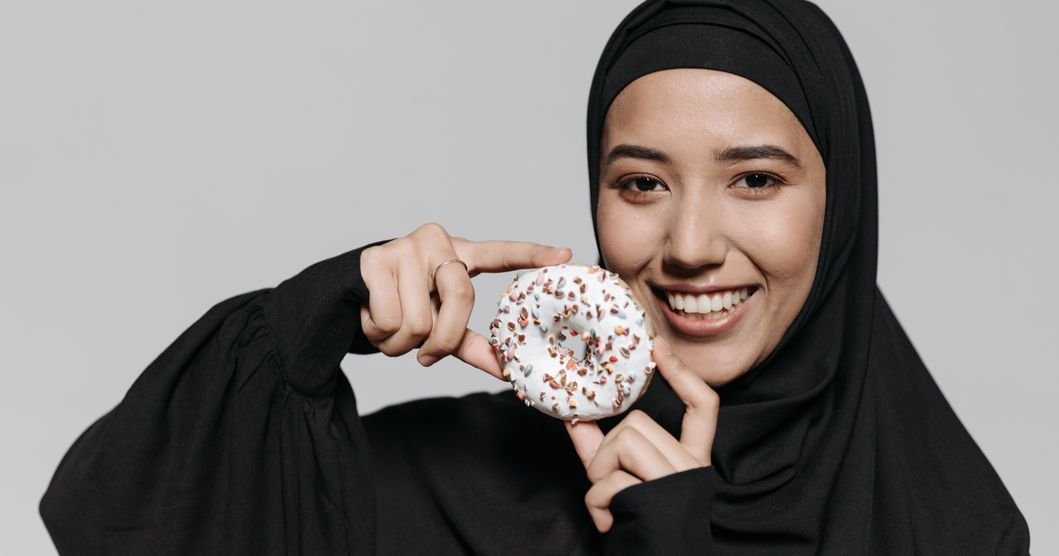
Photo by Pavel Danilyuk on Pexels · Source
Modest fashion in the UAE has evolved into a sophisticated dialogue between tradition and contemporary style. As designers reinterpret heritage garments, the abaya and the burqa remain central symbols that reflect both personal identity and cultural values.
Defining Modest Elegance: An Introduction to Traditional Garments
Modest elegance has long been a cornerstone of Gulf fashion, where clothing is both a cultural narrative and a personal statement. Traditional garments such as the abaya and the burqa embody a blend of religious respect, regional identity and an understated sense of style.
In the United Arab Emirates, the desert climate and the rhythm of daily life have shaped garments that are loose, breathable and modest. The flowing silhouette of an abaya, for instance, allows air to circulate while preserving a dignified line from shoulder to ankle.
Conversely, the burqa is designed with an additional layer of coverage, often incorporating a full face veil that can be drawn back or lifted as needed. Its construction reflects a particular interpretation of privacy, where the wearer’s features remain concealed in public spaces, reinforcing a sense of communal modesty.
Both garments have evolved alongside contemporary fashion, absorbing modern fabrics, subtle embellishments and tailoring techniques that respect tradition while appealing to today’s aesthetic sensibilities. Designers in Dubai and Abu Dhabi now experiment with colour accents, embroidered cuffs and detachable accessories, proving that modesty and style can coexist without compromise.
The Abaya: A Symbol of Contemporary Grace and Versatility
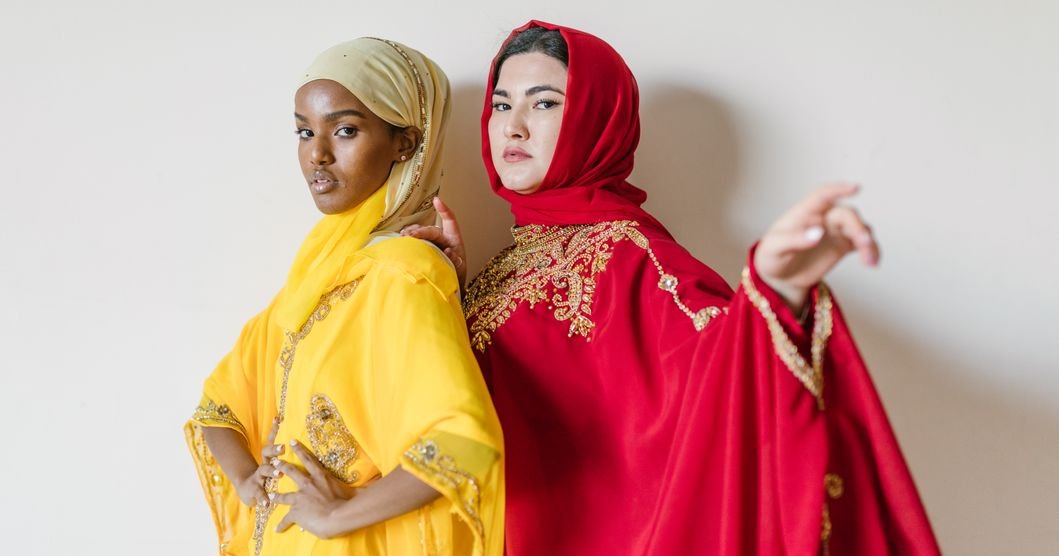
The abaya has become the visual shorthand for contemporary modest fashion across the UAE, celebrated for its sleek silhouette and effortless drape. Crafted from lightweight crepe, chiffon or jersey, it glides over the body, offering a fluid line that flatters every figure while adhering to modesty codes.
Modern designers often introduce subtle details such as mother‑of‑pearl buttons, tonal embroidery or a concealed zip that adds a touch of refinement without disrupting the garment’s clean aesthetic. These nuances allow the abaya to transition seamlessly from a daytime office environment to an evening soirée.
Colour palettes have also expanded beyond the classic black, embracing soft neutrals, muted pastels and even deep jewel tones. When paired with a coordinating hijab or a structured cape, the abaya becomes a canvas for personal expression, proving that modesty need not be monochrome.
In retail spaces such as Hoorain Abaya, the emphasis is placed on quality stitching, breathable linings and adaptable cuts that cater to a diverse clientele. Whether a client prefers a minimalist silhouette or a richly embellished piece, the abaya remains a versatile foundation for layered, fashion‑forward modest looks.
The Burqa: Understanding Its Unique Structure and Purpose
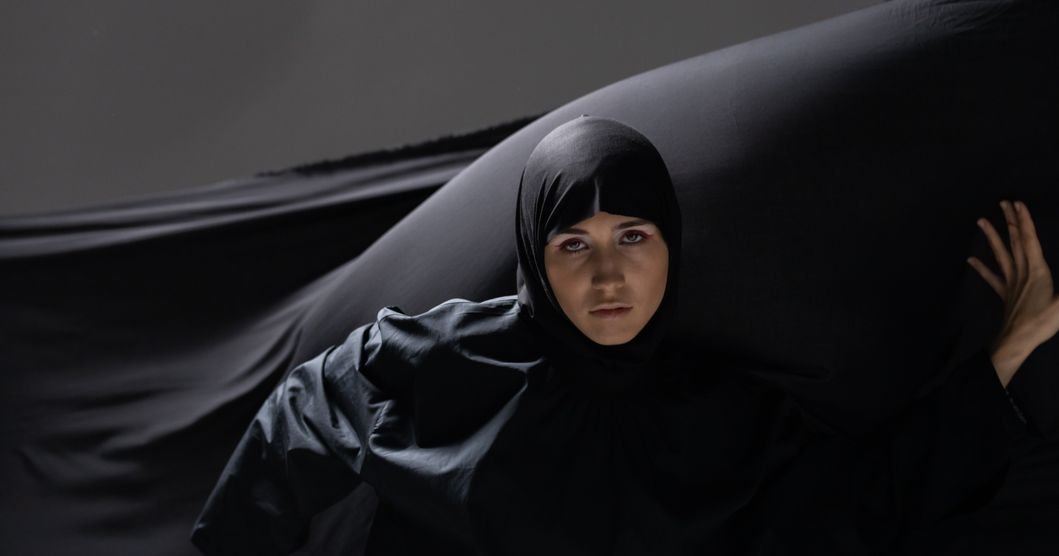
The burqa, often associated with the Arabian Peninsula, presents a distinct architectural approach to modest dress, enveloping the wearer from head to toe with a single, continuous piece of fabric. Its hallmark is a full‑face veil, typically fitted with a mesh screen that permits vision while maintaining privacy.
Construction of the burqa often involves multiple layers, beginning with a lightweight inner lining that offers comfort in the hot climate, followed by a heavier outer shell that provides the necessary opacity. The outer fabric may be plain cotton, polyester blend or, in more formal settings, a lightly embroidered material.
Functionally, the burqa serves both religious and cultural purposes, signalling a desire for complete public concealment. In many Gulf societies it is worn during special occasions, religious gatherings or in environments where the community collectively values a heightened level of privacy.
Modern reinterpretations have begun to introduce discreet openings, adjustable panels and breathable fabrics, allowing the burqa to respond to contemporary comfort expectations without compromising its core principle of full coverage. These subtle innovations demonstrate that tradition can be honoured while embracing the practicalities of modern life.
What is the Difference Between Abaya and Burqa? Key Distinctions
While both the abaya and the burqa occupy a respected place in modest fashion, their visual language, structural components and everyday functionality diverge considerably. Understanding these nuances helps shoppers choose the piece that aligns with their personal style, climate needs and cultural expectations.
| Feature | Abaya | Burqa |
|---|---|---|
| Coverage | Full body | Full body with face veil |
| Fabric Weight | Light to medium | Medium to heavy |
| Face Visibility | Open (with hijab) | Covered (mesh screen) |
| Typical Use | Daily wear, social events | Religious gatherings, formal occasions |
| Styling Flexibility | High – mix‑and‑match accessories | Low – limited external adornment |
The abaya’s open front and optional hijab give the wearer freedom to experiment with accessories, layered tops or statement jewellery, making it a staple for both casual outings and upscale events. In contrast, the burqa’s enveloping design limits external adornment, focusing instead on uniformity and privacy.
For residents of the UAE, climate considerations also play a role; the lighter, breathable construction of most abayas suits the hot, humid summer, whereas the burqa’s additional layers are often reserved for cooler evenings or formal religious gatherings. Ultimately, the choice reflects a personal balance between aesthetic preference and the degree of coverage desired.
Fabric and Design: How Modern Trends Influence Both Styles
In recent years the abaya has evolved from a simple, flowing silhouette into a versatile canvas for contemporary couture. Designers now experiment with lightweight blends, airy organza, and breathable cotton‑linen mixes that keep the garment airy yet modest. Embellishments such as subtle sequins, hand‑stitched embroidery, or metallic thread add a touch of luxury without compromising comfort.
Burqas, traditionally utilising heavier wool or cotton to ensure warmth in cooler climates, are also seeing subtle updates. Many manufacturers offer a range of fabrics that include moisture‑wicking synthetic fibres, making the garment lighter and more practical for everyday wear while still preserving the full‑body coverage that the style demands.
Silhouettes have shifted too. The classic, floor‑length abaya now comes in cropped, asymmetric cuts that allow the wearer to pair it with trousers, skirts or a stylish hijab. Burqa styles vary from the straight‑cut, floor‑sweeping version to more contemporary interpretations featuring adjustable panels or removable panels that reveal a fashionable inner dress.
Colour palettes have broadened beyond the traditional black. Pastels, deep jewel tones, and even subtle gradient prints are common, providing a way to express personal style while maintaining modesty.
Ultimately, the trend is clear: both abaya and burqa are embracing modernity through lightweight fabrics, nuanced detailing and a wider spectrum of colours, allowing modest fashion to remain at the forefront of the UAE’s dynamic style scene.
Cultural Significance and Regional Variations Across the UAE
The abaya has become a cultural touchstone in the UAE, symbolising modesty while reflecting the nation’s blend of tradition and progress. In urban hubs such as Dubai and Abu Dhabi, abayas are often tailored in contemporary cuts that pair effortlessly with high‑fashion accessories, signalling a cosmopolitan outlook. The burqa, less common in the Gulf, still holds a place of respect in more conservative communities and in the broader Gulf region, where full‑body coverage is valued for both religious observance and protection from the desert heat.
Within the UAE itself, style preferences can differ between the five Emirates. In Sharjah and Ajman, families sometimes choose a more modest, understated abaya, favouring classic black or navy with minimal embellishment. Meanwhile, Dubai’s cosmopolitan market offers an abundance of colourful prints, metallic linings and even sheer panels for those willing to experiment.
Regional climate also plays a role. Coastal areas, where humidity is high, lean towards breathable, lightweight fabrics, whereas inland towns, exposed to sand and sunshine, prefer tighter weaves that shield the skin from glare and dust. In the western emirates, where traditional Bedouin influences are strong, burqa styles may be more prevalent, with a focus on practicality and protection.
Ultimately, whether you choose an abaya or a burqa, the garment’s cultural significance is intertwined with your personal identity, your community, and the climate you live in, making modest fashion a deeply personal expression of heritage and modernity.
Choosing Your Signature Look: The Final Verdict on Style
When choosing a modest garment, the decision between an abaya and a burqa hinges on a few practical considerations. Body shape dictates how a silhouette drapes: a fitted abaya flatters a slender figure, while a loose burqa offers a relaxed, full‑coverage silhouette. Climate matters too – the lightweight linen blend of an abaya keeps you cool in Dubai’s summer, whereas a burqa’s thicker wool‑cotton mix provides extra warmth at night.
Occasion matters too. A sleek, floor‑length abaya with subtle metallic detailing is perfect for evening soirées or corporate events, whereas the classic full‑coverage burqa remains a respectful choice for family gatherings or conservative venues. Finally, personal style is paramount – choose a design that matches the event’s formality and feels authentic.
- Comfort & Breathability – choose linen or cotton for hot climates.
- Coverage & Modesty – opt for a burqa if full‑body coverage is essential.
- Versatility – abayas pair well with hijabs, trousers, and accessories.
- Climate Adaptation – wool‑cotton blends suit cooler evenings.
- Occasion Appropriateness – choose designs that match the event’s formality.
In the end, the best choice is the one that aligns with your lifestyle, the weather you endure, and the statement you wish to make. Whether you lean towards the modern flair of an abaya or the traditional charm of a burqa, the key is to feel confident and authentic in every step you take.
Frequently Asked Questions
Can an abaya be worn without a head covering?
Yes, an abaya is a cloak-like garment designed to cover the body from the shoulders down. While many women pair it with a shayla, the abaya itself does not inherently include a face or head covering.
Is a burqa the same as a niqab?
No, they are distinct garments. A niqab covers the face but leaves the eyes exposed, whereas a traditional burqa typically covers the entire face and body, often featuring a mesh screen over the eyes.
Which garment is more common in modern UAE fashion?
The abaya is the most prevalent choice for daily wear in the UAE. It has evolved into a high-fashion staple featuring various colours, intricate embroideries, and contemporary silhouettes.
Are abayas only available in black?
While black remains a timeless and popular choice, modern abayas are available in a wide spectrum of colours. From soft pastels to deep jewel tones, there is a shade to suit every personal preference.
How do I choose between an abaya and a burqa?
The choice depends on your desired level of coverage and personal style. Abayas offer significant versatility for everyday elegance, while the burqa provides the most comprehensive coverage for those who prefer it.