
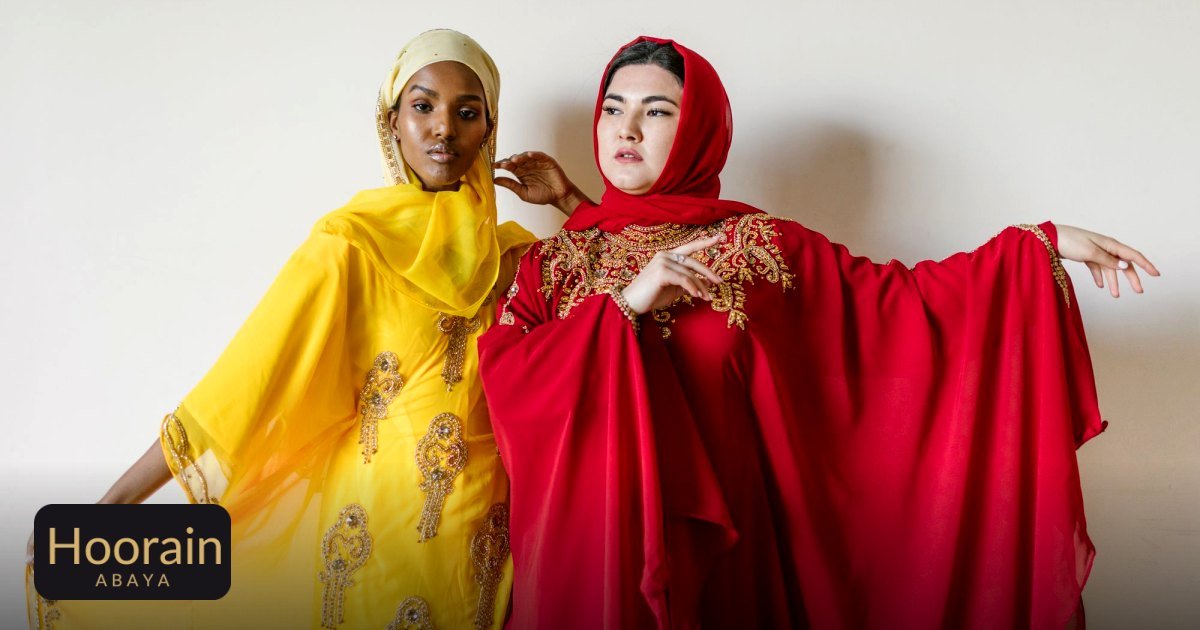
Abayas have long been the cornerstone of modest fashion across the Gulf Cooperation Council, yet the way they are interpreted today reflects a vibrant dialogue between heritage and innovation. Understanding the nuances between traditional and contemporary styles helps you curate a wardrobe that respects cultural roots while embracing modern flair.
What Defines a Traditional Abaya in the GCC
Traditional abayas are rooted in the modest aesthetic that has characterised the Gulf for generations, prioritising full coverage and understated elegance. The silhouette is typically a loose, floor‑length robe that drapes gently over the body, allowing ease of movement while maintaining a dignified presence.
Colour palettes are dominated by classic black, though deep navy or midnight green are also accepted in more conservative settings. Embellishment is minimal; when present, it usually takes the form of subtle embroidery along the cuffs or a modestly decorated collar, often inspired by regional motifs such as palm fronds or geometric patterns.
Fabric selection leans heavily on natural fibres—lightweight cotton, breathable linen, and soft wool blends—chosen for their ability to keep the wearer cool in the desert climate. The construction relies on traditional hand‑sewing techniques, ensuring each piece carries a sense of craftsmanship passed down through families and local ateliers.
Overall, a traditional abaya conveys respect for cultural norms, offering a timeless silhouette that has remained largely unchanged across decades.
Key Features of Contemporary Abayas
Contemporary abayas reinterpret modesty through a lens of global fashion trends, blending comfort with a bold sense of style. Designers experiment with varied lengths, from ankle‑skimming cuts to daring floor‑sweeping drapes, allowing wearers to express individuality while staying modest.
Colour choices expand beyond the classic black, embracing muted pastels, earthy tones, and occasional jewel hues. Subtle gradients and tonal prints add visual interest without compromising the garment’s modest intent.
Modern embellishments include laser‑cut detailing, sequins, and appliqués placed strategically on sleeves, hemlines, or back panels. These accents create a dynamic interplay of light and texture, suitable for both everyday wear and special occasions.
Functionality is also a hallmark: hidden pockets, detachable belts, and adjustable closures (such as magnetic snaps or sleek zippers) enhance practicality while preserving a sleek silhouette.
Overall, contemporary abayas celebrate personal expression, merging heritage modesty with the fluidity of current fashion narratives.
Fabric Choices: Heritage vs Modern Materials
Traditional abayas favour natural fibres that breathe in the Gulf’s heat—soft cotton, airy linen, and lightweight wool blends. These materials offer a tactile connection to the past, often sourced locally or from regional markets, and they drape gracefully, creating a fluid silhouette.
Contemporary designers turn to innovative textiles that balance comfort with visual impact. Stretch jersey, silk blends, and high‑tech polyester‑viscose mixes provide a sleek sheen and a degree of elasticity, allowing for more fitted cuts without sacrificing modesty.
Performance fabrics are increasingly popular, featuring moisture‑wicking and quick‑dry properties that cater to the active lifestyle of modern women. Some collections incorporate sustainable fibres such as Tencel or recycled polyester, reflecting a growing environmental consciousness within the GCC fashion scene.
| Aspect | Traditional | Contemporary |
|---|---|---|
| Primary Fibres | Cotton, linen, wool blends | Jersey, silk blends, recycled polyester |
| Texture | Matte, soft drape | Glossy, structured or fluid |
| Performance | Breathable, natural | Moisture‑wicking, stretch, eco‑friendly |
Choosing between heritage and modern fabrics depends on the occasion, climate, and personal preference, allowing each wearer to balance authenticity with contemporary comfort.
Silhouette and Tailoring: Classic Cuts vs Modern Fits
Classic abaya tailoring adheres to a generous, straight cut that falls straight from the shoulders to the hem, creating a modest, unrestrictive shape. The focus is on fluidity rather than definition, with minimal shaping at the waist.
Modern silhouettes experiment with tailoring techniques such as princess seams, tapered waists, and asymmetrical hemlines. These adjustments introduce subtle definition while preserving the garment’s modest coverage, offering a more sculpted appearance.
Contemporary cuts may incorporate layered panels, side slits, or draped fabric that adds movement and visual intrigue. Tailors often use lightweight interfacing to maintain structure without adding bulk, ensuring the abaya retains its graceful flow.
Both approaches value quality stitching; however, contemporary pieces may feature invisible seams and concealed fastenings that enhance a sleek finish. The result is a versatile wardrobe where traditional modesty meets the refined tailoring of today’s fashion landscape.
Colour Palettes and Embellishments Across Eras
The early‑mid‑20th century Gulf wardrobe favoured deep, saturated hues that echoed the desert landscape and the sea – think rich indigo, mahogany, and classic black. These colours were not only practical for modesty but also symbolised status and reverence. Embellishments were restrained, often limited to subtle hand‑stitched motifs along the hem or cuffs, using gold or silver thread that caught the light without overwhelming the silhouette.
From the 1990s onward, a wave of cosmopolitan influence introduced softer, pastel palettes – dusty rose, muted teal, and ivory – alongside the timeless neutrals. Designers began experimenting with gradient dyeing, ombre effects and colour‑blocking, creating visual interest while preserving the abaya’s modest silhouette. Contemporary embellishment trends lean towards intricate appliqués, sequins, and 3‑D floral work, frequently placed strategically on the shoulders, sleeves or back panel to add a modern sparkle without compromising elegance.
Today, the GCC market celebrates a harmonious blend: classic black remains a staple for formal occasions, while seasonal collections showcase vibrant jewel tones and delicate metallic accents that reflect both heritage and the region’s forward‑looking spirit.
Styling Tips: Mixing Heritage with Modern Trends
To achieve a balanced look, start with a traditional‑cut abaya in a neutral shade and layer it with contemporary accessories. A slim leather belt, for instance, can define the waist and introduce a sleek urban edge. Pair the ensemble with a modest yet structured blazer in a contrasting pastel – the juxtaposition respects the abaya’s modesty while adding a runway‑ready twist.
Footwear offers another avenue for fusion. Classic pointed‑toe pumps in nude or black maintain elegance, whereas a pair of low‑heeled ankle boots in suede injects a relaxed, modern vibe suitable for weekend outings or casual business meetings.
- Choose one statement piece – be it an embellished cuff, a patterned hijab, or a bold clutch – to avoid visual overload.
- Maintain proportion: if the abaya features voluminous sleeves, keep the bottom silhouette streamlined.
- Play with texture: silk under‑layers beneath a heavy brocade abaya create depth without compromising modesty.
Remember, the key is to let each element speak without competing; a thoughtfully curated combination will honour tradition while embracing today’s fashion narrative.
Verdict: Choosing the Right Abaya for Your Lifestyle
When deciding between traditional and contemporary abayas in the GCC, consider the primary contexts in which you’ll wear them. For formal gatherings, religious events or business settings that demand a polished, understated appearance, a classic black or deep‑navy abaya with minimal embellishment offers timeless respectability and easy coordination with modest accessories.
If your daily routine includes social outings, creative workplaces, or travel, a contemporary piece – perhaps featuring a subtle gradient, a modest side slit, or delicate sequins – provides the flexibility to transition from day to evening without a full wardrobe change. Look for breathable fabrics such as lightweight crepe or jersey for comfort in the UAE’s climate, while still enjoying the silhouette you love.
Ultimately, the most versatile wardrobe includes both styles. Invest in a few high‑quality traditional abayas for cornerstone events, and complement them with a selection of contemporary designs that reflect your personal flair. By alternating between the two, you’ll always feel confident, modest, and fashion‑forward, no matter the occasion.
Explore the full range in our abaya collection to find your next piece.
Frequently Asked Questions
How can I tell if an abaya is traditional or contemporary?
Traditional abayas usually feature modest cuts, plain fabrics and minimal detailing, while contemporary styles incorporate modern silhouettes, varied colours and decorative accents.
Are contemporary abayas appropriate for formal occasions in the GCC?
Yes, many contemporary designs are crafted with luxurious fabrics and refined embellishments that suit formal events while maintaining modesty.
Do traditional abayas use specific fabrics unique to the region?
Traditional abayas often rely on breathable, locally sourced fabrics such as cotton, linen or lightweight wool, chosen for comfort in the Gulf climate.
Can I wear a contemporary abaya at work in the UAE?
Contemporary abayas with modest cuts and subtle detailing are widely accepted in professional settings across the UAE, provided they respect workplace dress codes.
What accessories complement a contemporary abaya best?
Minimalist jewellery, structured handbags and sleek shoes pair well with contemporary abayas, enhancing the modern aesthetic without overwhelming the look.
Shop the collection at Hoorain Abaya →