Abaya History and Design: From Tradition to Trendy Modernity
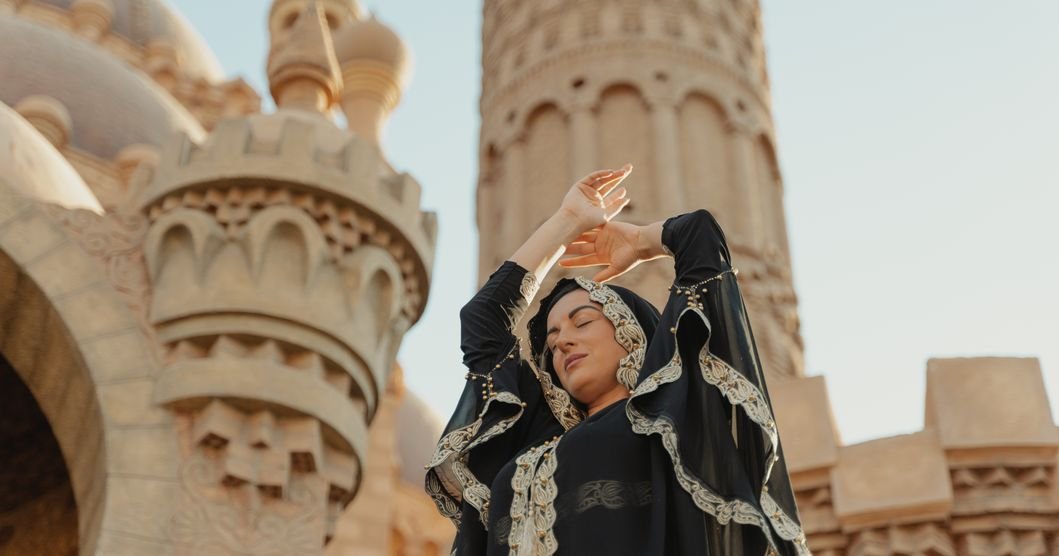
Photo by Tima Miroshnichenko on Pexels · Source
The abaya, a timeless silhouette that drapes the body with effortless grace, has journeyed from the dunes of the Arabian Peninsula to the bustling streets of modern UAE. Its story intertwines heritage, faith, and fashion, evolving while retaining a deep cultural resonance. Below we explore the milestones that have shaped this iconic garment.
Origins: Early Abaya Roots in the Arabian Peninsula
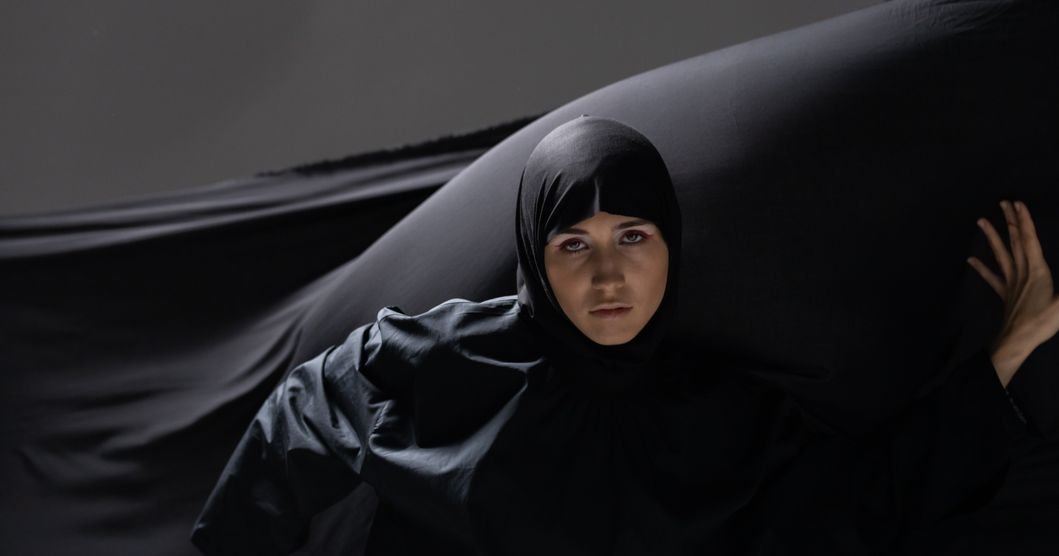
Historical records and oral traditions trace the abaya’s earliest forms to the pre‑Islamic Bedouin tribes who used simple, loose‑fitting cloaks to shield themselves from the harsh desert climate. These garments were crafted from undyed wool or coarse cotton, prioritising modesty and practicality over ornamentation. As Islam spread across the peninsula in the 7th century, the cloak became a visual expression of piety, aligning with emerging social norms that valued modest dress for both men and women.
By the medieval period, regional variations began to appear. In the Gulf coast, lighter, breathable fabrics such as linen were favoured for their suitability to maritime trade routes, while inland communities retained heavier woolen versions for cooler nights. The silhouette remained largely unchanged—long, flowing, and enveloping—yet subtle differences in sleeve length, neckline modesty, and decorative edgework hinted at local identities.
These early adaptations laid the groundwork for the abaya’s enduring flexibility, allowing it to absorb influences without losing its core purpose: a dignified, modest covering that respects both climate and cultural values.
Cultural Significance and Social Meaning
Beyond its functional role, the abaya operates as a cultural signifier, communicating respect for tradition, religious devotion, and communal belonging. In many Emirati families, the garment is presented to a young woman on the occasion of her marriage, symbolising the transition into a new phase of life while reinforcing the continuity of heritage.
Social gatherings, such as weddings or Ramadan evenings, often showcase a spectrum of abaya styles, each reflecting the wearer’s personal taste and the event’s formality. While the basic silhouette remains modest, embellishments—embroidery, sequins, or subtle beadwork—allow for individual expression within accepted boundaries. This balance between uniformity and personal flair underscores the abaya’s role as a canvas for both collective identity and nuanced self‑presentation.
- Modesty: A visual affirmation of Islamic values.
- Identity: Links the wearer to regional and familial lineage.
- Celebration: Marks milestones and communal festivities.
Materials and Craftsmanship Through the Ages
Traditional abayas were sewn by hand using simple stitching techniques, with fabrics selected for durability and climate suitability. Wool, hand‑spun cotton, and later, silk, were the mainstays, each offering distinct drape and texture. Artisans employed decorative motifs such as geometric patterns or calligraphic threads, often applied with a needle‑point embroidery that required hours of meticulous work.
Contemporary designers now blend these time‑honoured methods with modern textile technology, introducing fabrics like lightweight crepe, breathable jersey, and even recycled polyester. While the hand‑crafted spirit persists, laser cutting and digital printing have accelerated production without compromising the garment’s fluid silhouette.
| Era | Typical Fabric | Key Craft Technique |
|---|---|---|
| Pre‑Islamic & Early Islamic | Undyed wool, coarse cotton | Hand‑sewn plain stitch |
| Mid‑20th Century | Silk, fine cotton | Hand embroidery, appliqué |
| 21st Century | Crepe, jersey, recycled fibres | Laser cutting, digital printing, selective hand‑embroidery |
The juxtaposition of heritage and innovation ensures that each abaya, whether crafted in a modest workshop or a high‑tech studio, retains its signature elegance while meeting the demands of modern lifestyles.
Influence of Regional Trade and Migration
The Arabian Gulf’s historic role as a trading hub introduced a steady flow of foreign textiles, colours, and decorative ideas. Persian silk, Indian cotton, and later, European lace arrived via maritime routes, each leaving an imprint on local garment making. Merchants and migrants carried their own sartorial traditions, prompting Emirati tailors to experiment with new trims, dyeing techniques, and stitching patterns.
During the 20th century, the influx of expatriate communities and the rise of global fashion media further diversified the abaya’s aesthetic vocabulary. Designers began incorporating elements such as pleated panels, asymmetric cuts, and subtle layering—features inspired by Western couture yet reinterpreted through an Arab lens. This cross‑cultural dialogue has produced a vibrant spectrum of abayas that honour their desert origins while resonating with a cosmopolitan audience.
Today, the abaya stands as a testament to the region’s openness to exchange, embodying a seamless blend of indigenous craftsmanship and the ever‑evolving influences that arrive through trade, travel, and technology.
Transition to Contemporary Styles in the UAE
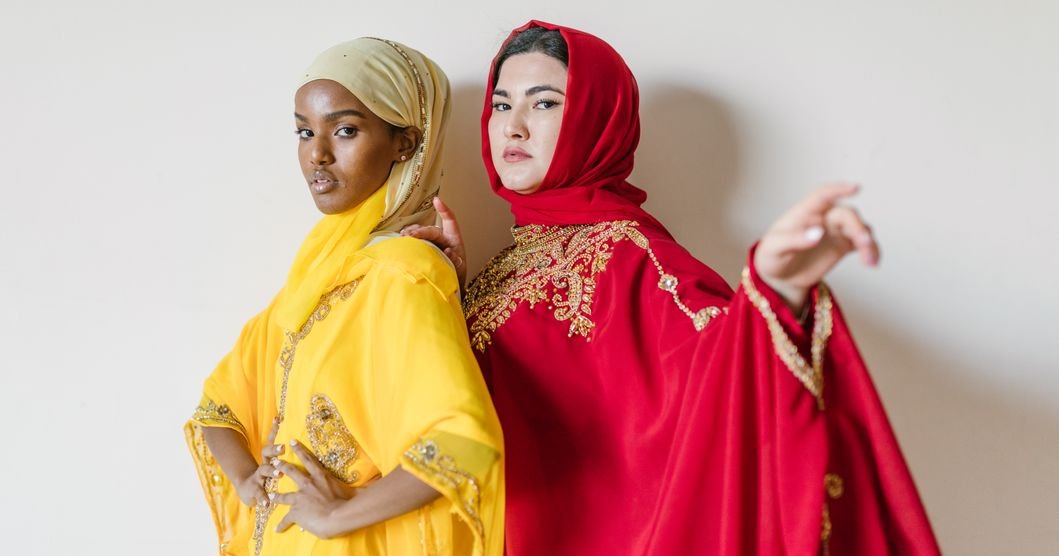
Since the turn of the millennium, the UAE has witnessed a subtle yet decisive shift in the way the abaya is perceived and worn. What was once a strictly utilitarian garment, primarily black and plain, began to absorb the vibrancy of the region’s burgeoning fashion scene, drawing inspiration from runway trends in Milan, Paris and Tokyo while retaining its cultural core.
Local designers started experimenting with lightweight crepes, silk blends and even recycled fibres, allowing the silhouette to move with a fluidity that mirrors the modern Emirati lifestyle. Subtle embroidery, tonal pleats and strategic cut‑outs emerged as quiet rebellions against the monolithic image of the traditional abaya, offering wearers a sense of individuality without compromising modesty.
The explosion of social media platforms such as Instagram and TikTok accelerated this transition, turning street‑style snapshots into a collective visual archive. Young women now curate their wardrobes with the same deliberation as they would a capsule collection, mixing classic drape with contemporary accessories, and sharing their choices with a community that values both heritage and innovation.
Today, the contemporary abaya is less a single garment and more a canvas for personal expression, reflecting the UAE’s ambition to blend timeless values with forward‑looking aesthetics.
Key Design Elements Shaping Modern Abayas
Modern abayas are defined by a nuanced palette that moves beyond the classic midnight black. Soft greys, muted earth tones and occasional jewel accents provide a backdrop for intricate detailing, while breathable fabrics such as modal‑cotton blends, bamboo viscose and fine georgette ensure comfort in the UAE’s warm climate. Designers also play with proportion, offering cropped lengths, layered overskirts and asymmetrical drapes that reinterpret the traditional silhouette without sacrificing modesty.
- Strategic cut‑outs or side slits that hint at movement while preserving coverage.
- Delicate hand‑embroidery or laser‑etched motifs inspired by Arabic calligraphy.
- Textured appliqués – sequins, beads or 3‑D printed elements – used sparingly for visual interest.
- Adjustable closures – magnetic snaps, hidden zippers or decorative ties – that allow a personalised fit.
- Eco‑conscious finishes, such as natural dyes and recycled yarns, reflecting a growing sustainability ethos.
Today's technology has entered the design process as well; digital pattern‑making continually reduces waste, and smart fabrics with moisture‑wicking properties are beginning to appear in limited‑edition collections. The result is a garment that feels as contemporary as it looks, bridging heritage craftsmanship with forward‑thinking innovation.
Verdict: The Ongoing Evolution of Abaya History and Design
Looking back at the centuries‑old lineage of the abaya, it is clear that each generation has re‑interpreted the garment to mirror its own social narrative. From the modest, monochrome cloaks of the early Gulf societies to the runway‑inspired silhouettes that dominate today’s boutique windows, the evolution has been driven by a dialogue between tradition and the desire for personal expression.
In the UAE, this dialogue is particularly vibrant because the nation’s rapid urban growth creates a fertile ground for creative experimentation. Consumers now expect a seamless blend of heritage craftsmanship, ethical production and contemporary flair. Brands that succeed are those that listen to the wearer’s story – whether that story is rooted in family customs, professional ambition or a love for avant‑garde aesthetics.
As we move further into the 2020s, the abaya will likely continue to absorb influences from technology, sustainability and global fashion currents, all while retaining its core principle of modest elegance. The journey from history to modern design is far from finished; it is an open‑ended runway where each new season offers fresh possibilities for reinterpretation.
Frequently Asked Questions
What are the traditional fabrics used in classic abayas?
Traditional abayas were typically crafted from cotton, linen or lightweight wool, chosen for comfort in the desert climate and ease of draping.
How has the abaya’s silhouette changed in recent years?
Modern designers experiment with fitted cuts, asymmetrical hems and layered looks, moving beyond the classic loose, floor‑length shape while still respecting modesty.
Are embellishments like embroidery still popular on today’s abayas?
Yes, subtle embroidery, sequins and appliqué are frequently incorporated, often inspired by regional motifs, to add a contemporary sparkle without overwhelming the garment.
Can I wear an abaya for both everyday and formal occasions?
Absolutely; a simple, monochrome abaya works well for daily wear, while richer fabrics, detailed trims or modestly longer lengths suit formal events.
Where can I find authentic, ethically made abayas in the UAE?
Look for local ateliers and reputable boutiques that source regional fabrics and employ skilled artisans, ensuring quality and cultural authenticity.