
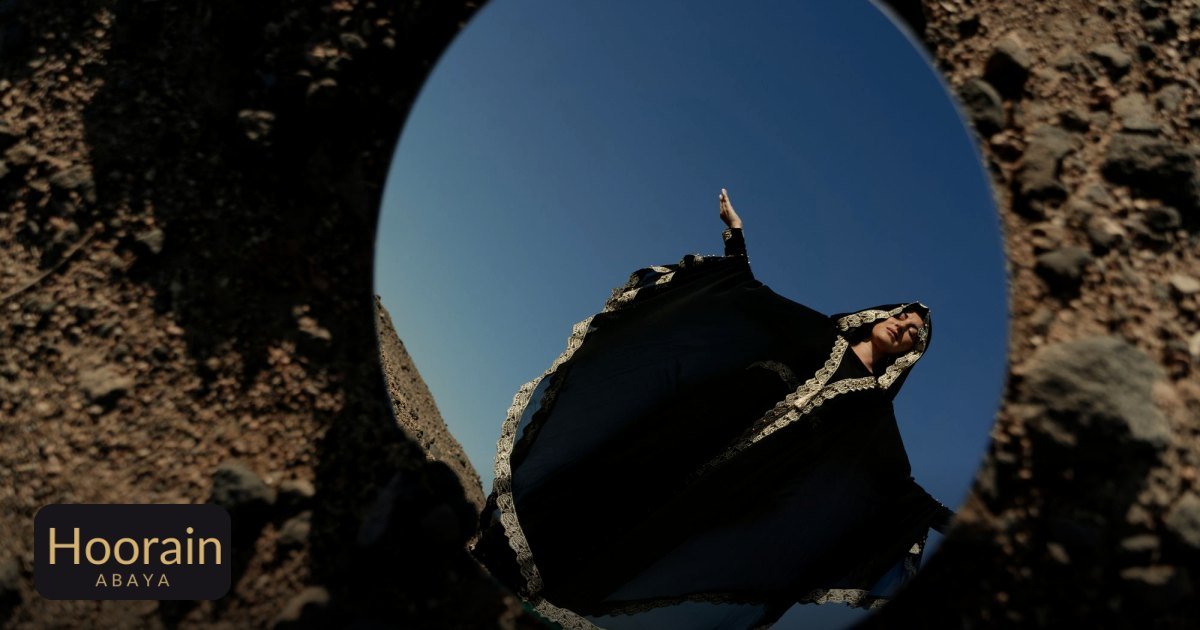
Ramadan changes the rhythm of the day, and your wardrobe needs to keep up. Between suhoor, work, prayer, iftar and late evenings at the mosque or with family, you want pieces that are light, easy to move in and effortless to restyle. This guide shares practical Ramadan abaya ideas built around light open abayas, with advice on fabrics, fit, styling and care for the UAE climate.
Light open abayas suit the pace of Ramadan days
An open abaya is cut to hang open at the front, worn over an inner outfit rather than closed like a dress. During Ramadan this simple difference matters. You can wear the same abaya from the office to iftar, change the inner layer between occasions and take the abaya off quickly if a room is warm. Open styles also move more easily when you kneel, bow and rise during prayer, because the front panels are not pulled across your body.
Lightness is the second part of the equation. Even in the evening, UAE interiors, car parks and outdoor iftar tents can feel warm, and fasting can make you more sensitive to heat. A lighter abaya, made from a fabric that breathes and drapes well, helps you stay comfortable without giving up the polished look you want. Think of it as a foundation piece: one or two well-chosen light open abayas can carry you through the whole month when you vary the inner outfits and accessories.
Finally, an open abaya is forgiving. Fit is less critical than it is on a closed style, so it suits changes in energy, appetite and routine that many people experience during the month. Choose a relaxed shoulder, comfortable sleeve width and a hem that clears the floor and your shoes.
Fabric decides whether an abaya feels easy or heavy
Two abayas with the same design can feel completely different on the body because of the fabric. Before you fall for a colour or an embellishment, choose the right fabric for how and where you will wear the piece.
Crepe gives structure without stiffness
Crepe is a popular choice for everyday abayas because it drapes cleanly, resists creasing and has a matte finish that suits both daytime and evening. Lightweight crepe is a good option if you want a polished silhouette that does not cling.
Linen blends add breathability
Linen and linen-blend fabrics are known for airiness. They suit warmer days and relaxed gatherings, although linen can crease, so a blend that includes a smoother fibre may be easier to manage if you travel between events.
Chiffon and sheer overlays add softness
Chiffon works well for sleeves, back panels and overlays, giving movement and a soft evening look. Because it is sheer, it is usually layered over a lining or an inner outfit. Check that the weight of the lining does not undo the lightness you are after.
Heavier fabrics belong in cooler spaces
Dense or heavily embellished fabrics can look beautiful for a formal Eid evening but may feel warm for long Ramadan nights indoors. Save them for shorter occasions, and keep your daily rotation light.
The right cut makes prayer and sitting comfortable
For Ramadan, how an abaya moves matters as much as how it looks. You will spend time standing, sitting on the floor or low seating, and moving in and out of cars and prayer areas. A cut that works in a photograph may not work in those situations.
Look for a relaxed shoulder line, sleeves that allow your arms to move freely and a front that falls without pulling when you sit. The hem should be long enough for modesty but not so long that it catches under your feet when you stand from prostration. If you are planning to pray in the abaya, check that the sleeves can be comfortably pushed back or that the cuff is wide enough for wudu without soaking the fabric.
Butterfly and farasha-style shapes, with generous side panels, give plenty of movement while still looking elegant. Kimono-style open abayas offer a softer, more casual line. Minimalist straight cuts suit workwear and are easy to pair with scarves and belts. The best choice depends on your frame, your habits and how much structure you like.
Styling an open abaya for iftar is mostly about the inner layer
Because an open abaya shows what is underneath, the inner outfit does a lot of the styling work. This is good news if you are building a Ramadan wardrobe on a sensible footing, since a few inner pieces can create many looks.
Keep the base simple and neutral
A soft inner dress, a long tunic with straight trousers or a plain maxi skirt with a fitted top are easy foundations. Neutral shades such as black, cream, taupe, stone and soft grey are versatile, and they let the abaya or the scarf provide the focal point.
Add one statement element
Choose one focus per outfit: a belt that defines the waist, a printed or embroidered scarf, a pair of statement sleeves or subtle embellishment on the abaya itself. Too many competing details can make a look feel busy, especially when you will be moving between prayer and dinner.
Plan outfits around the evening schedule
If you go straight from work to iftar to taraweeh, think in layers. A simple abaya can stay on for the whole evening while you change the scarf, add jewellery or switch the belt. Keep a small bag with a spare scarf, a prayer garment if you use one and comfortable shoes.
Compare the common open styles before you choose
Use this table as a guide when deciding which open style best suits your Ramadan routine. It describes general characteristics rather than any specific product.
| Style | Best for | Comfort notes | Styling notes |
|---|---|---|---|
| Kimono open abaya | Relaxed daily wear and casual gatherings | Easy to put on, loose through the body and sleeves | Pairs well with a belt and a simple inner dress |
| Butterfly or farasha open abaya | Iftar invitations and evening events | Generous movement with side panels, suits prayer and sitting | Works with neutral inners and a statement scarf |
| Straight minimalist open abaya | Workdays and understated looks | Clean line, less volume, easy to layer | Suits tailored trousers and a long tunic |
| Chiffon-sleeve or overlay abaya | Dressy evenings and family dinners | Light and airy, though layers add warmth | Best with a simple lining and subtle accessories |
Smart planning makes a small Ramadan wardrobe go further
You do not need a different abaya for every night. A short, well-planned rotation looks fresh and keeps care simple. Use this checklist to plan your Ramadan abaya edit.
- Choose two or three open abayas in light, breathable fabrics and neutral shades
- Add one dressier piece for family iftars and Eid gatherings
- Pick three or four inner outfits that work with every abaya
- Prepare a selection of scarves and belts to change the mood quickly
- Check sleeve width and hem length for comfortable prayer
- Keep a spare scarf and comfortable shoes in your bag for evenings out
- Read the care label on every piece before the month begins
Plan around your calendar. List the invitations, prayers and work days that you expect, then match outfits to them rather than buying piece by piece. This approach keeps your wardrobe focused and avoids last-minute stress, particularly as Eid approaches.
Good abaya care keeps light fabrics looking fresh, and the verdict is simple
Light fabrics reward careful handling. Good abaya care starts with the label: follow the washing, drying and ironing instructions, and treat anything with beading, embroidery or delicate trims with extra caution. Many abayas benefit from gentle hand washing or a delicate cycle in a protective bag, followed by air-drying in the shade to avoid fading.
Steam is often kinder than direct ironing for crepe, chiffon and embellished pieces, and it freshens fabric between wears. Hang abayas on padded or wide hangers to protect the shoulders, and give them space in the wardrobe so they do not crush. After an evening of incense, food and gatherings, air the abaya before storing it so that smells do not settle in. Rotate your pieces, because wearing the same abaya every day wears out seams and hems faster.
The verdict: for Ramadan, the most practical abaya is the one that lets you pray, sit, eat and socialise comfortably while still feeling put together. Light open abayas in breathable fabrics meet that need. Start with fabric and cut, add a simple wardrobe plan and let accessories do the finishing work. If you would like to browse thoughtfully designed pieces, you can see the range at Hoorain Abaya.
For more on this, see our guide on Ramadan 2026 Modest Fashion Trends: Modern Silhouettes for Iftar & Suhoor.
Explore the full range in our abaya collection to find your next piece.
Frequently Asked Questions
What is the best type of abaya for Ramadan?
A light, open-front abaya in a breathable fabric is a practical choice because it is easy to wear through long days, quick to move in for prayer and simple to style with different inner outfits. Look for a relaxed cut that does not cling when you sit or bow.
Which fabrics stay comfortable during iftar and taraweeh?
Soft, lightweight fabrics with good drape, such as crepe, light linen blends and airy chiffon overlays, tend to feel comfortable in warm rooms. Avoid heavy, tightly woven or stiff fabrics if you will be indoors for long periods.
Can I wear an open abaya for prayer?
Many women do, wearing it over a modest inner outfit and, if preferred, a separate prayer garment or scarf. Choose a length and cut that you are comfortable with, and make sure the sleeves and hem do not restrict movement.
How do I style an open abaya for iftar gatherings?
Pair it with a neutral inner dress or tunic and trousers, then add a belt, a statement scarf or subtle embellishment. Keeping the inner layer simple lets the abaya carry the look and makes outfit changes easy between prayer and dinner.
How should I care for light abayas during a busy Ramadan?
Follow the care label, wash gently, air-dry in shade and steam rather than press on high heat. Store abayas hung or folded flat so that embellishments and delicate fabrics are protected between wears.
Shop the collection at Hoorain Abaya →