
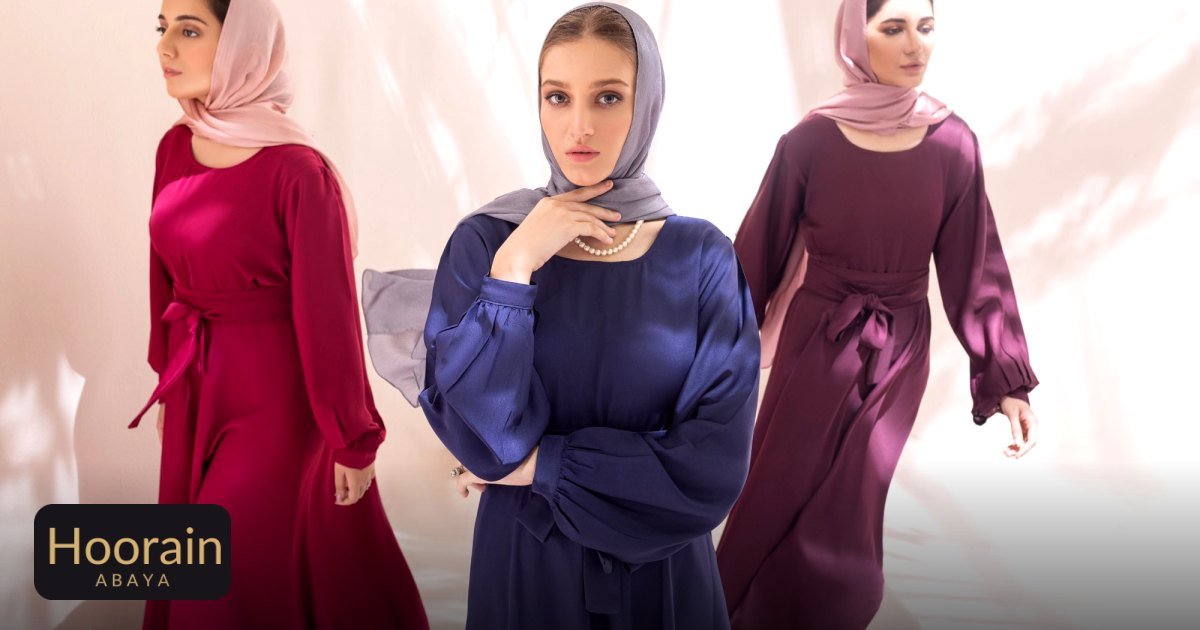
Choosing an abaya for your body shape is less about hiding or changing your figure and more about finding a cut that moves well, feels comfortable in the UAE heat and suits how you like to dress. This guide explains how common silhouettes interact with different shapes, so you can shop online with more confidence. Treat it as a starting point rather than a rulebook, because fit is personal.
Start with proportion and comfort, not labels
Body-shape categories such as pear, apple, hourglass, rectangle and inverted triangle are a useful shorthand, but most people sit somewhere between them. Your shape also changes with age, lifestyle and time of year, and the way you carry yourself matters as much as measurements. So begin with two practical questions: where do you want the eye to rest, and where do you want the fabric to skim rather than cling?
An abaya is a long, loose garment by design, which gives you more freedom than most clothing. The decisions that matter are shoulder fit, where the fabric falls from the shoulder, how much volume sits around the bust, waist and hips, and whether there is a defined waistline or a straight drop. Get the shoulders right first, because a poorly fitted shoulder seam cannot be fixed by anything else in the garment.
Comfort is the second filter. If you are going to wear the abaya for a full working day, a commute and perhaps an evening out, you need room to sit, climb stairs and carry a bag without the fabric pulling. A beautiful abaya that restricts movement will stay in the wardrobe.
Each shape is flattered by a different line
Before reading the table, remember that a line is flattering when it creates balance. If one area is broader, draw attention to a narrower one; if you want more definition, add a belt or a seam. The aim is harmony across the whole outline, not a reduction of any part of it.
The table below gives a general guide. Use it to narrow your options, then check the product details and size notes for the specific piece.
| Body shape | What to look for | What to approach with care |
|---|---|---|
| Pear (fuller hips, narrower shoulders) | Structured shoulders, A-line or gently flared fall, details near the neckline or sleeves | Heavy embellishment at the hem, very stiff fabric that stands away from the hips |
| Apple (fuller midsection) | Open or straight-cut styles, a soft drape from the shoulders, V-shaped or open fronts | Tight belts at the waist, fabrics that cling around the middle |
| Hourglass (defined waist) | Belted or wrap styles, gentle shaping at the waist, fluid fabrics | Boxy, shapeless cuts that hide the waist if you want it shown |
| Rectangle (balanced, straight lines) | Butterfly or farasha styles, layered panels, belts and volume at the sleeves | Plain, narrow columns if you want more movement |
| Inverted triangle (broader shoulders) | Softer shoulders, A-line skirts, detail at the hem, kimono-style sleeves | Padded shoulders, strong shoulder embellishment |
If you are choosing an abaya for body shape reasons, remember that colour plays its part too. Darker, tonal colours create a continuous line, while contrast panels or trims draw the eye to wherever they sit. Place detail where you want attention: at the shoulders to widen the upper frame, at the hem to add presence below, or along the front opening to lengthen.
Height matters alongside shape. On a petite frame, keep the volume contained and the hem accurate so the garment does not overwhelm you. On a taller frame, longer panels and wider sleeves are easy to carry and look elegant.
Style and cut matter as much as shape
Open abayas, worn over an outfit, give you a long vertical line and let your clothes show through, which can elongate the frame. They work for most shapes and are especially forgiving for the apple and rectangle, provided the fabric has enough weight to hang cleanly rather than flap.
Closed abayas, which fasten at the front or slip over the head, offer a more continuous silhouette. They suit those who prefer a clean, uninterrupted look and are easy to wear for work. If you carry weight around the hips or midsection, look for a closed style with a slight A-line so it falls away from the body.
Butterfly, or farasha, cuts add wide, flowing sleeves and a generous body. They create a balanced outline on narrower frames and add visual interest to rectangle shapes. On a fuller frame they can feel like a lot of fabric, so choose a lighter weight and keep the length precise to avoid tripping.
Kimono-style abayas, with a softly crossing front and relaxed sleeves, suit many body types because the front opening draws the eye vertically. Minimalist styles rely on cut and fabric rather than detail, which makes the fit even more important.
When you are narrowing down an abaya for body shape and comfort, try imagining the whole day: the commute, the office chair, the car door, the evening meal. The style that still feels right at the end of that sequence is usually the right one.
Fabric changes how the same cut behaves
Two abayas with an identical pattern can look quite different in different fabrics. Crepe has a smooth, matte fall and a little weight, so it hangs cleanly and is generally forgiving. Nida is a popular, lightweight option that drapes softly and is comfortable for everyday wear. Linen breathes well and suits warmer days, but it creases, so decide whether you like that relaxed look. Chiffon and similar sheer or flowing fabrics add movement and are often used for sleeves and overlays, though they float away from the body and can look voluminous.
If you want to minimise bulk, choose a fabric with a fluid drape rather than a stiff one. If you want structure, for example to balance wider hips, a slightly heavier fabric holds a line better. Always think about the climate: a layer that looks superb indoors may feel heavy outside in the summer months.
Colour and finish count too. A matte surface tends to look calm and even, a subtle sheen catches the light and draws attention, and heavy texture adds visual volume. If you want a streamlined look, pick a matte or softly textured fabric; if you want a feature piece, let the finish do the work.
Lining deserves a mention as well. A smooth lining helps the abaya glide over underlayers instead of catching, while an unlined lightweight fabric is cooler but shows more of what is beneath. Choose according to how often you wear it and what you pair it with.
Measure yourself and read the size notes carefully
Buying online means you cannot try before you commit, so careful measuring is your best protection. Measure your shoulders, bust, waist, hips and your height from shoulder to the floor in the shoes you usually wear. Compare these with the brand’s size information rather than relying on a letter size, because sizing differs between labels.
- Check the shoulder width first, then the sleeve length.
- Look at the bust and hip allowance, since an abaya should skim rather than grip.
- Confirm the overall length against your height and usual footwear.
- Read the fabric description and think about the weather you will wear it in.
- Look at how the model is styled and note the model’s height.
- Check care instructions so the fabric stays in good shape.
If you fall between sizes, think about the cut. A looser, open style often works in the smaller size, while a closed or belted style may need the larger one for comfort. When in doubt, contact the seller and ask for the garment’s flat measurements.
Small adjustments make a good abaya a great fit
Even a well-chosen abaya can benefit from minor changes. A tailor can shorten the hem, adjust sleeve length or take in a seam, usually without changing the character of the garment. Belts add or remove definition as you choose, so one abaya can look different on different days. Underlayers matter too: a smooth, well-fitting inner layer prevents clinging and keeps the outline clean.
Pay attention to how you move, not only how you stand. Walk, sit and raise your arms in front of a mirror. If the fabric pulls or twists, the cut or size is wrong for you, however attractive the photograph looked.
Keep notes on what works. When an abaya fits especially well, write down its shoulder style, length, fabric and cut. Those notes become your personal guide the next time you shop, and they reduce guesswork far more than any general rule.
The best abaya is the one that suits your frame and your day
The verdict is simple. Choose the line that flatters you, the fabric that suits the weather, and the fit that lets you move freely. Pear shapes tend to enjoy a gentle A-line, apple shapes an open or straight drape, hourglass shapes a belted or fluid cut, rectangles volume and layering, and inverted triangles softer shoulders with movement below.
Use these ideas as guidance, then trust your own comfort. You can explore styles and size details at Hoorain Abaya and compare how different cuts suit the way you dress. A thoughtful choice of abaya for body shape pays off every time you wear it.
Finally, be kind to yourself in the process. Shapes vary widely, bodies change, and the most flattering garment is often the one that makes you stand a little taller. Start with one well-fitted piece in a cut you love, and build your collection from there.
For more on this, see our guide on How to choose abaya length body type for a flawless fit.
Explore the full range in our abaya collection to find your next piece.
Frequently Asked Questions
Which abaya cut suits a pear shape?
A gentle A-line with structured shoulders and detail near the neckline or sleeves tends to balance fuller hips. Avoid very stiff fabric that stands away from the hips.
What abaya suits an apple shape?
Open or straight-cut styles with a soft drape from the shoulders usually work well. Be cautious with tight belts and clingy fabrics around the middle.
How should an abaya fit at the shoulders?
The shoulder seam should sit at the edge of your shoulder without pulling or slipping. Shoulder fit is the hardest thing to alter, so check it first.
Which fabric is most forgiving?
Crepe and nida drape cleanly and are generally forgiving for everyday wear. Choose according to the weather and how much structure you want.
What if I am between sizes?
Consider the cut. Open, loose styles often work in the smaller size, while closed or belted styles may need the larger one for comfort.
Shop the collection at Hoorain Abaya →