How Should an Abaya Fit? A Guide to the Perfect Drape
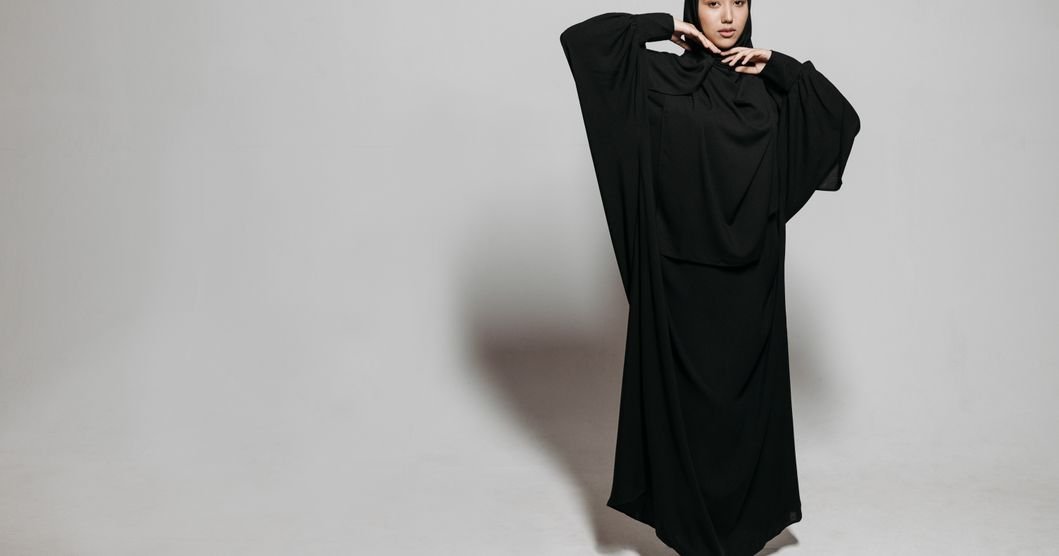
Photo by Pavel Danilyuk on Pexels · Source
Choosing the right fit for an abaya transforms modesty into a statement of effortless elegance. Below we explore the key elements that shape a flawless drape, from shoulders to hemline.
The Art of the Perfect Silhouette: Why Fit Matters
A well‑crafted abaya does more than cover; it sculpts the body into a graceful silhouette that feels both modest and confident.
When the cut follows the natural line of the shoulders and hips, the garment creates a subtle elongation, flattering a wide range of shapes without relying on excessive fabric bulk.
Tailors in the UAE often begin with a base measurement, then adjust for personal preference—whether the wearer prefers a tighter, body‑hugging drape or a looser, flowing effect. The chosen fabric—crepe, chiffon, or lightweight jersey—reacts differently to these adjustments, influencing how the silhouette settles throughout the day.
Because the abaya is meant to move with you, a fit that respects the wearer’s posture and daily activities will retain its shape, preventing unsightly bunching at the waist or shoulders. In short, the right silhouette turns modesty into an effortless style statement.
When layering a light jacket or a decorative belt, the underlying fit becomes the anchor; a well‑balanced base ensures that accessories enhance rather than distort the line, preserving the clean, elongated look that defines a polished abaya.
Shoulder Alignment: Finding the Balance Between Structure and Comfort
Shoulders are the first point of contact between the body and the abaya, so their alignment dictates the garment’s overall poise.
A seam that sits exactly at the edge of the shoulder bone creates a natural frame, while a drop‑shoulder cut can soften a sharp clavicle but may add visual weight if the fabric is too heavy. Choose the style that complements your shoulder width and posture.
Comfort is achieved when the arm can glide into the sleeve without tugging the fabric across the chest. Tailors often add a subtle ease of half an inch at the shoulder seam, allowing the arm to rest naturally while preserving a crisp line when the arm is raised.
When the shoulders sit squarely, the abaya drapes evenly from the neckline to the hem, preventing the dreaded ‘pouch’ effect that can make the silhouette appear boxy. A balanced shoulder fit is therefore the cornerstone of a graceful, modest look.
During a fitting, ask the tailor to ask you to lift your arms and turn slightly; the shoulders should remain level and the seam should not pull away from the skin. Small adjustments such as moving the seam outwards by a centimetre can transform the entire drape, giving the abaya a sleek, runway‑ready finish.
The Sleeve Standard: Achieving the Ideal Length and Width
The sleeve is the silent ambassador of an abaya, signalling both modesty and personal style. A well‑proportioned sleeve frames the arm, allowing the garment to move fluidly while maintaining a dignified line from shoulder to wrist.
Two key measurements dictate comfort: length, measured from the shoulder seam to the cuff, and width, measured around the arm at its fullest point. The ideal length should expose a modest amount of forearm while the width should allow a gentle ease without billowing.
| Sleeve Type | Length (from shoulder) | Recommended Width |
|---|---|---|
| Short | Just above the elbow | Close to the arm, minimal ease |
| Standard | Elbow to just past the wrist | One‑to‑two centimetres of ease for movement |
| Long | Wrist to mid‑forearm or longer | Generous ease, suitable for flowing fabrics |
When selecting width, consider the fabric’s drape; stiffer materials benefit from a tighter cut, whereas fluid fabrics look best with a modest allowance for movement.
For everyday wear in the UAE’s climate, the standard sleeve offers the best compromise—enough coverage to respect modesty while still permitting airflow. If you prefer a more dramatic silhouette, a longer sleeve in a lightweight chiffon can add elegance without sacrificing comfort.
Mastering the Hemline: How Long Should Your Abaya Be?
The hemline is the final brushstroke on an abaya’s canvas, dictating how the garment interacts with the ground and the wearer’s stride. A thoughtfully measured hem ensures the piece looks intentional rather than haphazardly long or abruptly short.
In the UAE, a classic floor‑sweeping length remains the most popular choice for formal occasions, allowing the abaya to glide gracefully as you walk. For everyday wear, a hem that rests just above the ankle offers ease of movement while still preserving modesty.
Personal style also influences length. Taller women may find a slightly longer hem flattering, while those of shorter stature often prefer a modest cut that does not overwhelm their frame. The key is to maintain a visual line that elongates rather than truncates the silhouette.
During a fitting, ask the tailor to let you walk on a carpeted surface; the hem should glide without catching. Small adjustments—raising or lowering the hem by a centimetre—can dramatically improve the overall balance, ensuring the abaya looks polished from head to toe and confidence throughout.
Volume and Flow: Navigating the Drape of Different Fabrics
When selecting an abaya, the weight of the fabric is the first cue that determines how it will fall on the body. Light silks or organza rush forward with a graceful, almost fluid silhouette, while heavier woollen blends create a structured, floor‑to‑floor line that requires a looser cut to avoid a boxy feel.
Mid‑weight materials such as jersey or crepe strike a balance between movement and support. They cling subtly to the waist before spilling out, which can be accentuated with a subtle pleat or a subtle belt. The key is to pair the fabric’s inherent stretch with the cut of the garment; a stiff linen will demand a relaxed fit, whereas a stretch‑rich silk can be tightened for a more tailored look.
Always test a swatch or sample by draping it against the body before finalising the cut. A fabric that flows too freely will lose its shape, while a piece that is too tight will appear restrictive. The goal is a harmonious volume that respects the wearer’s silhouette while allowing effortless movement and enhances the overall modest aesthetic.
Occasion‑Based Fitting: From Everyday Wear to Evening Glamour
For daily commutes or casual outings, a slightly looser fit in the hips and thighs allows breathability while maintaining modesty. A modest cut that grazes the knees keeps the look relaxed yet respectful, and a simple, unadorned collar emphasises comfort over extravagance.
When the event moves into the evening, the abaya should subtly embrace the body. A cinched waist or a discreet belt can highlight shape without compromising coverage. Adding a touch of embellishment—such as a subtle embroidery line or a modest brooch—offers a hint of elegance that is perfect for dinner parties or cultural celebrations.
In a formal setting like a wedding or a gala, precision becomes paramount. A tailored cut that follows the natural lines of the torso, combined with a length that falls just below the ankles, provides a sophisticated silhouette. Pair this with a structured sleeve—short or elbow‑length—to balance modesty with a polished finish.
- Check that the hip line falls at the widest part of the hips.
- Ensure sleeves cover the elbows but not the wrists.
- Confirm the length reaches just below the ankles for formal wear.
- Choose a waistline that subtly accentuates the natural waist.
- Verify that the collar sits comfortably without pulling at the neckline.
The Hoorain Verdict: Elevating Your Modest Wardrobe Through Precision
Hoorain Abaya is built on a philosophy that every garment should celebrate the wearer’s individuality while adhering to modesty. Our designers meticulously tailor each piece to respect natural curves, ensuring that the abaya drapes comfortably yet elegantly.
Precision begins with a careful assessment of body measurements—shoulder width, chest circumference and hip span—followed by a choice of fabric that complements the intended occasion. By aligning the cut with the wearer’s proportions, we reduce bulk and enhance movement, creating a seamless flow that feels both confident and modest.
Choosing the right fit from the outset not only boosts confidence but also extends the lifespan of the garment. A well‑fitted abaya requires fewer adjustments, retains its shape after repeated wear, and allows you to focus on the subtle details that define modest fashion in the UAE. Embrace the Hoorain difference, and let precision guide your style journey.
At Hoorain, we also provide bespoke fitting consultations, allowing you to experiment with different sleeve lengths and waist‑adjustments. This personalised touch ensures that each abaya not only meets cultural expectations but also reflects your personal style.
Frequently Asked Questions
Should an abaya touch the floor?
Ideally, an abaya should sit just above the floor to prevent tripping and maintain cleanliness. For formal occasions, a slight graze is acceptable, but everyday styles should clear the ground by a few centimetres.
How do I know if the shoulders are too tight?
You should be able to move your arms freely without the fabric pulling across your back or chest. If the seam sits significantly above your natural shoulder line, the fit is likely too restrictive.
What is the ideal sleeve length for a modest fit?
The sleeve should typically end at the wrist bone or slightly beyond to ensure full coverage when moving. If you prefer a more contemporary look, some styles allow for a slightly tapered or elongated cuff.
Does the fabric type affect how an abaya fits?
Yes, heavier fabrics like crepe provide more structure and hold their shape, while lighter silks or chiffons drape more fluidly. You may need to adjust your size based on how much flow the material offers.
Can I wear heels with a standard-length abaya?
If you plan to wear heels, you should choose an abaya that is slightly longer than your usual flat-shoe measurement. This ensures the hemline still reaches your ankles, maintaining the intended modest silhouette.