Timeless Hijab Abaya Colour Combinations for Every Style
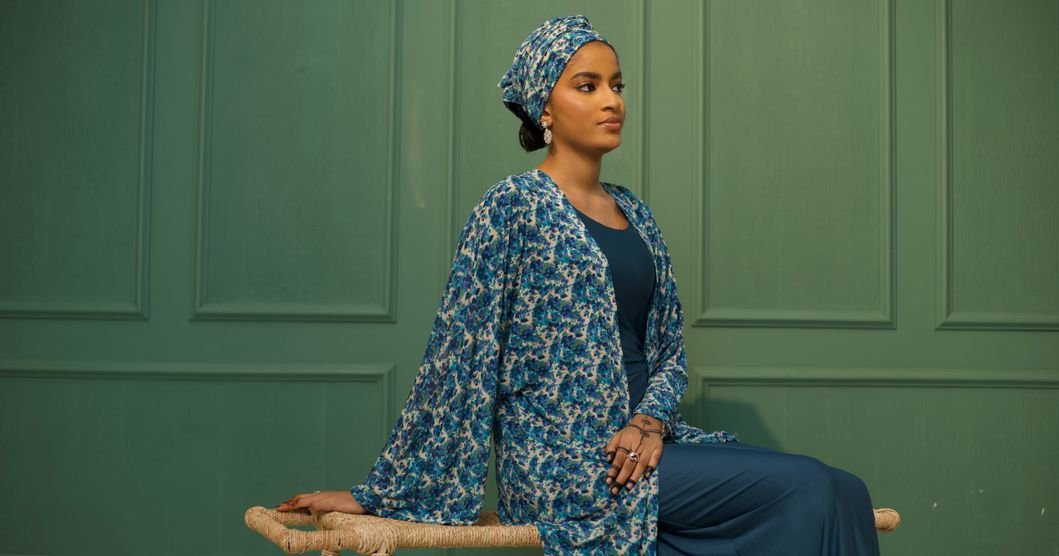
Photo by Taiye Salawu on Pexels · Source
Choosing the right colour pairings for hijab and abaya can turn a simple outfit into a statement of elegance and confidence. Whether you are heading to a business meeting in Dubai or a weekend brunch in Abu Dhabi, the right combination enhances your personal style while respecting modesty.
The Fundamentals of Hijab and Abaya Colour Theory
Colour theory for modest fashion rests on three pillars: hue harmony, value contrast, and undertone alignment. Hue harmony refers to the relationship between colours on the colour wheel – analogous shades sit side‑by‑side, while complementary colours sit opposite. Understanding this relationship helps you decide whether to blend or juxtapose tones.
Value contrast deals with the lightness or darkness of a shade. Pairing a deep navy abaya with a lighter ivory hijab creates visual balance, preventing the ensemble from appearing flat. Conversely, matching two dark values can convey a sleek, elongated silhouette.
Undertone alignment ensures that warm and cool tones sit together harmoniously. A warm caramel abaya pairs effortlessly with a soft peach hijab, while a cool slate abaya looks refined alongside a muted lavender hijab. Ignoring undertones can result in a clash that feels jarring rather than intentional.
Finally, consider the setting and lighting. Natural daylight accentuates subtle undertones, whereas indoor lighting can mute softer hues. Adjusting your palette to the environment guarantees that your colour choices remain flattering from sunrise to sunset.
Classic Monochrome: Sophisticated Tonal Pairings
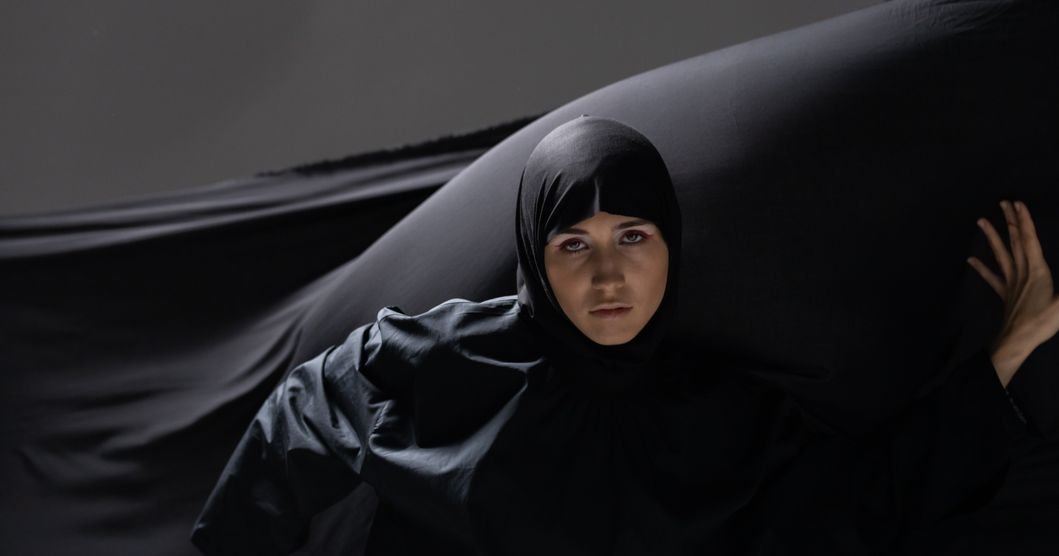
Monochrome looks rely on a single colour family, varying only in depth and texture. This approach offers a timeless elegance that works for both formal occasions and everyday wear. By playing with different shades of the same hue, you create depth without sacrificing cohesion.
When selecting a monochrome palette, start with the darkest element – typically the abaya – and layer lighter shades in the hijab, accessories, or even subtle embroidery. This gradient effect elongates the silhouette and adds a quiet drama.
| Abaya Shade | Hijab Shade | Effect |
|---|---|---|
| Midnight Navy | Soft Sky Blue | Calm authority with a hint of freshness |
| Charcoal Grey | Pale Silver | Modern minimalism with subtle sparkle |
| Rich Burgundy | Blush Rose | Warm sophistication with a feminine touch |
The key to success lies in texture. Pair a matte, flowing abaya with a silk or chiffon hijab to introduce tactile contrast while staying within the same colour family. This subtle interplay keeps the look from feeling flat.
Monochrome ensembles also lend themselves to effortless accessorising. Metallic jewellery, a structured leather bag, or a pair of pointed shoes in a matching tone can complete the outfit without disrupting the colour harmony.
Neutral Harmony: Earthy Tones for Everyday Elegance
Neutral palettes draw inspiration from the desert landscape – think sand, stone, and muted greens. These colours are inherently versatile, allowing you to transition from office to evening with minimal adjustments. Their understated nature makes them ideal for daily wear.
Start with a base of warm camel or soft taupe for the abaya, then introduce a complementary neutral hijab such as dusty olive or muted ivory. The slight shift in hue adds visual interest while maintaining a cohesive look.
Layering different fabrics enhances the neutral story. A linen‑blend abaya paired with a lightweight jersey hijab creates depth through material contrast, not colour. This technique is especially effective in the UAE’s varied climate, offering breathability without compromising style.
Accessories in natural materials – wooden bangles, woven tote bags, or leather sandals – echo the earthy palette and reinforce the harmonious vibe. Even a subtle pop of muted gold jewellery can elevate the ensemble without breaking the neutral flow.
Because neutral tones are forgiving, you can experiment with subtle patterning, such as a faint herringbone abaya or a micro‑floral hijab. The key is to keep the pattern tone‑on‑tone, ensuring the overall impression remains refined and effortless.
Striking Contrasts: Making a Modern Fashion Statement
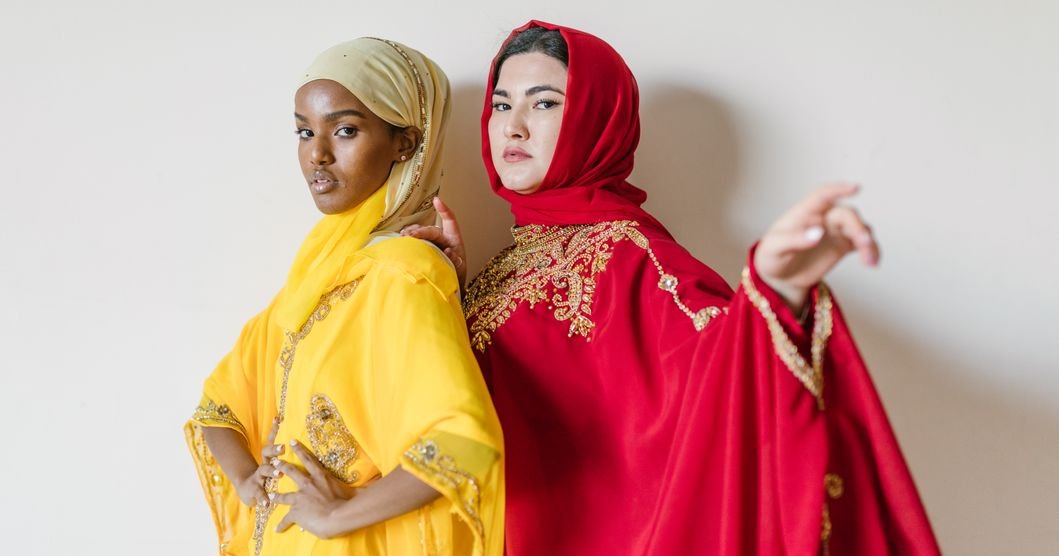
Bold contrast is the playground of contemporary modest fashion. Pairing a deep, saturated abaya with a bright, opposite‑hue hijab creates a dynamic visual impact that commands attention. This strategy works particularly well for special events, launch parties, or when you simply want to stand out.
Colour‑wheel opposites such as emerald green with magenta, royal teal with coral, or classic black with mustard yellow generate instant energy. When selecting contrasting shades, keep the abaya as the anchor – a solid, structured piece – and let the hijab provide the splash of colour.
Balance is crucial. If the hijab is a vivid hue, tone down the rest of the outfit with minimal jewellery and neutral shoes. Conversely, a more subdued hijab allows you to experiment with statement accessories, like a sculptural clutch or patterned shoes.
Texture again plays a supportive role. A glossy satin hijab against a matte, draped abaya accentuates the colour contrast while adding a tactile dimension. This interplay ensures the look remains sophisticated rather than chaotic.
Finally, consider the backdrop. In a cityscape of glass and steel, a bright hijab against a dark abaya pops dramatically; in a garden setting, softer contrasts blend harmoniously with the surroundings. Tailoring the contrast to the venue guarantees that your style feels intentional and polished.
Seasonal Palettes: Choosing Colours for Every Climate
When the desert sun shifts from the gentle blush of spring to the crisp hush of winter, the colour of your hijab and abaya can echo the landscape while keeping you comfortable.
In spring, pastel tones such as soft peach, muted lavender or a warm ivory create a breezy silhouette. Pair a light‑weight chiffon hijab in dusty rose with a flowing linen abaya in ivory for a look that feels both airy and modest.
Summer calls for richer, sun‑kissed hues. Emerald green, royal teal or a deep coral can stand up to high temperatures while still offering a sophisticated contrast. A silk hijab in teal paired with a breezy cotton‑blend abaya in a neutral sand tone keeps the outfit cool and visually striking.
Autumn introduces earthy depth. Burnt orange, mahogany and muted olive echo the changing foliage. A lightweight wool‑blend hijab in olive paired with a structured crepe abaya in burnt orange creates a balanced, layered effect that works well for both office and evening gatherings.
- Spring: ivory abaya + dusty‑rose hijab.
- Summer: sand‑tone abaya + teal silk hijab.
- Autumn: burnt‑orange abaya + olive wool‑blend hijab.
- Winter: deep navy abaya + ivory cashmere hijab.
- All‑year: classic black abaya with a contrasting pastel hijab.
Texture and Tone: Enhancing Your Chosen Palette
Beyond hue, the tactile quality of each piece can either amplify or mute the visual impact of your hijab abaya colour combinations. A smooth silk hijab reflects light, drawing attention to a muted abaya, whereas a matte crepe abaya can ground a vibrant, glossy hijab.
| Hijab Fabric | Abaya Fabric | Why It Works |
|---|---|---|
| Silk | Cotton‑Linen Blend | Silk adds sheen; the breathable blend keeps the palette balanced. |
| Chiffon | Crepe | Lightweight chiffon drapes over the structured crepe, creating depth without bulk. |
| Cashmere | Wool‑Blend | Warm cashmere pairs with a heavier wool blend for winter, unifying tone and temperature. |
Tone refers to the underlying temperature of a colour – cool blues versus warm reds. When you match a cool‑toned hijab with a warm‑toned abaya, the contrast creates visual intrigue without clashing. Conversely, pairing like tones produces a seamless, elongated silhouette that is especially flattering for taller frames.
Experiment with texture first, then adjust tone to suit the occasion. A matte hijab in a pastel shade can soften a bold, embroidered abaya for a daytime gathering, while a glossy, jewel‑tone hijab pairs beautifully with a simple, monochrome abaya for evening prayers. The key is balance, not rigidity.
Final Verdict: Elevating Your Look with Hoorain Abaya
Choosing the right hijab abaya colour combinations is more than a fashion exercise; it is a dialogue between personal expression and cultural nuance. By aligning season, texture and tonal temperature, you create ensembles that feel effortless yet intentional, allowing you to move confidently from sunrise prayers to sunset gatherings.
Hoorain Abaya curates each piece with an eye for colour harmony, offering a spectrum that ranges from muted earth tones to vibrant jewel shades. Our designers source breathable fabrics that respond to the UAE climate, ensuring that every hijab and abaya not only looks cohesive but also feels comfortable throughout the day.
To maximise impact, start with a base abaya in a neutral shade and layer a hijab that either mirrors the undertone or introduces a complementary accent. For example, a sand‑coloured abaya paired with a teal silk hijab adds a pop of colour without overwhelming the silhouette. Finish the look with subtle accessories that echo the hijab’s hue.
Embrace these timeless hijab abaya colour combinations and let Hoorain Abaya be your guide to effortless elegance. Browse our latest collection online, experiment with the palettes we recommend, and discover how a thoughtful colour story can transform everyday modest wear into a statement of personal style.
Frequently Asked Questions
What hijab colours work best with a classic black abaya?
A black abaya offers a versatile canvas that pairs beautifully with almost any shade. For a sophisticated look, consider deep jewel tones like emerald or burgundy, or opt for soft pastels to create a gentle contrast.
Can I pair a patterned hijab with a solid colour abaya?
Yes, a patterned hijab is an excellent way to add visual interest to a solid-coloured abaya. Ensure that at least one colour within the pattern matches or complements the base tone of your abaya for a cohesive finish.
How do I choose a hijab colour based on my skin tone?
Generally, warm skin tones look radiant in earthy shades like gold, olive, and terracotta. Those with cooler undertones often find that silver, lavender, and crisp blues enhance their natural complexion most effectively.
Is it better to match or contrast the hijab and abaya?
Both approaches are stylish depending on the desired effect. Matching creates a streamlined, elongated silhouette known as monochrome styling, while contrasting allows you to highlight specific features and express personal creativity.
What are the most popular colour combinations for formal events?
For formal occasions, many prefer rich, dark pairings such as navy with silver or charcoal with plum. Alternatively, champagne and cream combinations offer a timelessly luxurious aesthetic that suits evening gatherings perfectly.