
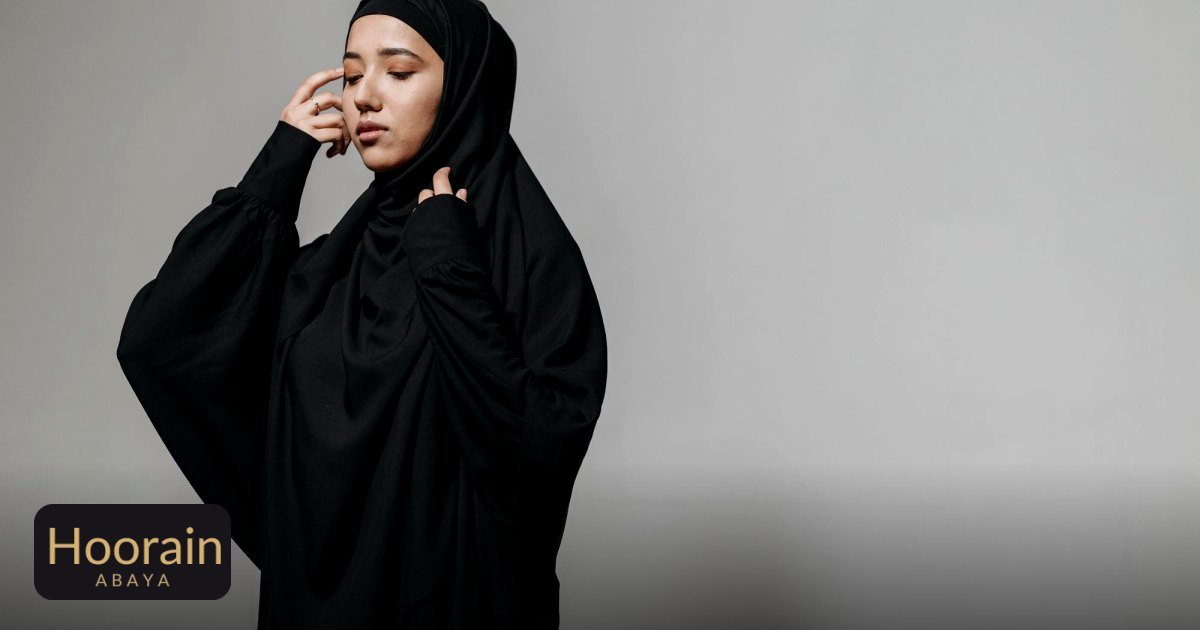
Good abaya styling ideas are less about owning more pieces and more about knowing how to wear the ones you have. Whether you are heading to an office in Dubai, a school run in Sharjah or lunch in Abu Dhabi, a few simple choices on cut, fabric and finishing touches make an abaya look deliberate rather than default. This guide covers the practical side of dressing modestly for work and everyday life in the UAE.
Start with the cut that suits your day
The silhouette of an abaya decides how it behaves when you walk, sit, drive and carry things. Before thinking about colour or detail, match the cut to what your day looks like.
- Closed abaya: a slip-on style with no front opening. It is the most streamlined option and works well when you want a clean line with no layering decisions to make.
- Open abaya: worn like a long coat over an outfit. It gives you the most room to style the layer underneath and is easy to adjust in a warm room.
- Butterfly or farasha style: a wide, flowing shape with generous sleeves. It looks elegant and relaxed, though it can be bulky in a crowded lift or when driving, so it suits days with more freedom to move.
- Kimono style: a lighter, softer cut with a relaxed sleeve, often chosen for casual outings and warmer afternoons.
- Minimalist straight cut: narrow sleeves, a fitted shoulder and a plain front. This is the safest option for professional settings.
If you only add one new piece to your wardrobe for work, a minimalist straight cut in a structured fabric tends to be the most versatile. Our abaya collection is organised so you can compare cuts side by side before you decide.
Choose fabrics that look sharp and feel comfortable
Fabric does as much for the finished look as the cut. In the UAE climate you move constantly between intense heat outdoors and strong air conditioning indoors, so the right fabric needs to cope with both.
Crepe has a gentle drape and resists creasing, which makes it a dependable choice for workdays. Nida is a soft, slightly matte fabric that falls neatly and is popular for everyday abayas because it is easy to wear and relatively easy to care for. Linen and linen blends feel airy and look relaxed, though they crease more, so they suit casual days better than back-to-back meetings. Chiffon works best as a sleeve, panel or overlay rather than as the whole garment, adding movement without too much weight.
A useful test in the fitting room or at home: sit down, lift your arms and walk a few steps. If the fabric clings, rides up or feels stiff, it will be tiring to wear for a full day.
Build the outfit underneath, because the layer underneath matters
With an open abaya especially, the layer underneath matters as much as the abaya itself. A well-chosen inner outfit also means you can remove the abaya indoors and still look put together.
For the office
Try a tailored sleeveless or short-sleeved dress in a neutral tone, or a crisp shirt tucked into wide-leg trousers. Keep the inner layer a similar length to or slightly shorter than the abaya so there is no uneven hem visible at the front.
For everyday errands
A long jersey tunic with straight trousers is comfortable and quick. Choose breathable cotton or a soft viscose blend so you stay cool when you step outside.
For colder, over-air-conditioned spaces
A thin knit or lightweight long cardigan under an open abaya adds warmth without adding bulk. It is a small change that makes long meetings and cinemas much more comfortable.
Make a plain black abaya work harder
A plain black abaya is the backbone of many wardrobes, and it can be styled in very different ways without buying anything new. Think of it as a frame and change what sits inside it.
- Add a belt: a slim belt over an open abaya defines the waist and turns a loose shape into a tailored one. Metallic or leather finishes both work.
- Play with the scarf: a soft neutral, a muted print or a deep jewel tone changes the mood completely. Keep the fabric light so it stays comfortable.
- Go tonal: beige, stone and soft grey underneath a black abaya give a quiet, expensive look that suits the office.
- Change the shoe: loafers read professional, ballet flats read relaxed, and a low block heel dresses everything up.
The same approach works in reverse for coloured abayas: keep the accessories calm and let the abaya lead.
Compare styling options for common situations
The table below gives a quick reference for pairing cut, fabric and accessories with the setting you are dressing for.
| Situation | Suggested cut | Suggested fabric | Finishing touches |
|---|---|---|---|
| Office and meetings | Minimalist straight or lightly open | Crepe or nida | Belt, neutral scarf, structured bag |
| School run and errands | Closed or kimono style | Nida or soft linen blend | Flat shoes, crossbody bag |
| Casual lunch or coffee | Open or butterfly style | Light crepe with chiffon sleeves | Printed scarf, simple jewellery |
| Long travel day | Closed, relaxed fit | Breathable, crease-resistant blend | Comfortable shoes, large tote |
Finish with accessories that keep it polished
Accessories are where personal style shows, and in modest dressing they carry more weight because the silhouette is quieter. A few guidelines keep things looking considered.
- Choose one focal point: a statement bag or a bold scarf or distinctive shoes, but not all three together.
- Match your metals. Gold or silver tones across watch, earrings and belt buckle look more cohesive.
- Pick a bag that works with the abaya sleeve. A top handle or crossbody is easier than a bulky shoulder bag that catches on wide sleeves.
- Keep sunglasses, a small umbrella or a light shawl in your bag so you are ready for the heat and the air conditioning.
Looking after your abayas so they keep looking good
Even the best styling falls flat if the abaya looks tired. Check the care label first and follow it, as fabrics and embellishments differ. In general, wash gently or have delicate pieces cleaned, steam rather than press hard on detailed areas, and hang abayas on wide hangers so the shoulders keep their shape. Store them away from direct sunlight to avoid fading, and give embellished pieces their own space so beading and embroidery do not snag.
The simplest verdict: pick a cut you can move in, a fabric that suits the climate, a tonal outfit underneath and one accessory that expresses your taste. With those four decisions made, you can rotate a small number of abayas through a working week without repeating yourself. When you are ready to build your own rotation, browse the full range at Hoorain Abaya and compare styles that fit your routine.
Explore the full range in our abaya collection to find your next piece.
Frequently Asked Questions
What is the best abaya style for the office?
A closed or lightly open abaya in a structured fabric such as crepe or nida usually looks the most polished at work. Clean lines, a modest sleeve and a hem that clears the floor are easier to manage through a long day.
How can I make a plain black abaya look different each day?
Change what sits around it rather than the abaya itself. A different scarf, belt, bag, shoe or inner layer can shift the whole look, and a tonal outfit underneath gives a more refined effect than contrast.
Which abaya fabrics cope best with the UAE heat?
Breathable fabrics such as linen blends, light crepe and soft chiffon layers tend to feel more comfortable outdoors. Heavier fabrics are fine for air-conditioned offices but can feel warm during the commute.
Can I wear an open abaya to work?
Yes, if the layer underneath is itself modest and professional. Many women pair an open abaya with a tailored dress or a long tunic and wide-leg trousers, and fasten it with a belt or buttons when they want a neater line.
How should an abaya fit?
It should skim the body without pulling at the shoulders or bust, allow you to lift your arms and sit comfortably, and finish just above the floor in the shoes you plan to wear. Sleeves should reach the wrist without bunching.
Shop the collection at Hoorain Abaya →