Abaya Price in UAE: What You Really Pay at Every Budget
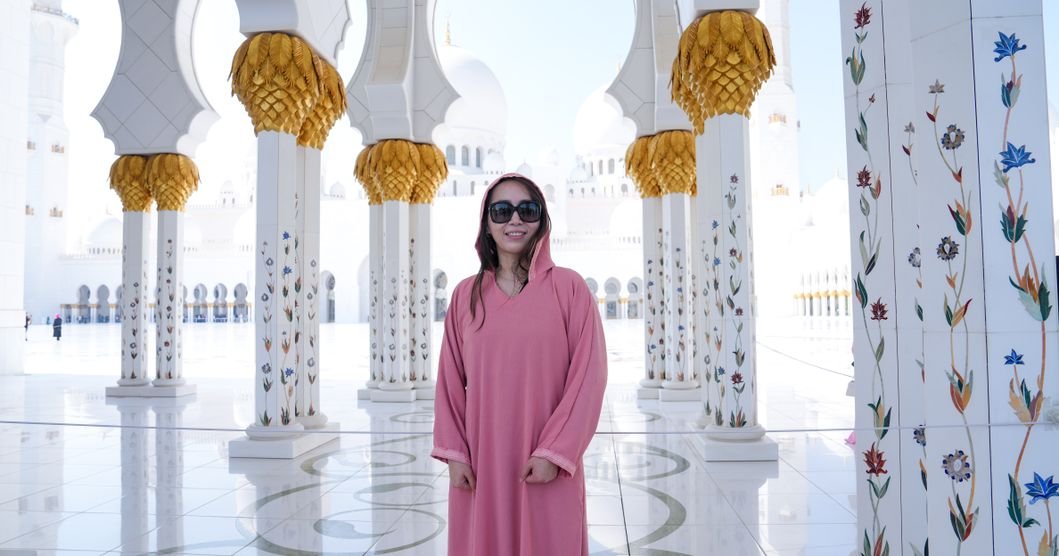
Photo by This And No Internet 25 on Pexels · Source
In the ever‑evolving world of modest fashion, the abaya remains the cornerstone of style across the UAE. Whether you are strolling through the souks of Dubai or attending a high‑tea in Abu Dhabi, understanding what you truly pay for helps you curate a wardrobe that feels both personal and purposeful.
Understanding the Abaya Market in the UAE
The UAE’s abaya market is a tapestry woven from traditional craftsmanship, contemporary design houses, and a thriving online ecosystem. Local ateliers often blend hand‑embroidered motifs with modern silhouettes, while larger retailers provide ready‑to‑wear collections that cater to everyday wear. This diversity means shoppers can move fluidly between heritage pieces and trend‑forward options without leaving the city.
Supply chains in the region are heavily influenced by the availability of premium fabrics such as silk, chiffon, and fine cotton, many of which are imported from established textile hubs. Seasonal collections are timed to align with cultural events, Ramadan, and the wedding calendar, creating peaks in both demand and creative output. As a result, the market rhythm encourages designers to experiment with colour, layering, and subtle detailing.
Consumer expectations have shifted from purely modest to fashion‑forward, prompting brands to incorporate contemporary elements like asymmetrical cuts, statement sleeves, and tasteful embellishments. This evolution has broadened price categories, allowing shoppers to find pieces that match their aesthetic ambition as well as their budget.
Finally, the rise of digital showrooms and social‑media‑driven marketing has made it easier to compare styles, read reviews, and gauge the reputation of a maker before making a purchase. The modern buyer is thus equipped with more information than ever, turning the act of buying an abaya into a curated experience rather than a simple transaction.
Budget‑Friendly Options: What You Can Expect
When you set out to find an affordable abaya, the primary focus is on simplicity of design and the use of readily available fabrics. Expect clean lines, minimal embellishment, and a relaxed fit that prioritises comfort for daily wear. Many budget‑friendly pieces are produced in larger batches, which helps keep costs down without compromising basic quality.
Typical material choices include lightweight polyester blends, modest cotton twills, and basic jersey. These fabrics are chosen for durability and ease of care, meaning you can machine‑wash most pieces without fear of damage. While the stitching may be less intricate than higher‑priced alternatives, reputable brands still ensure reinforced seams at stress points such as the shoulders and cuffs.
- Designs often feature classic, straight silhouettes that can be layered over modest basics.
- Colour palettes lean towards timeless neutrals—black, navy, and muted earth tones—though occasional seasonal pops of pastel appear.
- Optional accessories like detachable belts or simple embroidered patches add a touch of personality without inflating the price.
In terms of shopping experience, many budget retailers provide generous return policies and size guides, making it easier for first‑time buyers to find a comfortable fit. While you may not encounter hand‑crafted detailing, the overall look remains polished enough for office settings, casual outings, or family gatherings.
Overall, a budget‑friendly abaya offers a reliable foundation for a modest wardrobe, delivering everyday elegance that can be mixed and matched with a variety of accessories and footwear.
Mid‑Range Selections: Balancing Style and Quality
Mid‑range abayas strike a harmonious balance between refined aesthetics and sensible pricing, appealing to shoppers who desire a step up from basics without venturing into luxury territory. Here, designers begin to experiment with subtle texture, modest embellishment, and more tailored cuts, while still maintaining accessibility.
Fabric choices often include higher‑grade cotton blends, soft chiffon, and lightweight silk‑like materials that drape gracefully. These textiles provide a smoother silhouette and a more luxurious feel against the skin, yet they remain easy to maintain with gentle hand‑washing or low‑temperature machine cycles.
| Feature | Budget | Mid‑Range | Premium |
|---|---|---|---|
| Fabric | Polyester blend | Fine cotton/chiffon | Silk/hand‑woven |
| Embellishment | Minimal | Selective embroidery, tone‑on‑tone | Extensive beadwork, sequins |
| Fit | Relaxed | Tailored, slight shaping | Structured, custom drape |
| Production | Mass‑produced | Limited runs, semi‑handcrafted | Made‑to‑order, artisan |
The design language in this segment often incorporates contemporary details such as asymmetrical hemlines, subtle cut‑outs, or modestly oversized sleeves. These touches allow the wearer to express individuality while respecting cultural expectations of modesty.
- Colour selections expand to include soft pastels, muted jewel tones, and occasional seasonal prints.
- Accessories like detachable belts, coordinated hijab scarves, or discreet pocket linings become more common.
- Quality control is heightened, with double‑stitched seams and reinforced hems that enhance durability.
Shopping in the mid‑range tier frequently involves a more personalised service, whether through in‑store styling consultations or online chat support that helps you choose the right length, sleeve style, and fabric weight for your climate and lifestyle.
Premium and Designer Pieces: The Luxury Experience
At the upper end of the spectrum, abayas transform into works of art, where every stitch, fabric, and silhouette is meticulously curated. These pieces are often the result of collaborations between seasoned artisans and visionary designers, producing garments that command attention on both the street and the runway.
Materials are sourced from elite mills, featuring genuine silk, hand‑woven brocade, and finely brushed wool blends that respond beautifully to the UAE’s climate. The tactile experience is unmistakable—soft, breathable, and draping with an effortless elegance that elevates any ensemble.
Embellishment reaches a new level of sophistication, with hand‑applied sequins, mother‑of‑pearl buttons, and intricate threadwork that reflects traditional motifs reinterpreted for a modern audience. These details are often placed strategically to accentuate movement, catching the light as the wearer walks.
- Silhouettes may include architectural draping, structured peplums, or layered overlays that create depth without sacrificing modesty.
- Colour palettes embrace deep, saturated hues alongside classic neutrals, occasionally featuring bespoke dye‑work that ensures each piece is truly one‑of‑a‑kind.
- Finishing touches such as hand‑stitched hems, custom linings, and discreet branding reinforce the sense of exclusivity.
Purchasing a premium abaya is frequently accompanied by a bespoke service—personal measurements, private fittings, and after‑care guidance that extends the garment’s lifespan. The result is not merely clothing, but an heirloom‑quality statement that reflects personal style, cultural pride, and an appreciation for craftsmanship.
Hidden Costs to Watch for When Shopping
When you first glance at an abaya, the label price can feel straightforward, but a range of ancillary expenses often appears once the piece reaches your wardrobe. Understanding these hidden costs helps you avoid surprise out‑of‑pocket spending and keeps your budget on track.
Tailoring is the most common extra. Even a well‑crafted ready‑to‑wear abaya may need adjustments to the length, sleeve opening or side seams to achieve a flawless silhouette. Skilled alterations, especially those involving delicate fabrics or intricate embroidery, can add a noticeable charge. Similarly, embellishment upgrades—such as hand‑sewn sequins, beading or appliqué—are frequently offered as optional upgrades that increase the final amount.
Other subtle fees include shipping or delivery fees for online purchases, especially when the retailer offers express service to meet a special occasion. Customs duties may apply for items sourced from abroad, and some stores charge a modest care‑package fee for premium cleaning or storage solutions. Finally, consider the long‑term maintenance cost of delicate fabrics; regular professional cleaning can become a recurring expense that influences the true value of the abaya.
Tips for Getting the Best Value at Any Price Point
The smartest shoppers treat each abaya purchase as a small project rather than a spontaneous impulse. Begin by mapping the style you need—whether it’s a minimalist black drape for daily wear or a richly embellished piece for a wedding. Once the silhouette is clear, compare collections across local boutiques and reputable online platforms, paying close attention to fabric composition, stitching density and the reputation of the designer. Timing matters: many retailers introduce new lines in the cooler months, which often coincides with end‑of‑season clear‑outs that present genuine value without compromising on craftsmanship.
Quality signals are easier to spot when you know what to look for. A tightly woven crepe or a buttery soft silk will retain its drape after repeated wear, while loose stitching may unravel at the seams. Examine the finishing touches—hand‑stitched hems, concealed side panels and reinforced buttonholes—because these details usually survive the rigours of daily modest dressing. When you encounter a price that feels unusually low, verify that the piece is not a knock‑off or that hidden fees have not been bundled into the headline figure.
- Set a clear budget range before you start browsing.
- Inspect the fabric by feeling for weight and sheen; premium fibres feel substantial yet fluid.
- Ask the retailer about the origin of the material and any after‑sale care services.
- Take advantage of loyalty programmes or complimentary tailoring offers.
- Document the final cost, including any shipping or alteration fees, to compare true value.
Verdict: Which Price Tier Suits Your Lifestyle?
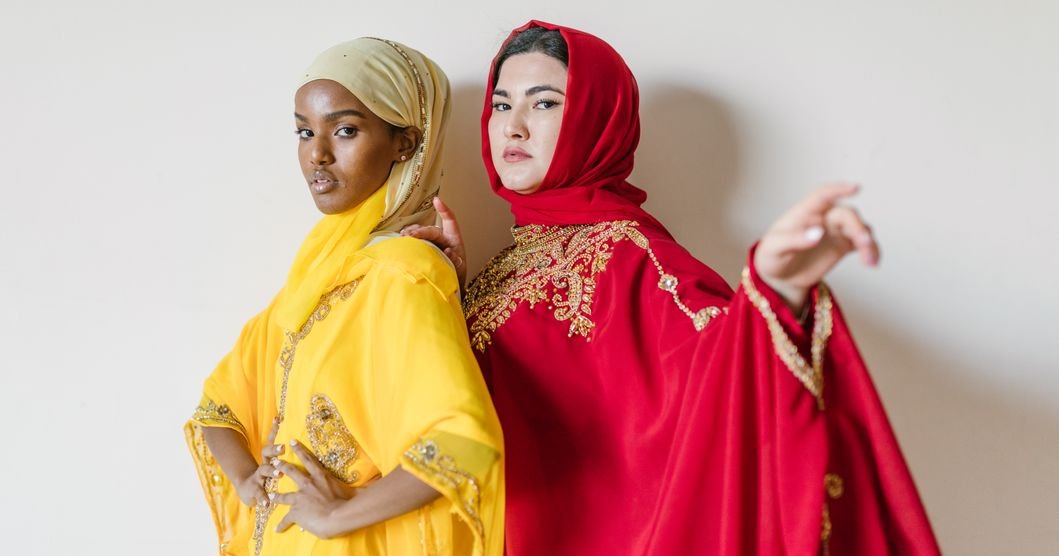
In the UAE’s modest‑fashion scene, abaya price tiers align with the rhythm of daily life. A value‑focused tier—simple cuts, modest embellishment and durable synthetic blends—works for professionals who change outfits several times a week and need pieces that survive the heat without constant dry‑cleaning. The mid‑range tier introduces natural fibres such as high‑grade crepe or lightweight jersey, alongside subtle hand‑work; this tier suits social‑but‑practical wardrobes, where you attend both office meetings and evening gatherings. The premium tier, featuring silk, fine chiffon or hand‑embroidered details, caters to those who view the abaya as a statement garment for special occasions and who are comfortable allocating a higher portion of their fashion budget to a few standout pieces.
Consider how much you value personalisation. If you relish a bespoke fit and are willing to invest in occasional tailoring, the mid‑range and premium tiers deliver a rewarding return on style. Conversely, if you prefer a plug‑and‑play approach—selecting a ready‑to‑wear silhouette that looks polished straight from the rack—the value tier provides reliable comfort with minimal extra outlay.
Ultimately, the best price tier mirrors the balance between your social calendar, your tolerance for upkeep and the emotional weight you place on each abaya. A busy executive with a packed agenda may find the value tier the most pragmatic, while a fashion‑forward influencer who curates a curated Instagram feed will likely gravitate toward the premium tier. The sweet spot for many residents sits in the mid‑range, offering enough luxury to feel special without the commitment of high‑maintenance care.
Frequently Asked Questions
How much does a basic cotton abaya usually cost in the UAE?
A basic cotton abaya typically falls into the budget‑friendly range, offering simple designs and modest detailing without premium embellishments. It provides comfort and everyday wearability while keeping the price accessible.
What distinguishes a mid‑range abaya from a luxury one?
Mid‑range abayas often feature higher‑quality fabrics, subtle stitching and modest decorative elements, whereas luxury pieces use premium materials, intricate embroidery and designer branding. The difference is reflected in the level of craftsmanship and the exclusivity of the design.
Are there additional fees I should anticipate when buying an abaya in the UAE?
Yes, consider tailoring adjustments, shipping if ordering online, and occasional seasonal taxes or service charges that can affect the final amount. These extras are usually modest but can add up, especially for premium selections.
Can I find ethically sourced fabrics at affordable price points?
Many local boutiques now offer sustainably produced fabrics even in their budget lines, though the selection may be more limited compared to higher‑end collections. Look for clear labelling or certifications that confirm ethical sourcing.
How often should I refresh my abaya wardrobe to stay on trend?
Updating key pieces each season—especially for work or formal occasions—helps maintain a fresh look, while classic basics can be retained for several years. A balanced approach ensures you stay stylish without over‑investing.