Abaya and Hijab Styling: A Beginner's Step‑by‑Step Guide
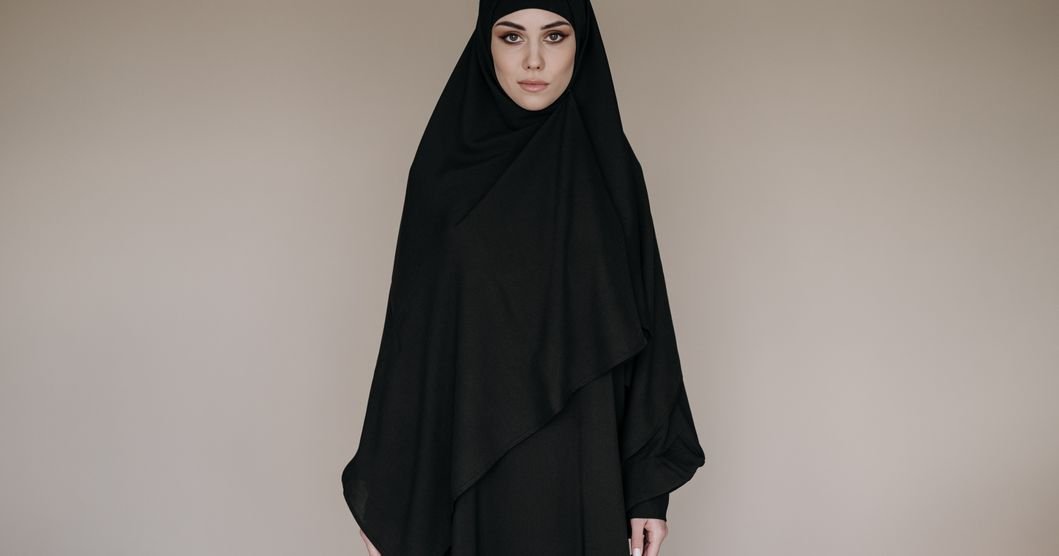
Photo by Pavel Danilyuk on Pexels · Source
Stepping into the world of abaya and hijab styling can feel like opening a fresh wardrobe full of possibilities. Whether you are dressing for work, a social gathering, or a casual outing, a thoughtful approach to style will help you feel confident and comfortable. Below we break down the essential steps for beginners, guiding you from personal style discovery to polished, cohesive ensembles.
Understanding Your Personal Style and Body Shape
Before you reach for any garment, take a moment to reflect on the aesthetic that resonates with you. Do you gravitate towards minimalist silhouettes, or do you love the drama of intricate embellishments? Your personal style acts as a compass, directing your choices in colour, texture and detailing.
Equally important is recognising your body shape. An hourglass figure often benefits from a fitted waistline that accentuates curves, while a rectangular shape can be balanced with strategic volume at the hips or shoulders. Pear‑shaped silhouettes may feel more harmonious when the abaya adds gentle width at the bust, drawing the eye upward. Meanwhile, apple‑shaped bodies often appreciate a slightly looser cut that skims the midsection without clinging.
Identify the features you wish to highlight and those you prefer to soften. This self‑awareness will inform the cuts, fabrics and accessories you select, ensuring each outfit feels uniquely yours.
Choosing the Right Abaya Fabric and Cut
The fabric you choose determines not only the drape of the abaya but also its comfort level throughout the day. Lightweight crepe offers a fluid silhouette that moves gracefully, making it ideal for warm climates. Heavier fabrics such as woven silk or soft wool provide structure and a luxurious feel, perfect for evening occasions.
When it comes to cut, consider whether you prefer a classic straight line, a slightly flared silhouette, or a modern asymmetrical hem. A straight cut offers timeless elegance and works well with most body types, while a flared style adds volume that can balance broader shoulders. Asymmetrical hems create visual interest and are a subtle way to experiment with contemporary trends.
| Fabric | Weight | Seasonal Suitability |
|---|---|---|
| Crepe | Light | Spring & Summer |
| Woven Silk | Medium | All‑year, especially evenings |
| Soft Wool | Heavy | Autumn & Winter |
Match the fabric’s weight to the climate and the event’s formality, and let the cut complement your silhouette for a balanced, polished appearance.
Selecting a Complementary Hijab Colour and Material
The hijab is the finishing touch that can either blend seamlessly with your abaya or provide a striking contrast. Start by examining the dominant hue of your abaya; neutrals such as black, navy or ivory pair effortlessly with a wide palette, while bold colours like emerald or burgundy invite complementary shades.
For a harmonious look, choose a hijab in a tone adjacent on the colour wheel—think soft teal with a deep turquoise abaya, or dusty rose alongside a muted mauve. If you prefer a pop of contrast, a crisp white or subtle pastel can brighten a darker ensemble without overwhelming it.
Material matters as much as colour. A lightweight chiffon drapes delicately and is ideal for layered looks, whereas a structured satin adds a touch of sheen that works well for formal gatherings. For everyday wear, a breathable cotton blend offers comfort and ease of styling.
Basic Layering Techniques for a Cohesive Look
Layering transforms a simple abaya into a dynamic outfit, adding depth and visual intrigue. Begin with a fitted, long‑sleeve top underneath; this not only provides modest coverage but also creates a smooth base for the outer garment.
Next, consider a lightweight cardigan or a tailored blazer. A cardigan in a complementary hue can soften the silhouette, while a blazer introduces structure and a contemporary edge. Ensure the outer layer is slightly longer than the inner pieces to maintain the modesty line.
- Choose contrasting textures—pair a smooth silk abaya with a knitted cardigan for tactile interest.
- Play with length: a cropped inner top beneath a floor‑length abaya adds proportion.
- Finish with accessories such as a slim belt or a statement brooch to define the waist and add personality.
By thoughtfully combining layers, you achieve a cohesive look that feels both modest and fashion‑forward, ready for any occasion.
Accessorising: Belts, Shoes and Jewellery
When you first start experimenting with abaya and hijab styling, the accessories you choose can either elevate or overwhelm your look. A well‑chosen belt is the simplest way to add definition to an otherwise flowing silhouette. Opt for a slim leather belt in a neutral shade for a subtle cinch, or choose a metallic chain belt for a touch of glamour. The belt should sit just above the natural waist, allowing the abaya to drape gracefully while still highlighting your figure.
Footwear follows a similar principle. Classic pointed‑toe pumps in nude or black work beautifully with both casual and formal abayas, offering a sleek line that elongates the leg. For a more relaxed vibe, consider low‑heeled loafers or soft suede ankle boots; these provide comfort without compromising style. When selecting shoes, pay attention to the colour palette of your abaya and hijab – a matching tone creates harmony, while a contrasting hue adds visual interest.
Jewellery is the final flourish. Delicate gold or silver chains, modestly sized pendants, and stud earrings complement the modest aesthetic without drawing undue attention. If you prefer a statement piece, a single cuff or a layered bracelet can become the focal point, provided the rest of the ensemble remains understated. Remember, the goal is to enhance, not dominate, the overall look.
Putting It All Together: A Full Outfit Walk‑through
Creating a cohesive abaya and hijab styling ensemble begins with a clear vision of the occasion. Start by selecting an abaya that matches the event’s formality – a simple black piece for everyday wear, or a subtly embroidered design for a gathering. Next, choose a hijab fabric that complements the abaya’s texture; a lightweight chiffon works well with heavier fabrics, while a silk blend adds elegance to a plain silhouette.
Once the base is set, layer your accessories. Begin with a belt to define the waist, then slip on your chosen shoes, ensuring they are comfortable for the duration of the event. Follow with jewellery – a thin chain, a pair of studs, and perhaps a modest cuff. Finally, add a small, structured handbag in a coordinating colour to complete the look.
- Pick an abaya appropriate for the event’s dress code.
- Match hijab fabric to the abaya’s weight and colour.
- Define the waist with a belt that suits the silhouette.
- Choose shoes that balance comfort and style.
- Add jewellery – keep it proportionate to the overall look.
- Finish with a coordinating handbag.
By following these steps, each element works in harmony, creating a polished appearance that feels both modest and modern.
Final Verdict: Confident Styling Made Simple
After exploring the fundamentals of abaya and hijab styling, the overarching message is clear: confidence stems from thoughtful choices rather than complex ensembles. Begin with a well‑fitted abaya that reflects your personal taste, then layer a hijab that balances colour and texture. Simple accessories – a sleek belt, comfortable shoes, and understated jewellery – act as the finishing touches that tie the outfit together without overwhelming it.
Practice makes perfect. As you experiment with different fabrics, colours, and accessory combinations, you’ll develop an intuitive sense of what works for your body shape and lifestyle. Remember that modest fashion is about expressing individuality within a respectful framework; each piece you select should feel authentic to you.
In summary, the step‑by‑step approach outlined above equips beginners with a reliable roadmap. By focusing on fit, colour harmony, and balanced accessories, you can effortlessly craft looks that are both elegant and appropriate for any setting. With a little practice, styling your abaya and hijab will become second nature, allowing you to step out each day with poise and confidence.
Frequently Asked Questions
How do I match the colour of my hijab with my abaya?
Pick a hijab in a shade that either matches a subtle tone in the abaya or contrasts gently for visual interest, keeping the overall palette balanced.
Can I wear a printed abaya with a solid hijab?
Yes, pairing a printed abaya with a solid‑coloured hijab helps the pattern stand out without overwhelming the look.
What fabrics are best for summer abaya and hijab combos in the UAE?
Lightweight, breathable fabrics such as cotton, linen and viscose keep you comfortable in warm weather while maintaining modesty.
Do I need a belt on every abaya?
A belt is optional; use it to define the waist on looser cuts or when you want a more structured silhouette.
How can I transition my abaya and hijab from day to evening?
Swap daytime accessories for sleek jewellery, change to a darker or metallic hijab, and add a clutch to elevate the outfit for evening events.